

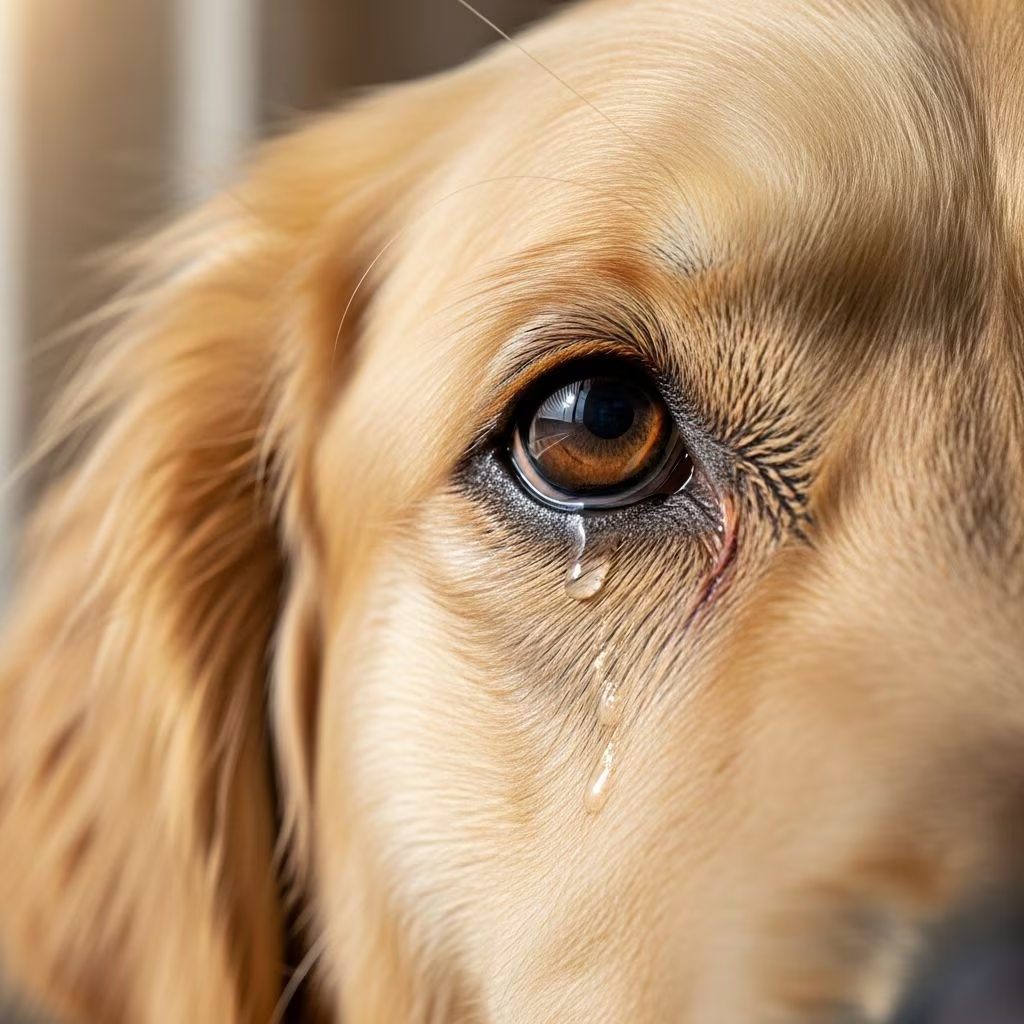
Understanding Lacrimal Duct Obstruction in Dogs
Lacrimal duct obstruction, also known as nasolacrimal duct obstruction or dacryocystitis, is a common eye condition affecting dogs of all ages and breeds. The lacrimal system is responsible for producing and draining tears, which are essential for maintaining eye health, providing lubrication, and protecting against infection. When the tear ducts become blocked or obstructed, tears cannot drain properly, leading to excessive tearing, eye discharge, and potential complications if left untreated. Understanding this condition is crucial for dog owners and veterinary professionals to ensure prompt diagnosis and appropriate treatment.
What Is the Lacrimal System?
The lacrimal system consists of several key components working together to maintain tear production and drainage. Tear glands located above the eyes produce tears continuously, which are spread across the eye surface during blinking. These tears then drain through small openings called lacrimal puncta located on the eyelids, flowing into the lacrimal sac and subsequently through the nasolacrimal duct. This duct carries tears into the nasal cavity, which is why dogs often have wet noses. When any part of this drainage system becomes obstructed, tears accumulate on the eye surface and overflow onto the face, creating the characteristic signs of lacrimal duct obstruction.
Causes of Lacrimal Duct Obstruction
Lacrimal duct obstruction can develop for various reasons, and identifying the underlying cause is essential for effective treatment:
Anatomical and Congenital Factors
Some dogs are born with abnormalities affecting the lacrimal system. Imperforate lacrimal puncta, a condition where the tear duct openings fail to develop properly at birth, prevents normal tear drainage. Certain breeds with shortened facial structures, such as Pugs, Bulldogs, Poodles, and Cocker Spaniels, are genetically predisposed to tear duct problems due to their facial anatomy. These breeds often have narrower or malpositioned ducts that are more prone to blockage.
Infections and Inflammation
Bacterial infections within the lacrimal system can cause inflammation and swelling, narrowing the duct opening and impeding tear flow. Chronic conjunctivitis or corneal infections may also contribute to duct obstruction through inflammatory processes.
Foreign Material and Debris
Dust, hair, mucus, or other foreign material can accumulate within the duct, particularly if the dog has concurrent nasal discharge or respiratory issues. Chronic nasal discharge often accompanies tear duct problems, especially when allergies are the root cause.
Trauma and Injury
Facial injuries or surgical procedures can damage or scar the lacrimal duct, leading to obstruction or reduced tear drainage capacity.
Allergies and Environmental Factors
Dogs with environmental or food allergies may experience increased tear production and inflammation, contributing to duct congestion. Allergic reactions cause histamine release, leading to swelling of the duct tissues and impaired drainage.
Clinical Signs and Symptoms
Owners typically notice several characteristic signs indicating lacrimal duct obstruction:
- Excessive tearing or epiphora (continuous eye discharge)
- Reddish-brown tear stains on the face and fur around the eyes
- Wet fur beneath the eyes and down the muzzle
- Eye redness or conjunctivitis
- Mucoid or purulent eye discharge
- Eye swelling or discomfort
- Squinting or eye pain
- Crusty debris around the eye area
The severity of symptoms varies depending on the degree of obstruction and whether secondary infection is present. Some dogs may only experience mild tearing, while others develop significant discharge and visible staining.
Diagnosis of Lacrimal Duct Obstruction
Veterinarians employ several diagnostic methods to confirm lacrimal duct obstruction and identify underlying causes:
Clinical Examination
A comprehensive eye examination is the first step. Your veterinarian will assess the severity of tearing, discharge characteristics, and any signs of infection or inflammation.
Tear Duct Flushing
One of the most common diagnostic and therapeutic procedures involves flushing the tear duct with sterile saline solution. During this procedure, performed under light sedation or local anesthesia, a small blunt cannula is inserted into the tear duct opening, and sterile saline is gently flushed through the duct to dislodge any blockage. If tears and solution flow freely into the nasal cavity, the duct is patent. If resistance is encountered or no fluid emerges from the nose, obstruction is confirmed. This procedure also allows collection of debris samples for bacterial culture and sensitivity testing.
Advanced Imaging Techniques
For persistent or complex cases, additional imaging may be necessary. Dacryocystorhinography involves injecting a dye into the lacrimal system followed by X-rays to visualize the duct pathway and identify obstruction sites. Dacryoendoscopy, an advanced technique using a tiny camera inserted into the tear duct, allows direct visualization of the obstruction. CT scans of the skull may be necessary to diagnose long-term obstructions or structural abnormalities.
Bacterial Culture
When infection is suspected, bacterial culture and sensitivity testing of discharge samples help identify the causative organism and determine appropriate antibiotic treatment, preventing antibiotic resistance.
Treatment Options for Lacrimal Duct Obstruction
Treatment approaches vary based on the underlying cause, severity of obstruction, and presence of complications:
Conservative Management
For mild cases without infection, conservative measures may suffice. Daily cleaning and gentle massage of the eye area using warm water and clean cotton pads can help manage tearing and prevent secondary complications. Specialized dog eye wipes designed for tear stain removal may also be beneficial.
Antibiotic Therapy
When bacterial infection is present or suspected, antibiotics are essential. Topical antibiotics such as neomycin, polymyxin B, or bacitracin are applied as eye drops (typically 2-4 times daily) or ointments (1-3 times daily). For deeper infections, systemic antibiotics like amoxicillin-clavulanate or doxycycline may be prescribed. Most antibiotic courses last 7-14 days, with improvement expected within 2-3 days. Completing the entire prescribed course is crucial to prevent recurrence and antibiotic resistance.
Tear Duct Flushing Procedure
Therapeutic flushing of the tear duct is often the first treatment of choice for obstruction. Performed under sedation or local anesthesia, this procedure can be curative for mild obstructions. After flushing, mild tearing or discharge may persist for 24-48 hours, during which prescribed eye medications should be applied as directed. Dogs should have restricted activity for a day or two following the procedure to allow healing.
Anti-inflammatory Medications
Anti-inflammatory medications help reduce swelling within the duct and surrounding tissues, improving drainage. These are frequently prescribed alongside antibiotics to optimize treatment outcomes.
Addressing Underlying Causes
For long-term resolution, identifying and treating underlying causes is crucial. If allergies are contributing to tear duct inflammation, your veterinarian may recommend antihistamines, immunotherapy, environmental modifications, or elimination diets to identify food sensitivities. Managing allergies reduces inflammation and improves overall tear drainage.
Surgical Intervention
Surgery becomes necessary when conservative treatments fail or permanent duct damage has occurred. Surgical options include cannulation, where a flexible tube is sutured inside the ducts to act as a stent during healing and prevent scar tissue re-obstruction. In cases of irreversible duct damage, surgery may create a new drainage pathway to empty tears into the nasal cavity, sinus, or mouth. Surgical intervention is usually successful, with only a 5% complication rate, and complications typically include mild conjunctivitis or corneal scarring.
Recovery and Aftercare
Proper aftercare significantly improves treatment outcomes and prevents recurrence:
- Administer all prescribed medications exactly as directed
- Avoid getting medications in the eye if using solutions designed for the eye area
- Monitor for signs of continued blockage or infection
- Attend all scheduled follow-up veterinary visits
- Restrict strenuous activity for 1-2 days following procedures
- Keep the eye area clean and dry
- Report any adverse reactions or worsening symptoms immediately
Prognosis and Long-term Outlook
The prognosis for lacrimal duct obstruction is generally good, particularly with early intervention. Many dogs achieve complete resolution with appropriate treatment. Some may require repeated flushing if blockage recurs, while others achieve lasting improvement through surgical intervention. Long-term management of underlying conditions like allergies is essential to prevent recurrence in predisposed individuals.
Frequently Asked Questions
Q: What breeds are most susceptible to lacrimal duct obstruction?
A: Breeds with shortened facial structures are particularly prone to tear duct problems, including Pugs, Bulldogs, Poodles, and Cocker Spaniels, due to their anatomical features that predispose them to duct obstruction.
Q: Can lacrimal duct obstruction resolve on its own?
A: While mild cases may occasionally improve, most require veterinary intervention. Prompt treatment is recommended to prevent complications and achieve optimal outcomes.
Q: How often should flushing procedures be repeated?
A: For many dogs, a single flushing resolves the issue. However, some may need repeated flushings if blockage recurs, depending on the underlying cause and individual factors.
Q: Are there complications associated with lacrimal duct surgery?
A: Surgical intervention is usually successful with only a 5% complication rate, with potential complications including mild conjunctivitis or corneal scarring.
Q: How can I prevent lacrimal duct obstruction in my dog?
A: While congenital factors cannot be prevented, managing allergies, maintaining good eye hygiene, and seeking prompt veterinary attention for eye problems can help reduce obstruction risk and severity.
Q: Is lacrimal duct obstruction painful for dogs?
A: When infection is present, dogs may experience eye discomfort or pain. Secondary complications like conjunctivitis can also cause discomfort, making treatment important for pain management.
References
- Tear Duct Blockage in Dogs: 5 Essential Treatments to Know — The Pet Vet. 2024. https://thepetvet.com/tear-duct-blockage-in-dogs/
- Blocked Tear Ducts (Dacryocystitis) in Dogs — Vetster. 2024. https://vetster.com/en/conditions/dog/blocked-tear-ducts-dacryocystitis
- Tear Duct Flush in Dogs – Conditions Treated, Procedure — Wag Walking. 2024. https://wagwalking.com/treatment/tear-duct-flush
- Disorders of the Nasal Cavity and Tear Ducts in Dogs — Merck Veterinary Manual. 2024. https://www.merckvetmanual.com/dog-owners/eye-disorders-of-dogs/disorders-of-the-nasal-cavity-and-tear-ducts-in-dogs
- Tear Duct Infections In Pets: Dacryocystitis — Veterinary Vision Center. 2024. https://veterinaryvisioncenter.com/tear-duct-infections-in-pets-dacryocystitis/



