

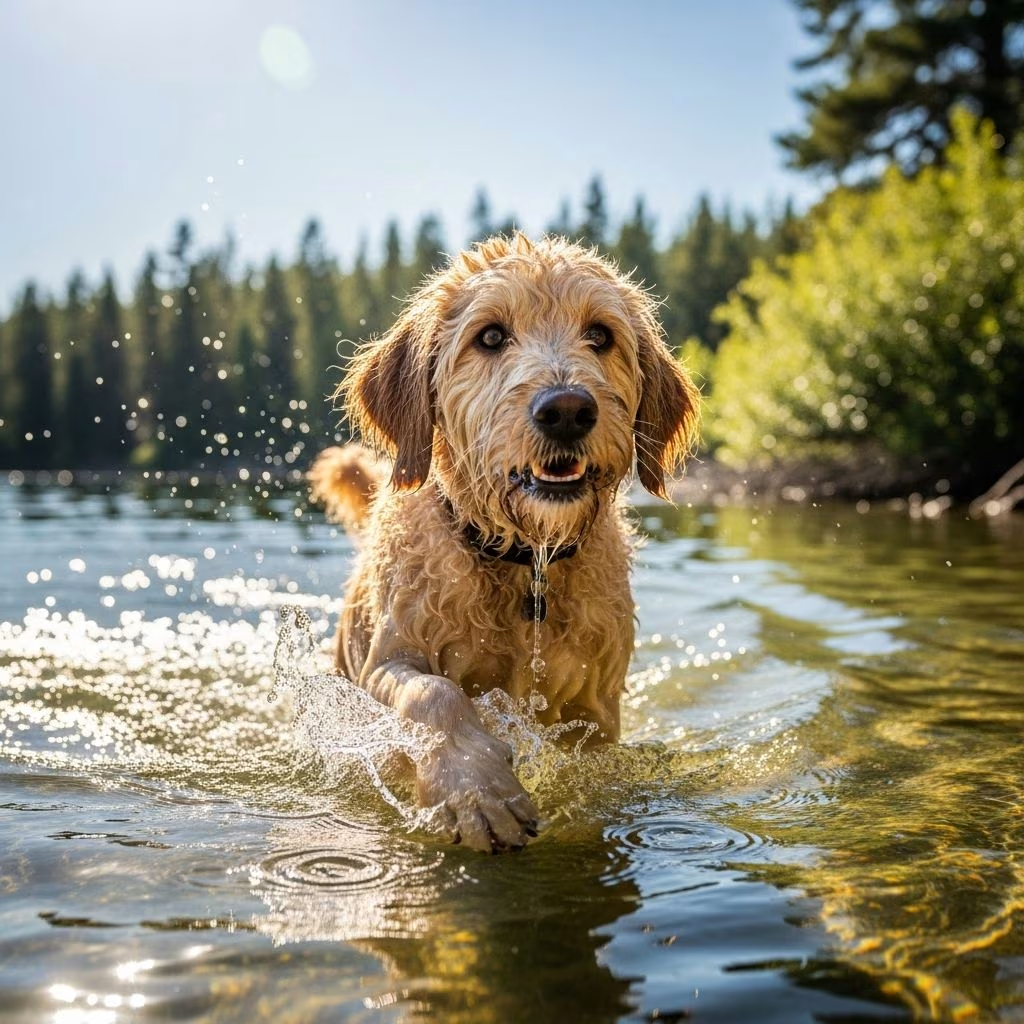
Labradoodles, the charming cross between Labrador Retrievers and Poodles, often exhibit impressive swimming prowess due to their parent breeds’ water heritage. These dogs typically take to water with enthusiasm, making swimming an excellent activity for exercise and bonding.
The Genetic Foundations of Labradoodle Swimming Talent
Labradoodles benefit from a dual lineage of water-adapted dogs. Labrador Retrievers were selectively bred for retrieving game from icy waters, developing broad tails that act as rudders and webbed feet for propulsion. Poodles, contrary to their groomed image, originated as versatile hunters skilled in water retrieval, with curly coats that provide insulation and webbed paws for efficient paddling.
This combination equips most Labradoodles with natural buoyancy and stroke efficiency. Standard-sized Labradoodles, closer to their larger ancestors, often display superior stamina in deeper waters compared to miniature varieties, which may tire faster due to reduced muscle mass.
Factors Influencing Individual Swimming Preferences
While genetics play a key role, not every Labradoodle dives in eagerly. Early exposure shapes their comfort level; positive, gradual introductions foster lifelong enjoyment, whereas traumatic experiences can create lasting fears.
- Age at Introduction: Puppies introduced in calm, shallow areas build confidence quickly.
- Size Variations: Larger standards handle currents better; minis prefer pools over open lakes.
- Temperament: Playful personalities align with water play, but cautious ones need extra patience.
Environmental factors like water temperature and clarity also matter. Cool waters suit their insulated coats, but murky conditions can unsettle novices.
Health Advantages of Aquatic Activities for Labradoodles
Swimming stands out as a low-impact workout ideal for Labradoodles prone to joint issues like hip dysplasia, a concern inherited from both parent breeds. Water’s buoyancy reduces joint stress by up to 90%, allowing full-body conditioning without strain.
| Benefit | Description | Labradoodle-Specific Impact |
|---|---|---|
| Muscle Building | Resistance strengthens core, legs, and shoulders | Supports active lifestyles, prevents obesity |
| Cardiovascular Boost | Improves heart function and endurance | Channels high energy levels effectively |
| Joint Relief | Minimizes pressure on hips and elbows | Ideal for dysplasia-prone dogs |
| Mental Wellness | Reduces stress through play | Enhances focus and reduces anxiety |
Beyond physical gains, swimming aids weight control, burning calories efficiently while engaging their inquisitive minds. For seniors or recovering pups, it’s a gentle rehabilitation tool.
Step-by-Step Guide to Introducing Swimming
Patience ensures success. Begin in controlled settings to build trust.
- Choose Safe Starting Points: Opt for shallow, still water like a pool edge or calm pond shore where paws touch bottom.
- Use Encouragement: Toss toys near the edge; praise entries without forcing submersion.
- Provide Support: Hold under the belly to demonstrate paddling; release gradually as rhythm develops.
- Incorporate Gear: Life jackets offer security, keeping heads afloat and conserving energy.
- Progress Slowly: Advance to deeper areas only after confident paddling in shallows.
Sessions should last 10-15 minutes initially, increasing with comfort. Always supervise closely.
Essential Safety Gear and Precautions
Water poses risks even for adept swimmers. Equip with proper tools.
- Life Jackets: Select models with neck support for head elevation; vital for fatigued or novice dogs.
- Rinse After Swims: Remove chlorine, salt, or lake residue to prevent skin irritation or infections.
- Ear Checks: Dry ears thoroughly to avoid bacterial growth in floppy-eared mixes.
Avoid unsupervised access to pools or open waters. Never swim in rough currents, polluted areas, or post-prohibited zones.
Recognizing When Swimming Isn’t Suitable
Not all conditions favor water time. Monitor for contraindications.
- Open wounds or recent surgeries increase infection risk.
- Ear infections or hot spots demand dry environments.
- Extreme fatigue, anxiety, or post-illness recovery warrant rest.
- Algae-heavy or current-swept waters pose toxicity and drowning threats.
Consult veterinarians for personalized advice, especially with pre-existing health concerns.
Advanced Water Sports for Enthusiastic Labradoodles
Once proficient, elevate play with structured activities. Dock diving builds explosive power; paddleboarding enhances balance and teamwork. These pursuits sharpen agility, obedience, and social skills while providing thrilling outlets for boundless energy.
Group classes foster canine camaraderie, turning exercise into social adventures. Competition-ready Labradoodles thrive, often excelling due to their athletic builds.
Maintenance and Post-Swim Care Routines
Optimal health requires diligent aftercare. Brush coats to disentangle water-matted fur; inspect for debris. Hydrate well, as exertion demands extra fluids. Track session frequency to avoid overexertion—2-3 times weekly suffices for most.
Seasonal adjustments help: warmer waters in summer, heated pools in winter for year-round access.
Frequently Asked Questions
Are all Labradoodles born swimmers?
Most inherit strong instincts, but individual confidence varies. Training bridges any gaps.
Can miniature Labradoodles swim well?
Yes, though they excel in calmer, shallower venues due to size.
Is swimming safe for puppies?
After vaccinations, in shallow, supervised settings with life vests.
How often should Labradoodles swim?
2-4 sessions weekly, tailored to age, fitness, and weather.
Do Australian Labradoodles differ in swimming ability?
Similar talents, enhanced by multi-breed water heritage.
References
- Labradoodle Swimming – Excellent Exercise, Or Terrible Idea? — The Labradoodle Site. 2023. https://thelabradoodlesite.com/labradoodle-swimming/
- How Well Can Labradoodles Swim? Vet-Verified Facts & FAQ — Dogster. 2024-05-15. https://www.dogster.com/dog-health-care/how-well-can-labradoodles-swim
- Are Labradoodles Good Swimmers, and How Can I Teach Mine to Swim? — All About the Doodles. 2023. https://allaboutthedoodles.com/blogs/are-labradoodles-good-swimmers-and-how-can-i-teach-mine-to-swim
- Taking the Plunge: Do Australian Labradoodles Like to Swim? — Royal Diamond Labradoodles. 2024. https://royaldiamondlabradoodles.com/taking-plunge-do-australian-labradoodles-like-swim/
- The Vet’s Guide to Labradoodles: Facts, Care, and Training Tips — Vets Love Pets. 2025-01-10. https://vetslovepets.com.au/blogs/dog/labradoodle-breed-guide



