

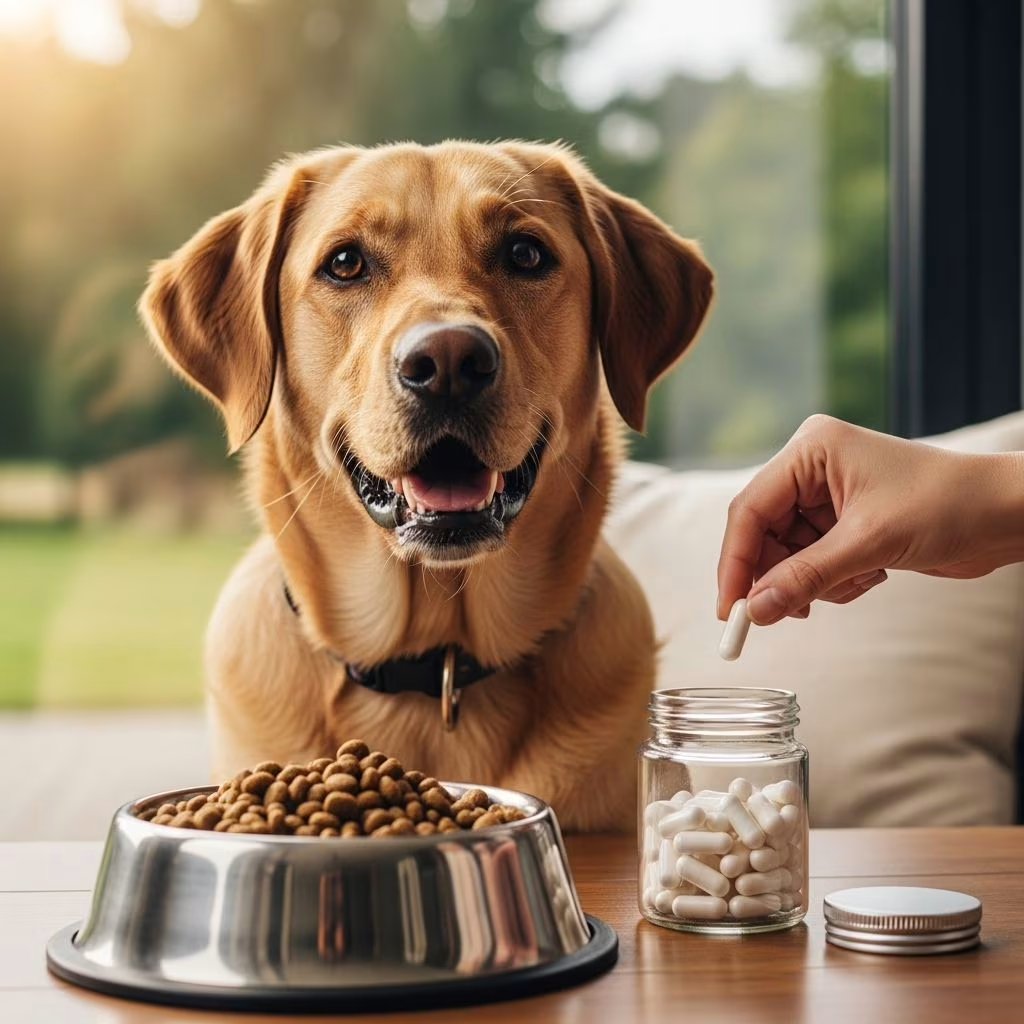
L-Carnitine is a naturally occurring compound vital for energy production in dogs, particularly by facilitating the transport of fatty acids into mitochondria for oxidation. This process powers heart and skeletal muscles effectively. Dogs synthesize it from amino acids lysine and methionine in the liver and kidneys, but supplementation proves beneficial for certain health needs.
The Science Behind L-Carnitine in Canine Physiology
At its core, L-Carnitine acts as a shuttle for long-chain fatty acids, enabling their conversion into usable energy. This mechanism supports sustained activity in working breeds and aids overweight dogs in mobilizing fat reserves. Research on Labrador retrievers demonstrated that dogs receiving 250 mg/day of L-Carnitine exhibited higher activity levels during sprints and endurance runs, generating about 4000 more activity points per kilometer compared to controls. Antioxidant markers like total antioxidant capacity (TAC) were elevated (0.16 mM vs. 0.13 mM), and thiobarbituric acid reactive substances (TBARS), indicators of oxidative stress, were lower both pre- and post-exercise.
These findings underscore L-Carnitine’s role in mitigating exercise-induced damage. In Greyhounds, supplementation reduced plasma lactate and muscle damage markers during sprints, highlighting breed-specific responses due to muscle fiber types. For general canine health, it maintains lean body mass, crucial for preventing obesity in growing puppies and age-related muscle loss.
Key Benefits for Your Dog’s Health
- Fat Metabolism and Weight Control: L-Carnitine promotes the breakdown of fats for energy, reducing fat accumulation during high-calorie diets. Studies show supplemented dogs experience less fat mass gain and increased basal metabolic rates.
- Muscle Performance and Recovery: It enhances endurance, reduces soreness, and speeds recovery by lowering inflammatory enzymes and oxidative stress. Females often show more pronounced effects.
- Cardiac Support: Essential for heart muscle function, it’s used in dilated cardiomyopathy (DCM) treatment, particularly in breeds like Boxers and Cocker Spaniels.
- Antioxidant Protection: By clearing metabolic waste, it combats cellular damage from intense activity.
Ideal Candidates for L-Carnitine Supplementation
Not all dogs require extra L-Carnitine; most produce sufficient amounts from balanced diets rich in protein. However, specific groups benefit most:
| Dog Profile | Potential Benefits |
|---|---|
| Overweight or Obese Dogs | Enhanced fat utilization, preserved muscle during weight loss |
| Active/Working Breeds (e.g., Labradors, Greyhounds) | Improved stamina, faster recovery |
| Seniors with Muscle Weakness | Maintained mobility, lean mass support |
| Breeds Prone to DCM | Heart function improvement |
| Puppies in Growth Phase | Obesity prevention via lean mass development |
Consult a veterinarian to assess needs, as underlying conditions like kidney issues may affect suitability.
Safe Dosage Guidelines and Administration
Veterinarians typically recommend 50-100 mg per kg of body weight daily, split into meals for optimal absorption. For a 20 kg dog, this equates to 1,000-2,000 mg/day. Forms include powders, chews, or fortified kibble. Start low to monitor tolerance.
- Combine with taurine for DCM cases, as deficiencies often coexist.
- Pair with exercise and calorie-controlled diets for weight management synergy.
- Avoid in dogs with normal levels unless performance demands it.
Monitor via blood tests for carnitine levels if deficiency is suspected.
Potential Risks and Side Effects
L-Carnitine is generally safe with minimal side effects like mild digestive upset at high doses. Rare concerns include interactions with thyroid medications or seizure drugs. Over-supplementation doesn’t yield extra benefits and may strain kidneys in impaired dogs. Always source veterinary-grade products to ensure purity. Pregnant or nursing dogs require vet approval due to limited data.
Integrating L-Carnitine into Daily Routines
Incorporate via commercial foods listing it (often 100-300 mg/kg diet) or standalone supplements. For weight loss:
- Baseline vet check for carnitine/taurine levels.
- Reduce calories by 20% while adding L-Carnitine.
- Track weight weekly; adjust based on progress.
- Incorporate 30-minute daily walks to amplify fat burning.
Athletic dogs benefit from pre-exercise dosing to boost fatty acid oxidation.
Research Spotlight: Evidence from Studies
A two-year trial on Labradors fed low-carnitine diets showed supplemented groups had better body composition, with less fat gain despite similar intakes. Post-run TBARS dropped significantly (16.45 µM vs. 20.65 µM), indicating reduced lipid peroxidation. Another study in obese dogs confirmed preserved muscle mass and higher energy expenditure. These peer-reviewed insights affirm its efficacy without relying on anecdotal claims.
Comparing L-Carnitine to Other Supplements
| Supplement | Primary Use | Edge Over L-Carnitine |
|---|---|---|
| Glucosamine | Joint Health | Better for arthritis; L-Carnitine focuses on energy/muscle |
| Taurine | Heart Support | Complementary for DCM; often paired |
| Omega-3s | Anti-Inflammatory | Broad inflammation reduction; L-Carnitine targets fat metabolism |
Frequently Asked Questions (FAQs)
Is L-Carnitine safe for all dogs?
Yes for most, but consult a vet for puppies, seniors, or those with health issues.
How long until benefits appear?
2-4 weeks for energy/weight effects; months for cardiac improvements.
Can it replace diet and exercise?
No, it enhances them; combine for best results.
What foods naturally contain L-Carnitine?
Red meats, poultry; plant-based diets may require supplementation.
Does it help with lethargy?
Potentially, by improving energy production and muscle function.
Choosing Quality Supplements
Opt for products with third-party testing, clear labeling (e.g., 250 mg/serving), and vet endorsements. Avoid blends with fillers. Store in cool, dry places to maintain potency.
In summary, L-Carnitine offers targeted support for canine metabolism, performance, and heart health, backed by rigorous studies. Tailor use to your dog’s profile under professional guidance for maximal impact.
References
- Utilisation of supplemented l-carnitine for fuel efficiency, as an antioxidant, and for muscle recovery in Labrador retrievers — JL Varney et al. 2017-07-28. https://pmc.ncbi.nlm.nih.gov/articles/PMC5465856/
- L-Carnitine for Dogs: What Every Pet Parent Should Know — PetJope. Recent. https://petjope.com/blogs/ingredients/l-carnitine-for-dogs
- The Benefits Of L-Carnitine For Dogs — Front of the Pack. Recent. https://fotp.com/learn/dog-supplements/the-benefits-of-l-carnitine-for-dogs
- Use of L-carnitine in canine and feline obesity management — Andersen Pets. Recent. https://andersenpets.com/en/use-of-l-carnitine-in-canine-and-feline-obesity-management/
- L-carnitine for Dogs — PetMD. Recent. https://www.petmd.com/pet-medication/l-carnitine-dogs
- Carnitine — VCA Animal Hospitals. Recent. https://vcahospitals.com/know-your-pet/carnitine



