

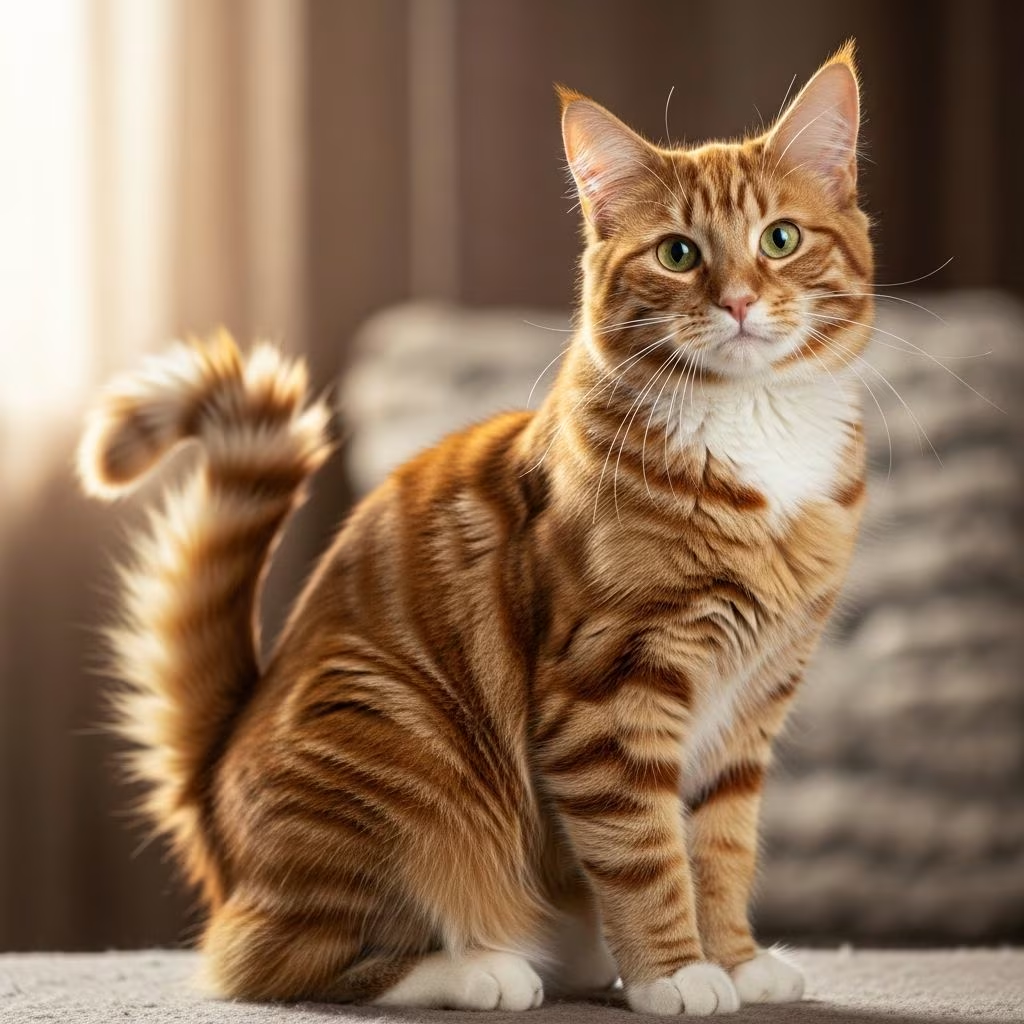
The Kurilian Bobtail stands out as a captivating feline breed originating from the rugged Kuril Islands between Russia and Japan. Renowned for its distinctive short, fluffy tail resembling a pom-pom, this natural breed blends wild ruggedness with domestic charm, offering loyalty akin to dogs and a playful spirit ideal for households.
Historical Roots and Natural Development
Emerging naturally on the volcanic Kuril Islands, the Kurilian Bobtail adapted over centuries to harsh climates, including cold winds, rocky terrains, and sparse resources. Local islanders valued these cats for their hunting prowess against rodents, fostering a bond that shaped their sociable traits. Unlike many engineered breeds, Kurilians developed organically, with their signature bobtail resulting from a genetic mutation that proved advantageous for balance on uneven ground.
Recognition came later; The International Cat Association (TICA) accepted them as one of 13 natural breeds, highlighting their robust health and balanced temperament. Today, both shorthair and longhair varieties thrive worldwide, though they remain relatively rare outside Europe and Russia.
Distinctive Physical Features
Kurilian Bobtails possess a semi-cobby body—compact yet powerful—with broad chests, substantial boning, and muscular frames that convey strength without bulkiness. Males typically weigh 10-15 pounds, females 8-12 pounds, classifying them as medium-to-large cats.
Their hind legs exceed front legs in length, enabling impressive leaps and agile navigation, a survival trait from island life. Heads are large and wedge-shaped, topped by medium triangular ears that tilt forward slightly. Eyes range from green to gold or blue in pointed varieties, exuding alertness.
Central to their allure is the tail: short (3-8 cm), fluffy, and uniquely shaped—like a snowflake or pom-pom—with no two identical, adding individuality to each cat.
Coat Variations and Colors
Available in shorthair and semi-longhair types, both feature silky, water-repellent fur with a moderate undercoat for insulation. Shorthairs have dense, close-lying coats needing minimal upkeep, while longhairs boast ruffs around the neck, breeches on hind legs, toe tufts, and plumed tails for a majestic look.
Colors span solids, tabbies, torties, smokes, silvers, golds, and bi-colors, often with white markings. Patterns mimic wild felines, enhancing their exotic appeal.
| Coat Type | Key Features | Grooming Needs | Best For |
|---|---|---|---|
| Shorthair | Dense, soft, low-shedding | Weekly brushing | Busy owners, allergy-prone homes |
| Semi-Longhair | Ruff, breeches, plumed tail | 2-3 times weekly, more in shed seasons | Owners enjoying grooming rituals |
Temperament: Dog-Like Devotion in a Cat
Kurilian Bobtails epitomize feline intelligence and affection, often dubbed “clowns of the cat world” for their inquisitive, sociable antics. Highly trainable, they grasp rules after one demonstration, responding to names, fetch games, and even leash walks.
Loyal to the core, they shadow owners like dogs, selecting a favorite human while embracing the whole family. Independent yet people-loving, they avoid clinginess, happily self-entertaining before seeking interaction.
Moderate energy levels fuel hours of play—chasing toys, scaling heights, or surveying from perches. Vocal yet not excessive, they “talk” to communicate needs.
Family Compatibility and Social Skills
- With Children: Patient and gentle, they engage in games without scratching, tolerating enthusiastic handling if taught boundaries.
- With Other Pets: Adaptable to cats, dogs, and larger animals; high prey drive necessitates supervision around small critters like rodents or birds.
- In Multi-Pet Homes: Peaceful demeanor promotes harmony, thriving in bustling environments.
Caring for Your Kurilian Bobtail
These hardy cats demand straightforward care focused on mental stimulation, exercise, and preventive health.
Nutrition and Feeding
Opt for high-protein diets mirroring their hunter heritage, with wet food for hydration and kibble for dental health. Feed 2-3 meals daily, adjusting for activity—active adults need 250-350 calories. Avoid obesity by monitoring portions, as their sturdy builds hide weight gain.
Grooming Routines
Shorthairs need weekly brushing to control shedding; longhairs require bi-weekly sessions, intensifying during seasonal molts. Baths are rare due to self-cleaning prowess. Trim nails monthly, clean ears weekly, and brush teeth daily with feline paste.
Exercise and Enrichment
Provide vertical spaces (cat trees, shelves), interactive toys, and puzzle feeders to channel jumping and hunting instincts. 20-30 minutes of daily play prevents boredom-induced mischief.
Health Profile and Lifespan
As a natural breed, Kurilians boast excellent vitality, often living 15-20 years with few genetic issues. No breed-specific diseases like hypertrophic cardiomyopathy plague them, though general feline concerns apply: dental disease, obesity, and urinary issues.
Annual vet checkups, vaccinations, and parasite prevention suffice. Their resilient coats and builds resist cold, but indoor living shields from outdoor risks.
| Potential Concern | Prevention | Frequency |
|---|---|---|
| Dental Disease | Brushing, dental diets | Daily/Quarterly |
| Obesity | Portion control, exercise | Ongoing |
| Parasites | Flea/tick/worm preventives | Monthly |
Training and Behavioral Tips
Harness their smarts for litter training (instinctual), harness walking, and tricks like high-fives. Positive reinforcement—treats, praise—yields quick results. Redirect prey drive with wand toys; ignore unwanted behaviors to discourage them.
Socialize kittens early for optimal pet compatibility. They adapt to apartments or houses, provided climbing opportunities abound.
Bringing Home a Kurilian Bobtail
Source from reputable breeders adhering to TICA standards or rescues. Kittens cost $800-$2000, reflecting rarity. Prepare with scratching posts, beds, and toys before arrival. Expect a bold explorer who bonds swiftly.
Adult adoptions suit experienced owners, as their energy matches active lifestyles.
Common Questions About Kurilian Bobtails
FAQs
Are Kurilian Bobtails good for first-time owners?
Yes, their forgiving nature and low-maintenance coats make them suitable, though their playfulness requires commitment to daily interaction.
Do Kurilian Bobtails shed a lot?
Moderately; shorthairs shed seasonally, longhairs more frequently but manageable with brushing.
Can Kurilian Bobtails live outdoors?
Preferably indoors for safety, though their hardy builds tolerate cold; provide secure enclosures if outdoor access is desired.
How do I train a Kurilian Bobtail?
Use treats and consistency; they excel at fetch, leash training, and commands due to high intelligence.
What is the Kurilian Bobtail’s tail like?
Short, fluffy, and uniquely pom-pom shaped—each one’s pattern is distinct, like a fingerprint.
Why Choose a Kurilian Bobtail?
This breed offers unmatched versatility: rugged adventurer, gentle family member, and clever companion. Their natural health, easy care, and profound loyalty make them a rewarding choice for diverse lifestyles, from apartments to farms.
References
- Origin and Characteristics of the Kurilian Bobtail Breed — kurilianbobtailcats.com. 2024-10-10. https://kurilianbobtailcats.com/en/2024/10/10/origin-and-characteristics-of-the-kurilian-bobtail-breed/
- Kurilian Bobtail – TICA — The International Cat Association (tica.org). Accessed 2026. https://tica.org/breed/kurilian-bobtail/
- Kurilian Bobtail Facts – Cat Breeds — Wisdom Panel (wisdompanel.com). Accessed 2026. https://www.wisdompanel.com/en-us/cat-breeds/kurilian-bobtail
- Kurilian Bobtail Cat Breed: Size, Appearance & Personality — cats.com. Accessed 2026. https://cats.com/cat-breeds/kurilian-bobtail
- Kurilian Bobtail Cat: Breed Info, Pictures, Traits & Facts — Catster (catster.com). Accessed 2026. https://www.catster.com/cat-breeds/kurilian-bobtail/



