

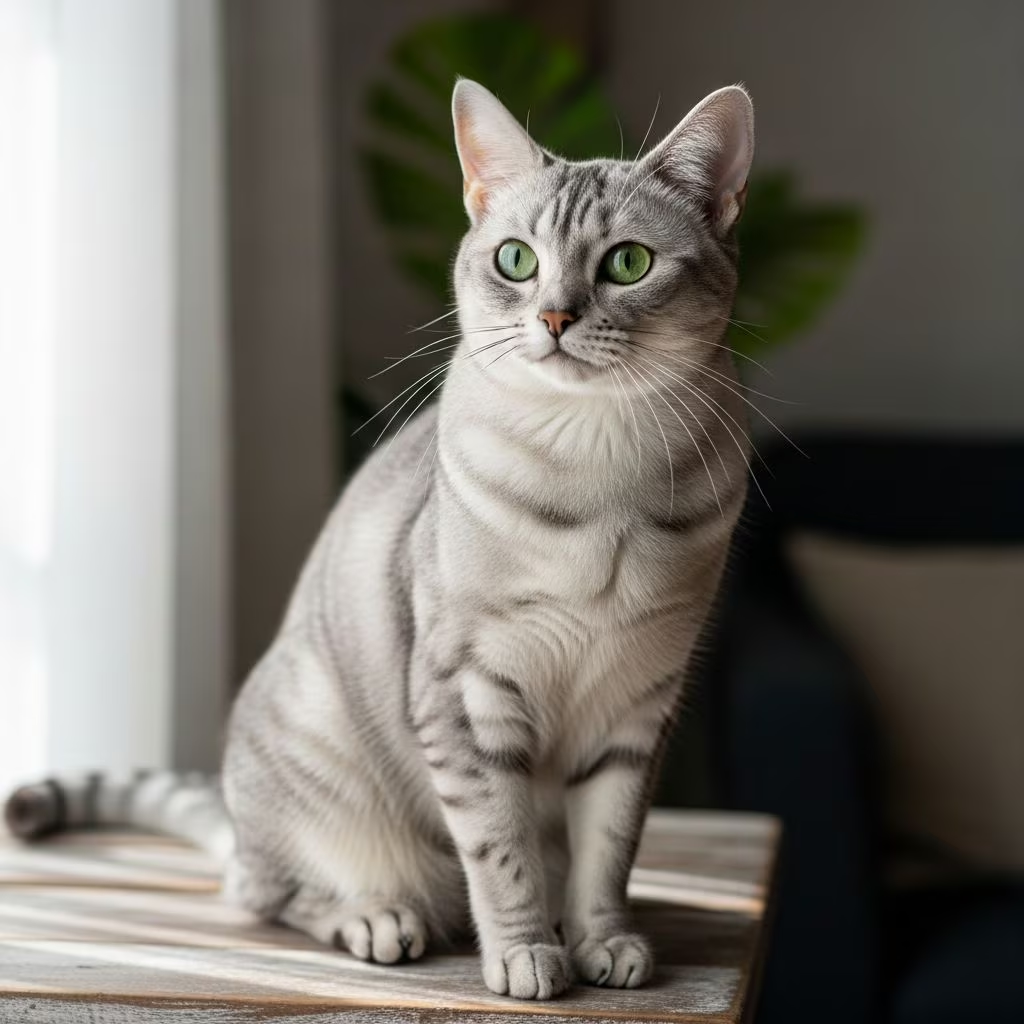
Korat Cat Breed: Behavior, Characteristics & Care Guide
The Korat is one of the world’s oldest naturally occurring cat breeds, originating from Thailand where it is known as the “Si Sawat” cat and considered a symbol of good luck and prosperity. This striking breed has captured the hearts of cat enthusiasts for centuries, with references appearing in Thai literature dating back over 600 years. Today, Korats remain beloved companions for those seeking an intelligent, affectionate, and remarkably engaging feline friend. Understanding the breed’s unique personality, physical characteristics, and specific care requirements is essential before welcoming a Korat into your home.
Physical Characteristics and Appearance
Korat cats possess a distinctive appearance that sets them apart from other feline breeds. They are medium-sized cats with a robust, cobby build that gives them a surprisingly solid feel despite their elegant appearance. The breed typically weighs between six and ten pounds, making them a comfortable size for most households.
The most striking feature of a Korat is undoubtedly their stunning blue-grey coat with silver-tipped fur that creates a luminous, almost shimmering effect. This single-color coat is one of the defining characteristics of the breed, and they are one of the few cat breeds that appear in only one color variety. On rare occasions, some Korats may display faint spots, white markings, or very light gray stripes on their coat, which do not affect their health or personality. Interestingly, some Korats display dark blue stripes on their tails, which is considered lucky in Thai tradition.
The Korat’s facial structure is equally distinctive. They have a heart-shaped face with an alert, intelligent expression that conveys their keen understanding of the world around them. Their large, mobile ears contribute to their characteristic appearance and enable their exceptional hearing abilities. Their most memorable feature is their enormous green or greenish-amber eyes that seem to penetrate with wisdom and curiosity. These eye colors may take up to two years to fully develop their final shade, adding an element of anticipation as kittens mature.
Personality and Behavioral Traits
The Korat cat personality is a unique and captivating blend of affection, intelligence, and unwavering loyalty. These cats are renowned for forming exceptionally strong attachments to their owners, often following them from room to room and actively seeking constant companionship. Unlike more independent cat breeds, Korats thrive on human interaction and become deeply invested in the lives of their family members.
Korats are highly active and inquisitive cats that constantly seek mental and physical stimulation. They are celebrated for their adept problem-solving abilities and have a remarkable knack for “helping” their owners with household tasks, whether that means opening containers or attempting to adjust radio settings. This intelligence makes them both entertaining and occasionally mischievous companions.
In terms of vocalization, Korats are moderately talkative, using soft, expressive meows and trills to communicate their thoughts and desires. However, they are not excessively vocal, preferring to express themselves through a combination of sounds and body language that shows deep understanding of their owners’ emotional states. Ancient Thai cat book poems describe Korats as intuitive creatures capable of understanding their owners’ thoughts before they are fully formed, a reputation that many modern Korat owners wholeheartedly endorse.
Playful and curious by nature, Korats enjoy exploring their surroundings and discovering new things. They possess a mild temperament while maintaining their spirited, energetic disposition. These cats love interactive play and excel at games involving fishing rod toys with dangling strings, easily mastering fetch games with thrown toys. They particularly enjoy games that simulate hunting behaviors, making interactive play sessions both enriching and satisfying for their predatory instincts.
Socialization and Family Compatibility
Korats are fundamentally social creatures that thrive in homes where human companionship is readily available. They are not suited to being left alone for extended periods, as their sensitive nature can lead to withdrawal and anxiety if they lack regular interaction and attention. The ideal Korat owner is someone who spends significant time at home or can arrange for regular companionship and mental stimulation throughout the day.
When it comes to family compatibility, Korats display nuanced preferences. They typically get along well with older children who can understand and respect a cat’s boundaries and communicate gently with them. However, they may not appreciate handling by very young children who lack the patience and gentleness required. The breed’s strong desire to be the center of attention sometimes conflicts with family households that include multiple pets, as Korats can become jealous if they notice other animals receiving substantial attention from their owner.
With proper early socialization, Korats do well with other cats and dogs. However, their preference for being the primary focus of their owner’s affection means that multi-pet households require careful attention and balanced interaction to prevent behavioral issues. They build strong connections with their favorite humans while often remaining standoffish toward strangers, showing that selectivity is part of their nature.
Korats thrive in calm, stable environments and are sensitive to chaotic, noisy households. Homes with lots of activity and unpredictability can cause stress, making them less suitable for families with young children or high-energy dynamics. These cats appreciate routine and can become anxious when schedules shift unexpectedly or their environment changes dramatically.
Enrichment and Environmental Needs
Due to their high intelligence and active nature, Korats require substantial mental and physical enrichment to remain happy and well-adjusted. Interactive play sessions should be a daily component of their routine, incorporating a variety of toys that engage different aspects of their hunting instincts and problem-solving abilities.
Puzzle feeding toys are particularly beneficial for Korats, as they combine mental stimulation with the satisfaction of earning their food. Cat trees and climbing gyms provide both vertical territory for exploration and physical exercise, which helps maintain their lean, athletic build. Providing varied enrichment prevents boredom and associated behavioral problems that can develop when intelligent cats lack adequate stimulation.
Korats have exceptional senses, particularly their keen sense of smell, sight, and hearing, which makes them highly alert and observant. These heightened senses can be leveraged through enrichment activities that engage their natural detective instincts, such as hiding treats for them to discover or creating new exploration opportunities within a safe environment.
Indoor Versus Outdoor Living
Although Korats are naturally equipped for outdoor adventures and possess strong hunting instincts developed through centuries of living in Thailand’s environment, allowing them outside unsupervised carries significant risks. The dangers of outdoor living, including traffic, predators, disease exposure, and the risk of theft, make free roaming inadvisable for this valuable and affectionate breed.
The ideal solution is providing a cat-proofed garden or secure built-in cat run that allows your Korat to enjoy outdoor time, fresh air, and natural stimulation while remaining protected from potential dangers. This compromise provides the mental enrichment and sensory experiences that outdoor time offers without the associated risks. These outdoor spaces should be designed to prevent escape while allowing for climbing, exploration, and observation of the natural world.
Grooming and Coat Care
Korat cats require weekly grooming to maintain their distinctive blue-grey coat in optimal condition. Their short, dense coat benefits from regular brushing, which removes loose hair, promotes healthy skin, and maintains the characteristic sheen and appearance of their silver-tipped fur. Weekly grooming sessions also provide an excellent opportunity for bonding with your Korat while allowing you to check for any skin issues or abnormalities.
Beyond coat care, Korats require regular dental hygiene maintenance. Dental disease is a concern for the breed, as Korats can suffer from gum disease and tooth decay if oral care is neglected. Regular brushing or professional dental cleaning helps prevent periodontal disease, which can affect their overall health if left untreated.
Health Considerations and Common Issues
While Korats are generally healthy cats, they are susceptible to specific health conditions that potential owners should understand. Regular veterinary check-ups and appropriate health screening can help catch and manage these issues early.
Respiratory Issues: Due to their short coat, Korats can be sensitive to cold environments, making them more prone to respiratory infections if exposed to chilly conditions. Maintaining a warm, comfortable living environment is essential for their wellbeing.
Dental Disease: As mentioned, regular dental care is critical for preventing gum disease and tooth decay. Establishing a dental care routine early in their lives helps maintain oral health throughout their lifespan.
Heart Conditions: Some Korats may be susceptible to heart diseases, particularly hypertrophic cardiomyopathy (HCM), which affects the heart muscle. Genetic screening and regular veterinary examinations can help identify this condition early.
Gangliosidosis: This genetic condition can affect some Korats. DNA testing is available to determine whether a cat has the potential to be affected by this condition, and responsible breeders often screen their breeding cats to reduce the incidence of this disease.
Other Health Concerns: Korats can also be susceptible to obesity, kidney disease, hyperthyroidism, and diabetes. Maintaining a healthy weight through proper diet and regular exercise helps prevent many of these age-related conditions.
Is a Korat Right for You?
Korats are not ideal for everyone. They require an experienced cat owner who understands their need for constant companionship, mental stimulation, and a calm, stable environment. They are best suited to homes where someone is present most of the time or where arrangements can be made for regular human interaction and engagement.
These cats thrive with owners who can commit to providing daily interactive play, enrichment activities, and the attentive affection they crave. They are not appropriate for families seeking a low-maintenance, independent cat or households with high levels of noise and chaos.
For the right owner, however, a Korat can be an extraordinarily rewarding companion. Their intelligence, loyalty, and affectionate nature create deep bonds that enrich human lives. They demonstrate remarkable understanding of their owners’ emotions and needs, often seeming to anticipate what their humans require before it’s expressed.
Frequently Asked Questions
Q: How long do Korat cats typically live?
A: Korats generally have a lifespan of 10 to 15 years, though some live even longer with excellent care, regular veterinary attention, and a healthy lifestyle.
Q: Are Korats good with children?
A: Korats get along well with older children who understand cat boundaries and can interact gently with them. They may not appreciate the unpredictable handling of very young children.
Q: Can Korats be left alone?
A: While they can technically be left alone all day, Korats are sensitive and may become withdrawn or anxious if left alone for extended periods regularly. They truly thrive when their owners are present most of the time.
Q: How much exercise do Korats need?
A: Korats are active, high-energy cats requiring daily interactive play, puzzle toys, and mental stimulation. They need access to climbing structures and regular engagement to stay happy and healthy.
Q: Do Korats shed a lot?
A: While Korats have short coats, they do shed. Regular weekly grooming helps manage shedding and keeps their coat in optimal condition.
Q: What is the difference between a Korat and a Russian Blue?
A: While both have blue-grey coats, Korats are highly affectionate and social cats that thrive on constant interaction, whereas Russian Blues tend to be more reserved, independent, and quiet. Both are intelligent, but Korats crave interaction while Russian Blues prefer more tranquil environments.
Q: Are Korats expensive?
A: As an ancient, rare breed with strong cultural significance, Korats from reputable breeders can be expensive. Adoption from breed-specific rescues may offer a more affordable option.
Q: Do Korats have any unique traits?
A: Korats are known for their exceptional problem-solving abilities, heightened senses, and their intuitive understanding of their owners’ emotions and thoughts. Some have dark blue stripes on their tails, which is considered lucky.
References
- Korat Cat Breed Information — Purina UK. 2025. https://www.purina.co.uk/find-a-pet/cat-breeds/korat
- What to Know About a Korat — WebMD Pets. 2025. https://www.webmd.com/pets/cats/what-to-know-about-korat
- Korat Cat: The History, Traits, and Care — Feline Fancy. 2025. https://felinefancy.co.uk/blogs/cat-breeds-info/korat
- Breed of the Month – Korat — Feline Forums. 2025. https://felineforums.com/threads/korat.320/



