

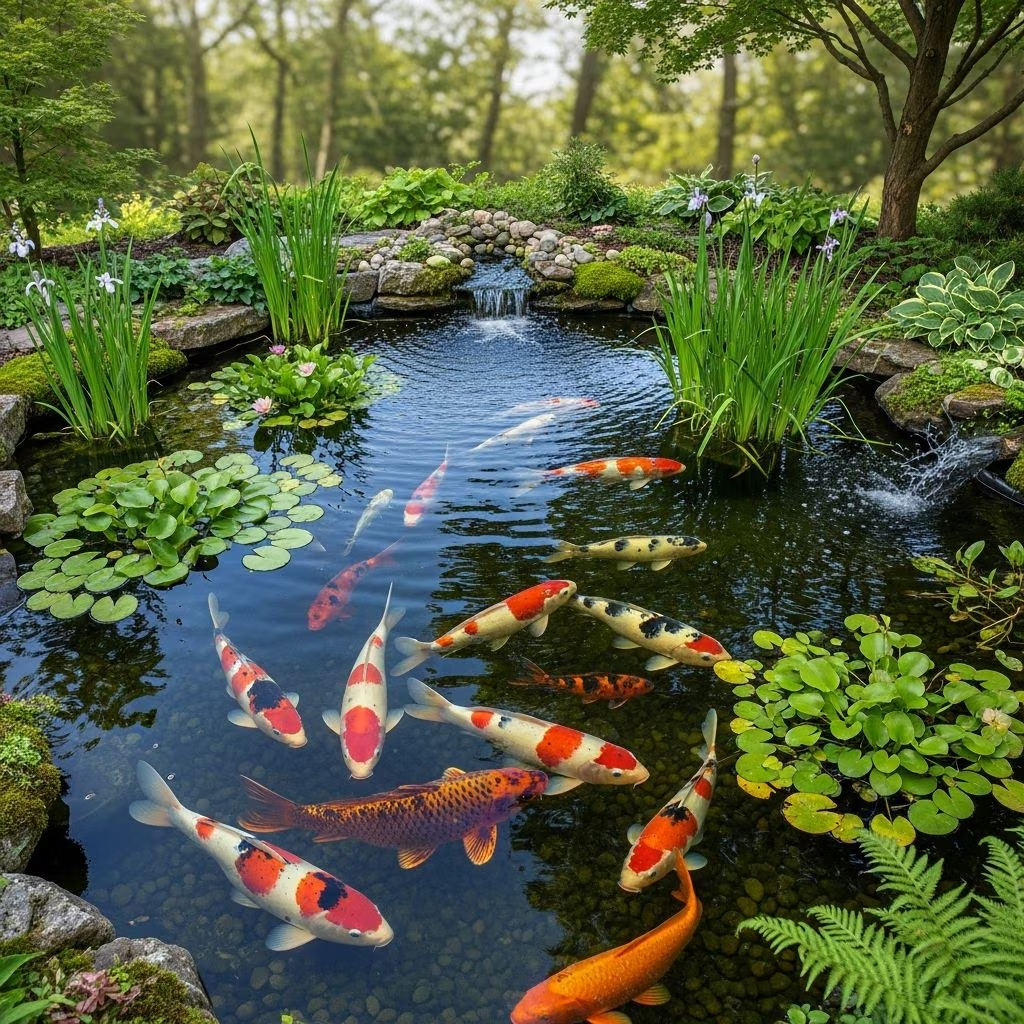
Introduction to Koi Pond Care
Koi ponds represent a beautiful and rewarding way to maintain these stunning ornamental fish in a home environment. However, successfully keeping koi requires a comprehensive understanding of proper setup, filtration, water quality management, and ongoing maintenance. Whether you’re a beginner planning your first pond or an experienced aquarist looking to optimize your current system, understanding the fundamentals of koi pond care is essential for the health and longevity of your fish. Koi can live for decades when provided with proper care, making the initial investment in setup and maintenance worthwhile.
Setting Up Your Koi Pond
Proper pond setup forms the foundation for a healthy koi environment. The decisions you make during the initial construction phase will significantly impact your maintenance efforts and your fish’s wellbeing for years to come.
Pond Size and Depth Requirements
Size matters significantly when it comes to koi ponds. Larger volumes of water provide more stable water parameters and are generally easier to maintain than smaller ponds. The minimum pond depth should be at least 2 to 3 feet, with deeper ponds being preferable in colder climates. Every pond should be at least 2 feet deeper than the frost level for your specific area to prevent complete icing in winter, which could harm or kill your koi. In summer months, provide shade to keep temperatures more constant and prevent overheating. A well-designed pond allows koi to exhibit natural behaviors and provides them with adequate space to grow and thrive.
Pond Substrate and Lining
The bottom of your koi pond requires careful preparation. Start by covering the bottom with pond underlayment, which is a durable liner that provides an extra layer of protection against roots, rocks, sharp objects, and burrowing insects or rodents. Over this underlayment, place a quality pond liner designed to prevent water from leaking out of the pond while insulating the habitat. This layering system is especially important for ponds in colder climates where temperature regulation is critical for koi survival. Always refer to the manufacturer’s instructions for determining how much underlay and liner you’ll need based on your pond’s specific dimensions.
Filtration Systems for Koi Ponds
Effective filtration is absolutely critical for maintaining a healthy koi pond environment. A comprehensive filtration system should include multiple stages of water treatment to keep your pond clean and your fish healthy.
Mechanical Filtration
Mechanical filtration works by removing solid waste particles from the water. This stage captures debris, uneaten food, and fish waste before they can decompose and degrade water quality. When purchasing a filter, look for a filtration system that carries out both mechanical and biological filtration. These filters should be paired with a pond pump to circulate water through the habitat. Koi are slow-moving fish, so the pond should have slow water circulation to mimic their natural habitat while still ensuring adequate filtration and oxygenation.
Biological Filtration
Biological filtration relies on beneficial bacteria colonies to break down harmful ammonia and nitrite. A filter serves as the ideal location for these beneficial bacteria to colonize. One colony of beneficial bacteria converts ammonia (which constitutes about 80 percent of fish respiration waste) into nitrite, which other bacteria then convert to less harmful nitrates. This biological process is essential for maintaining stable water chemistry. Once weekly, you can add beneficial bacteria to the pond to help keep its water clean, clear, and healthy, especially when establishing a new pond or after water changes.
Ultraviolet (UV) Filtration
Along with biological and mechanical filtration, an ultraviolet (UV) filter provides an additional layer of protection. These filters use UV light to destroy algae, which can cause pond water to turn green and reduce visibility. UV filters need to be cleaned regularly and replaced at least once annually, though frequency may vary depending on the manufacturer’s recommendations and your pond’s specific conditions.
Pond Decorations and Landscaping
Adding appropriate decorations and live plants creates a more natural and beneficial environment for your koi while enhancing the aesthetic appeal of your pond.
Plants and Natural Features
Add rocks and non-toxic, non-invasive aquatic plants to your koi’s pond to provide your fish with extra shade and hiding places. Water hyacinth, water lilies, floating pondweed, and water celery are all koi-safe plant options. These plants help maintain water quality by absorbing excess nutrients that algae would otherwise feed upon. However, keep in mind that koi have a hearty appetite and may eat any plants added to their pond. Healthy koi are large, active fish that need plenty of open space for swimming, so be sure not to overcrowd a koi pond with decor. Balance aesthetic appeal with functional swimming space to ensure your fish remain healthy and active.
Water Quality Management
Maintaining proper water quality is the cornerstone of successful koi pond keeping. Regular testing and adjustments are essential for fish health and overall pond ecosystem balance.
pH Levels
While koi ponds can tolerate a pH range of 6.8 to 9, aiming for a stable range between 7.0 and 7.5 is ideal. Minor daily fluctuations are generally harmless, but significant pH swings can make koi susceptible to bacterial infections and stress. To maintain stable pH levels, regular testing is essential. Use buffers to raise pH and acids to lower it as needed. Hard water is generally not a problem for koi ponds.
Water Treatment and Conditioning
Always add a dechlorinator before you add city water to your pond. Use a water conditioner for every water change if you have city water, as it removes toxic chemicals like chlorine, chloramines, and heavy metals. When adding water to your pond, ensure that any added water is the same temperature and salinity as the existing water in the pond. Temperature fluctuations can stress your koi and impact their immune system function. Use an inexpensive auto-shut-off on your hose to avoid accidentally killing the koi by forgetting to turn off the hose during water additions.
Regular Water Testing
Test your pond water regularly and keep detailed records for temperature, pH, total alkalinity, ammonia, and nitrite. Monthly testing should also include nitrate levels. If nitrates rise above 50 ppm, perform more frequent partial water changes. This comprehensive testing regime allows you to catch potential problems early and make adjustments before they impact your fish’s health.
Routine Pond Maintenance
Consistent maintenance prevents most common pond problems and keeps your koi thriving. Establishing a regular maintenance schedule is one of the best investments in your pond’s long-term health.
Water Changes
Maintain the condition of your koi pond by performing routine partial water changes. The rule of thumb is to change approximately 10 percent of the pond’s water daily, or larger water changes of at least weekly, with no single change exceeding 25 percent of the pond’s total water volume. More frequent smaller changes keep water parameters stable and prevent stress to your koi. Always use a dechlorinator before water is added, and ensure the air pump is running during and after water changes.
Daily Maintenance Tasks
Debris, leftover food, and dead leaves should be removed from the pond’s surface at least once daily with a net or pond skimmer. This daily removal prevents debris from sinking and decomposing on the bottom, which would increase ammonia levels and foul the water. Remove uneaten food daily using a fine-mesh fish net to prevent water quality degradation. Perform daily equipment checks to inspect filters and other equipment, making sure they’re functioning properly.
Weekly Maintenance
Pond skimmers need to be checked and cleaned out about once a week to prevent clogging and ensure proper water circulation. Keep the pond clean to avoid parasites and to prevent bacterial buildup. When cleaning filter media, rinse it in old tank water during water changes rather than replacing it completely. Do not use hot water, bleach, or chemicals when rinsing filter media, as these can kill the beneficial bacteria crucial for maintaining a stable aquatic environment. Replace filter media monthly or rinse it in old tank water during water changes, depending on water conditions and the number of fish.
Seasonal Maintenance
Twice a year (typically in spring and fall), completely muck and clean the pond of all debris. During spring, gradually introduce feeding as water temperatures stay above 50°F. Observe koi for signs of stress or illness and adjust care accordingly. Perform partial water changes to remove debris accumulated during winter and promote water quality. In summer, provide shade to prevent overheating, and in fall, prepare for cooler temperatures by ensuring adequate pond depth for winter survival.
Koi Feeding and Nutrition
Proper feeding practices are essential for maintaining healthy, vibrant koi. Feed your koi high-quality pellet foods specifically formulated for their nutritional needs. Only feed what your koi can consume in a few minutes, removing any uneaten food to maintain water quality. Many koi enjoy hand feeding and can become quite tame, even enjoying petting from their owners.
Disease Prevention and Management
Parasites and harmful bacteria can be a hidden menace in your koi pond. These microscopic threats are often hard to detect but can cause significant stress and illness in your fish, especially if they have existing injuries. The cornerstone of disease prevention is maintaining excellent water quality through proper filtration, regular water changes, and careful monitoring. If diseases do occur, consider upgrading your filtration system to include a UV sterilizer for added protection.
Common Pond Problems and Solutions
Excessive algae can obscure your view of the fish and disrupt the pond’s ecosystem. To control algae, you can tint the pond water to limit sunlight exposure or add a small amount of salt, provided you don’t have salt-sensitive plants. Ultimately, improving water quality and chemistry can effectively curb algae growth. More isn’t always better when it comes to koi quantity. A smaller, well-managed population is easier to care for and less prone to issues like waste accumulation and oxygen depletion. To protect your fish from predators, make the pond too deep for predators to wade in or install netting as a barrier.
Seasonal Koi Pond Care
Koi require different care approaches throughout the year to ensure their optimal health and comfort.
Spring Preparation
Spring can be a challenging time for koi due to fluctuating temperatures. Begin by performing partial water changes to remove debris accumulated during winter. Gradually increase feeding as water temperatures stabilize above 50°F. Observe your koi for signs of stress or illness and adjust care accordingly.
Summer Management
Koi thrive in temperatures ranging from 34°F to 68°F (1°C to 20°C). During summer months, provide adequate shade to prevent overheating and maintain stable water temperatures. Increase filtration capacity during warmer months to handle increased metabolic rates and waste production from your koi.
Fall and Winter Preparation
As temperatures begin to drop in fall, reduce feeding and perform thorough pond cleaning. Ensure your pond is deep enough (at least 3 feet, preferably deeper) to provide an area of stable temperature during winter. To prevent total icing, maintain an area of open water at the surface for gas exchange.
Quarantine Procedures
Always quarantine new koi at 75 degrees Fahrenheit for a month before introducing them to your main pond. Add an existing koi to the quarantine tank for the last week to observe whether all koi remain healthy together. This precaution prevents introducing diseases or parasites to your established pond population.
Quick Koi Care Checklist
Use this checklist to ensure you’re covering all essential aspects of koi pond care:
- Test water quality weekly (temperature, pH, alkalinity, ammonia, nitrite)
- Perform 10% daily or 25% weekly partial water changes
- Remove surface debris and uneaten food daily
- Check and clean skimmers weekly
- Replace or rinse filter media monthly
- Add beneficial bacteria weekly
- Inspect equipment daily for proper function
- Provide adequate aeration and circulation
- Maintain appropriate temperature and pH levels
- Quarantine new fish for one month
Frequently Asked Questions
Q: How often should I change the water in my koi pond?
A: Perform routine partial water changes of 10 percent daily or larger changes of up to 25 percent at least weekly. Avoid changing more than 25 percent at once to prevent shocking your koi with rapid parameter changes.
Q: What is the minimum size for a koi pond?
A: While larger is always better, a pond should be at least 3 feet deep. It should also be at least 2 feet deeper than your area’s frost level to prevent complete icing in winter.
Q: Can I keep plants in my koi pond?
A: Yes, koi-safe plants like water lilies, water hyacinth, floating pondweed, and water celery can be kept in koi ponds. However, koi have hearty appetites and may eat these plants, so plan accordingly.
Q: How long can koi live?
A: Koi can live for decades when provided with proper care, including excellent water quality, appropriate filtration, and consistent maintenance routines.
Q: What temperature should my koi pond maintain?
A: Koi thrive in temperatures ranging from 34°F to 68°F (1°C to 20°C). Maintain shade in summer to prevent overheating and ensure adequate depth in winter for temperature stability.
Q: What should I do if my koi gets sick?
A: First, maintain excellent water quality through increased water changes and filtration. Consider upgrading to include a UV sterilizer. Quarantine sick fish separately and observe for parasites or bacterial infections. Consult with a fish veterinarian if problems persist.
References
- Koi Fish Care Sheet — PetMD. 2024. https://www.petmd.com/fish/koi-fish-care-sheet
- Koi Care Guide — Koi Organisation International. 2020. https://koiorganisationinternational.org
- Mastering Koi Pond Care: A Comprehensive Guide to Common Problems and Solutions — Garden State Koi. 2024. https://gardenstatekoi.com/mastering-koi-pond-care-a-comprehensive-guide-to-common-problems-and-solutions/
- Comprehensive Guide to Koi Carp Care, Types, and Breeding Tips — Aqua Fish. 2024. https://en.aqua-fish.net/articles/care-koi-carp-including-varieties-breeding-along-discussion
- Keeping Koi and Pond Fish: 3 Basic Rules — Aquascape, Inc. 2024. https://www.aquascapeinc.com/water-gardening/pond-fish/keeping-koi-and-pond-fish-3-basic-rules



