

Koi Fish Care Sheet: Everything You Need to Know
Koi fish are beautiful, long-lived freshwater fish that require dedicated care and attention to thrive. Whether you’re a seasoned pond owner or a beginner, understanding the fundamentals of koi care is essential for maintaining a healthy aquatic environment. This comprehensive guide covers everything from tank setup and water quality management to feeding schedules and disease prevention, ensuring your koi fish live a long and vibrant life.
Understanding Koi Fish Basics
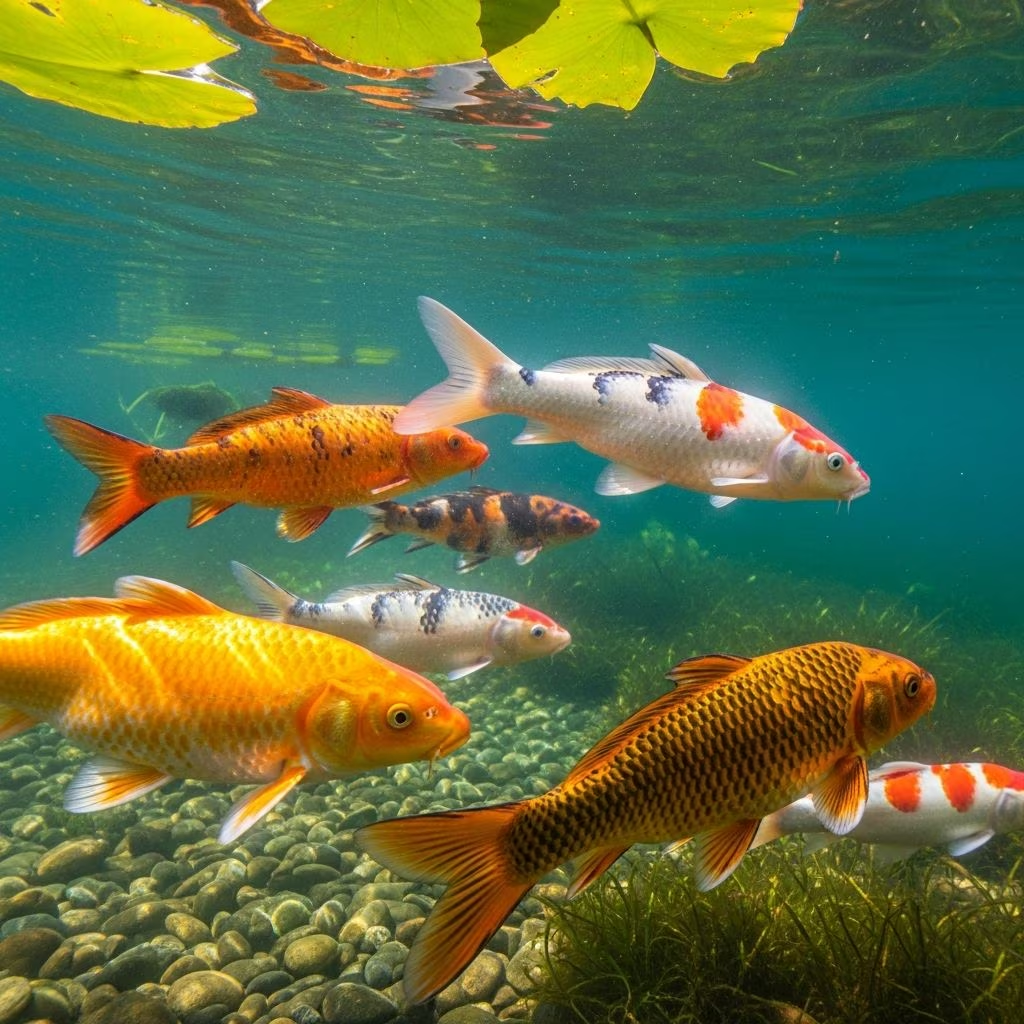
Koi (Cyprinus carpio) are ornamental varieties of carp that have been selectively bred for centuries, particularly in Japan. These intelligent and social fish can live 20 to 40 years or longer in optimal conditions, making them a significant long-term commitment. Koi are known for their vibrant colors, ranging from white, red, orange, and black to various combinations of these hues. They grow relatively large, with some reaching lengths of 2 to 3 feet, which necessitates proper planning when considering pond size and filtration requirements.
Setting Up Your Koi Pond
Pond Size and Depth Requirements
The foundation of successful koi care begins with an appropriately sized pond. A minimum pond size of 1,000 gallons is recommended for keeping koi, though larger ponds are always preferable. Koi produce significant waste, and larger water volumes help dilute this waste more effectively. Pond depth is equally important—maintain a minimum depth of 3 feet to provide koi with adequate space and temperature stability, particularly during winter months when water temperatures drop significantly.
Temperature Considerations
Koi thrive in temperatures ranging from 59 to 77 degrees Fahrenheit, with an ideal range between 65 and 75 degrees. These fish are cold-water species capable of surviving temperatures as low as 35 degrees, though extreme fluctuations stress them. In summer, provide shade structures or aquatic plants to prevent overheating. During winter, ensure your pond is deep enough to maintain stable water temperatures in the deeper zones where koi can retreat during freezing weather.
Water Quality Management
Maintaining excellent water quality is the cornerstone of koi health. Poor water conditions lead to stress, disease, and premature death. Regular testing and management of water parameters are non-negotiable aspects of koi care.
Essential Water Parameters
Monitor these critical water quality measurements regularly:
pH Levels: Koi prefer slightly alkaline water with a pH between 7.0 and 8.0. Use buffers to raise pH and acids to lower it as needed, maintaining stable pH through regular testing.
Ammonia and Nitrite: Both ammonia and nitrite should be at 0 ppm (parts per million). These toxic compounds are produced by fish waste and decomposing organic matter. Proper filtration and beneficial bacteria colonies are essential for converting these substances into less harmful nitrate.
Nitrate: While not immediately toxic like ammonia and nitrite, nitrate accumulates over time and should be kept below 40 ppm through regular water changes.
Dissolved Oxygen: Koi require adequate dissolved oxygen, typically maintained through aeration and water circulation. Lack of oxygen can be fatal for your fish.
Water Testing and Maintenance
Test water quality after adding new fish or making pond changes. Replace water test kits yearly to ensure accuracy. Perform routine water changes of 10 to 25 percent of the pond’s total volume every two to four weeks, using dechlorinated water at matching temperatures and salinity levels. During the critical first 14 to 21 days after receiving new koi, perform more frequent water changes every 2 to 3 days if using a quarantine tank without a filtration system.
Filtration Systems
Types of Filtration
A quality filtration system is essential for maintaining water clarity and chemical balance. Look for systems that provide both mechanical and biological filtration:
Mechanical Filtration: Removes solid waste such as fish excrement, uneaten food, and debris. This physical filtration prevents organic matter from decomposing in the pond and degrading water quality.
Biological Filtration: Beneficial bacteria colonies convert toxic ammonia into nitrite and then into less harmful nitrate. This biological process requires adequate surface area for bacterial colonization and stable conditions to maintain bacterial health.
UV Filtration: Ultraviolet filters destroy algae spores and harmful microorganisms using UV light. UV filters help maintain clear water and prevent pond water from turning green. Clean UV filters regularly and replace them at least annually or according to manufacturer recommendations.
Filtration and Circulation
Pair your filtration system with a pond pump to ensure proper water circulation. Since koi are slow-moving fish, maintain slow water circulation that mimics their natural habitat without creating strong currents that stress them. The pump size should match your pond volume and filtration system requirements—consult manufacturer specifications for proper sizing.
Filter Media Care
Replace or rinse filter media monthly, or adjust frequency based on water conditions and fish population. Never use hot water, bleach, or chemicals when cleaning filter media, as these destroy the beneficial bacteria essential for biological filtration. Instead, rinse media in old tank water during water changes to preserve bacterial colonies. Avoid replacing all filter media simultaneously, as this removes crucial bacteria needed for maintaining a stable aquatic environment.
Feeding Your Koi
Feeding Schedules by Season
Koi feeding requirements change with water temperature, as their metabolism fluctuates seasonally:
Below 55°F: Feed koi every few days due to their significantly slower metabolism. High-protein foods can cause digestive stress in cold water.
55°F to 70°F: Feed once daily with easily digestible foods that won’t overtax their system during temperature fluctuations.
Above 70°F: Feed twice daily as their metabolism increases and they become more active.
Food Types and Quality
Provide high-quality commercial fish food specifically formulated for koi, available in multiple forms including pellets, flakes, frozen and thawed options, and freeze-dried varieties. Ensure frozen food is fully thawed before feeding to prevent digestive issues. Replace your koi’s food bag every six months to maintain nutritional value and freshness.
Feeding Best Practices
Feed only what koi can consume in three to five minutes. Remove any uneaten food within a few hours using a fine-mesh fish net or pond skimmer to prevent water quality deterioration. Overfeeding is a common mistake that leads to excess waste, poor water quality, and health problems like swim bladder disorder.
Introducing New Koi to Your Pond
Quarantine Process
When acquiring new koi, quarantine them in a separate tank for at least 21 days before introducing them to your main pond. This critical step prevents the spread of parasites, bacteria, and diseases to your existing fish. Prepare a quarantine tank with 100 to 300 gallons of capacity, filled with pond water (if your main pond is healthy), dechlorinated water, or well water.
Quarantine Tank Setup
Equip your quarantine tank with an aeration system using an air pump, or ideally, a filtration system for better water quality. Maintain water temperature at 72°F or higher using aquarium heaters if necessary. Add non-iodized salt to achieve a 0.3 percent concentration (3 pounds per 100 gallons) to support immune function during this transition period.
Acclimation and Observation
Upon receiving new koi, float their shipping bag in the pond or quarantine tank for 15 to 20 minutes to equalize temperature. Then gradually mix pond water with the bag water using a 1:1 ratio, repeating this process until the water in the bag matches the pond temperature before gently transferring the fish. This gradual acclimation process minimizes stress and shock. Avoid feeding new koi for the first 24 hours to allow their digestive systems to adjust.
Observe your new koi for 14 to 21 days, watching for signs of stress such as clamped fins, sluggish movement, or unusual behavior. Monitor water quality parameters daily, paying particular attention to ammonia and nitrate levels. Feed with easily digestible foods, and perform partial water changes every 2 to 3 days.
Daily and Weekly Care Routine
Daily Tasks
Establish a consistent daily care routine to maintain optimal pond conditions. Inspect filters and other equipment daily to ensure they’re functioning properly. Check water temperature and observe your fish for signs of disease or stress. Remove any uneaten food and debris from the pond surface. Monitor water clarity and note any unusual changes in fish behavior or appearance.
Water Quality Treatment
Use a water conditioner to remove toxic chemicals like chlorine, chloramines, and heavy metals from any water added to your pond. When adding water, ensure it matches the existing pond’s temperature and salinity to prevent shocking your fish. Test pH regularly and adjust using appropriate buffers or acids as needed.
Seasonal Koi Care
Spring
Spring brings temperature fluctuations that challenge koi. Gradually introduce feeding as water temperatures climb above 50°F. Observe your fish closely for signs of stress or illness caused by the temperature swings. Perform partial water changes to remove debris accumulated during winter and promote overall water quality.
Summer
During summer, feed koi twice daily as water temperatures rise and their metabolism increases. Provide shade to prevent overheating, using aquatic plants, shade structures, or reducing direct sunlight exposure. Increase aeration to maintain adequate dissolved oxygen levels, as warm water holds less oxygen than cool water.
Fall
Gradually reduce feeding as temperatures cool and koi’s metabolism slows. Remove fallen leaves and debris from the pond to prevent water quality degradation. Continue monitoring water parameters and perform necessary maintenance tasks.
Winter
As water temperatures approach freezing, transition to occasional feeding or stop feeding entirely once temperatures drop below 50°F. Maintain adequate aeration to prevent complete icing over of your pond. Ensure your pond’s depth allows koi to retreat to warmer, more stable temperatures at the bottom.
Disease Prevention and Common Health Issues
Prevention Through Water Quality
The best disease prevention strategy is maintaining excellent water quality and a varied, nutritious diet. Parasites and harmful bacteria can be difficult to detect but cause significant stress and illness, particularly if fish have existing injuries.
Common Koi Diseases
Ich (Ick): Characterized by white spots on the body caused by a parasitic infection. Treat with appropriate medication and gradually increase water temperature to accelerate the parasite’s life cycle.
Fin Rot: Usually results from poor water conditions. Ensure water quality remains high and use antibacterial treatments if necessary.
Swim Bladder Disorder: Often caused by overfeeding or poor diet. Fast affected koi for a day and introduce peas to their diet to aid digestion.
Advanced Filtration for Disease Prevention
Consider upgrading your filtration system to include a UV sterilizer for added protection against microscopic pathogens and disease vectors.
Managing Common Pond Problems
Algae Control
Excessive algae can obscure your view of the fish and disrupt the pond’s ecosystem. Control algae by tinting pond water to limit sunlight exposure or adding a small amount of salt (if you don’t have salt-sensitive plants). Ensure your UV filter is functioning properly and regularly maintained.
pH Instability
Maintain stable pH levels through regular testing. Use appropriate buffers to raise pH or acids to lower it as needed, making adjustments gradually to avoid shocking your fish.
Frequently Asked Questions About Koi Fish Care
Q: What is the minimum pond size for keeping koi?
A: A minimum of 1,000 gallons is recommended for koi, though larger ponds are always preferable since koi produce significant waste and require stable water conditions.
Q: How often should I change my koi pond water?
A: Perform partial water changes of 10 to 25 percent of your pond’s total volume every two to four weeks to maintain water quality and remove accumulated waste.
Q: Can I keep koi indoors in an aquarium?
A: While koi can technically survive indoors, they require very large aquariums (1,000+ gallons), powerful filtration, and significant space. Outdoor ponds are generally more suitable for their long-term health and natural behavior.
Q: How long do koi fish live?
A: With proper care, koi can live 20 to 40 years or longer, making them a long-term commitment that rivals that of some dog breeds.
Q: What temperature should my koi pond be?
A: Koi thrive between 65 and 75 degrees Fahrenheit, though they can survive temperatures ranging from 35 to 77 degrees. Extreme fluctuations cause stress.
Q: How do I acclimate newly purchased koi to my pond?
A: Float their shipping bag in your pond for 15 to 20 minutes, then gradually mix pond water with bag water in a 1:1 ratio several times before gently transferring the fish to prevent shock.
Q: Should I quarantine new koi before adding them to my pond?
A: Yes, quarantine new koi in a separate tank for at least 21 days to prevent the spread of diseases and parasites to your existing fish population.
Q: What type of filtration system do koi need?
A: Koi require both mechanical and biological filtration, paired with a pond pump for circulation. Adding UV filtration provides additional protection against algae and pathogens.
References
- Koi Stress Recovery and Koi Care After Transport — Kodama Koi Farm. 2025. https://www.kodamakoifarm.com/koi-care-after-receiving/
- Koi Fish Care Sheet — PetMD. 2025. https://www.petmd.com/fish/koi-fish-care-sheet
- Comprehensive Guide to Koi Carp Care, Types, and Breeding Tips — Aqua-Fish.net. 2025. https://en.aqua-fish.net/articles/care-koi-carp-including-varieties-breeding-along-discussion
- Mastering Koi Pond Care: A Comprehensive Guide to Common Problems and Solutions — Garden State Koi. 2025. https://gardenstatekoi.com/mastering-koi-pond-care-a-comprehensive-guide-to-common-problems-and-solutions/
- Koi Fish Care & Pond Guide — PetSmart Learning Center. 2025. https://www.petsmart.com/learning-center/fish-care/koi-fish-care-and-pond-guide-tips-for-caring-for-your-koi-fish/A0017.html
- Keeping Koi and Pond Fish: 3 Basic Rules — Aquascape, Inc. 2025. https://www.aquascapeinc.com/water-gardening/pond-fish/keeping-koi-and-pond-fish-3-basic-rules
- The Ultimate Guide to Caring for Your Koi Fish — Koi Fish USA. 2025. https://koifishusa.com/blogs/koi-fish/the-ultimate-guide-to-caring-for-your-koi-fish



