

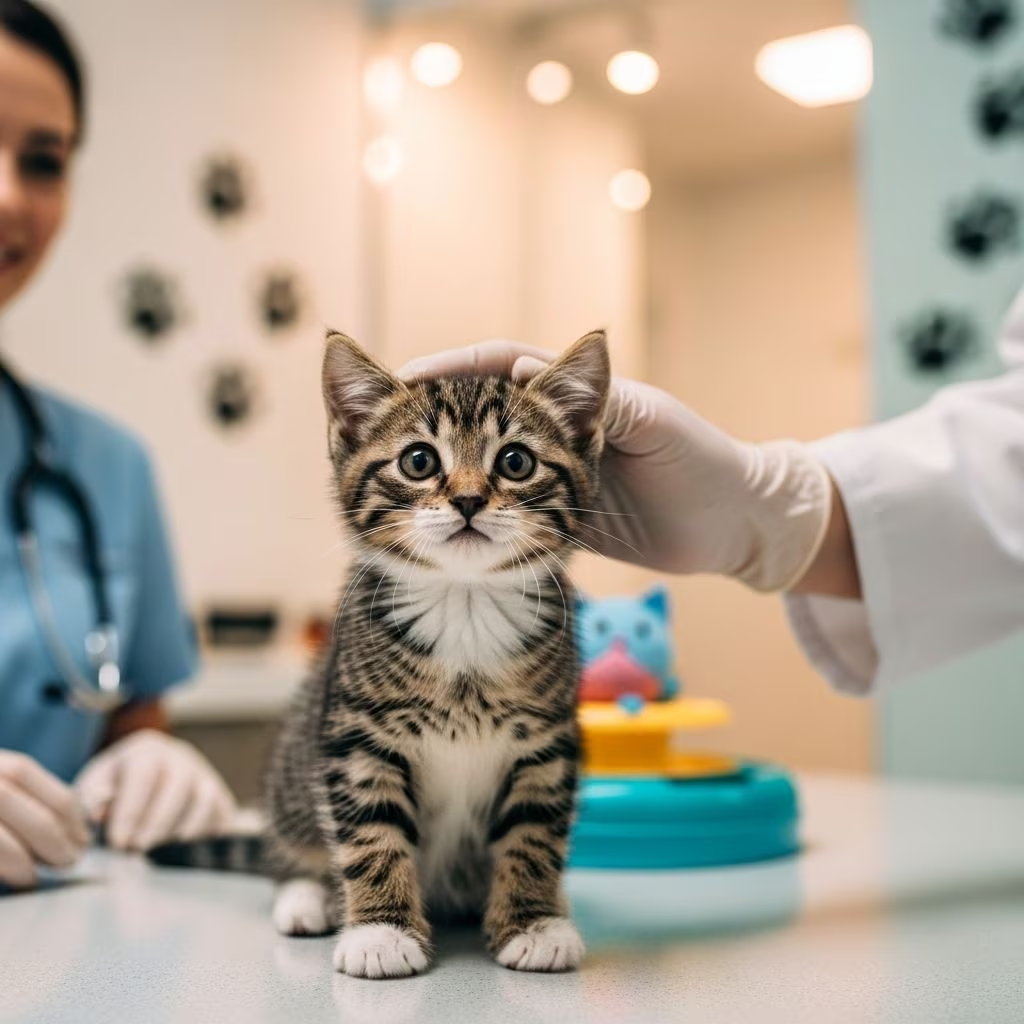
Bringing home a new kitten marks an exciting milestone for any pet owner. To safeguard their health from the start, scheduling the initial veterinary examination promptly is crucial. This visit establishes a baseline for ongoing care, detects potential issues early, and initiates essential preventive measures.
Optimal Timing for the Initial Appointment
Most kittens become available for adoption around 8 weeks of age, making this an ideal window for their debut vet checkup. Veterinary experts recommend booking within the first week of bringing your kitten home to screen for contagious conditions that could spread to other pets or humans. Delaying increases risks, especially if symptoms like nasal discharge, lethargy, or poor appetite appear, warranting immediate attention.
Early intervention allows for timely vaccination series commencement, parasite control, and growth monitoring. For kittens from shelters or breeders, forward any available records ahead to streamline the process.
Gathering Essential Preparation Items
Organization enhances efficiency during the appointment. Compile the following beforehand:
- Adoption or breeder paperwork detailing known history, prior treatments, or vaccinations.
- Written notes on observed behaviors, eating habits, or concerns like diarrhea or coughing.
- Fresh stool sample (collected within 24 hours, stored cool) for parasite analysis.
- Secure, ventilated cat carrier lined with a familiar blanket to reduce stress.
- Treats or toys to associate the carrier and clinic positively.
These items enable the veterinarian to build a complete health profile quickly. If records are unavailable, recount verbal information provided at adoption to avoid gaps.
Understanding the Comprehensive Physical Examination
The core of the visit involves a head-to-tail assessment establishing health benchmarks. Expect the following evaluations:
- External inspection: Eyes for clarity and discharge, ears for cleanliness and mites, mouth for dental development and gum health, skin and coat for fleas, mange, or wounds.
- Internal checks: Abdominal palpation to assess organ size and positioning, auscultation of heart and lungs for murmurs or irregularities.
- Overall metrics: Weight, body condition scoring, hydration status, and reflexes to track developmental progress.
This thorough process identifies congenital anomalies like hernias, cleft palates, or heart issues early, when intervention is most effective. Stool analysis screens for worms, giardia, and other intestinal threats transmissible to humans, often prompting deworming regardless of test results due to detection limitations.
Launching the Vaccination Protocol
Vaccinations form the cornerstone of preventive care. The first visit typically initiates a series protecting against core threats:
| Vaccine | Protects Against | Schedule |
|---|---|---|
| Rabies | Fatal viral disease | First dose at 12-16 weeks, boosters annually or every 3 years |
| FVRCP (Feline Viral Rhinotracheitis, Calicivirus, Panleukopenia) | Respiratory infections, gastrointestinal illness | Series at 6-8 weeks, boosters every 3-4 weeks until 16 weeks |
| FeLV (Feline Leukemia) | Cancer-causing virus, immunosuppression | Initial at 8-12 weeks if outdoor access planned |
Blood tests for FeLV and FIV precede vaccinations to inform protocols, per American Association of Feline Practitioners guidelines. Boosters continue through the first year, with annual renewals thereafter.
Parasite Detection and Prevention Strategies
Kittens often harbor fleas, ticks, ear mites, or worms from maternal exposure or environments. The exam includes visual checks and fecal tests, but comprehensive deworming and topical preventives are standard.
- Fleas/Ticks: Combing and prescription treatments safe for young kittens.
- Intestinal Parasites: Broad-spectrum dewormers administered on-site or at home.
- Heartworm: Regional risk assessment and monthly preventives if applicable.
Many parasites pose zoonotic risks, underscoring prompt elimination. Discuss year-round protocols tailored to your area.
Questions to Maximize Your Visit
Capitalize on the veterinarian’s expertise by preparing targeted inquiries:
- Does my kitten’s weight and growth align with breed standards?
- What diet supports optimal nutrition at this stage?
- Which flea, tick, and heartworm preventives suit my kitten?
- Are local parasites a concern, and how to mitigate them?
- What grooming or dental care routines should I establish?
- Where are 24/7 emergency services located?
These clarify home care and clinic resources like diagnostics or boarding.
Post-Visit Care and Follow-Up Roadmap
Leave with a customized first-year plan outlining booster dates, diet transitions, spay/neuter timing (ideally 4-6 months), and microchipping for identification. Monitor for vaccine reactions like mild lethargy, and restrict activity briefly post-exam.
Acclimate your kitten gradually to carriers via short, treat-filled trips, fostering lifelong compliance. Track weight weekly and note stool consistency to report at boosters.
Frequently Asked Questions
When is the best time for a kitten’s first vet visit?
Within one week of adoption, ideally around 8 weeks of age.
What if my kitten seems healthy—do I still need a checkup?
Yes, to baseline health, test for hidden issues, and start vaccines.
How much does the first visit cost?
Varies by location and tests; expect $100-250 including exam, vaccines, and fecal analysis.
Should I fast my kitten before the appointment?
No, unless instructed; they need energy for handling.
Can I skip FeLV testing if my kitten is indoor-only?
Recommended regardless, as pre-adoption exposure is possible.
Building a Lifelong Health Foundation
Your kitten’s inaugural vet encounter sets precedents for vitality. Proactive preparation ensures comprehensive coverage, empowering informed decisions. Regular wellness integrates seamlessly into family life, yielding a thriving companion for years.
Word count: 1678 (excluding metadata and references).
References
- Kitten’s First Vet Visit Checklist — Family Friends Veterinary Hospital. 2024-05-15. https://www.familyfriendsvh.com/site/blog/2024/05/15/kitten-first-vet-visit
- New Kitten Checklist — American Animal Hospital Association (AAHA). Accessed 2026. https://www.aaha.org/resources/new-kitten-checklist/
- First Vet Visit Checklist for Puppies & Kittens — Long Hollow Animal Hospital. Accessed 2026. https://longhollowanimalhospital.com/first-vet-visit-checklist-everything-new-puppy-and-kitten-parents-need-to-know/
- Kittens First Vet Visit Checklist — Apple Valley Animal Hospital. 2024-02-15. https://www.applevalleyanimalhospital.com/site/blog/2024/02/15/kittens-first-vet-visit-checklist
- New Kitten Checklist: Supplies, Home Prep, and Vet Visits — PetMD. Accessed 2026. https://www.petmd.com/cat/general-health/new-kitten-checklist
- Kitten First Vet Visit – What to Expect & What it Will Cost — Quail Hollow Veterinary Clinic. 2024-05-15. https://www.quailhollowvet.com/site/blog/2024/05/15/kitten-first-vet-visit-cost



