

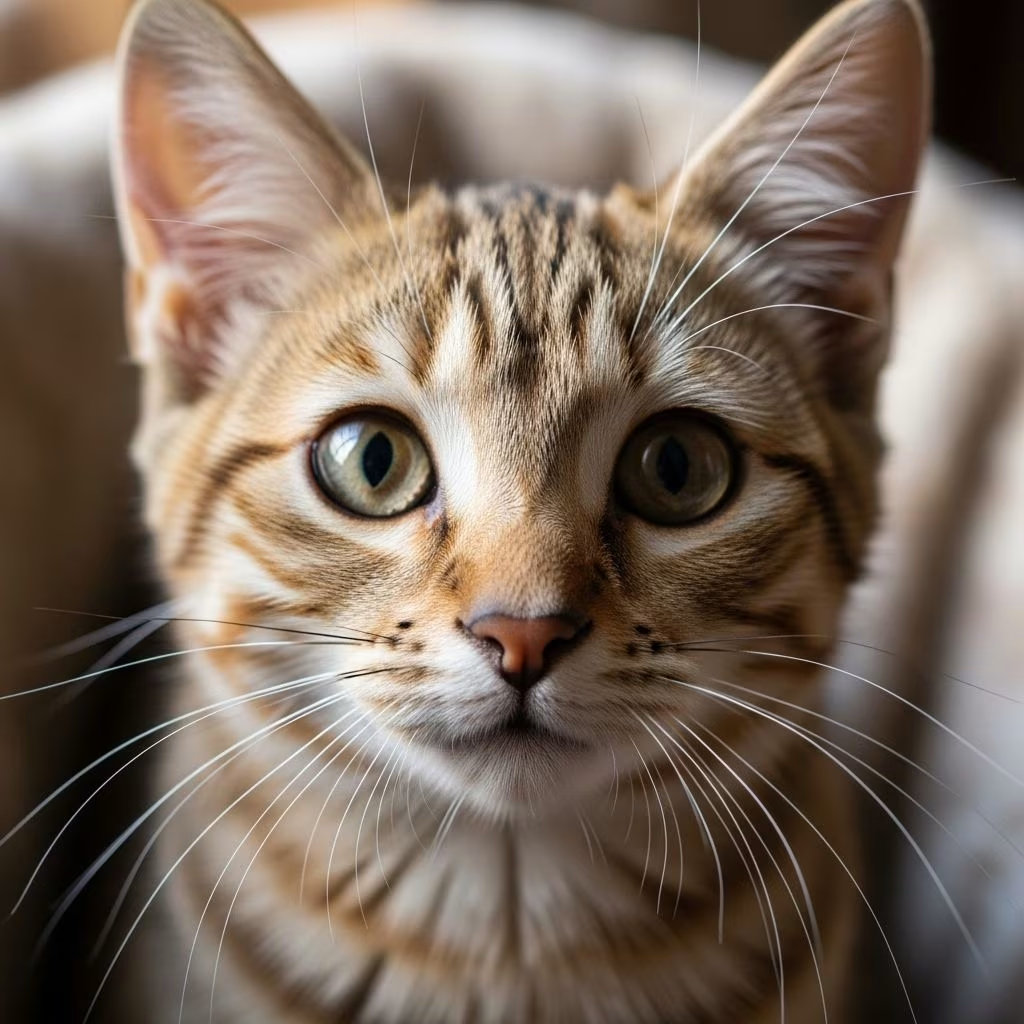
Kittens are naturally curious and energetic creatures, constantly exploring their environment and engaging in playful activities. During this phase of growth and discovery, you might notice that your kitten’s whiskers appear damaged, frayed, or shortened. While this observation can initially cause concern, it’s important to understand that whisker breakage in kittens is not uncommon and often has straightforward explanations. Whiskers serve critical functions for your feline companion, acting as sophisticated sensory organs that help them navigate their world with precision and confidence.
When whiskers become damaged or break, it can temporarily affect your kitten’s spatial awareness and movement coordination. However, understanding the underlying causes of whisker damage empowers you to identify whether the issue is a minor concern or warrants professional veterinary attention. This comprehensive guide explores the various factors that contribute to broken whiskers in kittens and provides practical solutions to protect these vital sensory tools.
The Essential Role of Whiskers in Feline Development
Whiskers, scientifically known as vibrissae, are far more than decorative facial features on cats. These specialized hairs contain proprioceptors—sensory nerve endings that continuously send information to your kitten’s brain about their body position relative to surrounding objects and space. This sensory feedback system allows your kitten to move confidently through narrow spaces, hunt effectively, and maintain their balance during complex maneuvers.
For growing kittens, whiskers are particularly important as they develop motor skills and learn to navigate their environment safely. Damage to whiskers temporarily diminishes this sensory input, potentially affecting your kitten’s agility and confidence. This is why monitoring your kitten’s whisker condition and addressing damage promptly is a responsible aspect of pet ownership.
Primary Causes of Whisker Breakage in Young Cats
Physical Exertion and Active Play
Young kittens are bundles of energy, constantly engaging in jumping, climbing, pouncing, and wrestling activities. During enthusiastic play sessions, whiskers can become caught, bent, or broken against furniture, toys, or other kittens. This is particularly common in multi-cat households where kittens play-fight with littermates or older cats. The breakdown occurs naturally as whiskers contact sharp edges or experience pressure during these interactions.
Most breakage from play is superficial and poses no serious health threat. The whisker will eventually shed naturally and be replaced by a new, healthy one. Unless your kitten displays concerning behavioral changes such as sudden aggression, unusual lethargy, or appetite loss, physical damage from play typically requires no intervention beyond observation.
Accidental Injury and Trauma
Beyond routine play, kittens can suffer accidental impacts that affect their whiskers. Falls from furniture, collisions with doors or walls, or being stepped on accidentally are common household mishaps for indoor kittens. Even minor face trauma can result in whisker breakage or bending. In these situations, the damaged whisker typically falls out within a few days to weeks, and the growth cycle produces a replacement.
If you suspect your kitten has experienced significant facial trauma—particularly if accompanied by swelling, discharge, or behavioral changes—veterinary evaluation is recommended to rule out underlying injuries beyond whisker damage.
Nutritional and Metabolic Factors
The strength and integrity of whiskers depends significantly on your kitten’s overall nutritional status. Deficiencies in essential nutrients, particularly protein, omega fatty acids, and specific vitamins and minerals, can compromise whisker structure and make them prone to breakage. Kittens with poor-quality diets may develop brittle, weak whiskers that break easily even with minimal contact.
Additionally, metabolic conditions, chronic illnesses, and severe stress or anxiety can negatively impact hair growth and strength, including whisker quality. If you notice that most or all of your kitten’s whiskers appear brittle and damaged simultaneously, this warrants veterinary investigation to assess nutritional status and identify any underlying health concerns.
Deliberate Whisker Removal and Chewing
Some kittens develop behavioral habits of chewing or pulling out their own whiskers, a behavior sometimes associated with stress, boredom, or skin irritation. Environmental enrichment and play opportunities can help reduce stress-related behaviors. If your kitten appears to be deliberately chewing whiskers and shows signs of compulsive behavior, veterinary consultation is advisable to identify any underlying triggers or skin conditions.
Infectious Skin Conditions
Fungal and bacterial infections represent more serious causes of whisker loss and breakage. Ringworm, a common fungal infection in kittens, affects the keratin structure of hair shafts, causing whiskers to become weak and break or fall out. Infected kittens typically display additional symptoms including crusted or scaly skin patches, circular hair loss patterns, and sometimes itching.
Bacterial skin infections can similarly result in whisker damage, particularly if infection develops in areas near the face. Cats with acne may experience whisker loss due to inflamed follicles around the chin and lower face. These infections often develop when kittens use plastic food or water bowls that harbor bacteria in microscopic cracks and scratches. Switching to stainless steel, ceramic, or glass feeding vessels can prevent bacterial accumulation and reduce acne development.
Environmental Factors Contributing to Whisker Damage
Housing and Space Considerations
Your kitten’s living environment significantly impacts whisker integrity. Wire or mesh cages, rough textured surfaces, or sharp edges throughout the home can catch and break delicate whiskers. Providing soft bedding and smooth-surfaced furniture reduces the likelihood of accidental whisker damage. Regularly inspect your kitten’s favorite spaces for potential hazards like exposed wiring, rough corners, or items with sharp protrusions.
Toy Selection and Play Equipment
The toys you provide your kitten should be soft enough to prevent whisker damage during play. Hard, sharp, or roughly textured toys can injure whiskers during enthusiastic interaction. Opt for toys made from soft materials, and supervise play to ensure your kitten uses them safely.
Health Conditions Associated with Whisker Loss
Allergic Reactions
Environmental and food allergies can trigger whisker loss in kittens. Allergens such as grass pollen, mold, or specific food ingredients can cause irritation leading to excessive scratching around the face and whisker area. Allergic kittens often display additional symptoms including sneezing, coughing, red or dry skin, and watery eyes. Managing allergies through dietary adjustments or environmental modification helps prevent whisker damage related to chronic scratching.
Parasitic Infestations
Mites and other parasites can infect the skin around whisker follicles, causing intense itching and leading to hair loss and breakage. Kittens may scratch so vigorously that they damage whiskers in the process. Veterinary treatment with appropriate antiparasitic medications resolves these issues and prevents ongoing whisker damage.
Does Whisker Breakage Cause Pain?
A common concern among kitten owners is whether broken whiskers cause pain to their pet. The answer is reassuring: breaking a whisker does not inherently cause pain, similar to cutting human hair. Whiskers themselves contain no pain receptors in the hair shaft. However, if breakage results from injury or infection affecting the skin beneath, your kitten may experience discomfort in the affected area.
The primary concern with whisker damage is not pain but temporary sensory disruption. Without full, intact whiskers, your kitten experiences reduced spatial awareness and may move less confidently until replacement whiskers fully develop.
Recognition and Monitoring Protocol
| Symptom or Indicator | Likely Cause | Recommended Action |
|---|---|---|
| One or two short, broken whiskers | Normal play or minor trauma | Monitor; whisker will regrow naturally |
| Multiple broken whiskers on one side | Injury, infection, or nutritional issue | Veterinary consultation recommended |
| All whiskers appearing brittle and breaking easily | Nutritional deficiency or systemic illness | Schedule veterinary evaluation promptly |
| Broken whiskers accompanied by skin lesions or crusting | Fungal or bacterial infection | Immediate veterinary care needed |
| Whisker loss with excessive scratching or head shaking | Allergies, parasites, or skin condition | Veterinary assessment required |
Prevention Strategies for Whisker Health
- Provide appropriate, soft toys designed for kittens that won’t damage delicate facial structures
- Maintain a safe living environment free from sharp edges, wire cages, and rough surfaces
- Feed high-quality kitten food formulated to support healthy hair and skin development
- Use stainless steel, ceramic, or glass food and water bowls instead of plastic
- Provide regular environmental enrichment and play opportunities to reduce stress and boredom
- Monitor your kitten’s behavior for signs of skin irritation or compulsive whisker-chewing
- Keep your kitten’s living space clean to reduce fungal and bacterial contamination
- Schedule regular veterinary check-ups to identify health issues early
When Professional Veterinary Care Is Necessary
While many instances of broken whiskers resolve naturally without intervention, certain situations warrant professional evaluation. Contact your veterinarian if your kitten displays any of the following:
- Sudden widespread whisker loss affecting multiple whiskers simultaneously
- Whisker damage accompanied by behavioral changes, lethargy, or appetite loss
- Visible skin lesions, crusting, or discharge near the whisker area
- Signs of infection such as swelling, redness, or pus
- Persistent scratching, head shaking, or signs of discomfort
- Whisker breakage following visible injury or trauma to the face
- Failure of whiskers to regrow after several weeks
Recovery and Whisker Regrowth Timeline
Cat whiskers follow a natural growth cycle similar to other hairs. Once a whisker breaks or falls out, a replacement typically begins growing within a few days to a few weeks, depending on your kitten’s age, health status, and nutritional intake. Young, healthy kittens generally regenerate whiskers relatively quickly. During the regrowth period, your kitten may exhibit slightly reduced spatial confidence, so minimize hazardous situations in the home environment.
Supporting whisker regrowth involves ensuring proper nutrition, minimizing stress, and maintaining a clean, safe living space. High-quality kitten food provides the nutrients necessary for healthy hair development and growth.
Frequently Asked Questions
Can I trim my kitten’s whiskers to make them look better?
It is not recommended to trim or cut your kitten’s whiskers intentionally. Doing so compromises their sensory function and can cause temporary disorientation. Allow whiskers to break naturally and regrow on their own timeline.
How long does it take for broken whiskers to regrow?
Whisker regrowth typically takes several weeks to a few months, depending on your kitten’s overall health, age, and nutrition. Healthy young kittens generally experience faster regrowth than older cats.
Should I be alarmed if my kitten has one broken whisker?
One or two broken whiskers is usually not cause for concern, especially if your kitten appears healthy and active otherwise. This commonly results from normal play and exploration.
What type of food supports healthy whisker growth?
High-quality kitten food containing adequate protein, omega-3 and omega-6 fatty acids, and essential vitamins and minerals supports healthy whisker development. Consult your veterinarian for specific dietary recommendations.
Can stress cause whisker breakage?
Yes, chronic stress can negatively impact hair growth, including whisker integrity. Environmental enrichment, appropriate play, and stress reduction help maintain healthy whiskers.
Conclusion: Supporting Your Kitten’s Sensory Health
Broken or damaged whiskers in kittens are a common occurrence that usually resolves without significant intervention. By understanding the various causes—from playful exertion to underlying health conditions—you can effectively monitor your kitten’s whisker health and take appropriate action when necessary. Maintaining a safe, enriching environment, providing quality nutrition, and scheduling regular veterinary check-ups form the foundation of comprehensive kitten care that includes whisker protection.
While most whisker damage resolves naturally through the normal hair growth cycle, any significant or persistent whisker loss warrants professional evaluation to rule out underlying health concerns. By remaining attentive to your kitten’s overall wellbeing and whisker condition, you support their development into a confident, healthy adult cat with fully functional sensory systems.
References
- Why Are My Cat’s Whiskers Breaking? 5 Vet-Verified Reasons — Hepper. 2024. https://articles.hepper.com/why-are-my-cats-whiskers-breaking/
- My kitten’s whiskers look broken off — Dial A Vet. 2024. https://www.dialavet.com/vet-answers/kitten-whiskers-look-broken-off-149102
- Whisker Loss in Cats: Is it Normal for My Cat to Shed its Whiskers? — Lincoln Way Veterinary Clinic. 2024. https://lincolnwayvet.com/blog/whisker-loss-in-cats/



