

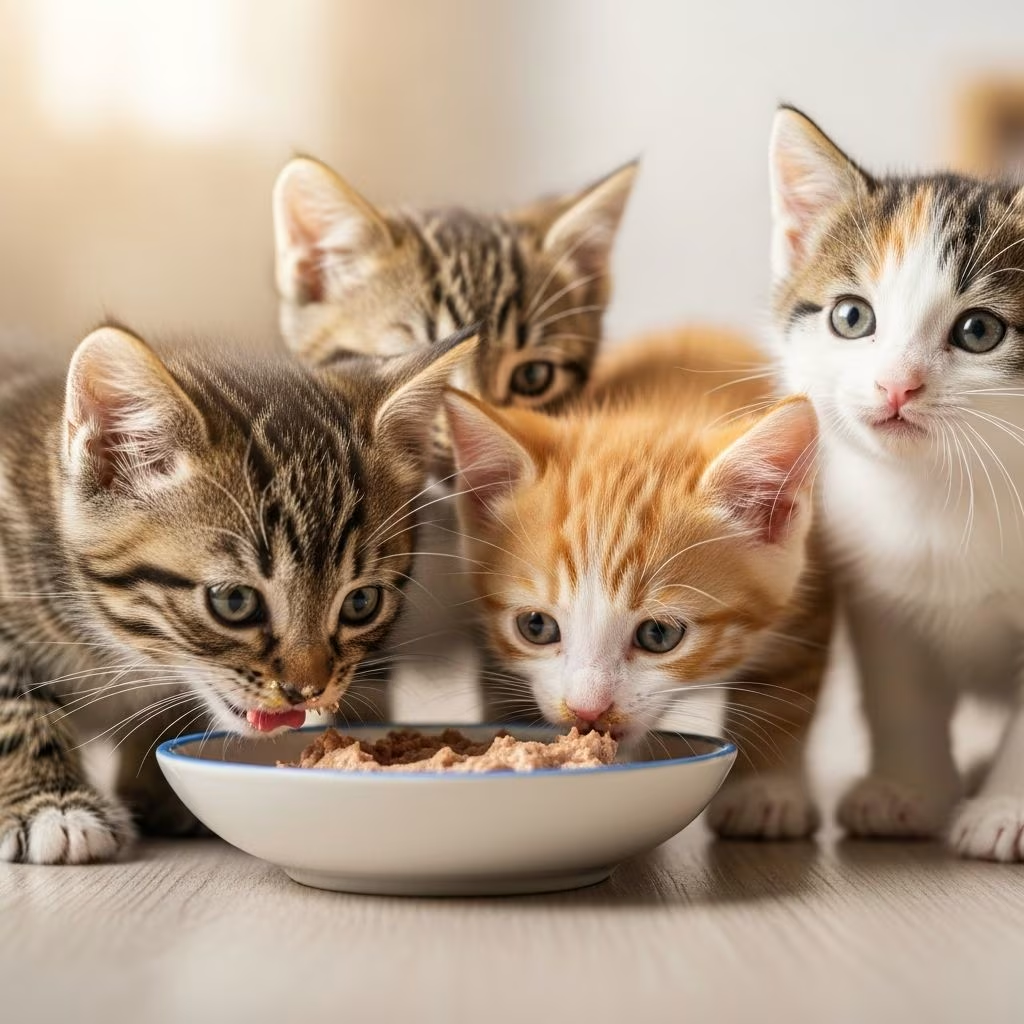
One of the most significant milestones in a kitten’s early life is the transition from maternal nutrition or formula to eating solid foods independently. This developmental phase, known as weaning, represents a critical period where kittens begin to explore new food sources and develop eating habits that will sustain them throughout their lives. Understanding the proper timing, methods, and nutritional requirements for this transition ensures that young felines develop properly and establish a foundation for lifelong health.
Understanding the Weaning Timeline: When Kittens Are Ready
The journey toward independent eating begins at different times for different kittens, though veterinary professionals have identified clear developmental markers that indicate readiness. Most kittens show signs of readiness between three and five weeks of age, with four weeks being the most common starting point for introducing supplementary foods.
Determining whether your specific kitten is prepared for this transition requires careful observation of physical and behavioral development. Kittens that are ready to begin weaning typically display the following characteristics:
- Increased mobility and the ability to stand steadily on all four legs while maintaining balance
- Emergence of deciduous (baby) teeth, particularly canines and incisors that are visible when examining the mouth
- Enhanced curiosity about their environment, including investigation of their mother’s food or formula bowls
- Greater engagement in playful activities with littermates or caregivers
- The capacity to focus their eyes and track objects or movement
It is equally important to recognize signs that a kitten is not yet developmentally ready. If a kitten cannot stand independently, shows little interest in play, or appears unable to focus their gaze, continuing with exclusive nursing or bottle feeding remains the appropriate choice. Attempting to wean a kitten before they demonstrate these developmental markers can result in nutritional deficiencies and digestive complications.
Orphaned Kittens and Accelerated Weaning
Kittens that have lost their mother or were abandoned require a different approach to weaning. Orphaned kittens can begin the weaning process as early as three weeks of age to encourage independence and self-sufficiency with solid foods. This earlier introduction to supplementary nutrition helps ensure that orphaned kittens do not develop an excessive reliance on bottle feeding and become confident in consuming foods from a dish or bowl.
Caregivers of orphaned kittens should remain especially vigilant during this period, monitoring weight gain and food consumption to verify that the transition is progressing appropriately. If an orphaned kitten fails to consume adequate quantities of solid food or does not gain weight consistently, supplemental bottle feedings should continue until the kitten demonstrates mastery of eating solid foods.
The Duration of Weaning: From Introduction to Independence
The weaning process is not instantaneous but rather unfolds over a measured period. The complete transition from nursing or bottle feeding to exclusive solid food consumption typically requires between four and six weeks, with most kittens achieving full independence by eight to ten weeks of age. However, individual variation is substantial, and some kittens may require additional time based on their health status, size, or personal preferences.
Rather than viewing weaning as a rigid timeline, caregivers should recognize it as a flexible process that respects each kitten’s developmental pace. Rushing this transition or attempting to accelerate the process can result in digestive upset, poor nutritional intake, and behavioral stress for the kitten.
Preparing the Environment for Successful Weaning
Creating an appropriate physical environment plays a foundational role in successful weaning. When transitioning kittens nursing from their mother, gradually separating the mother cat and kittens for progressively longer intervals encourages independence and reduces the kitten’s reliance on maternal nursing.
Initial separations should last approximately one hour and should coincide with typical feeding times. This approach allows the mother cat to naturally participate in the weaning process while the kittens become accustomed to consuming solid foods without maternal milk being immediately available.
Both the mother cat and her kittens should have access to separate designated areas equipped with essential resources:
- Individual litter boxes placed away from food and water sources
- Fresh water bowls that are cleaned and refilled multiple times daily
- Age-appropriate food served in shallow dishes suitable for small mouths
- Comfortable resting areas where each cat can retreat undisturbed
Selecting Appropriate Foods for Weaning Kittens
The nutritional requirements of growing kittens differ significantly from adult cats, necessitating careful food selection during the weaning process. All foods introduced to weaning kittens should be specifically formulated for growing kittens and meet nutritional standards established by the Association of American Feed Control Officials (AAFCO).
Kitten-specific formulations provide essential nutrients including taurine, DHA, and appropriate levels of protein and fat necessary for proper neurological development, vision, and growth. Foods that are formulated for adult cats or general feline consumption lack these crucial nutrients and should not be used during weaning.
The weaning process typically begins with soft, easily digestible foods before progressing to dry kibble. Commercial canned kitten food serves as an excellent starting point for introducing solid nutrition. The wet texture makes canned food easier for kittens to consume, and the palatability typically encourages acceptance from kittens transitioning away from liquid nutrition.
Importantly, caregivers should never offer cow’s milk or other dairy products to weaning kittens, as many felines lack sufficient lactase enzymes to properly digest milk and dairy products, resulting in gastrointestinal distress.
Step-by-Step Weaning Process: From Liquid to Solid Nutrition
Phase One: Introducing Semi-Solid Foods
The initial phase of weaning introduces kittens to semi-solid foods that bridge the gap between exclusive liquid nutrition and solid foods. This phase typically begins around four weeks of age and involves creating a mixture that combines kitten formula or warm water with wet kitten food, creating a gruel-like consistency that kittens can lap from a bowl or consume from a spoon.
During this phase, caregivers should:
- Prepare gruel by mixing kitten formula with wet food until achieving a smooth, pourable consistency
- Offer this mixture from a shallow dish multiple times daily, ideally three to four times
- Continue providing bottle or nursing sessions to ensure adequate nutritional intake
- Monitor consumption and adjust serving sizes based on the kitten’s appetite and growth
- Replace uneaten gruel every three to four hours to maintain freshness and food safety
Phase Two: Transitioning to Canned Food
Once a kitten demonstrates comfort with gruel and begins consuming noticeable quantities, the ratio of formula to wet food gradually shifts. The proportion of canned food should be incrementally increased while reducing the amount of formula until the kitten is consuming primarily wet food.
This transition should occur gradually over several days to a week, allowing the kitten’s digestive system to adjust to increasingly solid foods. Abrupt dietary changes can result in vomiting, diarrhea, or loss of appetite.
When the kitten is approximately five to six weeks old and readily consuming canned food independently, bottle or nursing sessions can typically be discontinued, provided the kitten is consuming recommended quantities of solid food and gaining weight consistently.
Phase Three: Introducing Dry Kibble
The introduction of dry kibble represents the final major dietary transition in the weaning process. This phase typically begins when kittens are five to six weeks old, approximately one week after they have demonstrated comfort with wet food.
During this phase, caregivers should create a mixture combining kitten-formulated dry food with warm water or kitten formula, gradually increasing the proportion of dry food while reducing the liquid component. The transition to dry kibble should be largely complete by eight weeks of age, though individual variation is normal.
Throughout this transition, maintain consistent availability of fresh water in shallow bowls designed for easy kitten access. Some kittens naturally prefer slightly moistened kibble even after fully transitioning to solid foods, and this preference should be accommodated rather than forced toward exclusive dry food consumption.
Feeding Frequency and Portion Guidelines During Weaning
Kittens’ metabolic demands during growth exceed those of adult cats, requiring more frequent feeding and larger caloric intake relative to body weight. The appropriate feeding frequency varies based on the kitten’s age and progress through the weaning phases:
| Age Range | Feeding Frequency | Primary Food Type | Supplemental Nutrition |
|---|---|---|---|
| 4-5 Weeks | 3-4 Times Daily | Gruel (Formula + Wet Food) | Bottle or Nursing Sessions |
| 5-6 Weeks | 3-4 Times Daily | Primarily Wet Food | Formula if Needed |
| 6-8 Weeks | 3-4 Times Daily | Wet + Dry Food | Free Access to Food |
| 8+ Weeks | 3-4 Times Daily | Wet + Dry Food | Free Access to Water |
Food should remain available for kittens to access throughout the day, with fresh portions offered multiple times daily. Kittens require consistent nutrition to support their rapid growth and high energy expenditure during play and exploration.
Monitoring Progress and Troubleshooting Common Challenges
Successful weaning requires ongoing observation and adjustment. Caregivers should regularly assess the following indicators to ensure the transition is progressing appropriately:
- Weight Gain: Kittens should demonstrate consistent weight gain during weaning. A kitten that fails to gain weight may require additional formula supplementation or evaluation by a veterinarian.
- Appetite and Consumption: Observe how much solid food each kitten consumes at each feeding. Kittens showing minimal interest in solid foods may need additional time or warrant veterinary consultation.
- Digestive Health: Monitor stool consistency and frequency. Loose stools or diarrhea may indicate too-rapid dietary transition or food intolerance.
- Energy Levels: Growing kittens should remain playful and active. Lethargy or unusual behavior may signal nutritional inadequacy or health concerns.
- Feeding Behavior: Assess whether kittens are learning to eat from dishes independently and showing decreased interest in bottle feeding.
If a kitten demonstrates poor appetite, fails to gain weight, or experiences digestive distress, caregivers should not hesitate to resume supplemental bottle or nursing sessions while continuing to offer solid foods. The weaning timeline should remain flexible and responsive to each individual kitten’s needs rather than adhering rigidly to age-based expectations.
Practical Feeding Strategies for Multiple Kittens
Weaning typically involves multiple kittens from the same litter, requiring modified approaches to ensure equitable nutrition distribution. Practical strategies include:
- Providing multiple feeding stations to prevent dominant kittens from monopolizing food resources
- Monitoring individual kitten consumption by observing each cat during feeding time
- Separating kittens briefly if significant size differences result in unequal access to nutrition
- Offering supplemental feedings to smaller or less assertive kittens if needed
Frequently Asked Questions About Kitten Weaning
Q: Can I wean a kitten before four weeks of age?
A: Only if the kitten demonstrates clear signs of developmental readiness, including mobility, visible teeth, and focused vision. Most veterinarians recommend waiting until at least four weeks unless specific circumstances warrant earlier introduction.
Q: What if my kitten refuses to eat solid food?
A: Continue offering solid foods while maintaining bottle or nursing sessions. Some kittens require more time to transition. If refusal persists beyond six weeks, consult a veterinarian to rule out health concerns.
Q: How do I know when weaning is complete?
A: Weaning is complete when a kitten consistently consumes adequate quantities of solid food, gains weight appropriately, shows minimal interest in bottle feeding, and is eating independently from dishes.
Q: Should I use special kitten formula for mixing with solid food?
A: Yes, continue using kitten-formulated products rather than cow’s milk or other substitutes, which can cause digestive upset.
Q: How often should food be replaced during weaning?
A: Fresh food should be offered every three to four hours, and uneaten portions should be removed to maintain food safety and hygiene.
Long-Term Feeding Patterns Following Weaning
Once weaning is complete, kittens should transition to a regular feeding schedule appropriate for their age. Fully weaned kittens should receive three to four meals of wet food daily, with free access to both dry food and fresh water. This feeding pattern supports continued growth and development through the remainder of the kitten stage, typically until twelve months of age.
Maintaining appropriate nutrition during this post-weaning period establishes healthy eating habits and supports the physical development necessary for a long, healthy life.
References
- Weaning a Kitten From Mother’s Milk to Solid Food — WebMD Pets. 2024. https://www.webmd.com/pets/cats/weaning-kitten
- Weaning Kittens: When and How To Introduce Solid Food — PetMD. 2024. https://www.petmd.com/cat/general-health/weaning-kittens
- Weaning Kitten Care Four to Eight Weeks Old — Best Friends Animal Society. https://bestfriends.org/
- Weaning Kittens — Kitten Lady. http://www.kittenlady.org/weaning
- Caring for Kittens from Birth to Eight Weeks — Shelter Medicine, University of Wisconsin. https://sheltermedicine.wisc.edu/library/guidebooks/guide-to-raising-underage-kittens/



