

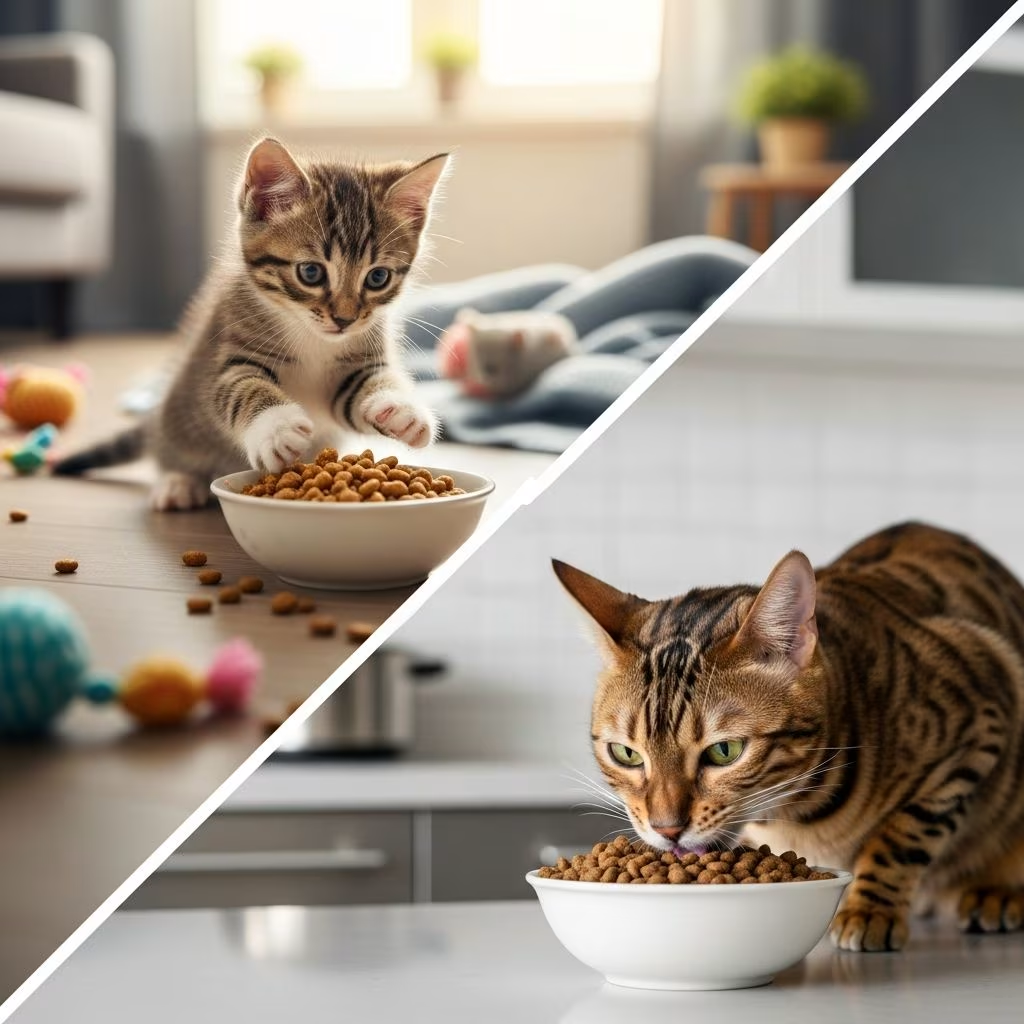
Choosing the right food for your cat depends on its life stage, as kittens and adults have distinct nutritional demands to support growth or maintenance. Kitten formulas provide elevated levels of protein, fat, and calories to fuel rapid development, while adult options focus on balanced sustenance to avoid weight gain.
Why Life-Stage Specific Feeding Matters for Cats
Cats undergo dramatic changes from weaning to maturity, requiring tailored diets. Kittens double or triple their birth weight in weeks, demanding nutrient-dense meals for bone formation, muscle building, and organ development. Adult cats, post-growth, prioritize steady energy and joint support to sustain vitality without excess. Mismatching foods can disrupt health: adult formulas may stunt kitten progress, while kitten food risks adult obesity.
Nutritional Breakdown: What Sets Them Apart
Kitten food exceeds adult varieties in key areas to match high metabolic rates. It boasts higher protein for tissue repair, fats for energy, and additives like DHA for neural growth. Adult food moderates these to promote lean body condition.
| Nutrient | Kitten Food Minimum | Adult Food Minimum | Purpose |
|---|---|---|---|
| Protein | 30% | 26% | Supports growth vs maintenance |
| Fat | Higher (energy-dense) | Moderate | Fuels activity without surplus |
| Calories per Serving | Higher density | Lower density | Promotes development, prevents obesity |
| Calcium | 1% | 0.4% | Bone growth vs density |
| Phosphorus | 0.8% | 0.3% | Skeletal health |
| DHA | Added | Minimal | Brain/vision development |
These standards align with AAFCO guidelines, ensuring complete nutrition. Kitten kibble is smaller and softer for developing jaws, aiding dental transition.
Risks of Feeding the Wrong Food Type
- Kittens on Adult Food: Insufficient calories and protein hinder growth, weaken immunity, and cause digestive upset due to imbalanced minerals.
- Adults on Kitten Food: Excess calories lead to obesity, raising diabetes, arthritis, and heart disease risks—over 60% of cats face weight issues.
Occasional use is tolerable in emergencies, but consistent errors compound problems. All-life-stages formulas offer flexibility if labeled appropriately.
Signs Your Kitten is Ready for Adult Food
Monitor physical cues around 10-12 months: reaching 90% adult size, full permanent dentition, stabilized energy, and robust physique. Larger breeds like Maine Coons may need kitten food up to 15 months. Consult vets for breed-specific timelines to optimize health.
Step-by-Step Transition Process
Abrupt changes provoke picky eating or tummy woes; gradual mixing over 7-10 days minimizes stress.
- Days 1-2: 75% kitten food + 25% adult food.
- Days 3-4: 50% each.
- Days 5-6: 25% kitten + 75% adult.
- Day 7+: 100% adult, adjusting portions for weight.
Observe stool quality and appetite; extend if needed. Wet food eases hydration during shifts.
Understanding Protein, Fat, and Caloric Needs
Protein in kitten diets hits at least 7.5g per 100 kcal versus 6.5g for adults, supplying amino acids like taurine for heart and eye function. Fats provide concentrated energy, crucial for playful kittens burning calories hourly. Caloric density ensures small stomachs meet demands without overfeeding.
Special Additives and Their Roles
- DHA: Omega-3 for cognitive and ocular maturity in kittens.
- Calcium/Phosphorus Balance: Precise ratios prevent skeletal deformities.
- Adult Extras: Glucosamine for joints, fiber for digestion.
Immune boosters like prebiotics appear in both but concentrate in growth formulas.
Form Matters: Dry, Wet, or Mixed Feeding
Kittens favor soft, small kibble or wet food for hydration and palatability during weaning. Adults handle crunchier dry for dental scraping, though mixing prevents urinary issues. Choose based on lifestyle—wet suits indoor cats, dry active ones.
Portion Control and Monitoring Weight
Overfeeding kitten food to adults spikes obesity; use body condition scores—feel ribs without excess fat. Adjust for neuter status, activity, and age. Vets recommend weigh-ins monthly during transitions.
Breed and Health Considerations
Standard cats switch at 12 months; giants like Maine Coons later. Seniors or those with conditions (e.g., renal) need prescription diets post-maturity, not kitten blends. Pregnant/nursing queens revert to kitten formulas temporarily.
Common Myths About Feline Diets
- Myth: All cat food is interchangeable. False—life stages dictate formulations.
- Myth: Kitten food is always better (more nutrients). Excess harms adults.
- Myth: Switch instantly at 1 year. Gradual is safer.
FAQs
Can adult cats eat kitten food occasionally?
Yes, sparingly for emergencies, but monitor weight due to high calories.
What’s the ideal protein level for kittens?
Minimum 30% or 7.5g/100 kcal for growth.
How do I know if my cat is overweight?
Ribs hard to feel, no waist visible—consult vet.
Is wet kitten food better than dry?
Both work; wet aids hydration for young ones.
When to switch large-breed kittens?
Up to 15 months for full growth.
Long-Term Benefits of Proper Feeding
Age-appropriate nutrition fosters longevity, vitality, and disease resistance. Early habits prevent lifelong issues like obesity epidemics in felines. Pair with vet checkups for holistic care.
References
- Kitten Food vs. Cat Food: What’s the Difference and When to Switch — Najupets. 2023. https://najupets.com/kitten-food-vs-cat-food/
- Can I feed my adult cat kitten food? — Tippaws. 2023. https://www.tippaws.com/blogs/news/can-i-feed-my-adult-cat-kitten-food
- Kitten Food vs Cat Food: Key Nutritional Differences — Boosie. 2023. https://www.boosie.co/en-us/blogs/journal/kitten-food-vs-cat-food
- When to Switch From Kitten Food To Cat Food — Purina US. 2024-01-15. https://www.purina.com/articles/cat/kitten/feeding/when-to-switch-from-kitten-to-cat-food
- Difference in Diets: Kitten vs Cat — PetCubes. 2023. https://petcubes.com/blogs/articles/difference-in-diets-kitten-vs-cat
- When should you switch from kitten to adult cat food? — Royal Canin. 2024. https://www.royalcanin.com/us/es-us/cats/health-and-wellbeing/a-guide-to-changing-your-cats-food
- What are the differences between Puppy/Kitten Food and Adult Pet Food — Zealanda Pets. 2023. https://www.zealandiapets.com/blogs/news/what-are-the-differences-between-puppy-kitten-food-and-adult-pet-food



