

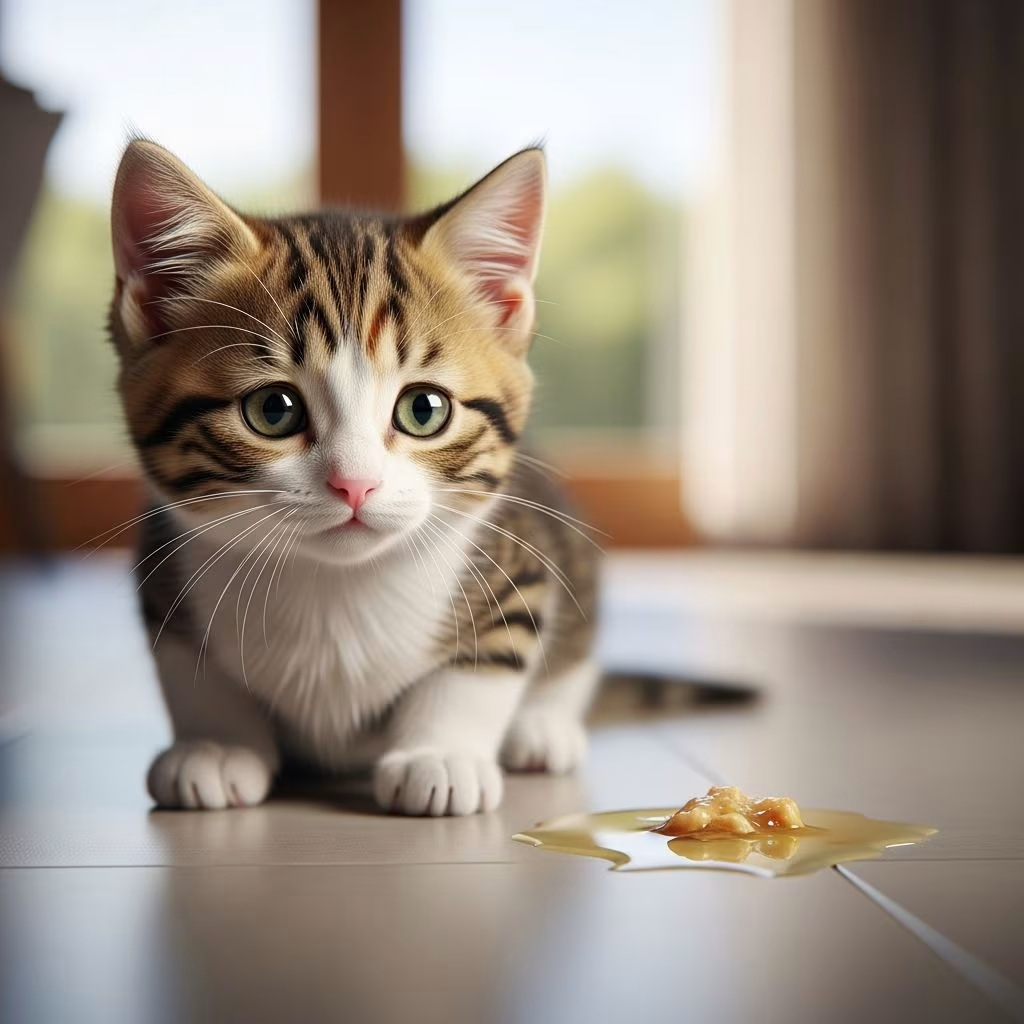
Discovering that your kitten has vomited can be concerning for any pet owner. While occasional vomiting may stem from minor digestive upset, persistent or frequent episodes warrant closer attention. Understanding the underlying causes of kitten vomiting helps you determine whether the situation requires immediate veterinary intervention or can be managed at home with careful monitoring.
Why Do Kittens Throw Up? The Most Common Culprits
Vomiting in kittens can range from benign to serious. The most prevalent reasons include eating habits, parasitic infections, dietary sensitivities, and environmental factors. Recognizing which category your kitten’s vomiting falls into is the first step toward providing appropriate care.
Rapid Consumption and Eating Patterns
One of the simplest explanations for kitten vomiting involves how your pet consumes food. Kittens, particularly younger ones, sometimes eat too quickly or consume excessive amounts in a short period. This rapid intake can overwhelm the digestive system, causing the stomach to reject the food almost immediately. The vomit typically contains undigested or partially digested food particles, which is relatively easy to identify. Additionally, eating shortly after vigorous play or exercise can trigger regurgitation as the kitten’s body diverts resources away from digestion during periods of physical activity.
To address this issue, consider feeding your kitten smaller portions more frequently throughout the day. Using slow-feeder bowls or dividing meals into manageable amounts can significantly reduce eating-related vomiting episodes.
Hairballs and Grooming Behavior
Cats are renowned for their meticulous grooming habits, and kittens are no exception. During the grooming process, they inadvertently swallow loose hair from their coat. When these hair strands accumulate in the stomach, they form hairballs that the kitten’s body attempts to expel through vomiting. Hairball-related vomiting is a natural occurrence and typically not cause for alarm, though persistent hairball problems may indicate excessive shedding or grooming stress.
Regular brushing can help minimize the amount of loose hair your kitten ingests, thereby reducing hairball formation and the associated vomiting episodes.
Parasitic Infections
Intestinal parasites represent one of the most common medical causes of vomiting in kittens. Roundworms, tapeworms, hookworms, and other parasites can damage the intestinal lining and trigger vomiting. Kittens often acquire parasites from their mothers through nursing or from contaminated environments. In some cases, you may observe worms or worm segments in the vomit or feces, providing clear evidence of parasitic infection.
Heavy parasitic loads can cause severe gastrointestinal distress, making deworming medications essential. Most veterinarians recommend routine deworming protocols for kittens, typically starting at 6-8 weeks of age and repeating every 2-3 weeks until 16 weeks of age.
Sudden Dietary Transitions
Abrupt changes to your kitten’s diet can shock the digestive system and provoke vomiting. Whether switching brands, changing from wet to dry food, or introducing new ingredients, gradual transitions are crucial. A sudden dietary shift may irritate the stomach lining or disrupt the balance of beneficial bacteria in the digestive tract, leading to vomiting and sometimes diarrhea.
The recommended approach involves gradually mixing the new food with the old food over 7-10 days, slowly increasing the proportion of new food while decreasing the old. This gradual transition allows your kitten’s digestive system to adapt without distress.
Serious Medical Conditions Associated with Kitten Vomiting
While many causes of kitten vomiting are relatively benign, some underlying conditions require prompt veterinary attention. Distinguishing between minor upset and serious illness depends on observing additional symptoms and the frequency of vomiting episodes.
Infections and Viral Diseases
Bacterial, viral, and protozoal infections can significantly disrupt kitten digestion. Viral infections such as feline panleukopenia virus (FPV), rotavirus, and other feline diseases frequently cause persistent vomiting accompanied by diarrhea. Bacterial infections, including salmonella, and protozoal infections like giardia and coccidiosis, can also trigger similar symptoms. These infections spread through contaminated food and water, contact with infected cats, or environmental exposure.
Infected kittens often show additional signs including lethargy, loss of appetite, fever, and severe diarrhea. Vaccination and proper sanitation practices can prevent many of these infectious diseases.
Foreign Body Ingestion
Kittens are naturally curious and may swallow inappropriate items including string, yarn, plastic, rubber, or other small objects. Foreign bodies can lodge in the throat, stomach, or intestines, causing obstruction that triggers vomiting. This condition represents a medical emergency, as intestinal blockages can become life-threatening if not surgically removed.
Signs of foreign body ingestion include persistent vomiting, inability to keep food down, lethargy, abdominal pain, and constipation. Any kitten displaying these symptoms requires immediate veterinary evaluation and may need diagnostic imaging such as X-rays or ultrasound to confirm the diagnosis.
Toxic Substance Exposure
Accidental ingestion of toxic substances presents a serious threat to kitten health and can rapidly cause vomiting. Common household toxins include certain plants (lilies, sago palm, azaleas), antifreeze, medications, cleaning products, pesticides, and foods toxic to cats such as chocolate, grapes, and onions. Vomiting may be the first sign of poisoning, often accompanied by drooling, tremors, difficulty breathing, or neurological symptoms depending on the specific toxin.
If you suspect your kitten has ingested a toxic substance, contact your veterinarian or an animal poison control center immediately. Time is critical in poisoning cases, and decontamination procedures may be necessary to prevent serious organ damage.
Internal Organ Disease
Chronic conditions affecting internal organs can manifest as vomiting in kittens. These include kidney disease, liver disease, diabetes, pancreatitis, inflammatory bowel disease, and hyperthyroidism. While less common in young kittens than older cats, these conditions can develop and should be investigated if vomiting persists or accompanies other symptoms like weight loss, increased thirst, or behavioral changes.
Diagnosis typically requires blood work, urinalysis, and sometimes imaging studies to identify underlying organ dysfunction.
Understanding Different Types of Vomit
The appearance and composition of your kitten’s vomit can provide valuable diagnostic clues about the underlying cause.
Yellow or Bile-Tinged Vomit
Yellow or greenish-colored vomit indicates the presence of bile, a digestive fluid produced by the liver and stored in the gallbladder. When the stomach is empty, certain conditions causing intestinal irritation allow bile to travel backward from the duodenum (the beginning of the small intestine) into the stomach. The bile mixes with gastric juices, creating the characteristic yellow appearance, sometimes mixed with clear liquid or white foam. Yellow vomiting that persists beyond 24 hours warrants veterinary attention, as it may indicate intestinal inflammation or other underlying issues.
Undigested Food
Vomit containing recognizable undigested food particles typically points to rapid eating, parasitic infection, or foreign body ingestion. The presence of large amounts of undigested food suggests the food moved through the digestive tract too quickly or was physically blocked before proper digestion could occur.
Bloody Vomit
Any vomiting containing blood—whether bright red blood or dark digested blood resembling coffee grounds—represents an emergency situation requiring immediate veterinary care. Blood in vomit indicates active bleeding in the esophagus, stomach, or small intestine, potentially from ulcers, foreign bodies, severe infection, or other serious conditions.
Associated Symptoms That Demand Attention
Vomiting rarely occurs in isolation. Additional symptoms accompanying vomiting help determine severity and appropriate treatment.
Vomiting Combined with Diarrhea
When kittens experience both vomiting and diarrhea simultaneously, this typically indicates a systemic illness affecting the entire digestive tract. Common causes include heavy parasitic infestations, viral infections, and bacterial enteritis. Stress level changes can also provoke simultaneous vomiting and loose stools. This combination is concerning because both vomiting and diarrhea lead to rapid fluid loss and dehydration, which can be dangerous in young kittens.
Dehydration Indicators
Vomiting and diarrhea cause fluid loss that can quickly lead to dehydration in kittens. Signs of dehydration include dry mouth and gums, lethargy, sunken eyes, and reduced skin elasticity. Pinch the skin on your kitten’s neck; it should snap back immediately when released. If the skin returns slowly to normal position, your kitten may be dehydrated and requires veterinary attention.
Lethargy and Loss of Appetite
A kitten that vomits and simultaneously shows decreased energy or refuses to eat may have a serious underlying condition. These symptoms suggest pain or systemic illness affecting overall health, not just minor digestive upset.
Treatment Approaches Based on Underlying Cause
| Underlying Cause | Treatment Approach | Home Care Options |
|---|---|---|
| Rapid Eating | Behavioral modification | Slower feeders, smaller portions |
| Hairballs | Regular grooming | Brushing, hairball remedies |
| Parasites | Deworming medications | Prevention, environmental cleaning |
| Dietary Intolerance | Dietary change | Bland diet, gradual transitions |
| Infections | Antibiotics, antivirals, antiparasitals | Rest, supportive care, fluids |
| Foreign Body | Surgical removal | Prevention, strict monitoring |
| Organ Disease | Medications, specialized diet | IV fluids, long-term management |
Dietary Management
For vomiting related to dietary causes, transitioning to a bland, easily digestible diet helps calm the stomach and allow recovery. Appropriate bland options include plain boiled chicken, meat-flavored baby food without onion or garlic powder, or prescription gastrointestinal diet formulas designed specifically for sensitive digestive systems. These temporary diets should only continue for a few days before gradually reintroducing normal food.
Medication-Based Treatment
Veterinarians may prescribe several types of medications to address vomiting. Anti-emetic medications such as maropitant or metoclopramide reduce nausea and vomiting by acting on the brain’s vomiting center or improving stomach motility. Antacids like famotidine or omeprazole can protect the stomach lining if acid irritation contributes to vomiting. For parasitic infections, deworming medications such as pyrantel or praziquantel eliminate intestinal worms. Bacterial infections require appropriate antibiotics, while viral infections typically receive supportive care.
Supportive and Emergency Care
Kittens showing signs of severe dehydration, shock, or persistent vomiting may require hospitalization and intravenous fluid therapy to restore hydration and electrolyte balance. Severe cases involving foreign bodies or toxin ingestion may necessitate surgical intervention or specialized toxin management protocols.
When to Contact Your Veterinarian
Determining whether vomiting requires professional attention depends on frequency, duration, and accompanying symptoms. Seek veterinary care if your kitten vomits repeatedly within a few hours, continues vomiting for more than 24 hours, vomits blood, shows signs of severe illness, or fails to keep food or water down. Emergency veterinary care is necessary if your kitten appears in acute distress, has difficulty breathing, shows signs of shock, or you suspect foreign body ingestion or poisoning.
Prevention Strategies
- Maintain consistent feeding schedules with appropriately sized portions
- Use slow-feeder bowls to reduce eating speed
- Keep small objects, string, yarn, and household hazards out of reach
- Remove toxic plants and secure chemicals and medications
- Ensure current vaccinations to prevent infectious diseases
- Implement regular parasite prevention protocols
- Gradually introduce any dietary changes over 7-10 days
- Provide fresh water and maintain proper nutrition
- Schedule regular veterinary check-ups for health monitoring
Frequently Asked Questions
Is it normal for kittens to vomit occasionally?
Occasional vomiting can be normal, particularly if related to hairballs or rapid eating. However, any vomiting warrants observation to ensure it doesn’t become frequent or severe. If vomiting occurs more than once or twice per week, veterinary evaluation is recommended.
How can I tell if my kitten’s vomiting is an emergency?
Emergency situations include vomiting blood, multiple vomiting episodes within hours, inability to keep food or water down, signs of severe illness or pain, suspected foreign body ingestion, and suspected poisoning. When in doubt, contact your veterinarian immediately.
Can kitten food allergies cause vomiting?
Yes, food allergies or sensitivities can trigger vomiting along with other digestive symptoms. Identifying the specific allergen through elimination diets, guided by your veterinarian, can resolve the issue.
How long should I monitor a vomiting kitten before calling the vet?
A single vomiting episode may be monitored briefly, but persistent vomiting, vomiting lasting more than a few hours, or vomiting accompanied by other symptoms requires prompt veterinary attention. It’s always better to err on the side of caution with young kittens.
References
- Is Your Kitten Throwing Up? Possible Causes and Treatment — Chewy. 2024. https://www.chewy.com/education/cat/health-and-wellness/my-kitten-threw-up-now-what
- Vomiting and Dehydration in Kittens — Colorado Animal Rescue. 2024. https://www.coloradoanimalrescue.org/vomiting-and-dehydration-in-kittens/
- Cat Vomiting: Causes, Types, and What to Do — PetMD. 2024. https://www.petmd.com/cat/symptoms/cat-vomiting-causes-and-types
- Is Your Cat Vomiting? A Complete Guide to Causes and Care — Best Friends Animal Society. 2024. https://bestfriends.org/pet-care-resources/cat-throwing-causes-when-see-vet-treatment



