

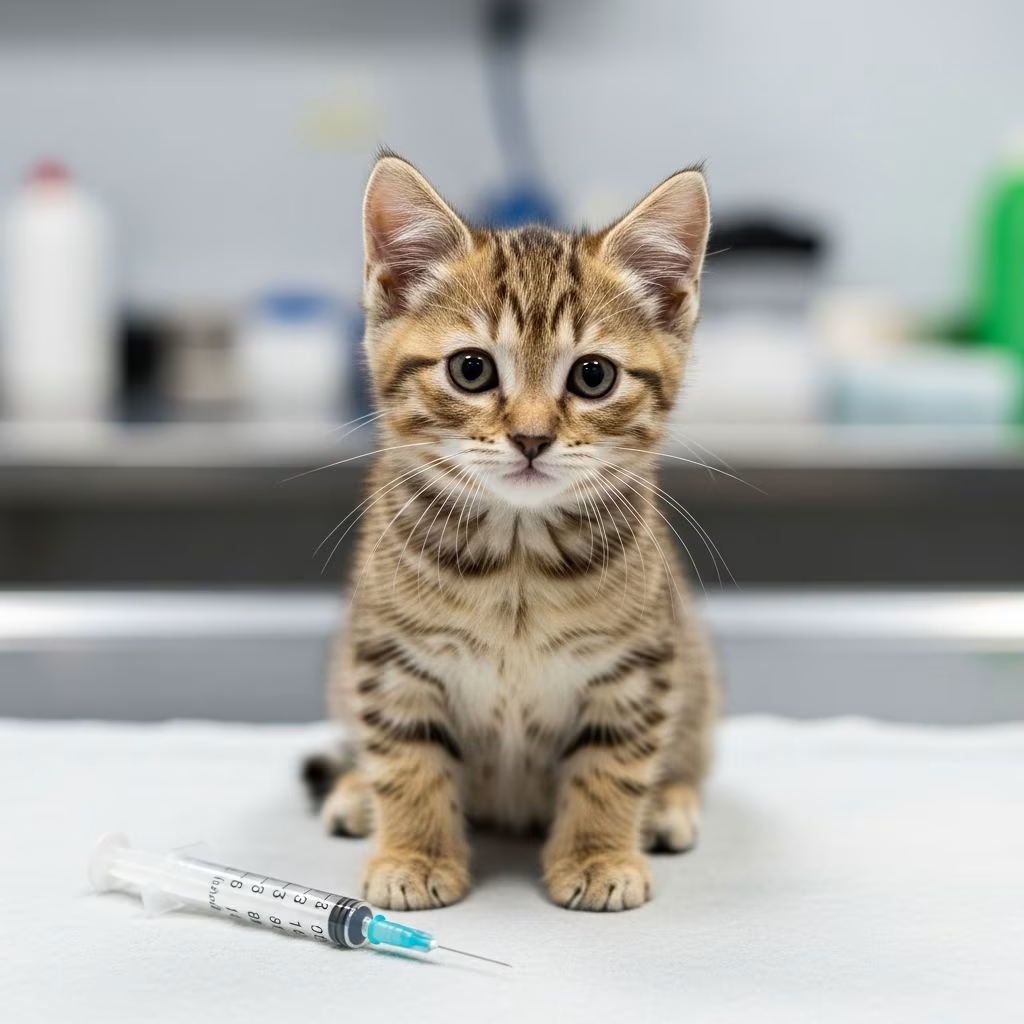
Kitten Vaccine Schedule: A Complete First-Year Guide
Protecting your kitten from preventable diseases starts with understanding the proper vaccination schedule. Vaccinations are one of the most important investments you can make in your kitten’s long-term health and wellbeing. From six weeks of age through adulthood, a structured vaccination plan ensures your kitten develops strong immunity against serious, potentially life-threatening illnesses. This comprehensive guide covers everything new kitten owners need to know about vaccinations, including timing, core vaccines, optional vaccines, and booster requirements.
Why Kitten Vaccinations Matter
Kittens are born with passive immunity from antibodies absorbed through their mother’s milk, which provides temporary protection during the first 24 to 48 hours after birth. However, this maternal immunity gradually weakens over the first several weeks of life, leaving your kitten vulnerable to infectious diseases. Vaccinations stimulate your kitten’s immune system to develop active, long-lasting protection against serious viral and bacterial infections. Because it is impossible to predict exactly when maternal antibodies fade, veterinarians administer a series of vaccines at specific intervals to ensure protection during this critical window. The goal is to give at least two vaccines during the period after your kitten loses maternal immunity but before exposure to infectious disease occurs.
Standard Kitten Vaccination Timeline
A typical kitten vaccination schedule spans the first four months of life, with visits to your veterinarian at regular intervals. The exact timing may vary slightly based on your kitten’s individual circumstances and your veterinarian’s recommendations, but most kittens follow this general schedule:
Age 6 to 8 Weeks: First Vaccination Visit
Your kitten receives their first vaccinations between six and eight weeks of age. At this initial visit, the primary vaccine administered is the FVRCP combination shot, which protects against three major feline diseases. Your veterinarian will also perform a wellness examination to assess your kitten’s overall health and discuss any additional vaccines or preventive care your kitten may need based on lifestyle and risk factors.
Age 10 to 12 Weeks: Second Vaccination Visit
The second round of vaccinations occurs three to four weeks after the initial shot. Your kitten receives a booster of the FVRCP vaccine to strengthen immunity. Depending on your kitten’s lifestyle and risk assessment, your veterinarian may also begin the Feline Leukemia Virus (FeLV) vaccine series at this visit. Optional vaccines such as Feline Immunodeficiency Virus (FIV) or Chlamydophila felis may also be discussed.
Age 14 to 16 Weeks: Third Vaccination Visit
The final round of kitten vaccinations occurs at 14 to 16 weeks of age. Your kitten receives the third FVRCP booster, which completes the initial series for this core vaccine. The rabies vaccine is typically administered at this visit, as kittens should not receive rabies vaccination before 16 weeks of age. If your kitten began the FeLV series, the second dose is administered now to complete that initial protection.
Age 1 Year: First Annual Booster
One year after the final kitten vaccination, your cat receives booster shots to maintain immunity. This typically includes the FVRCP booster, rabies booster, and any additional vaccines appropriate for your cat’s lifestyle and risk factors.
Understanding Core Vaccines
Core vaccines are recommended for all kittens regardless of lifestyle, as they protect against serious, potentially fatal diseases that are widespread in the feline population.
FVRCP Vaccine: The Three-in-One Protection
The FVRCP vaccine is the cornerstone of feline protection, combining three separate vaccines into a single injection. FVRCP stands for Feline Viral Rhinotracheitis, Calicivirus, and Panleukopenia (also called Feline Distemper). This combination vaccine is considered the most essential immunization for all kittens and cats. The vaccine is administered in a series of doses: the initial dose at six to eight weeks of age, followed by boosters at 10 to 12 weeks and 14 to 16 weeks of age. After the initial kitten series, your cat requires a FVRCP booster every three years to maintain protection.
Feline Viral Rhinotracheitis (FHV-1) is a highly contagious viral infection that causes respiratory disease in cats. Infected cats develop upper respiratory symptoms including sneezing, nasal discharge, fever, and lethargy. The virus spreads through direct contact with infected cats or contaminated objects and is particularly prevalent in multi-cat households and shelters.
Calicivirus (FCV) is another contagious virus responsible for respiratory and oral disease in cats. Infected cats may develop fever, mouth ulcers, lameness, and respiratory symptoms. Like rhinotracheitis, calicivirus spreads through contact with infected cats and contaminated environments.
Panleukopenia (FPV), also called feline distemper, is a severe and often fatal viral disease affecting the gastrointestinal tract and bone marrow. Infected kittens develop severe vomiting, diarrhea, dehydration, and immune suppression. This highly contagious virus can survive in the environment for months, making vaccination critical for all kittens.
Rabies Vaccine: Essential Legal and Health Protection
Rabies is a fatal viral infection that affects the nervous system in all mammals, including cats and humans. Once clinical symptoms appear, rabies is almost always fatal. In most jurisdictions, rabies vaccination is legally required for all cats. Kittens should receive their first rabies vaccine no earlier than 16 weeks of age, followed by a second dose 12 months later. After the initial series, rabies boosters are administered every three years (or as required by local laws).
The risk of rabies exposure is significantly higher for outdoor cats, who may encounter infected wildlife such as raccoons, foxes, skunks, and bats. Even indoor cats can be at risk if they escape outdoors or if infected animals enter the home. Because rabies is transmissible to humans through saliva (typically via bites), vaccination protects not only your cat but also your family.
Non-Core Vaccines: Customized Protection
Non-core vaccines are recommended based on your individual kitten’s lifestyle, geographic location, and risk of exposure to specific diseases. Your veterinarian will assess your kitten and recommend appropriate non-core vaccines.
Feline Leukemia Virus (FeLV)
Feline Leukemia is a viral disease that suppresses the immune system and can lead to various cancers and blood disorders in cats. The virus is transmitted through saliva, blood, urine, and feces, and can be passed from an infected mother to her kittens in utero or through nursing. Opinions vary among veterinarians regarding FeLV vaccination recommendations: some recommend it for all cats, while others suggest it only for kittens at higher risk of contracting the disease. Indoor cats with no access to outdoors have minimal FeLV risk, while outdoor cats and indoor cats with outdoor access face significant exposure risk. Before vaccination, kittens should be tested for FeLV to ensure they are not already infected. The initial FeLV series consists of two doses given three to four weeks apart, beginning at eight to 12 weeks of age. After the initial kitten series, cats at risk require annual boosters.
Feline Immunodeficiency Virus (FIV)
Feline Immunodeficiency Virus suppresses the immune system, leaving infected cats susceptible to secondary infections and diseases. FIV is transmitted from cat to cat through deep bite wounds, typically occurring during fighting. The FIV vaccine is only recommended for kittens at high risk of contracting the virus, such as outdoor cats or those living in households with FIV-positive cats. Before vaccination, cats should be tested for FIV. The vaccine requires three doses given two to three weeks apart, and protection is not complete; vaccinated cats may still contract FIV if exposed. For this reason, limiting exposure through indoor housing remains the best prevention strategy.
Chlamydophila felis
Chlamydophila felis causes conjunctivitis and upper respiratory disease in cats. This vaccine should be considered for kittens at risk of exposure, particularly in multi-cat environments or outdoor settings, and especially if there is a history of chlamydial illness. Vaccination begins at eight to nine weeks of age, with a booster three to four weeks later at approximately 12 weeks of age.
Vaccines Not Recommended for Kittens
Two vaccines—FIP (Feline Infectious Peritonitis) and Giardia—are generally not recommended for kittens due to concerns about safety and efficacy. These vaccines remain under evaluation, and veterinarians do not routinely use them. Discuss any questions about these vaccines with your veterinarian.
Indoor versus Outdoor Cat Vaccination Plans
While all kittens require core vaccines, vaccination recommendations for non-core vaccines differ based on whether your cat will live primarily indoors or have outdoor access.
Indoor Cat Vaccination Schedule
Indoor cats that remain exclusively indoors with no outdoor access have minimal exposure to infectious diseases. The standard vaccination schedule includes:
– FVRCP vaccine: initial series at 6-8, 10-12, and 14-16 weeks of age, then boosters every three years
– Rabies vaccine: initial dose at 14-16 weeks, booster at one year, then every three years
– FeLV vaccine: optional; generally not recommended for exclusively indoor cats unless they will have potential outdoor exposure
Outdoor Cat Vaccination Schedule
Outdoor cats and those with outdoor access face significantly higher exposure to infectious diseases and require more comprehensive vaccination protection. In addition to all core vaccines, outdoor kittens should receive:
– FeLV vaccine: recommended due to outdoor exposure risk; initial series at 8-12 and 10-12 weeks, booster at one year, then annually
– FIV vaccine: recommended if the kitten will spend time outdoors; consider this vaccine if unvaccinated outdoor cats are present in the area
– Chlamydophila felis: recommended if multi-cat outdoor environments are present
Booster Vaccination Schedule for Adult Cats
After completing the initial kitten vaccination series, adult cats require regular boosters to maintain immunity against preventable diseases. The booster schedule depends on the specific vaccine:
| Vaccine | Booster Frequency | Notes |
|---|---|---|
| FVRCP | Every 3 years | Core vaccine for all cats |
| Rabies | Every 3 years | May vary by local law; core vaccine |
| FeLV | Annually or every 2 years | For at-risk outdoor cats only |
| FIV | As recommended by veterinarian | For high-risk cats only |
Important Vaccination Timing Considerations
Maintaining proper timing between vaccinations is crucial for developing complete immunity. Boosters should be administered within four weeks of the previous dose; otherwise, your cat may need to repeat the entire vaccination series. Missing scheduled appointments can delay protection, so mark your calendar and schedule follow-up visits before leaving your veterinarian’s office. If your kitten is overdue for a scheduled vaccination, contact your veterinarian to determine whether the series needs to restart.
Questions to Ask Your Veterinarian
Every kitten is unique, and your veterinarian is the best resource for creating a vaccination plan tailored to your specific kitten’s needs. During vaccination visits, discuss your kitten’s lifestyle, any planned travel, exposure risks, and individual health considerations. Share information about your household (indoor only, outdoor access, multi-cat environment), your geographic location, and any health concerns. Your veterinarian can then recommend the most appropriate vaccines and vaccination schedule for your kitten.
Frequently Asked Questions About Kitten Vaccinations
Q: Can an unvaccinated kitten be around vaccinated cats?
A: Yes, spending time with healthy, fully vaccinated cats should be safe for your unvaccinated kitten, as the vaccinated cats are unlikely to shed infectious disease.
Q: What age can a kitten be vaccinated?
A: Kitten vaccinations typically start at six to eight weeks of age and continue every three to four weeks until the kitten is approximately four months old.
Q: Why does my kitten need multiple vaccination doses?
A: Because maternal antibodies fade at unpredictable times, a series of vaccines spaced at regular intervals ensures your kitten develops immunity after maternal protection fades but before exposure to infectious disease occurs.
Q: Are there side effects from kitten vaccinations?
A: Mild side effects such as soreness at the injection site, lethargy, or slight fever may occur but typically resolve within 24 hours. Serious side effects are rare. Contact your veterinarian if your kitten shows signs of allergic reaction or prolonged illness.
Q: How often does my adult cat need booster shots?
A: Most adult cats need boosters every three years for core vaccines like FVRCP and rabies. Non-core vaccines may require different schedules. Your veterinarian will provide recommendations based on your cat’s individual needs.
Q: Does my indoor cat need FeLV vaccination?
A: Exclusively indoor cats with no outdoor access have minimal FeLV risk. However, discuss this with your veterinarian, as individual circumstances may warrant vaccination even for indoor cats.
References
- Kitten Vaccination Schedule For First-Year Shots — Pawlicy Advisor. 2024. https://www.pawlicy.com/blog/kitten-vaccine-schedule/
- Vaccination Guidelines for Dogs and Cats — UC Davis School of Veterinary Medicine. 2024. https://healthtopics.vetmed.ucdavis.edu/health-topics/feline/vaccination-guidelines-dogs-and-cats
- Vaccine Schedules for Cats & Kittens — Small Door Veterinary. 2024. https://www.smalldoorvet.com/learning-center/wellness/cat-kitten-vaccine-schedules
- A Vaccination Schedule for Puppies and Kittens? What You Need to Know — Gardens Animal Hospital. 2024. https://www.gardensanimalhospital.com/vaccination-schedule-for-puppies-and-kittens-what-you-need-to-know/
- Recommendations for New Kitten Owners — VCA Animal Hospitals. 2024. https://vcahospitals.com/know-your-pet/vaccination-are-booster-vaccines-necessary-for-cats
- GUIDELINE for Good Vaccination Practices — ABCD Cats & Vets. 2024. https://www.abcdcatsvets.org/guideline-for-good-vaccination-practices/



