

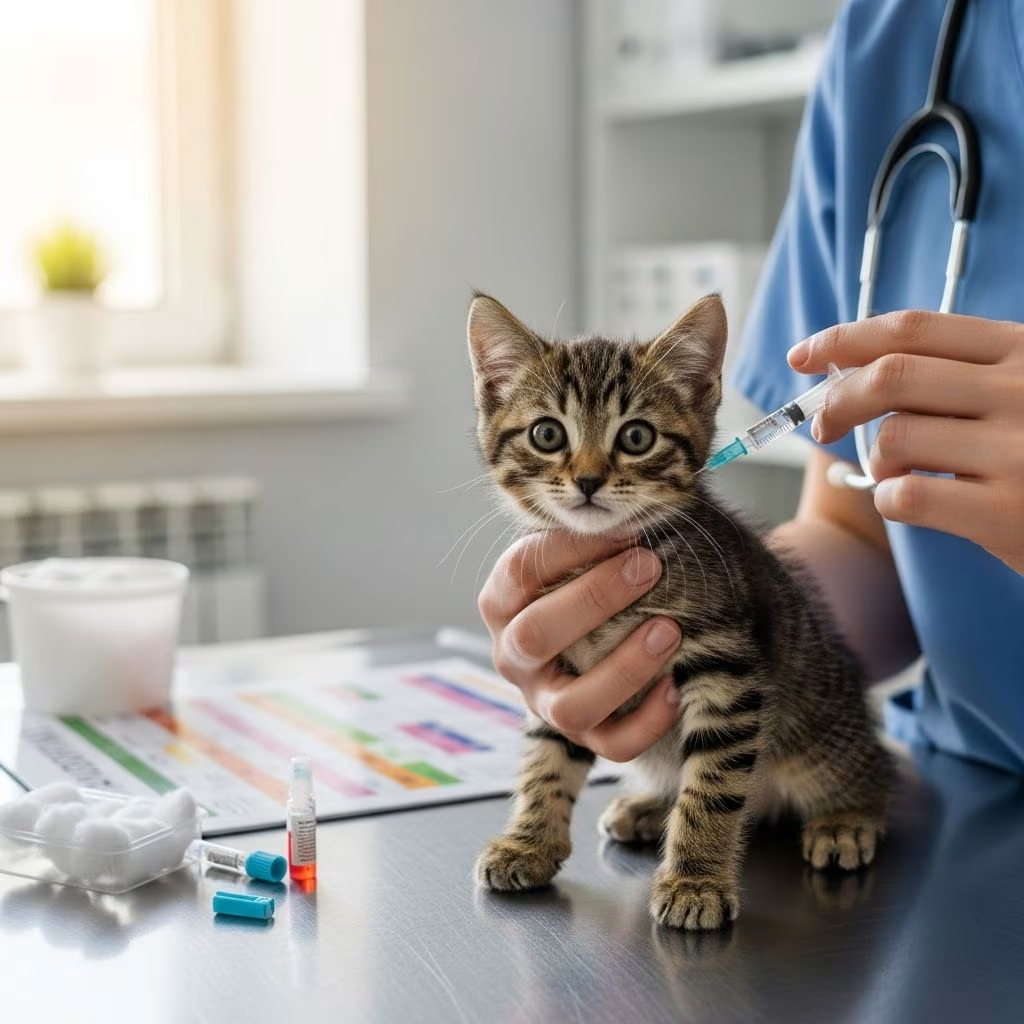
Understanding Kitten Vaccinations: A Complete Guide to Protecting Your Pet
Vaccinations are one of the most critical investments you can make in your kitten’s health. These preventative measures protect against potentially fatal diseases and help ensure your kitten grows into a healthy adult cat. Starting a proper vaccination schedule early in your kitten’s life is essential for building strong immunity and establishing lifelong protection against serious feline diseases.
The vaccination process for kittens involves a series of carefully timed injections rather than a single shot. This approach is necessary because kittens retain maternal antibodies from their mother, which can interfere with vaccine effectiveness. By spacing vaccinations three to four weeks apart, veterinarians ensure that at least two doses are given after the kitten loses maternal immunity but before exposure to infectious diseases, maximizing the chances of developing active immunity.
When to Start Your Kitten’s Vaccination Schedule
Most kittens should begin receiving their core vaccinations between six and eight weeks of age. This timing is crucial because it marks the period when maternal antibodies begin to wane, making the kitten’s immune system receptive to vaccine protection. Starting early ensures your kitten has protection during the vulnerable early months of life.
Your veterinarian may recommend beginning vaccinations as early as six weeks, though eight weeks is the standard starting point preferred by most veterinarians to avoid potential over-vaccination. The initial appointment sets the foundation for the entire vaccination series and provides an opportunity for your vet to assess your kitten’s overall health.
Core Vaccines: Essential Protection for Every Kitten
Core vaccines are vaccinations recommended for all kittens regardless of lifestyle. These vaccines protect against highly contagious and potentially fatal diseases that pose a significant risk to all felines.
FVRCP Vaccine
The FVRCP vaccine is a three-in-one combination vaccine that protects against three serious feline diseases. This is the most critical vaccine in your kitten’s health regimen and represents the cornerstone of feline immunization.
What FVRCP Protects Against:
- Feline Rhinotracheitis (FHV-1): A highly contagious upper respiratory infection that causes sneezing, nasal discharge, and fever in cats. This virus can be severe in young kittens.
- Feline Calicivirus (FCV): Another upper respiratory infection that causes similar symptoms to rhinotracheitis and can lead to oral ulcers and lameness in some cases.
- Feline Panleukopenia (FPV): Also known as feline distemper, this highly contagious viral disease causes severe gastrointestinal symptoms, fever, and can be fatal in unvaccinated kittens. The virus is extremely resistant in the environment and can survive for extended periods.
The FVRCP vaccine is administered in a series of four rounds beginning at six to eight weeks of age, with each subsequent dose given three to four weeks apart. The final dose should be administered no sooner than 16 weeks of age to ensure adequate immunity develops. This multi-dose approach significantly increases the likelihood that your kitten will develop strong, long-lasting protection.
Rabies Vaccine
The rabies vaccine is essential for protecting your kitten against one of the most deadly diseases known. In many jurisdictions, rabies vaccination is legally required for all cats. Unlike other vaccines, a single rabies injection at the appropriate age (typically 12 to 16 weeks) is sufficient to produce lasting immunity.
Rabies is transmitted through saliva and can be contracted through bites from infected wildlife such as raccoons, bats, and skunks. Once clinical signs appear, rabies is almost always fatal. Vaccination provides your kitten with crucial protection and helps prevent transmission to humans and other animals.
Recommended Kitten Vaccination Timeline
Understanding the optimal timing for each vaccination helps ensure your kitten receives maximum protection. Here is the recommended schedule that most veterinarians follow:
| Age | Core Vaccines | Optional Vaccines |
|---|---|---|
| 6-8 weeks | FVRCP (1st dose) | Consider risk assessment |
| 10-12 weeks | FVRCP (2nd dose) | FeLV (1st dose), FIV testing |
| 14-16 weeks | FVRCP (3rd dose), Rabies | FeLV (2nd dose), FIV (2nd dose) |
| 1 year | FVRCP booster, Rabies booster | FeLV booster (if needed) |
Non-Core Vaccines: Optional Protection Based on Lifestyle
Non-core vaccines are recommended based on your kitten’s individual risk factors and lifestyle. These vaccines protect against diseases that may pose a threat depending on your cat’s activities and environment.
Feline Leukemia Virus (FeLV) Vaccine
FeLV is a serious viral infection that weakens the immune system and can lead to various cancers and infections in cats. The virus is transmitted through saliva, urine, and feces, and can spread through bites, grooming, and sharing food bowls. Kittens are particularly vulnerable to FeLV, and many veterinarians now consider it essential protection for all young cats.
The FeLV vaccine is typically given in two doses three to four weeks apart, with the first dose administered at nine to eleven weeks of age. The second dose follows at twelve to fourteen weeks. FeLV is especially important for kittens that may have outdoor access, live in multi-cat households, or have unknown exposure history.
Feline Immunodeficiency Virus (FIV) Vaccine
FIV affects the immune system similarly to HIV in humans and is transmitted primarily through deep bite wounds. This vaccine is recommended for kittens at higher risk of exposure, particularly those with outdoor access or those living in households with FIV-positive cats. The FIV vaccine requires an initial series followed by boosters, and testing before vaccination is important to ensure the kitten is not already infected.
Chlamydophila Felis Vaccine
Chlamydophila felis causes a respiratory and eye infection in cats and spreads easily in multi-cat environments. This vaccine should be considered for kittens in shelters, breeding facilities, or multi-cat households where respiratory disease has occurred. Vaccination begins at eight to nine weeks with a booster at twelve weeks.
Vaccines Not Routinely Recommended
The FIP (Feline Infectious Peritonitis) and Giardia vaccines are generally not recommended for routine use due to concerns about safety and efficacy. These vaccines remain under evaluation, and most veterinarians do not routinely administer them. Discuss any questions about these vaccines with your veterinarian.
The Importance of Booster Vaccinations
Vaccination doesn’t end after your kitten completes the initial series. Booster vaccinations are essential for maintaining immunity throughout your cat’s life. The frequency of boosters varies depending on the vaccine type and your cat’s individual circumstances.
Core vaccines typically require boosters every one to three years. Your veterinarian will recommend the appropriate schedule based on factors such as your cat’s age, health status, lifestyle, and the specific vaccines administered. Some vaccines may be given annually, while others may be effective for three years or longer.
Missing booster appointments can result in loss of immunity, leaving your cat vulnerable to disease. Setting reminders for your cat’s vaccination appointments helps ensure consistent protection throughout their lifetime.
Potential Vaccine Side Effects and Reactions
Most kittens tolerate vaccines well with minimal side effects. However, it’s important to monitor your kitten after vaccination and be aware of potential reactions. Common mild side effects include letharness, reduced appetite, and mild fever for one to two days following vaccination.
Some kittens may experience mild swelling or soreness at the injection site. These mild reactions typically resolve without treatment. However, more severe reactions, including facial swelling, difficulty breathing, vomiting, or diarrhea, require immediate veterinary attention. Always contact your veterinarian if you notice any concerning symptoms after vaccination.
Creating a Vaccination Record for Your Kitten
Maintaining accurate vaccination records is essential for your kitten’s health and may be required by law in some jurisdictions. Your veterinarian provides vaccination certificates that document which vaccines your kitten has received and when.
These records are important for:
- Boarding facilities and pet sitters
- Future veterinary care
- Legal requirements for rabies vaccination
- Cat shows and competitions
- Travel documentation
Keep copies of your kitten’s vaccination records in a safe place and bring them to all veterinary appointments.
Special Considerations for Different Kitten Situations
Rescued or Shelter Kittens: If your kitten comes from a shelter or rescue, ask about their vaccination history. If records are unavailable, your veterinarian may recommend starting the vaccination series from the beginning to ensure complete protection.
Orphaned Kittens: Kittens raised without their mother may need to begin vaccinations earlier and may require additional doses or different timing. Your veterinarian can create an appropriate schedule for bottle-fed kittens.
Multi-Cat Households: Kittens in homes with other cats benefit from additional vaccines such as FeLV and may need vaccinations against diseases prevalent in your specific household.
Frequently Asked Questions
Q: Can I vaccinate my kitten at home?
A: No, vaccinations must be administered by licensed veterinarians. Proper administration, storage, and documentation are critical for vaccine effectiveness and legal compliance. Your veterinarian also performs a health examination to ensure your kitten is healthy enough for vaccination.
Q: What if my kitten misses a scheduled vaccination?
A: If your kitten misses a vaccination appointment, contact your veterinarian immediately. Depending on how late you are, your vet may give the delayed vaccine or recommend restarting the series. Vaccines must be given within specific timeframes for optimal effectiveness.
Q: Are there any reasons my kitten shouldn’t be vaccinated?
A: Most kittens should be vaccinated. However, your veterinarian may postpone vaccination if your kitten is ill or has certain health conditions. Always discuss your kitten’s health status with your vet before vaccination.
Q: How much does kitten vaccination cost?
A: Vaccination costs vary by location and veterinary clinic. Core vaccines are generally less expensive than optional vaccines. Contact your local veterinarian for specific pricing information and ask about packages that might provide savings.
Q: When can my kitten go outside after vaccination?
A: Your kitten should not have outdoor access until at least two weeks after completing the vaccination series at 16 weeks of age. This allows time for immunity to develop fully before potential disease exposure.
Q: Do indoor and outdoor kittens need different vaccines?
A: Both indoor and outdoor kittens need core vaccines (FVRCP and rabies). Outdoor kittens typically need additional non-core vaccines such as FeLV and FIV due to higher exposure risk. Discuss your kitten’s lifestyle with your veterinarian to determine the best vaccination plan.
Talking With Your Veterinarian About Your Kitten’s Vaccination Plan
Your veterinarian is your best resource for determining the appropriate vaccination schedule for your individual kitten. Every kitten is unique, and their vaccination needs depend on various factors including age, health status, lifestyle, and risk of exposure to infectious diseases.
During your first veterinary visit, provide information about your kitten’s background, living situation, and any other animals in your household. Discuss whether your kitten will have outdoor access and whether other cats in your home have any known health conditions. This information helps your veterinarian create a customized vaccination schedule that provides optimal protection for your kitten.
Don’t hesitate to ask questions about vaccines, side effects, or timing. Your veterinarian can explain the benefits and risks of each vaccine and help you make informed decisions about your kitten’s health care.
References
- Kitten Vaccination Schedule and Costs — PetMD. 2024. https://www.petmd.com/cat/general-health/kitten-vaccination-schedule-and-costs
- Vaccination Guidelines for Dogs and Cats — UC Davis School of Veterinary Medicine. https://healthtopics.vetmed.ucdavis.edu/health-topics/feline/vaccination-guidelines-dogs-and-cats
- Recommendations for New Kitten Owners — VCA Animal Hospitals. https://vcahospitals.com/know-your-pet/vaccination-are-booster-vaccines-necessary-for-cats
- Kitten Vaccine Schedule For First-Year Shots — Pawlicy Advisor. https://www.pawlicy.com/blog/kitten-vaccine-schedule/
- Vaccine Schedules for Cats & Kittens — Small Door Veterinary. https://www.smalldoorvet.com/learning-center/wellness/cat-kitten-vaccine-schedules
- Feline Vaccination Guidelines — American Animal Hospital Association (AAHA). https://www.aaha.org/wp-content/uploads/globalassets/02-guidelines/feline-vaccination-guidlines/feline-vaccine-table.pdf



