

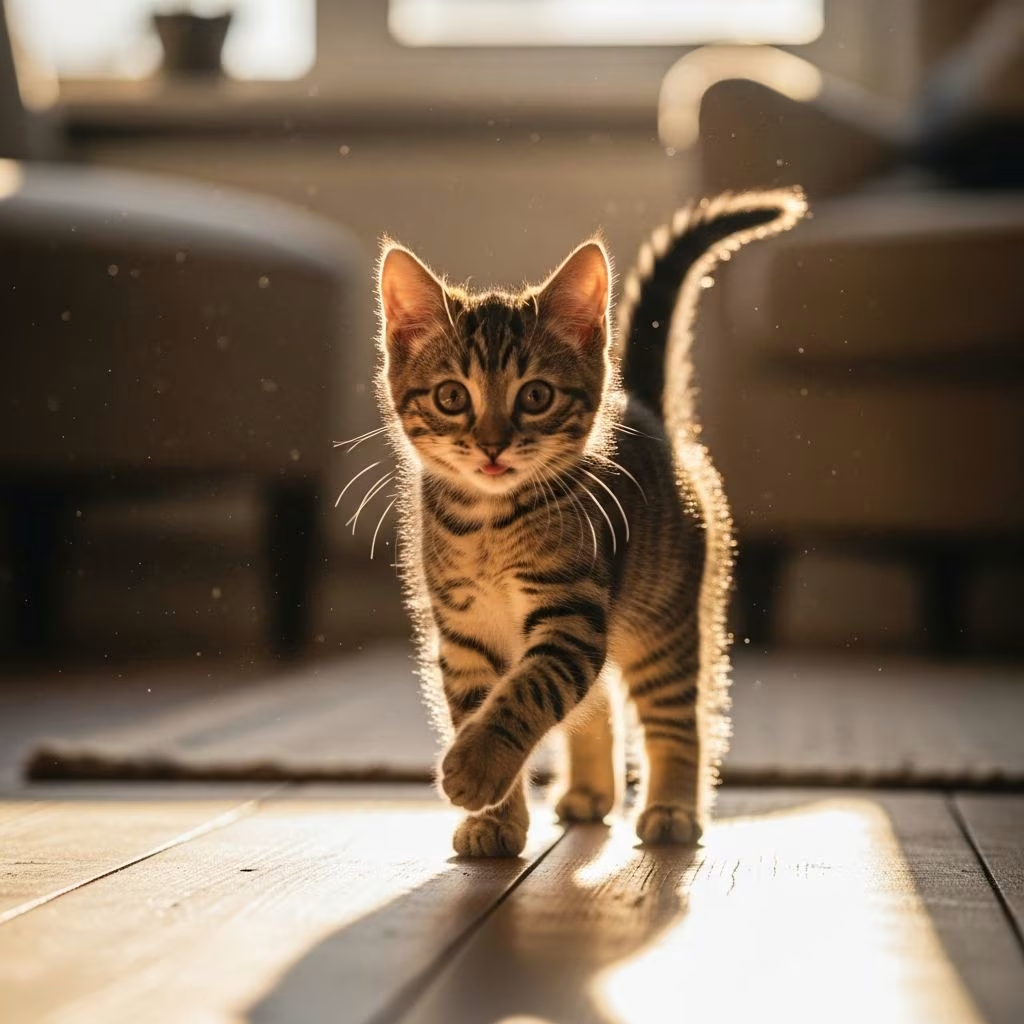
Kitten with Unique Walk Lives Life to the Fullest
In the heart of Best Friends Animal Sanctuary, among the many cats receiving specialized care, there lives a sweet orange tabby kitten named Colt who embodies the spirit of resilience and joy despite facing physical challenges that make him move differently than his littermates. Colt’s story is one of determination, love, and the profound impact that dedicated caregiving can have on a young animal’s quality of life. This remarkable kitten demonstrates that unique movement patterns and physical differences should never limit a cat’s ability to experience happiness, adventure, and the simple pleasures that make life worth living.
Understanding Colt’s Unique Walk
Colt fits the orange tabby mold to a T, with all the charm and personality that comes with that distinctive coloring and breed temperament. What sets Colt apart from other kittens at the sanctuary is his unique walk—a distinctive gait that catches the attention of visitors and caregivers alike. Rather than moving with the typical fluid grace that most kittens possess, Colt has developed his own way of navigating the world around him. This unique walk is likely the result of a neurological condition similar to those experienced by other special-needs kittens at the sanctuary, such as cerebellar hypoplasia, which affects balance and coordination.
Despite these physical differences, Colt’s unique walk has become one of his most endearing qualities. Visitors to the sanctuary often comment on how his distinctive gait somehow adds to his charm rather than detracting from it. The way he moves has taught observers an important lesson: physical differences do not define a cat’s ability to live a full, engaging, and joyful life. In fact, Colt’s movement challenges have made him even more special and memorable to everyone who meets him.
The Personality Behind the Unique Gait
One of Colt’s most notable characteristics is his love of being petted. This sweet kitten enjoys physical affection so much that he cannot help but make biscuits in the air—that adorable behavior where cats push their paws alternately against soft surfaces or the air itself, a sign of contentment and happiness. This behavior, known as kneading, typically indicates that Colt is feeling relaxed, safe, and loved. The fact that he engages in this behavior frequently demonstrates that despite his physical challenges, he maintains an exceptionally positive emotional state.
Colt’s personality shines through in every interaction. He is affectionate, responsive to human contact, and genuinely enjoys the attention and care provided by the sanctuary’s staff and volunteers. This gentle temperament makes him not only a joy to care for but also an excellent candidate for adoption into a loving home where he can continue to receive the specialized attention his unique needs require.
Special Care and Enrichment Activities
At Best Friends Animal Sanctuary, the caregivers understand that both physical health and emotional well-being are essential for cats with special needs. For Colt and other kittens with unique movement patterns or neurological conditions, the sanctuary provides a comprehensive approach to care that goes far beyond basic food and shelter. The environment is specifically designed to support cats with different physical challenges while ensuring they have every opportunity to thrive.
Environmental Accommodations
Colt’s living space in Morgaine’s Place, one of the primary cat buildings at the sanctuary, has been carefully arranged to support his unique movement patterns. The sanctuary uses rubber-backed throw rugs that provide grip and traction, allowing kittens with balance issues to move more confidently and safely. These simple but effective modifications make a significant difference in a special-needs kitten’s ability to navigate their environment independently. Additionally, the sanctuary provides deep, round beds where cats like Colt can curl up and feel secure, and caregivers are always available to cradle and comfort the kittens during their downtime.
Outdoor Adventures and Enrichment
Beyond his indoor environment, Colt and other special-needs kittens benefit from carefully supervised outdoor enrichment activities. The sanctuary offers screened-in outdoor spaces known as “catios” where cats can experience fresh air, natural light, and the sensory stimulation of the outdoor environment without the dangers of traffic or predators. During these outdoor sessions, caregivers bring kittens out to explore, watch the world go by, and engage with nature in a safe and controlled manner. For kittens with unique walks, these outdoor experiences are particularly valuable because they provide mental stimulation that helps combat boredom and stress.
Learning and Growing Through Socialization
Similar to other special-needs kittens at the sanctuary, Colt benefits tremendously from proper socialization with both humans and other cats. During the early weeks and months of a kitten’s life, social interactions are crucial for development. Kittens learn from one another what appropriate play behavior looks like, how to communicate through body language, and how to regulate the force of their bites and swats. For kittens with physical challenges, these social interactions are equally important but sometimes require careful management.
The sanctuary’s approach to socialization for special-needs kittens like Colt involves pairing them with other cats who have learned proper feline manners and who are patient and gentle with younger or differently-abled companions. This careful matching ensures that kittens with unique walks or balance issues can participate in play and social bonding without becoming overwhelmed or injured. Many special-needs kittens, once they find the right social partners, blossom into confident, playful, and well-adjusted cats.
The Importance of Specialized Care
Providing care for a kitten with a unique walk requires knowledge, patience, and dedication. The caregivers at Best Friends Animal Sanctuary have developed expertise in recognizing and addressing the specific needs of special-needs cats. This includes understanding how different neurological conditions affect movement, balance, and coordination, as well as knowing what environmental modifications and enrichment activities will best support each individual kitten’s needs.
Medical Support and Monitoring
While Colt’s unique walk may be a permanent characteristic, the sanctuary’s veterinary staff monitors his health closely to ensure that he experiences no pain or complications. Regular health assessments help identify any underlying conditions that might require treatment or management. The mini veterinary clinic located within Cat World ensures that all cats, including those with special needs, have access to prompt medical care whenever necessary.
Nutrition and Basic Care
Proper nutrition is essential for all kittens, particularly those with physical challenges who may have unique energy requirements. The sanctuary ensures that Colt receives high-quality food and fresh water at all times. Additionally, caregivers assist with basic care needs as necessary, such as helping kittens access litter boxes or ensuring they can eat comfortably despite any balance or coordination issues.
Living Life to the Fullest
The true measure of Colt’s success at the sanctuary is not the absence of his unique walk but rather his ability to live a full, engaged, and genuinely happy life despite his physical differences. Every day, Colt experiences joy through human interaction, play with other cats, enrichment activities, outdoor adventures, and the simple comfort of a safe, caring environment. His unique walk has not prevented him from enjoying any of the experiences that make cat life worth living.
Colt’s story challenges common misconceptions about special-needs animals. Many people assume that cats or kittens with physical differences or neurological conditions cannot be happy or that they suffer constant distress. Colt’s behavior—his love of being petted, his enthusiastic biscuit-making, his engagement with his environment—proves this assumption wrong. With proper care, a supportive environment, and genuine love, special-needs kittens can and do thrive.
Preparing for Adoption
As Colt grows and continues to develop at the sanctuary, he is being carefully prepared for adoption into a home where he can receive the specialized care his unique needs require. Potential adopters of special-needs kittens like Colt should understand that while these cats may move differently, with the right home accommodations—such as rubber-backed rugs, accessible litter boxes, and patient, loving caregivers—they can live fulfilling lives as beloved family members.
The sanctuary provides resources and guidance to help potential adopters understand how to create an environment that supports a special-needs kitten. With these simple in-house additions and a commitment to providing a little extra TLC, any special-needs kitten like Colt is sure to make a wonderfully loving and special pet for the right family.
Frequently Asked Questions (FAQs)
Q: What causes a kitten to have a unique walk?
A: A kitten’s unique walk can result from various conditions, most commonly cerebellar hypoplasia, club foot, or other neurological or physical conditions. These conditions affect balance, coordination, and movement patterns. Most special-needs kittens can still enjoy normal lives with proper care and support.
Q: Can kittens with unique walks like Colt be adopted?
A: Yes, absolutely. Many special-needs kittens are successfully adopted into loving homes. With proper environmental accommodations and dedicated caregiving, these kittens thrive as beloved family members. Adopters should be prepared to provide extra attention and make necessary home modifications.
Q: What kind of special care do kittens like Colt need?
A: Special-needs kittens benefit from rubber-backed rugs for traction, easily accessible litter boxes and food bowls, comfortable resting areas, enrichment activities, careful socialization, and regular veterinary monitoring. Most importantly, they need patience, love, and dedicated caregiving.
Q: Is it cruel to adopt a kitten with a unique walk?
A: No. If properly cared for, adopted special-needs kittens like Colt can live happy, fulfilling lives. In fact, adoption may be preferable to lifelong sanctuary living, as the kitten can experience the bonding and individual attention that comes with having a devoted family.
Q: How much does it cost to care for a special-needs kitten?
A: Costs vary depending on the individual kitten’s needs and any ongoing medical care required. However, with proper environmental setup and routine care, many special-needs kittens do not cost significantly more than typical kittens. Best Friends provides guidance to help adopters prepare.
Q: What is cerebellar hypoplasia and how does it affect kittens?
A: Cerebellar hypoplasia is a neurological condition where the cerebellum (the part of the brain controlling balance and coordination) is underdeveloped. Affected kittens may be wobbly, have difficulty with balance, and move in uncoordinated ways. However, the condition is not painful and does not worsen over time.
Q: How can I tell if a special-needs kitten would be happy in my home?
A: Consider your ability to provide patient, loving care and to make necessary home modifications. Visit the kitten at the sanctuary to observe their personality and assess whether their needs match your capabilities. Staff can provide guidance on creating an appropriate home environment.
References
- Special-needs Kittens Are Simply Irresistible — Best Friends Animal Society. Accessed 2025. https://bestfriends.org/stories/features/special-needs-kittens-are-simply-irresistible
- Wobbly Kitten Gets by with Help from His Friends — Best Friends Animal Society. January/February 2023. https://bestfriends.org/stories/best-friends-magazine/wobbly-kitten-gets-help-his-friends
- Cat World at Best Friends Animal Sanctuary — Best Friends Animal Society. Accessed 2025. https://bestfriends.org/stories/features/cat-world-best-friends-animal-sanctuary-0
- How to Walk a Cat on Leash — Best Friends Animal Society. Accessed 2025. https://bestfriends.org/pet-care-resources/how-walk-cat-leash
- Walking a Cat — Best Friends Animal Society. Accessed 2025. https://bestfriends.org/network/resources-tools/walking-cat



