

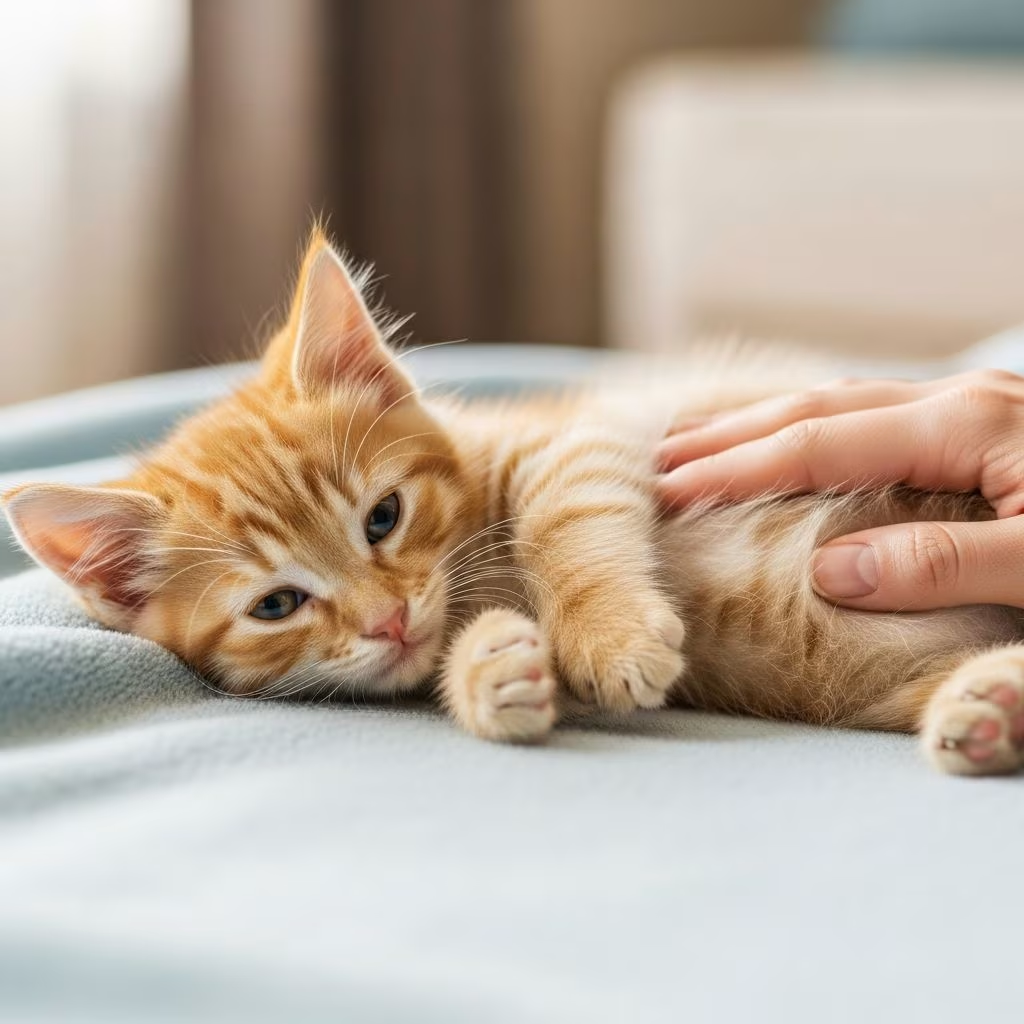
Your playful kitten brings endless delight, but digestive discomfort can quickly dim that joy. Upset stomachs in kittens often stem from parasites, sudden diet shifts, or ingesting inappropriate items, leading to vomiting or diarrhea that requires prompt attention.
Recognizing Signs of Digestive Distress in Kittens
Kittens show clear signals when their bellies are unhappy. Frequent vomiting, loose stools, or straining during elimination are primary indicators. Other signs include lethargy, reduced appetite, and abdominal tenderness. These symptoms can escalate quickly due to a kitten’s small size and immature immune system, making early detection crucial.
- Vomiting: May appear as undigested food or bile, occurring soon after eating or sporadically.
- Diarrhea: Ranges from soft stools to watery discharge, sometimes with mucus or blood.
- Other clues: Excessive gas, whining, or hiding, signaling discomfort.
Monitor stool consistency and frequency; persistent issues beyond 24 hours demand professional evaluation to prevent dehydration.
Primary Culprits Behind Kitten Stomach Upset
Several factors disrupt a kitten’s delicate gut balance. Parasites top the list, with common invaders like roundworms, hookworms, coccidia, tapeworms, and giardia causing irritation and fluid loss.
Dietary mistakes rank second: abrupt food changes overwhelm the gut, while scavenging trash or plants introduces toxins. Overeating strains their walnut-sized stomachs, especially before four months when digestion matures.
Inflammation from gastroenteritis or bacterial imbalances also contributes. Rarely, allergies or stress play roles, but kittens’ curiosity often leads to ingesting strings, fabrics, or human foods like onions, chocolate, or dairy— all toxic.
| Cause | Symptoms | Risk Factors |
|---|---|---|
| Parasites | Diarrhea, vomiting, weight loss | Outdoor access, un-dewormed mother |
| Diet Indiscretion | Sudden loose stools | Table scraps, rapid food switch |
| Overeating | Bloating, regurgitation | Free-feeding high-calorie kibble |
| Toxins | Severe vomiting, lethargy | Household plants, chocolate |
Immediate Steps for Comfort and Recovery
When symptoms strike, act swiftly but calmly. First, ensure hydration—offer fresh water or ice cubes to lick, as dehydration hits fast from fluid loss. Withhold food for 12-24 hours if vomiting persists, then introduce small, frequent meals.
A bland diet soothes irritation: boiled chicken with rice or plain canned pumpkin (not pie filling) provides gentle nutrition and fiber to firm stools. Wet food eases digestion over dry due to lower carbs and higher moisture. Probiotics formulated for cats restore gut bacteria, especially post-antibiotics or diet shifts.
- Start with 4 small meals daily, increasing as tolerated.
- Sprinkle vet-approved probiotics like Purina FortiFlora on food.
- Avoid treats or milk, which exacerbate issues.
Provide a quiet, warm rest area to reduce stress. If no improvement in 24 hours, or if blood appears, seek veterinary care immediately—kittens risk hepatic lipidosis from prolonged fasting.
Professional Interventions for Stubborn Cases
Vets diagnose via fecal tests for parasites, bloodwork for dehydration, or imaging for blockages. Treatments include dewormers, anti-nausea injections like Cerenia, subcutaneous fluids, and anti-parasitics.
For chronic issues, prescription diets with psyllium or prebiotics manage fiber-responsive diarrhea. Never self-medicate; human remedies like Pepto-Bismol harm cats.
Proven Strategies to Prevent Future Episodes
Proactive care keeps tummies settled. Transition foods over 7-14 days: mix 25% new with 75% old, gradually increasing.
Maintain monthly parasite preventives and annual fecal exams. Opt for high-quality, kitten-specific wet foods rich in animal proteins, avoiding grains that burden digestion.
Secure the environment: remove toxic plants, trash, strings, and human foods. Meal-feed instead of free-feeding to control portions, supporting growth without overload.
- Use heartworm preventives covering intestinal worms.
- Limit scavenging with supervised play.
- Annual vet checkups catch issues early.
Ideal Nutrition for Optimal Kitten Digestion
Kitten food should prioritize animal-based proteins and fats for energy, with minimal carbs. Wet formulas hydrate and mimic natural prey, reducing constipation risks.
Look for labels with prebiotics, omega fatty acids, and digestible proteins like fish or chicken. Avoid raw diets due to contamination dangers.
Pumpkin or fiber supplements aid occasional bouts, but balanced commercial diets suffice for most.
Common Myths and Facts About Kitten Digestion
- Myth: Milk soothes upset stomachs. Fact: Most cats are lactose-intolerant; use water or broth.
- Myth: Fasting longer helps. Fact: Beyond 24 hours risks liver issues in kittens.
- Myth: All diarrhea needs antibiotics. Fact: Parasites or diet often cause it; test first.
Frequently Asked Questions
Can pumpkin help my kitten’s diarrhea?
Yes, plain canned pumpkin (1-2 tsp per meal) adds fiber to bulk stools, but consult your vet first.
How long before calling the vet?
If symptoms last over 24 hours, include blood, or your kitten seems weak, go immediately.
Is wet food better for sensitive kittens?
Absolutely—higher moisture and fewer carbs support easier digestion.
Do probiotics work for kittens?
Cat-specific ones like FortiFlora balance gut flora effectively.
Preventing parasites in indoor kittens?
Monthly topicals or orals, plus flea control, as eggs spread via feces.
Long-Term Gut Health for Thriving Kittens
Consistent routines build resilience. Track diet responses in a journal, noting stool quality post-changes. Yearly wellness exams, vaccinations, and dental care indirectly support digestion by bolstering immunity.
Stress management via enrichment toys and play prevents stress-induced upset. As kittens grow, adjust to adult food gradually around one year.
With vigilance, most tummy woes become rare, letting your kitten focus on fun.
References
- Disorders of the Stomach and Intestines in Cats — Merck Veterinary Manual. 2023. https://www.merckvetmanual.com/cat-owners/digestive-disorders-of-cats/disorders-of-the-stomach-and-intestines-in-cats
- How to Relieve Cat Stomach Issues — PetMD. 2024-01-15. https://www.petmd.com/cat/how-relieve-cat-stomach-issues
- Upset Stomach in Cats: How To Soothe Tummy Troubles — Chewy. 2023-11-20. https://www.chewy.com/education/cat/health-and-wellness/upset-stomach-in-cats
- Cat Diarrhea Treatment — PetMD. 2024-02-10. https://www.petmd.com/cat/general-health/cat-diarrhea-treatment
- Kitten Diarrhea: Causes, Symptoms & Treatment — Purina. 2023. https://www.purina.com/articles/cat/kitten/health/kitten-diarrhea



