

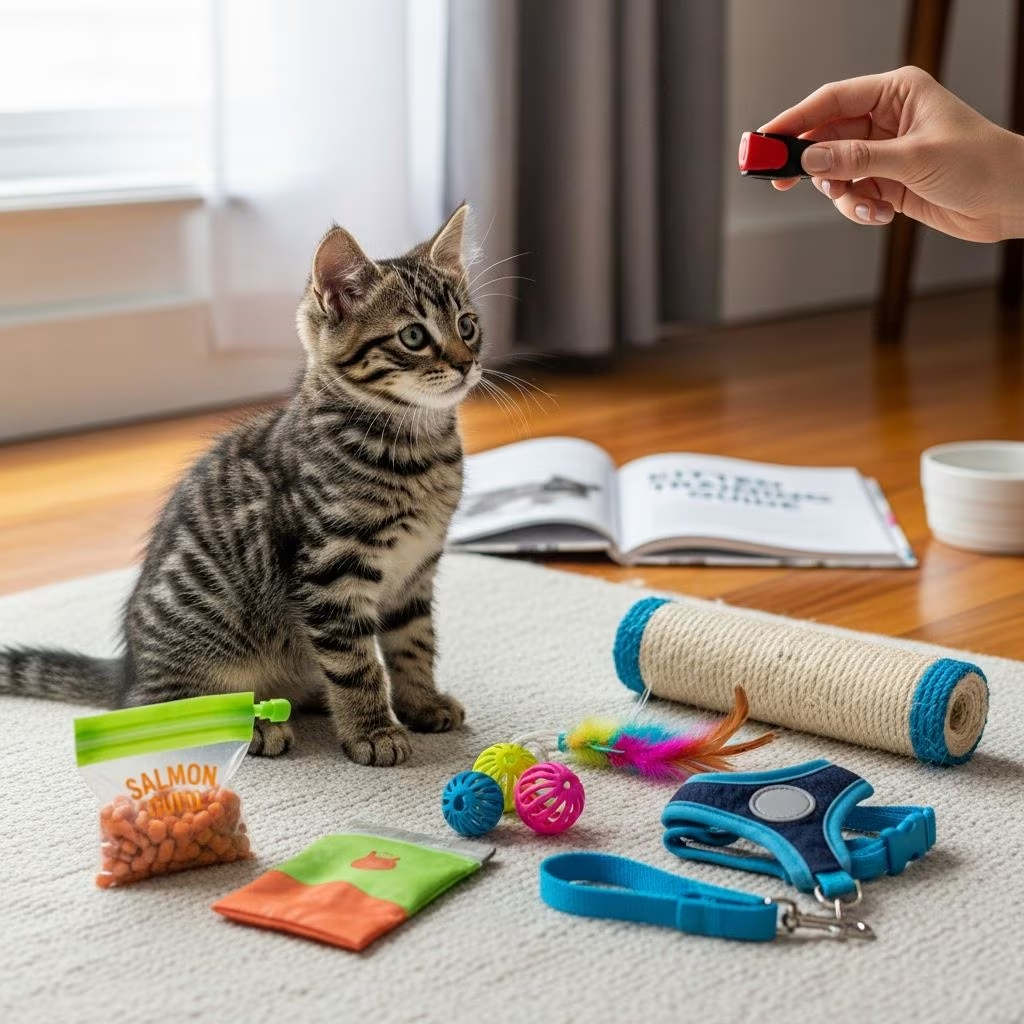
Bringing a new kitten into your home opens the door to joyful companionship, but it also requires thoughtful guidance to shape desirable behaviors. Effective training leverages a kitten’s natural curiosity and playfulness, focusing on positive reinforcement to foster trust and responsiveness. By starting early and maintaining consistency, owners can prevent common issues like litter box avoidance or excessive scratching, leading to a harmonious household.
Why Early Training Matters for Kittens
Kittens enter a critical developmental window between 2 and 7 weeks where socialization and learning occur most rapidly. During this period, exposure to various stimuli helps them adapt confidently to new environments, people, and animals. Delaying training can result in fearfulness or unwanted habits that are harder to correct later. Research shows that structured sessions, even as short as five minutes daily, yield significant progress in behaviors like sitting or targeting.
Preparation is foundational. Stock up on high-value treats, such as small pieces of meaty food, a clicker for precise marking, and interactive toys. Select a quiet space free from distractions to keep sessions focused and productive. Consistency across family members ensures the kitten receives clear signals, accelerating learning.
Mastering Litter Box Habits
One of the first priorities is establishing reliable litter box use, as accidents can strain the owner-pet relationship if mishandled. Place the box in a low-traffic, accessible spot with soft, unscented litter to mimic natural digging instincts. After meals, naps, or play, gently place the kitten inside and praise any scratching motion.
- Monitor and guide: Escort the kitten to the box post-activity; reward digging or elimination with treats.
- Clean promptly: Use enzymatic cleaners to erase scents from mishaps, preventing repeat offenses.
- Avoid punishment: Scolding creates anxiety, worsening issues; focus on redirection instead.
Most kittens adapt within days, but persistence pays off. If problems persist, consult a vet to rule out medical causes.
Building Comfort with Handling and Restraint
Future vet visits, grooming, and cuddles demand that kittens tolerate handling without stress. Begin by supporting their body fully, holding close to your chest while stroking gently and speaking softly. Gradually introduce varied positions: tummy-up for nail trims or legs extended for exams.
| Handling Step | Purpose | Reward Method |
|---|---|---|
| Chest hold | Builds security | Verbal praise + pet |
| Arm cradle | Preps for carrying | Treat after 10 seconds |
| Back exposure | Simulates vet checks | Click + high-value food |
Pair each step with rewards to associate touch with positivity. Short daily sessions prevent overwhelm.
Socialization: Key to a Confident Cat
A well-socialized kitten navigates life boldly. Introduce diverse experiences gradually: household noises, gentle strangers, and other pets. The prime window closes around 7 weeks, so prioritize variety without overload.
- People: Invite calm visitors; let kitten approach on terms.
- Textures/Sounds: Offer novel surfaces and recordings at low volume.
- Animals: Supervised playdates if adopting young.
Track progress with a checklist, noting reactions to ensure balanced exposure. This reduces adult anxiety dramatically.
Core Commands: Sit, Come, and Stay
Basic obedience enhances safety and bonding. Use luring for ‘sit’: Hold a treat above the nose, moving back so the rear drops; mark with a clicker or ‘yes’ and reward instantly.
- Say ‘sit’ as butt touches ground.
- Deliver treat only in position.
- Repeat 5-10 times per session.
For ‘come,’ use a cheerful tone and treats from a distance, gradually increasing space. ‘Stay’ builds by marking brief pauses before release. Short, fun sessions—under 5 minutes—match short attention spans.
Addressing Play Biting and Scratching
Kittens test boundaries through rough play, but this must be redirected. Provide scratching posts, wand toys, and tunnels as outlets. If teeth or claws contact skin, emit a high-pitched yelp, withdraw attention, and offer a toy instead.
- Firm ‘no’ in a neutral tone for correction.
- Never use hands as toys to avoid mixed signals.
- Daily play mimics hunting, tiring them out.
Consistency curbs instincts into appropriate channels.
Advanced Skills: Harness, Tricks, and Crate Comfort
For outdoor adventures, acclimate to a harness indoors: Drape it first, then fasten briefly, extending time with rewards. Crate training eases travel; feed meals inside to build positive associations.
Fun tricks like ‘high-five’ or ‘spin’ engage minds. Employ shaping: Reward approximations toward the goal, using a clicker for precision. Studies confirm shelter cats master such feats in weeks. Levels progress from routines to complex obedience amid distractions.
Nutrition’s Role in Training Success
A fueled kitten learns best. Opt for balanced wet foods supporting growth, portioned by age/weight with constant water access. Reserve training treats as meal bits to avoid overfeeding.
Maintaining Momentum: Patience and Positivity
Positive reinforcement—treats, praise, play—outshines punishment, boosting repetition of good behaviors. Stay calm; kittens mirror tension. Daily routines cement habits through repetition.
Short, frequent sessions trump marathon efforts. Celebrate milestones to sustain motivation.
Common Pitfalls and Fixes
| Issue | Solution |
|---|---|
| Inconsistent cues | Family training alignment |
| Fearful reactions | Slower pacing, more rewards |
| Boredom | Vary tricks, add play |
FAQs
At what age should I start training my kitten?
Begin as early as 8 weeks; the 2-7 week socialization peak is ideal, but older kittens respond well too.
Is clicker training suitable for kittens?
Yes, its clear marker excels for precise behaviors, with 79% success in nose-touching per studies.
What if my kitten ignores commands?
Boost treat value, shorten sessions, ensure hunger timing; consistency resolves most cases.
Can I train multiple kittens together?
Possible, but individual sessions prevent competition; group play aids socialization.
How long until results show?
Basics like sit emerge in days; advanced skills take weeks with daily practice.
References
- Kitten Training: 20 Tips for Training Your New Cat — SHEBA®. Accessed 2026. https://www.sheba.com/lifestyle/kitten-training
- 8 Expert Tips for Training Your Kitten — Vital Essentials Raw Pet Food. Accessed 2026. https://www.vitalessentials.com/raw-guide/raising-a-well-behaved-kitten-8-expert-tips-for-training-your-kitten
- Training Kittens: A Guide to Raising Well-Behaved Cats — Charlotte Kennels. 2024-07-12. https://charlottekennels.com/2024/07/12/training-kittens-a-guide-to-raising-well-behaved-cats/
- Ultimate Guide to Cat Training — Outdoor Bengal. Accessed 2026. https://www.outdoorbengal.com/blogs/clicker-training-cats/cat-training-guide
- How to train a cat — British Psychological Society. Accessed 2026. https://www.bps.org.uk/psychologist/how-train-cat
- How to Train Cats and Kittens — A House We Built. Accessed 2026. https://www.ahousewebuilt.com/cat-training-tips/
- Kitten Socialization Checklist — San Diego Humane Society. Accessed 2026. https://sdhumane.org/resources/kitten-socialization-checklist/



