

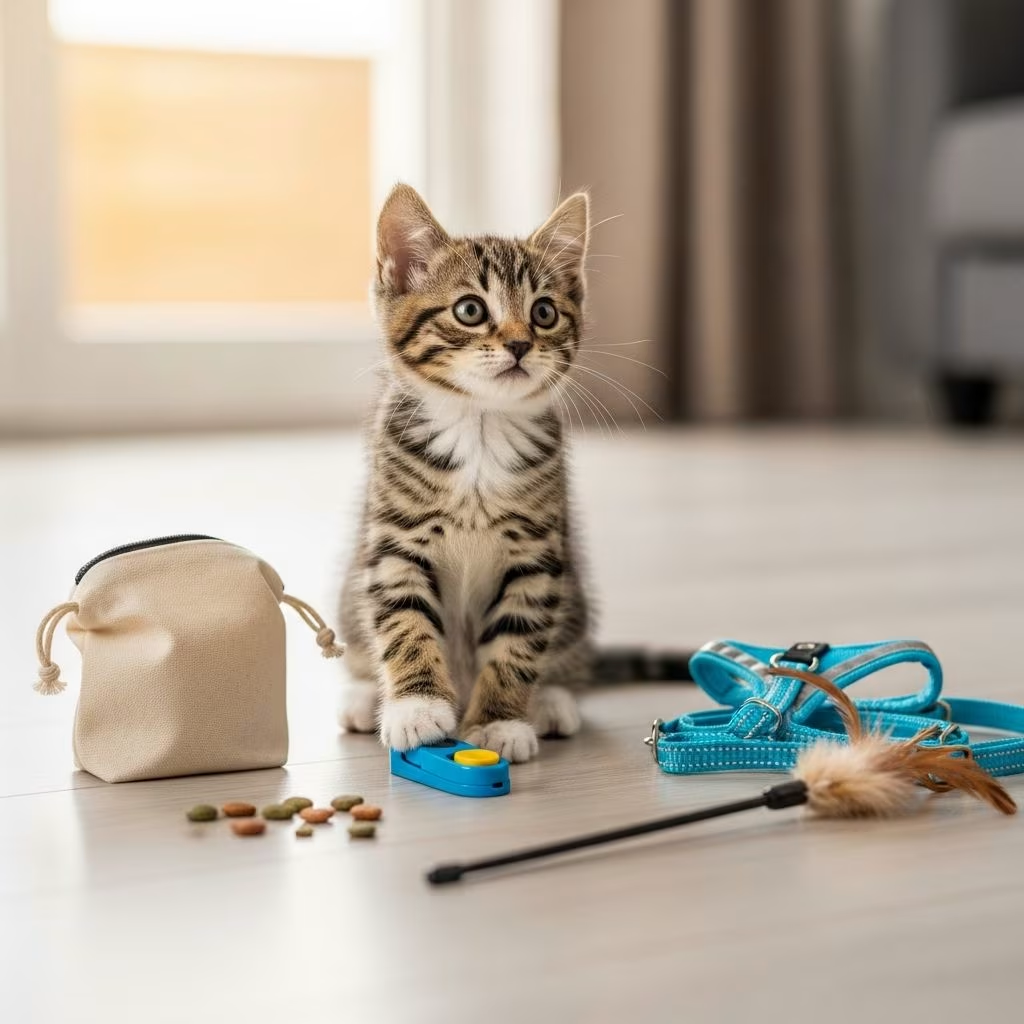
Bringing a new kitten into your home marks the start of an exciting journey filled with playfulness and learning opportunities. Effective training during these early weeks lays the groundwork for a harmonious relationship, preventing behavioral issues as your kitten matures into adulthood. Focus on positive methods to encourage good habits in areas like litter use, responding to cues, and interacting with your environment.
Why Early Training Matters for Your Kitten
Kittens enter your life at an optimal age for learning, typically between 8 and 12 weeks, when their curiosity peaks and their brains are highly receptive to new experiences. This period shapes their responses to stimuli, helping them distinguish appropriate actions from undesirable ones. Starting promptly ensures they develop into confident, adaptable companions who respect household boundaries.
Training fosters emotional stability by associating commands, gestures, or sounds with rewards, creating a clear communication channel. Without guidance, natural instincts like scratching or exploring may lead to destructive habits. Consistent efforts yield emotionally balanced adults who thrive in family settings.
Core Principles of Positive Reinforcement Training
At the heart of successful kitten training lies positive reinforcement, a method endorsed by veterinary experts for its effectiveness and gentleness. Reward desired behaviors immediately with treats, verbal praise, or affectionate pets to strengthen neural pathways linking actions to positive outcomes.
- Timing is crucial: Deliver rewards within seconds of the behavior to ensure accurate association.
- Keep sessions short: Limit to 10-15 minutes to match their brief attention spans and prevent frustration.
- Use consistent cues: Single words like “sit” or hand signals repeated uniformly build reliability.
- Incorporate play: Toys and interactive games make learning engaging, channeling energy productively.
Avoid punishment, as it instills fear and erodes trust. Instead, redirect unwanted actions gently, preserving your kitten’s enthusiasm for training.
Mastering Litter Box Habits from Day One
Litter training stands as the foundational skill for any indoor kitten, promoting hygiene and reducing household mishaps. Select a spacious, low-sided box placed in a quiet, accessible spot away from food areas to encourage instinctive use.
Introduce the box right after meals, naps, or play sessions—prime times for elimination needs. Gently place your kitten inside, allowing them to paw the litter naturally. Praise lavishly upon success to reinforce the routine.
| Common Litter Issues | Solutions |
|---|---|
| Accidents outside the box | Thoroughly clean with enzymatic cleaners to erase scents; ensure box accessibility. |
| Avoidance of the box | Try different litter types; rule out medical issues with a vet visit. |
| Overfilled box | Scoop daily and fully change weekly to maintain appeal. |
Most kittens adapt quickly due to innate cleanliness drives, but persistence pays off if setbacks occur.
Building Obedience with Basic Commands
Teaching simple commands equips your kitten with essential self-control and responsiveness. Begin in a distraction-free zone, using high-value treats to lure them into position.
Step-by-Step for “Sit” and “Stay”
- Sit: Hold a treat above their nose, moving it back slowly so their bottom lowers naturally. Say “sit” as they comply, then reward.
- Stay: From a sit, extend your palm like a stop sign while saying “stay.” Step back briefly, return, and praise before releasing with “okay.” Gradually increase duration.
- Come: Use an excited tone and crouch low, rewarding approaches to build recall reliability.
Practice daily, advancing to varied locations once mastered. These skills enhance safety, like preventing dashes out doors.
Handling and Trust-Building Touches
Gentle handling from early on desensitizes kittens to touch, vital for grooming and vet exams. Start with familiar scents on your hands, progressing to chin scratches and ear rubs. Reward tolerance with treats, gradually introducing belly pets or picks-ups during calm moments.
Socialization: Key to a Confident Companion
Socialization exposes kittens to diverse stimuli during their critical window (up to 12 weeks), reducing fear responses later. Introduce household members, sounds, textures, and gentle handling progressively.
- Host controlled visits from friends, rewarding calm interactions.
- Play recordings of vacuums or doorbells at low volumes, pairing with playtime.
- Acclimate to carriers by feeding inside, associating them with positivity.
For multi-pet homes, supervised meetings with resident animals prevent aggression. Play therapy burns energy while teaching bite inhibition through toy redirection.
Fun Tricks to Stimulate Their Mind
Beyond basics, tricks like paw shakes or high-fives boost mental engagement and bonding. Employ clicker training: charge the device by clicking and treating repeatedly until the sound predicts rewards.
Paw Gesture Tutorial
Sit at eye level, extend your hand near a front paw, and say “paw.” Gently lift if needed, clicking and treating on contact. Repeat until they offer voluntarily. Variations include waves or fist bumps for added flair.
Target training with a stick guides them to touch objects, expandable to fetching or weaving. These activities combat boredom-induced mischief.
Nutrition’s Role in Training Success
A structured feeding routine supports focus during sessions. Offer small, frequent meals tailored to age and activity, avoiding free-feeding to prevent begging. Use mealtimes for command practice, like sitting before delivery.
Portion control curbs overeating risks; consult vets for calorie needs. High-quality wet foods hydrate and satisfy, enhancing treat motivation.
Addressing Play Aggression and Scratching
Kittens’ pouncing and nipping stem from hunting instincts—redirect promptly with toys. Hiss or say “no” firmly, then engage a wand toy to shift focus. Provide ample scratch posts, luring with feathers to designate approved surfaces.
For counter jumping, make surfaces unappealing with tape while offering elevated perches. Consistency across household members reinforces rules.
Frequent Training Pitfalls and Fixes
New owners often err by prolonging sessions, ignoring fatigue cues like yawning or tail flicks. Balance with free play to sustain interest.
- Inconsistency: Align family on methods to avoid confusion.
- Neglecting body language: Watch ears, eyes, and posture for stress signals.
- Skipping vet checks: Rule out health issues mimicking misbehavior.
Patience trumps speed; celebrate incremental progress.
Advanced Social Dynamics in Multi-Pet Homes
Integrating kittens with dogs or other cats requires gradual intros through scent swapping and barred-door observations. Reward parallel play, intervening in overstimulation. Professional behaviorists aid complex cases.
Tools and Toys for Effective Training
Invest in clickers, feather wands, puzzle feeders, and varied scratchers. These enrich sessions, promoting physical and cognitive health.
FAQs
How long does litter training take?
Most kittens master it within days, but full reliability may take weeks with consistent reinforcement.
What if my kitten ignores commands?
Boost motivation with tastier treats or shorter distances; ensure no distractions.
Can older kittens be trained?
Yes, though early starts yield best results; persistence works at any age.
Is clicker training suitable for all kittens?
Absolutely—its precision accelerates learning for most.
How to stop nighttime zoomies?
Enforce evening play and meals to tire them before bed.
References
- How to train a kitten—a no-fuss guide for new cat parents — Untamed. 2022-09-22. https://untamed.com/blogs/cat-care/how-to-train-a-kitten
- Kitten Care 101: Vet Approved Guide for the First Year — MedVet. N/A. https://www.medvet.com/kitten-care-101-vet-approved-guide/
- Training Kittens: A Guide to Raising Well-Behaved Cats — Charlotte Kennels. 2024-07-12. https://charlottekennels.com/2024/07/12/training-kittens-a-guide-to-raising-well-behaved-cats/
- Managing Kitten Behavior with Obedience Training — Hill’s Pet US. N/A. https://www.hillspet.com/cat-care/training/kitten-obedience-training
- Kitten Behavior and Training: Tips and Resources — VCA Animal Hospitals. N/A. https://vcahospitals.com/pediatric/kitten/behavior-training



