Kitten Training Essentials: Ultimate Guide For New Cat Owners
Master the art of raising a well-behaved kitten with proven techniques for litter training, commands, socialization, and fun tricks that strengthen your bond.
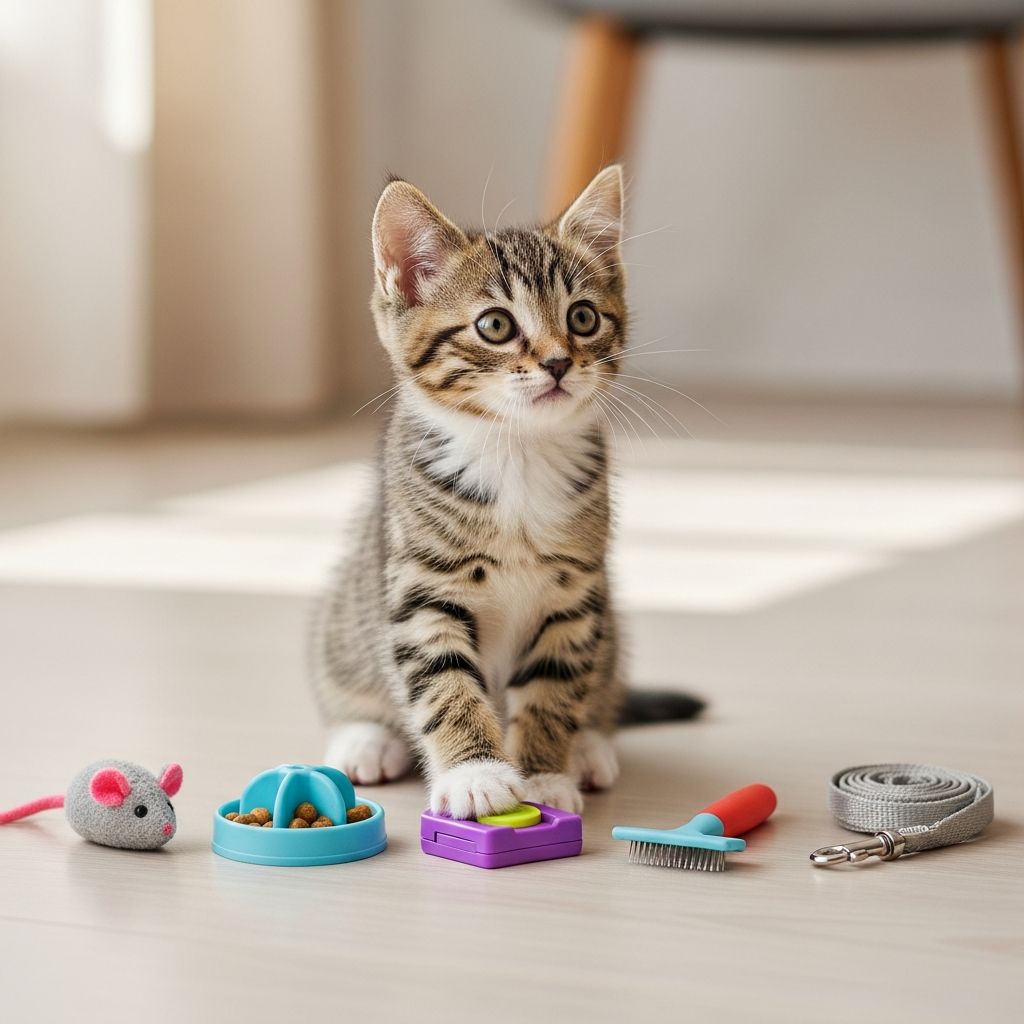
Kitten Training Essentials
Bringing a new kitten into your home opens the door to joyful companionship, but it also requires guidance to shape their behaviors early on. Effective training leverages a kitten’s natural curiosity and playfulness, focusing on positive methods to encourage good habits while discouraging unwanted ones. This comprehensive guide outlines practical steps for new owners, drawing from established feline behavior principles to help your kitten thrive.
Why Train Your Kitten Early
Starting training between 7 and 12 weeks old capitalizes on a kitten’s impressionable stage, when they absorb lessons quickly and form lasting routines. Early intervention prevents issues like furniture scratching or improper elimination, fostering a harmonious household. Consistent efforts build trust, reduce stress during vet visits, and enhance mental stimulation, leading to a confident adult cat.
Training isn’t about dominance; it’s partnership. Kittens respond best to rewards that motivate repetition of desired actions, creating associations between cues and positive outcomes. Patience yields a pet that’s easier to care for long-term.
Core Principles of Positive Reinforcement
The foundation of successful kitten training is positive reinforcement, rewarding good behavior with treats, praise, or play to encourage repetition. Avoid punishment, which can erode trust and provoke fear-based responses. Key elements include:
- Consistency: Use the same cues and routines daily across all household members to prevent confusion.
- Short Sessions: Limit training to 5-10 minutes to match a kitten’s attention span, ending on a high note.
- Timing: Reward immediately after the behavior to strengthen the link between action and prize.
- Quiet Environment: Minimize distractions for focused learning.
Incorporate tools like clickers, which produce a distinct sound paired with rewards, accelerating learning through precise feedback. Hand signals and voice commands add variety, catering to a kitten’s sharp senses.
Mastering Litter Box Habits
Litter training is often the first priority, as kittens instinctively seek clean, sandy spots. Place the box in a quiet, accessible location away from food and water. After meals, naps, or play, gently escort your kitten to the box and simulate digging with their paws if needed. Praise lavishly upon success.
Maintain cleanliness by scooping daily and fully changing litter weekly. If accidents occur, clean thoroughly with enzymatic cleaners to erase scents. Common pitfalls include covered boxes for shy kittens or relocation without gradual transition. Most kittens master this within days, solidifying hygiene routines.
| Age | Expected Milestone | Tips |
|---|---|---|
| 4-8 weeks | Instinctive use | Multiple shallow boxes available |
| 8-12 weeks | Consistent solo use | Reward post-use |
| 3+ months | Fully independent | Monitor for health issues if regression |
Essential Obedience Commands
Teach foundational commands to promote safety and control. Begin in a distraction-free zone with high-value treats.
Teaching ‘Sit’
Hold a treat above your kitten’s nose, moving it back so their head tilts and rear lowers. Say ‘sit’ as their bottom touches the ground, then click or praise and reward instantly. Repeat 5-10 times per session. Within a week, most kittens respond to the verbal cue alone.
‘Come’ and ‘Stay’
For ‘come,’ use an enthusiastic tone, lure with a treat, and reward arrival. Practice across short distances, gradually increasing. ‘Stay’ builds from sit: say the command, step back briefly, then return to reward. Use a hand signal like an open palm for clarity.
These commands aid in recall during play or emergencies, enhancing daily management.
Socialization for a Friendly Feline
Socialization exposes kittens to people, animals, sounds, and handling, preventing fearfulness. Between 2-7 weeks is critical, but continue through adolescence.
- Introduce household scents and gentle petting on cheeks or chin, progressing to full-body holds.
- Host calm visitors, rewarding relaxed interactions.
- Supervised playdates with vaccinated pets build tolerance.
- Acclimate to carriers, brushes, and nail trimmers via positive associations.
Handle in varied positions—cradled, on back, or tummy up—to prepare for grooming and exams. If resistance arises, pause and retry later with extra rewards.
Redirecting Natural Instincts
Kittens scratch to mark territory and maintain claws, but direct this to posts. Rub catnip on the post, demonstrate scratching, and reward use. If they target furniture, interrupt gently and guide to the post. Soft-paw covers offer interim protection.
Leash training expands adventures: Fit a harness indoors first, associating with treats, then attach a drag-line before outdoor walks. Always supervise.
Fun Tricks to Boost Bonding
Once basics are solid, tricks provide enrichment. Progress from simple to complex.
Paw Shakes and High-Fives
Sit at eye level, say ‘paw’ or ‘shake,’ gently lift a front paw, and reward. Fade the lift over sessions for voluntary response. Advance to fist-bumps or waves with target sticks.
Target Training and Fetch
Use a stick or toy as a target; reward nose-touches. Shape into spins or jumps. For fetch, roll toys and excite retrieval, praising returns.
These engage their hunter mindset, combating boredom-induced mischief.
Common Challenges and Fixes
Biting/Scratching: During play, yelp sharply and withdraw attention to mimic littermate feedback. Redirect to toys.
Nighttime Zoomies: Enforce play-sleep cycles with evening sessions and bedtime treats in carriers.
Litter Regression: Rule out medical causes; stress reducers like pheromones help.
Patience prevents escalation; track progress in a journal.
Tools and Supplies Checklist
- Clicker and treats (small, soft pieces)
- Harness/leash set
- Scratching posts (sisal, varied heights)
- Litter boxes (one per cat + one extra)
- Enzymatic cleaners
- Interactive toys (wands, balls)
Frequently Asked Questions
Can all kittens be trained?
Yes, with positive methods tailored to their personality. Breeds like Siamese may learn faster, but persistence works for all.
How long until results show?
Basics in 1-2 weeks; tricks in 4-6 with daily practice.
What if my kitten ignores commands?
Increase treat value, shorten sessions, or check for distractions/hunger.
Is clicker training necessary?
Not essential but highly effective for precision; voice markers suffice.
Training adult rescues?
Possible, though slower; focus on counter-conditioning fears.
References
- How to train a kitten—a no-fuss guide for new cat parents — Untamed. 2023. https://untamed.com/blogs/cat-care/how-to-train-a-kitten
- Training a Kitten: A Beginner’s Guide — MissyMoMo. 2023. https://missymomo.com/blogs/all-things-cats/training-a-kitten-a-beginners-guide
- 8 Expert Tips for Training Your Kitten — Vital Essentials. 2023. https://www.vitalessentials.com/raw-guide/raising-a-well-behaved-kitten-8-expert-tips-for-training-your-kitten
- Kitten Training: 20 Tips for Training Your New Cat — SHEBA. 2023. https://www.sheba.com/lifestyle/kitten-training
- How to Train a Cat: The Beginner’s Guide to Good Kitty Behavior — Pumpkin. 2023. https://www.pumpkin.care/post/how-to-train-a-cat
- Tips for Raising a Kitten Into a Confident Cat — Purina. 2023. https://www.purina.com/articles/cat/kitten/health/raising-a-kitten
Similar Articles








Read full bio of medha deb