

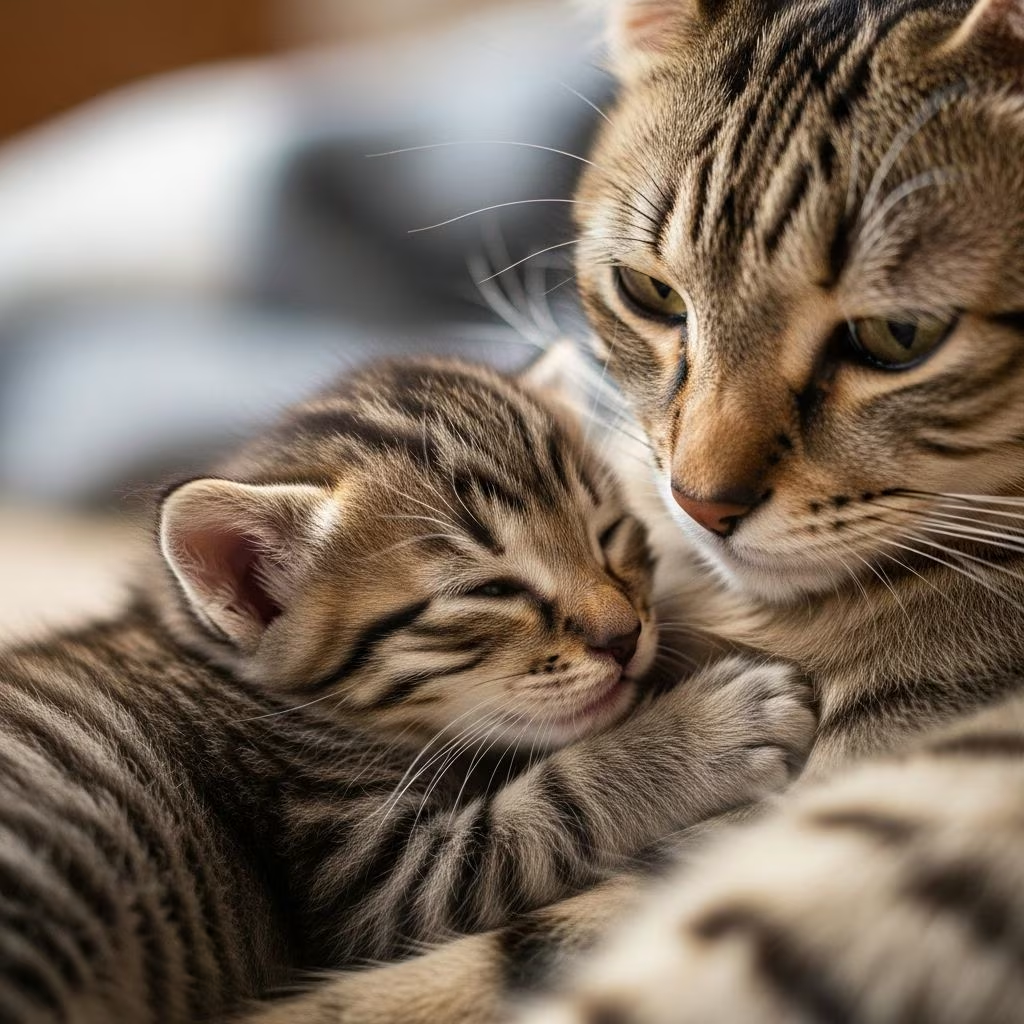
Kitten suckling is a common behavior where young cats rhythmically suck on objects, fabrics, or even other cats, often kneading with their paws. This action stems from their nursing instincts developed during early life with their mother. While it’s typically normal in kittens up to 6-7 weeks, it can persist into adulthood, especially in those separated from their mother too early. Understanding the causes, distinguishing normal from problematic suckling, and knowing when to intervene is essential for cat owners.
What Is Kitten Suckling?
Suckling in kittens mimics the nursing process they perform on their mother’s teats. It involves rhythmic sucking motions, often accompanied by purring, kneading paws, and drooling. Unlike true nursing, which provides milk, suckling is usually non-nutritive, serving as a self-soothing mechanism. Kittens may target soft fabrics like blankets, wool, their own fur, siblings, or even human skin and clothing.
This behavior peaks during the neonatal stage (0-2 weeks), when kittens orient toward their mother’s warmth and milk scent. As they enter the socialization period (2-7 weeks), suckling transitions from nutritional need to comfort, continuing even after weaning around 6-7 weeks.
Is Kitten Suckling Normal?
Yes, kitten suckling is entirely normal during early development. Kittens weaned at the appropriate time (6-7 weeks) may continue suckling their mother or littermates for emotional comfort as she gradually withdraws. This helps them develop social skills, coordination, and security. Handled 15-40 minutes daily in the first seven weeks, kittens become more exploratory and better learners, reducing long-term behavioral issues.
However, normalcy depends on context:
- Neonatal phase (0-2 weeks): Essential for survival; eyes open by week 2, suckling aids rank competition and bonding.
- Socialization (2-7 weeks): Sight, smell, and hearing mature; suckling supports grooming, play, and motor skills.
- Post-weaning (7+ weeks): Occasional suckling on soft items is fine if not compulsive.
Ideal litter stay is 12 weeks minimum to model proper behavior and prevent issues.
Why Do Kittens Suckle?
Several factors drive kitten suckling:
- Early weaning or orphaning: Kittens separated before 6-7 weeks lack maternal comfort, leading to persistent suckling. Orphaned kittens are nearly six times more likely to suck on littermates, targeting stomachs and genitals.
- Comfort and stress relief: Non-nutritive sucking soothes anxiety, mimicking mother’s warmth. Common in bottle-fed or single kittens.
- Developmental stages: During 7-14 weeks (active play), social licking and suckling build coordination. Ranking (3-6 months) and adolescence (6-18 months) may intensify if unaddressed.
- Environmental triggers: Soft textures resembling fur trigger instincts; multi-cat homes see sibling suckling.
Research from UC Davis shows bottle-feeding and early separation heighten risks, with males often targeted.
When Is Kitten Suckling a Problem?
Suckling becomes problematic when excessive, compulsive, or harmful:
- Adult persistence: Beyond 6-12 months, especially on fabrics (wool sucking), leading to ingestion and health risks like pica or GI blockages.
- Compulsive traits: Loud vocalizing, fixed focus on one area, or self-suckling indicating pain or distress.
- Physical damage: Swollen/wet genitals in suckled kittens signal infection risk; separate immediately.
- Behavioral escalation: From suckling to biting, aggression, or dominance challenges in adolescence.
Orphaned or early-weaned cats are prone; play-motivated aggression often co-occurs in young cats. Health issues like GI disorders can mimic or cause excessive licking.
| Normal Suckling | Problematic Suckling |
|---|---|
| Occasional, with purring/kneading | Compulsive, daily, destructive |
| On mother/siblings post-weaning | On fabrics/humans causing harm |
| Fades by 12 weeks | Persists into adulthood |
| No distress signs | Swollen areas, biting, loud cries |
How to Stop Kitten Suckling
Discourage gently without punishment:
- Prevent access: Remove tempting fabrics; use bitter sprays on blankets.
- Separate siblings: If nursing each other, isolate unsupervised for 10+ days; monitor closely.
- Enrich environment: Provide toys, scratching posts, playtime to redirect energy. Daily interaction builds confidence.
- Positive reinforcement: Reward non-suckling with treats/praise; ignore attempts.
- Consult vet: Rule out medical causes; consider Feliway diffusers for stress.
For adolescents, spay/neuter curbs sexual elements. Most outgrow with time and consistency.
Developmental Stages of Kitten Behavior
Understanding stages contextualizes suckling:
- 0-2 weeks (Neonatal): Sound orientation, eyes open; suckling for milk and rank.
- 2-7 weeks (Socialization): Sensory maturity, walking, grooming, pouncing; comfort suckling begins.
- 7-14 weeks (Active Play): Social/object play (hugging, pouncing); observation learning.
- 3-6 months (Ranking): Dominance establishment with household.
- 6-18 months (Adolescence): Exploration, possible sexual behavior.
Cats remain ‘kitten-like’ mentally up to 2 years.
FAQs
Why does my adult cat still suckle on blankets?
Early weaning likely causes this comfort-seeking; provide alternatives and redirect.
Is it okay if kittens suckle each other?
Normal briefly, but separate if genitals swell or it’s excessive to prevent harm.
How long should kittens stay with mom?
At least 12 weeks for proper socialization and to minimize suckling issues.
Can suckling indicate health problems?
Yes, check for GI issues or pain if compulsive.
Will my kitten outgrow suckling?
Often yes, with intervention; monitor through adolescence.
This comprehensive guide empowers owners to support healthy development. Early intervention ensures happy, well-adjusted cats.
References
- Developmental Stages of Kitten Behavior — Seattle Humane. Accessed 2026. https://www.seattlehumane.org/resource-library/developmental-stages-of-kitten-behavior/
- Developmental Stages of Kitten Behavior — Safe Haven Humane Society. Accessed 2026. https://safehavenhumane.org/developmental-stages-of-kitten-behavior/
- Developmental Stages of Kitten Behavior — PAWS. Accessed 2026. https://www.paws.org/resources/developmental-stages-of-kitten-behavior/
- Kitten Suckling and Nursing Behavior Explained — Lollimeow Pet. Accessed 2026. https://lollimeowpet.com/blogs/news/kitten-suckling-and-nursing-behavior-explained
- Lacking a Mother, Orphaned Kittens Turn to Nursing on Each Other — UC Davis School of Veterinary Medicine. Accessed 2026. https://www.vetmed.ucdavis.edu/news/lacking-mother-orphaned-kittens-turn-nursing-each-other-new-uc-davis-study-explores-cross
- Sibling Sucking: What to Do When Kittens Nurse on Each Other — YouTube (Kitten Lady). Accessed 2026. https://www.youtube.com/watch?v=kE0fBKM-VdQ
- Cat Behavior Problems – Chewing and Sucking — VCA Animal Hospitals. Accessed 2026. https://vcahospitals.com/know-your-pet/cat-behavior-problems—chewing-and-sucking



