

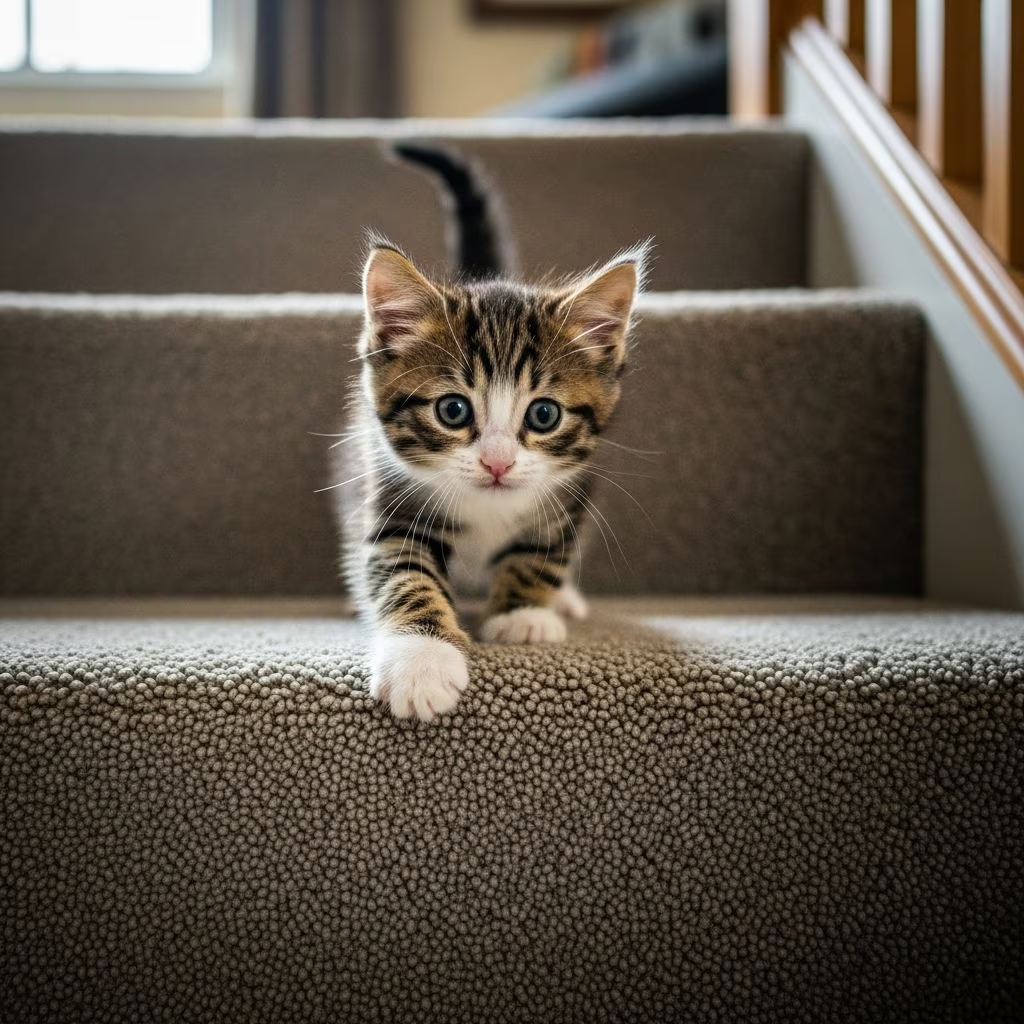
Young kittens possess remarkable agility and curiosity, enabling them to tackle stairs earlier than many pet owners expect. However, their small size and developing coordination present unique challenges that require careful management to prevent accidents.
Understanding Kitten Physical Development and Mobility
Kittens undergo rapid growth in their first few months, with motor skills evolving quickly. From birth, they begin with basic movements like crawling, progressing to walking around 3-4 weeks, and running by 5-6 weeks. Balance and depth perception sharpen over time, crucial for negotiating heights like stairs.
- At 4-6 weeks, kittens experiment with low steps or inclines, often tumbling playfully.
- By 8-12 weeks, most can descend stairs cautiously, using all four paws in a tentative crouch.
- Around 3-4 months, ascending becomes more confident as leg strength increases.
This progression varies by breed, health, and environment. Observant owners note that Siamese or active breeds may attempt stairs sooner, while others lag slightly.
When Do Kittens Gain Confidence on Stairs?
There is no universal age for stair mastery, but patterns emerge from veterinary observations. Most kittens handle short, shallow stairs by 10-12 weeks under supervision. Steeper or longer flights demand more maturity, often around 4-6 months.
| Age Range | Stair Skills | Typical Behaviors |
|---|---|---|
| 4-8 weeks | Minimal; mostly descends slowly | Crawls or belly-drags; high fall risk |
| 8-12 weeks | Basic navigation possible | Hops down; hesitates on up |
| 3-6 months | Proficient climber/descender | Bold ascents; playful bounding |
| 6+ months | Fully adept | Leaps confidently; minimal supervision needed |
Individual differences mean some kittens excel early, while shy or smaller ones need extra time. Monitor for signs of readiness, like steady gait on flat surfaces.
Potential Hazards of Stairs for Young Kittens
Stairs pose multiple risks due to kittens’ impulsiveness and physics-defying antics. Slips occur on slick surfaces, misjudged steps lead to tumbles, and open railings invite falls between gaps.
- Slippery treads: Polished wood or tile causes paws to skid.
- Clutter: Toys, shoes, or cords create tripping points.
- Height gaps: Balusters spaced too wide allow heads or bodies to slip through.
- Speed mishaps: Playful chases result in overzealous leaps.
In multi-story homes, unsupervised access amplifies dangers, potentially leading to sprains, fractures, or worse.
Essential Safety Modifications for Your Home
Proactive adjustments transform stairs into safer zones. Start with a thorough inspection, addressing slipperiness first.
- Apply non-slip mats or tape to each step edge for traction.
- Install expandable gates at top and bottom; opt for models with cat doors for older kittens.
- Secure loose items and vacuum regularly to eliminate debris.
- Check railings: Add plexiglass panels or mesh if gaps exceed 4 inches.
For open stairwells, temporary plywood barriers prevent edge play. These measures, combined with routine checks, minimize incidents significantly.
Supervision Strategies During Early Exploration
Nothing replaces attentive oversight. Accompany your kitten on initial stair trips, using treats to encourage slow, deliberate movements. Place a hand gently behind for reassurance without interfering.
- Schedule short sessions, 5-10 minutes, multiple times daily.
- Use a harness for extra security on tricky stairs.
- Observe body language: Ears back or frozen posture signals discomfort—retreat and try later.
As proficiency grows, gradually reduce intervention, transitioning to periodic checks.
Training Techniques to Build Stair Proficiency
Positive reinforcement accelerates learning. Lure with toys or food to guide paw placement, rewarding each successful step.
- Descending first: Easier due to gravity; practice on 2-3 steps.
- Ascending drills: Use shallow ramps initially for muscle building.
- Consistency: Same routine daily fosters muscle memory.
Avoid punishment for mishaps; it breeds fear. Patience yields a confident navigator.
Recognizing and Responding to Stair-Related Injuries
Falls happen despite precautions. Watch for limping, swelling, lethargy, or appetite loss post-incident. Minor bumps resolve with rest, but persistent issues warrant veterinary evaluation.
- Immediate actions: Isolate in a quiet space, apply cold compress to swells.
- Red flags: Non-weight-bearing limp, labored breathing, or vomiting—seek emergency care.
X-rays confirm fractures; early intervention prevents complications.
Long-Term Stair Use and Adult Cat Transitions
By 1 year, most cats treat stairs as playgrounds. Maintain safety features, especially for multi-cat homes where roughhousing occurs. Aging cats may need ramps or pet stairs later for joint relief.
FAQs on Kitten Stair Safety
Can very young kittens, like 6 weeks old, handle stairs?
At 6 weeks, navigation is rudimentary and risky. Limit access until 10-12 weeks with proven coordination.
Are carpeted stairs safer than hardwood for kittens?
Yes, carpet provides natural grip, reducing slips compared to slick hardwood.
How do I kitten-proof open stair railings?
Use vertical mesh netting or acrylic shields fitted securely to block gaps without obstructing views.
What if my kitten refuses to use stairs?
Some avoid heights initially; gentle encouragement works, but never force—carry if needed for essentials.
Should I block stairs permanently in a kitten household?
No, supervised access builds skills; permanent blocks hinder development unless health issues persist.
References
- Are staircases safe for kittens, or should I block them off? — Dial A Vet. 2023-01-15. https://www.dialavet.com/vet-answers/staircases-safe-for-kittens-215501
- 13 Practical Ways to Kitten-Proof Your Home — TheCatSite. 2024-05-20. https://thecatsite.com/c/kitten-proofing-your-home/
- 15 Kitten-Proofing To-Do’s Before Bringing a Kitten Home — PetMD. 2025-03-10. https://www.petmd.com/cat/emergency/dangerous-household-items-kittens
- Stairs, Safety, and Senior Cats – 10 Tips to Help Ease Your Cat Into His Golden Years — ZeeZoey. 2022-11-05. https://zeezoey.com/blog/stairs-safety-and-senior-cats-10-tips-to-help-ease-your-cat-into-his-golden-years/



