

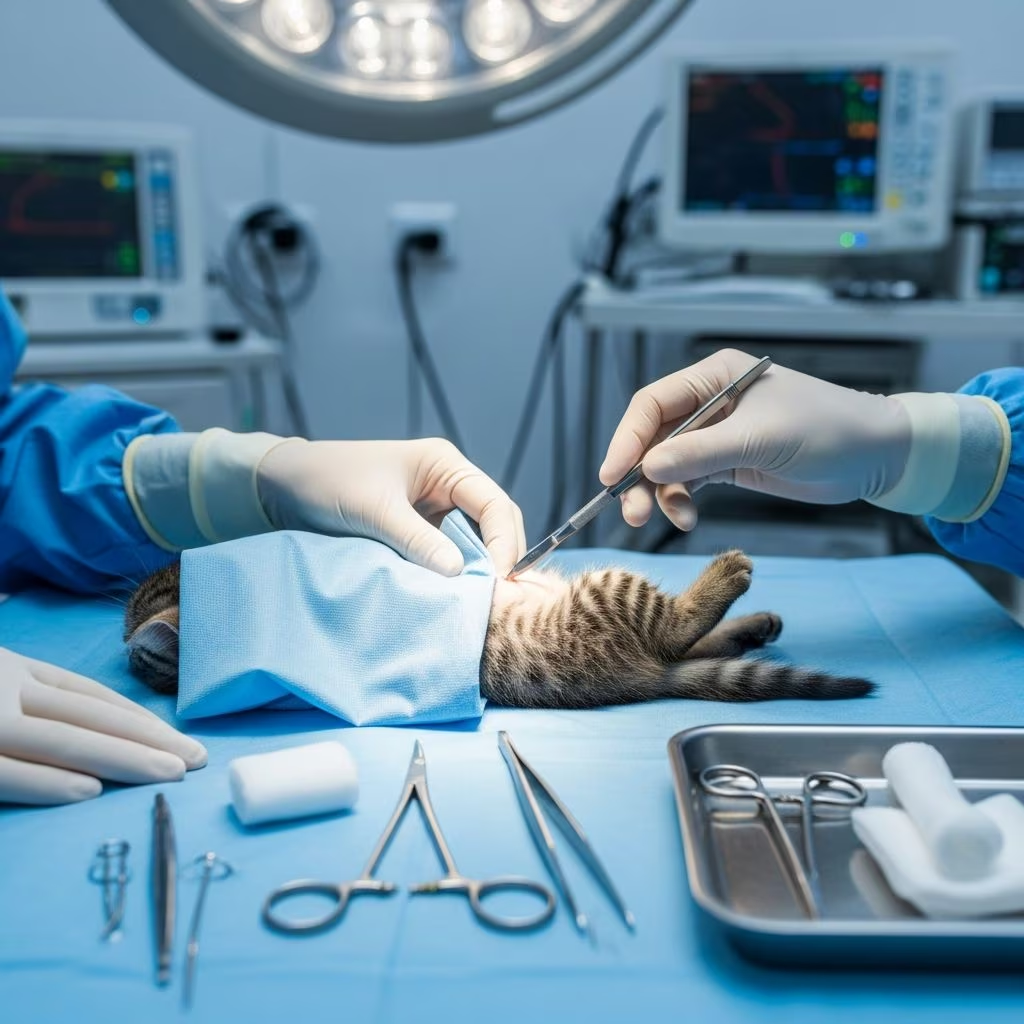
Understanding Kitten Spay Surgery: A Complete Guide From Start to Finish
Spaying is one of the most common surgical procedures performed on female cats and kittens. This preventive health measure not only eliminates your kitten’s ability to reproduce but also provides significant health and behavioral benefits. Understanding what happens during spay surgery can help alleviate anxiety and prepare you for the procedure and recovery process. This comprehensive guide walks you through every stage of kitten spay surgery, from initial preparation through complete recovery.
What Is Spaying and Why It Matters
Spaying, medically known as ovariohysterectomy, is a surgical procedure in which a veterinarian removes a cat’s ovaries and uterus. In the United States and Canada, veterinarians traditionally perform an ovariohysterectomy, while many veterinarians in Europe perform an ovariectomy (removal of ovaries only). Both procedures are equally safe and effective at preventing reproduction and eliminating heat cycles.
This major surgical procedure provides numerous benefits for your kitten, including eliminating the risk of ovarian and uterine cancers, preventing uterine infections (pyometra), and stopping the behavioral changes associated with heat cycles. Additionally, spayed cats generally have lower rates of mammary cancer when spayed before their first heat cycle.
Pre-Operative Preparation: Getting Your Kitten Ready
Proper preparation is essential for a successful spay surgery. Your veterinarian will provide specific instructions to follow before the scheduled procedure.
Pre-Surgery Physical Examination
Before scheduling surgery, your veterinarian will conduct a thorough physical examination of your kitten. During this exam, the veterinarian will listen carefully to your kitten’s heart and lungs to detect any abnormalities that might be problematic during anesthesia. Your kitten’s overall health, age, and weight will be assessed to ensure she is an appropriate candidate for surgery.
Diagnostic Testing
Your veterinarian may recommend blood work or urinalysis to check for underlying health issues before surgery. These diagnostic tests help identify any concerns that could affect anesthesia safety or surgical outcomes. For young, healthy kittens, these tests may not always be necessary, but they provide important baseline information and help detect silent health conditions.
Fasting Requirements
You will need to fast your kitten the night before surgery. This means withholding food for approximately 6-8 hours before the scheduled procedure. Fasting is critical because it reduces the risk of aspiration during anesthesia. However, you may usually give your kitten water until a few hours before surgery, depending on your veterinarian’s specific instructions. Always confirm the exact fasting timeline with your veterinary clinic.
Medication and Calming Medication
On the morning of surgery, your kitten may be given medication to keep her calm. This pre-anesthetic medication helps reduce anxiety and makes the transition to anesthesia smoother. Your veterinarian will advise whether to give any medications at home or if your kitten will receive them at the clinic.
Anesthesia Administration and Monitoring
Once you arrive at the veterinary clinic, your kitten will enter the surgical preparation phase.
Catheter Placement and IV Access
A small area of your kitten’s forearm will be shaved and cleaned so that a catheter can be placed into her vein. This catheter provides emergency access and allows the veterinarian to administer fluids during surgery if needed. IV fluids help maintain blood pressure and hydration throughout the procedure.
Anesthesia Induction
Medication will be given directly into your kitten’s vein to start anesthesia. An endotracheal tube will then be placed into her throat to allow oxygen and inhaled anesthesia to be delivered during the surgery. This tube ensures your kitten receives proper oxygen levels and allows the anesthetic gas to reach her lungs effectively.
Continuous Monitoring During Surgery
Monitoring equipment, such as an EKG or pulse oximeter, is attached to ensure your kitten’s safety during the spay. These devices continuously track your kitten’s heart rate, blood pressure, oxygen levels, and other vital signs throughout the procedure. Veterinary technicians watch these monitors carefully and adjust anesthesia levels as needed to maintain appropriate depth.
Surgical Site Preparation
Once your kitten is fully anesthetized and being monitored, the surgical team prepares the incision site.
Clipping and Disinfection
A small area of the belly will be shaved and scrubbed clean before the veterinarian starts the spay. The surgical site is typically located on the ventral abdominal midline, just below the umbilicus (belly button). The area is clipped to remove all hair and then thoroughly disinfected with surgical-grade antiseptic solution to minimize infection risk.
Sterile Draping
After disinfection, sterile surgical drapes are placed around the surgical site. These drapes maintain a sterile field and prevent contamination of the surgical area during the procedure.
The Surgical Procedure: Step-by-Step
Understanding the actual surgical steps can help you appreciate the complexity and precision involved in spay surgery.
Initial Incision
An incision is made through the skin layer of the ventral abdomen. This incision is relatively small, typically less than 2 centimeters in length for most kittens. A scalpel is used to create a precise opening through the skin.
Accessing the Abdominal Cavity
A hemostat or scissors is used to clear fat and tissue from the incision area, giving the surgeon an unobstructed view of the next layer. The surgeon then cuts through the linea alba, a central band of fibrous tissue, creating an opening that allows access to the abdominal organs.
Locating the Reproductive Organs
A spay hook is used to carefully sweep across the inside of the abdomen to locate the reproductive organs. The spay hook picks up either the uterine horn or the broad ligament (which is attached to the uterine horn), allowing the ovary to be pulled through the incision opening. Any extra tissue is placed back in the abdomen to maintain proper positioning.
Ligating the Ovarian Pedicle
To gain better access to the ovary, the suspensory ligament is severed and a window is made in the broad ligament. The pedicle (the blood vessel and connective tissue attached to the ovary) is then autoligated, meaning it is tied on itself in a knot. This self-tying technique ensures the blood vessels are securely closed to prevent bleeding.
Removing the First Ovary
Once the pedicle is secured, the ovary is cut away from the body. The knot is tightened and the surgeon confirms that there is no bleeding (hemostasis) and no remaining ovarian tissue before the pedicle is returned into the kitten’s body.
Removing the Second Ovary
The broad ligament is cleared away from the uterine horn, and the surgeon traces the tract to locate the second ovary. The entire process is repeated on the second side: the suspensory ligament is severed, a window is made, the pedicle is autoligated, the ovary is cut away, the knot is secured, and hemostasis is confirmed.
Removing the Uterine Body
Once both ovaries have been removed and any tissue has been cleared from the uterus, a strangle knot is used to tie off the uterine body. Additional knots may be placed in more complicated surgeries, such as those involving pyometras or pregnant spays. The knot is tightened using additional throws to secure it, and the uterine body is cut away. A small tissue tag is left behind and placed back inside the kitten’s body once the surgeon confirms hemostasis.
Closing the Surgical Incision
Proper closure in multiple layers helps ensure optimal healing and reduces the risk of complications.
Muscle Layer Closure
The muscle layer of the abdomen is closed with a special crisscrossing pattern called a cruciate pattern. Incisions less than 2 centimeters will typically need only one of these sutures, but a larger incision may require more. The sutures are secured using square knots to provide strength and stability.
Topical Anesthetic Application
After the muscle layer closure is complete, a veterinary assistant applies a small amount of topical anesthetic into the incision site for additional pain control. This extra measure helps reduce post-operative discomfort for your kitten.
Skin Closure
With the first layer of closure complete, the skin is closed with a “purse-string” closure. This suture pattern is secured with square knots, providing an aesthetic appearance and proper wound closure. The surgical incision will be closed with several layers of sutures, which are often removed after seven to ten days.
Barrier Protection
Tissue glue is applied to the top of the skin over the incision, which acts as a barrier to dirt and debris. This protective layer helps reduce the risk of infection during the healing process.
Sterilization Tattoo
Finally, a small, green tattoo is placed to indicate that the kitten has been sterilized. This tattoo is often placed next to the incision and serves as a permanent identification that the cat has been spayed.
Recovery From Anesthesia
After the surgical procedure is complete, your kitten will be woken up from anesthesia. The endotracheal tube is removed and your kitten is monitored closely as she regains consciousness. This recovery period typically takes 30 minutes to several hours, depending on the type and amount of anesthesia used. Your kitten may seem groggy, disoriented, or uncoordinated during initial recovery, which is completely normal.
Post-Operative Care and Recovery Timeline
Proper post-operative care is crucial for successful healing and preventing complications.
First 24 Hours After Surgery
During the first 24 hours following surgery, you should closely monitor your kitten for any signs of complications. Lethargy and some grogginess are normal immediately after surgery, but excessive lethargy, vomiting, or fresh blood at the incision site after 24 hours is NOT normal and should be reported to your veterinarian immediately.
Activity Restriction
During the recovery period, keep your kitten in a quiet, comfortable space where she can rest undisturbed. Restrict your kitten’s activity to allow the incision to heal properly. Avoid letting her jump, run, or play roughly for at least 7-10 days after surgery. Excessive activity can cause the incision to open or stitches to tear.
Incision Care
Keep the incision clean and dry. Do not bathe your kitten or allow the incision to get wet until the stitches are removed. If the incision becomes dirty, gently clean it with a damp cloth and pat dry. Watch for signs of infection, including increased redness, swelling, discharge, or an unpleasant odor.
Pain Management
Your veterinarian may prescribe pain medication to keep your kitten comfortable during recovery. Administer medications exactly as directed. If your kitten seems to be in pain despite medication, contact your veterinarian. Pain management is an important part of the healing process and can help prevent complications from excessive activity due to discomfort.
Diet and Water
You may offer your kitten water and a quarter to half amount of a regular diet after returning home from surgery. Start with small portions and gradually return to normal feeding amounts as your kitten’s appetite normalizes. Some kittens may feel nauseous from anesthesia, so starting with light meals is wise.
Suture Removal
Stitches are typically removed after seven to ten days. Your veterinarian will schedule a follow-up appointment for suture removal. During this visit, the incision will be examined to ensure proper healing has occurred. Most modern veterinary clinics use absorbable sutures that do not require removal, but your veterinarian will advise whether your kitten’s stitches need to be taken out.
Duration of the Surgical Procedure
Spay and neuter procedures typically take between 20 and 90 minutes to complete, depending on your kitten’s size and any specific medical considerations. Younger kittens with straightforward anatomy may have shorter procedures, while older cats or those with complications may require more time. Your veterinarian will provide an estimated timeframe when scheduling the surgery.
Alternative Surgical Techniques
While traditional open surgery is the most common approach, some veterinary clinics offer alternative techniques. The organs can be removed either laparoscopically (with surgical lasers) or with a traditional scalpel, both of which are safe. Laparoscopic techniques involve smaller incisions and may result in faster recovery, though they require specialized equipment and training.
Potential Complications and When to Call Your Vet
While spay surgery is generally safe, it is important to recognize signs of potential complications. Contact your veterinarian immediately if you notice:
– Excessive bleeding or discharge from the incision- Swelling, redness, or opening of the incision- Vomiting or inability to keep food down- Signs of infection such as fever or discharge- Lethargy or depression lasting more than 24 hours- Difficulty urinating or defecating- Inability to bear weight on hind legs- Excessive panting or difficulty breathing
Long-Term Benefits of Spaying
The benefits of spaying extend far beyond preventing reproduction. Spayed kittens are significantly less likely to develop certain cancers, particularly when spayed before their first heat cycle. Additionally, spaying eliminates the behavioral changes associated with heat cycles, including excessive vocalization, marking behavior, and the urge to roam. Your kitten will be calmer and easier to manage throughout her life.
Frequently Asked Questions About Kitten Spay Surgery
Q: At what age should my kitten be spayed?
A: Most veterinarians recommend spaying kittens between 4-6 months of age, though kittens as young as 8 weeks can be safely spayed. Spaying before the first heat cycle provides the maximum cancer prevention benefits.
Q: Is spay surgery painful for my kitten?
A: Kittens are under general anesthesia during the surgery, so they do not feel pain during the procedure. Post-operative pain is managed with prescribed pain medications, and most kittens recover comfortably within a few days.
Q: How much does kitten spay surgery cost?
A: The cost varies depending on your location, veterinary clinic, and your kitten’s age and health status. Most veterinary clinics provide cost estimates during the pre-operative consultation.
Q: Will my kitten gain weight after being spayed?
A: Spayed cats may have a slightly slower metabolism, but weight gain is not inevitable. Maintaining appropriate portion sizes and regular exercise helps prevent post-spay weight gain.
Q: How long is the recovery period after spay surgery?
A: Most kittens recover within 7-10 days, though complete healing of the incision takes up to two weeks. Activity restriction during this period is important for proper healing.
Q: Can I take my kitten home the same day as surgery?
A: Yes, in most cases, kittens can go home the same day after they have fully recovered from anesthesia. Your veterinarian will advise on the specific pickup time and provide detailed post-operative instructions.
References
- The Cat Spay Simplified – An Overview for Veterinary Assistants — Veterinary Education Video. 2025. YouTube transcript on spay surgery procedure and techniques.
- Efficient Spay/Neuter Techniques (Proceedings) — DVM360. 2025. https://www.dvm360.com/view/efficient-spayneuter-techniques-proceedings
- Cat Spay: Benefits, Cost, and How To Prepare Your Cat — PetMD. 2025. https://www.petmd.com/cat/procedure/cat-spay
- Spaying in Cats — VCA Animal Hospitals. 2025. https://vcahospitals.com/know-your-pet/spaying-in-cats
- Spaying a Cat: Everything You Need to Know — Small Door Veterinary. 2025. https://www.smalldoorvet.com/learning-center/medical/spaying-cats-everything-you-need-to-know
- Getting Your Cat Fixed – Step By Step Guide — Oak Glen Animal Hospital. 2023-09-15. https://www.oakglenanimalhospital.com/site/blog/2023/09/15/getting-cat-fixed–guide
- Pre- & Post-operative Instructions — Spay Spa & Neuter Nook. 2025. https://spayspa.org/resources/pre-post-operative-instructions/
- Pre and Post-Op Instructions — Spay It Forward Clinic. 2025. https://www.spayitforwardclinic.com/pre-and-post-op-instructions



