

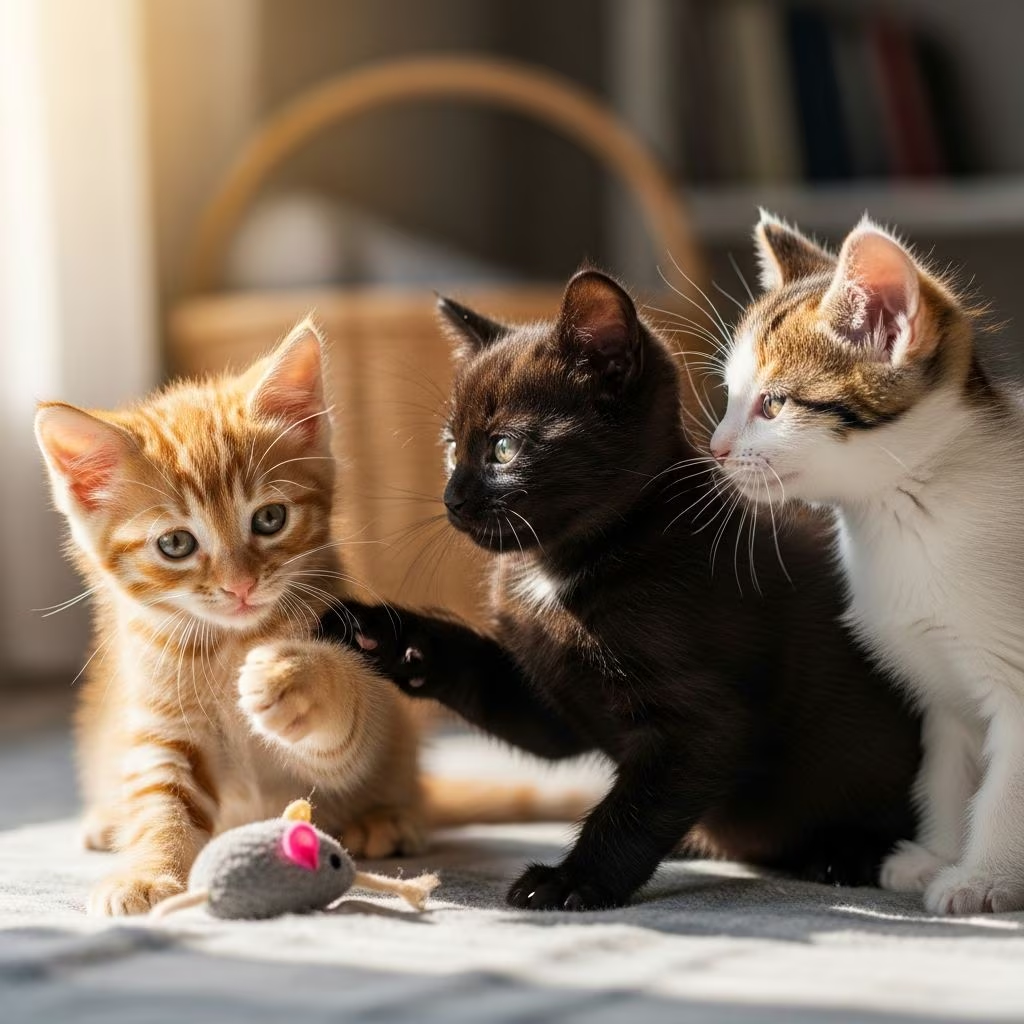
Successfully socializing a kitten lays the foundation for a well-adjusted adult cat that comfortably navigates human homes, other pets, and everyday stimuli. This process involves gradual, positive exposures during critical developmental periods to foster trust, curiosity, and resilience.
Understanding the Critical Socialization Periods
Kittens experience distinct phases where their brains are highly receptive to new experiences. The primary window spans from 2 to 9 weeks of age, during which they absorb social cues from mother cats and littermates, learning essential feline behaviors like grooming and play-fighting. A secondary period extends to 14-16 weeks, ideal for new owners to reinforce these lessons through human interactions.
During these times, neural pathways form rapidly, making positive encounters pivotal. Kittens handled frequently in their first weeks exhibit relaxed postures, vocalizations, and approach behaviors around people as adults. Missing this window increases fear responses later, as the brain becomes less plastic with age.
- 2-7 weeks: Core learning from siblings and dam; focus on gentle human introductions.
- 8-12 weeks: Optimal adoption age; intensify varied exposures with rewards.
- Post-12 weeks: Continued efforts possible but require more patience and consistency.
Signs of a Well-Socialized Kitten
Observe these indicators to gauge progress: a socialized kitten approaches humans willingly, purrs during petting, exposes its belly, plays interactively, and remains visible during the day. They rub against legs, knead paws, and show interest in household noises without fleeing.
In contrast, unsocialized kittens stiffen at touch, hiss, hide frequently, or avoid eye contact. Tools like wand toys reveal differences: socialized ones engage playfully, while others retreat warily.
| Behavior | Socialized Kitten | Unsocialized Kitten |
|---|---|---|
| Approach to Humans | Proactive, tail raised | Avoidant, ears flat |
| Touch Response | Relaxes, purrs | Stiffens, growls |
| Play Engagement | Interactive with toys | Wary observation only |
| Daytime Activity | Visible and curious | Hides frequently |
Building Trust Through Positive Handling
Begin in a quiet, kitten-proofed room stocked with essentials: food, water, litter, scratching posts, and elevated perches. Use high-value treats for “picnicking”—enter calmly at set times, offer food, and leave to associate your presence with positivity.
Progress to capturing natural behaviors: reward eye contact, slow blinks, or steps toward you with clicks and treats, building confidence without force. Fifteen minutes of daily handling accustoms them to touches on paws, ears, mouth, and tummy. Incorporate men, women, and supervised children for diverse handling.
Play hard-to-get to spark curiosity, using feather wands or pheromone toys for interactive sessions. Always let the kitten initiate contact; never chase or grab.
Essential Exposures for Confidence
Expose kittens to future realities gradually, pairing each with rewards. Start with household items:
- Sounds: Vacuum cleaners, doorbells at low volumes, increasing gradually.
- Sights: Umbrellas, bags, baby toys; allow self-paced exploration.
- Handling Routines: Nail trims, tooth brushing, grooming with treats.
- Carriers and Travel: Comfortable association via play inside before rides.
Introduce collars, leashes, varied litters, and even baths or photoshoots positively. New hangouts like cat trees build climbing skills and security.
Socializing with Other Animals and People
For multi-pet homes, use barriers like baby gates for sniffing introductions. Ensure resident animals are kitten-friendly; let your kitten approach first. Single hand-raised kittens benefit from adult cat companions to model behaviors, preventing over-attachment.
With strangers or kids, provide toys or treats but insist on kitten-led interactions. Children should never hold initially to avoid drops. Guests enter calmly, sitting low to encourage approaches.
Techniques for Feral or Fearful Kittens
Harder cases require patience: avoid flooding with handling; build consent via distant play and feeding. Use long wands for safe touch approximations, targeting with sticks for nose touches before progressing. Desensitization pairs low-level stressors (e.g., cry sounds) with fun, ramping up only at zero-stress points.
Bottle-fed isolates need extra peer time; pair with friendly adults if possible. Consistency across caregivers amplifies success.
Common Pitfalls and Fixes
- Too Early Separation: Keep with mom/siblings until 8-12 weeks for baseline skills.
- Forceful Handling: Leads to fear; switch to reward-based capturing.
- Inadequate Variety: Limits adaptability; rotate stimuli weekly.
- Ignoring Stress Signals: Tail thrashing or pupil dilation means pause and retreat.
Long-Term Maintenance
Beyond 16 weeks, reinforce with ongoing exposures. Leash training expands outings safely. Annual vet handling mimics routines. Well-socialized cats adapt to moves, guests, or health checks seamlessly.
Frequently Asked Questions
What is the best age to adopt a kitten for socialization?
8-12 weeks allows maternal learning plus owner bonding during the secondary window.
How often should I handle my kitten?
Daily 15-minute sessions covering full-body touch, paired with play.
Can older kittens be socialized?
Yes, though slower; focus on trust-building and gradual exposures.
What if my kitten hisses at new people?
Reduce intensity, use barriers, and reward calm approaches from afar.
Is kitten socialization class recommended?
Not common like for puppies, but home efforts suffice with consistency.
References
- The Cat Socialization Continuum: A Guide to Interactions Between … — Alley Cat Allies. 2023. https://www.alleycat.org/resources/cat-socialization-continuum-guide/
- Kitten Socialization — Nutrena World. 2023. https://nutrenaworld.com/blog/dogs-cats/kitten-socialization/
- Ask the expert: Socializing kittens — HumanePro. 2023. https://humanepro.org/magazine/articles/ask-expert-socializing-kittens
- How to Socialize a Kitten: An Expert Guide — Chewy. 2023. https://www.chewy.com/education/cat/training-and-behavior/how-to-socialize-a-kitten
- Socialization and Fear Prevention in Kittens — VCA Animal Hospitals. 2023. https://vcahospitals.com/know-your-pet/socialization-and-fear-prevention-in-kittens



