

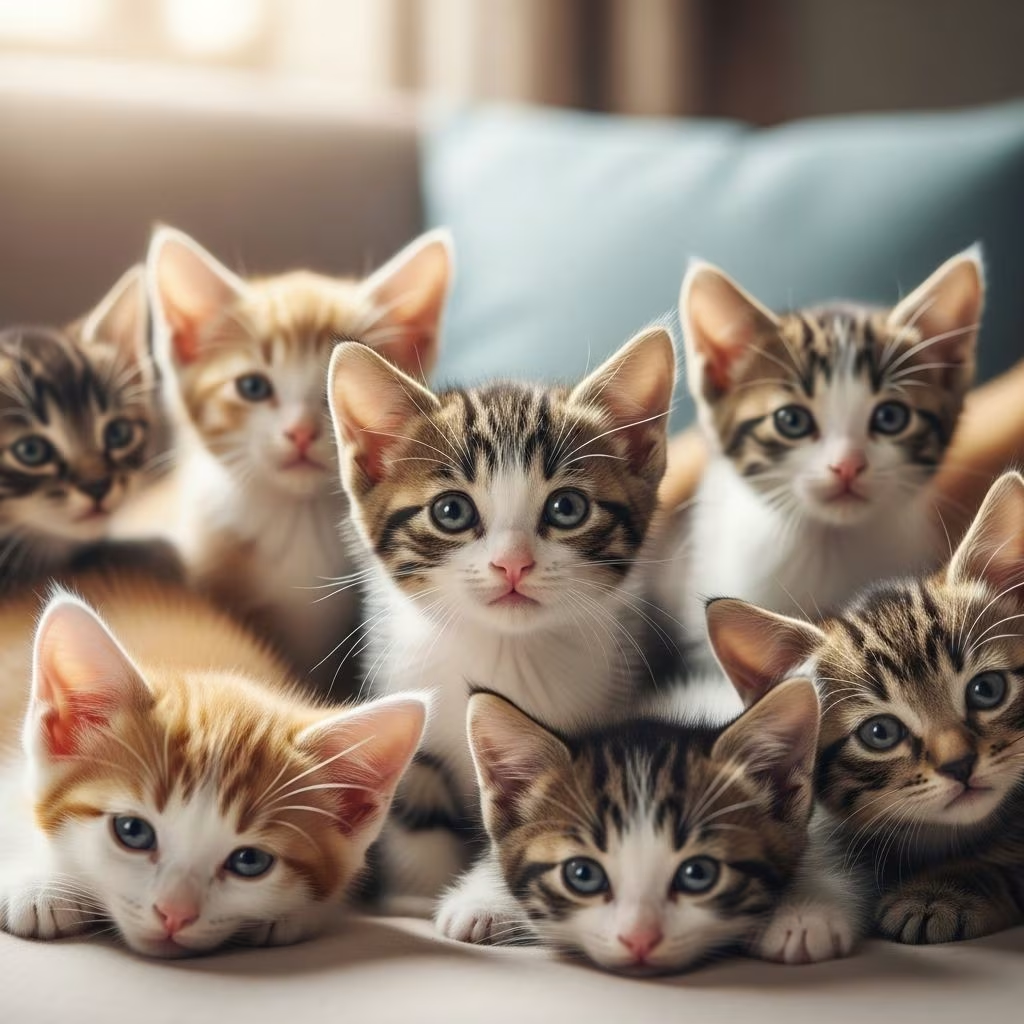
The annual surge in kitten births, often called the “kitten tsunami,” transforms shelters into overwhelmed facilities each spring and summer. This phenomenon stems from female cats’ reproductive cycles aligning with increasing daylight hours, leading to widespread matings and litters.
The Science Behind Feline Heat Cycles
Female cats, known as queens, are seasonally polyestrous, meaning they experience multiple heat periods during breeding seasons triggered by longer days. In the Northern Hemisphere, cycles typically begin as daylight extends beyond 12 hours, starting late winter. The pituitary gland receives light signals via the optic nerve, prompting ovarian follicle development and estrogen production, which induces receptive behavior.
Queens reach puberty between 4-12 months, with first heats often occurring in spring after birth. Indoor cats or those in tropical areas may cycle year-round due to artificial lighting mimicking long days. Each estrus lasts 4-10 days, recurring every 14-21 days if mating doesn’t occur.
Mapping the Breeding Calendar
Understanding seasonal shifts clarifies why kitten arrivals peak predictably. Here’s a breakdown:
- Winter (December-February): Shortest days end December 21; daylight lengthens, initiating early heats by late January, peaking mid-February. Toms are always fertile, leading to induced ovulation upon mating.
- Spring (March-May): Gestation lasts 61-65 days, so January matings yield mid-March litters. Peak deliveries hit May-July as subsequent heats produce more pregnancies. Unmated queens re-enter estrus quickly.
- Summer (June-August): Days shorten after June 21, but second litters occur if queens evade males initially. Nursing doesn’t prevent re-breeding; heats resume weeks post-weaning.
- Fall (September-November): Cycling halts by late August as days shorten, allowing recovery until next winter.
Regional differences apply: Southern states see extended seasons, northern areas shorter ones, and equatorial regions near-constant breeding.
Gestation, Litter Sizes, and Rapid Reproduction
Pregnancy averages 63 days, with litters of 3-5 kittens typical, though up to 12 possible. Queens can breed again shortly after birth, even while nursing, fueling exponential growth. One unspayed female and her offspring can produce thousands within years.
| Stage | Duration | Key Events |
|---|---|---|
| Heat Cycle | 4-10 days | Receptive to mating; repeats every 2-3 weeks if unmated |
| Gestation | 61-65 days | Litter of 3-5 kittens born |
| Weaning | 8-9 weeks post-birth | Kittens independent; queen re-enters heat soon |
This table illustrates the tight timeline driving overpopulation.
Shelter Impacts: The Kitten Tsunami
May-July sees shelters flooded with litters, as owners surrender weaned kittens. Multiple daily intakes strain resources, often halting admissions. Community fosters help, but demand exceeds supply, risking euthanasia. Proactive sterilization before winter heats could eliminate this in 1-2 generations.
Recognizing Heat in Your Cat
Signs include excessive vocalizing, rolling, rubbing, raised hindquarters (lordosis), and urine spraying. Appetite may drop; escapes increase. Veterinary confirmation via exam or tests is advisable. These behaviors signal urgency for spaying to prevent unplanned litters.
Why Spay Early? Benefits and Timing
Spaying before 5 months prevents heats entirely, averting pregnancies. Pediatric spays (4-6 months) are routine, safe, with quick recovery. Benefits: eliminates cancer risks (mammary, ovarian), pyometra, and behaviors; extends lifespan. No health need for a first heat or litter.
- Schedule by December for winter prevention.
- Ideal for kittens at 4-5 months.
- Consult vets for breed/weight specifics.
Community and Global Strategies
Trap-Neuter-Return (TNR) for ferals, subsidized clinics, and awareness campaigns mitigate surges. Owners fostering during peaks aid shelters. Early intervention breaks cycles, reducing strays.
FAQs
When does kitten season start?
Primarily spring (March-July) in Northern Hemisphere, peaking May-July due to winter-spring matings.
How long is a cat pregnant?
61-65 days on average.
Can a nursing cat get pregnant?
Yes, heats resume weeks post-birth; nursing doesn’t suppress ovulation.
At what age should I spay my kitten?
4-6 months, before first heat, for optimal prevention.
Do indoor cats have kitten season?
They can cycle year-round from lights mimicking long days.
Regional Variations Table
| Region | Breeding Season | Notes |
|---|---|---|
| Northern US | Jan-late fall | Shorter due to harsh winters |
| Southern US | Extended | Milder weather prolongs cycles |
| Tropical | Year-round | Consistent daylight |
This guide empowers owners to act preemptively, easing shelter burdens and enhancing feline welfare.
References
- The Queen’s Reproductive Cycle = Kitten Season — W. Marvin Mackie, D.V.M., QuickSpay & Consulting. N/A. https://www.unitedspayalliance.org/the-queens-reproductive-cycle-kitten-season/
- What To Expect With A Young Cat In Heat — Chewy.com. N/A. https://www.chewy.com/education/cat/health-and-wellness/what-to-expect-with-a-young-cat-in-heat
- Estrous Cycles in Cats — VCA Animal Hospitals. N/A. https://vcahospitals.com/know-your-pet/estrus-cycles-in-cats
- Cat Reproduction: Heat Cycles, Pregnancies, and More — Bond Vet. N/A. https://bondvet.com/blog/cat-reproduction
- Cats in heat/coming into season — PDSA. N/A. https://www.pdsa.org.uk/pet-help-and-advice/pet-health-hub/conditions/seasons-in-cats
- Spring Is Here – And It’s Mating Time for Cats — Four Paws USA. N/A. https://www.fourpawsusa.org/our-stories/publications-guides/spring-is-here-and-its-mating-time-for-cats



