

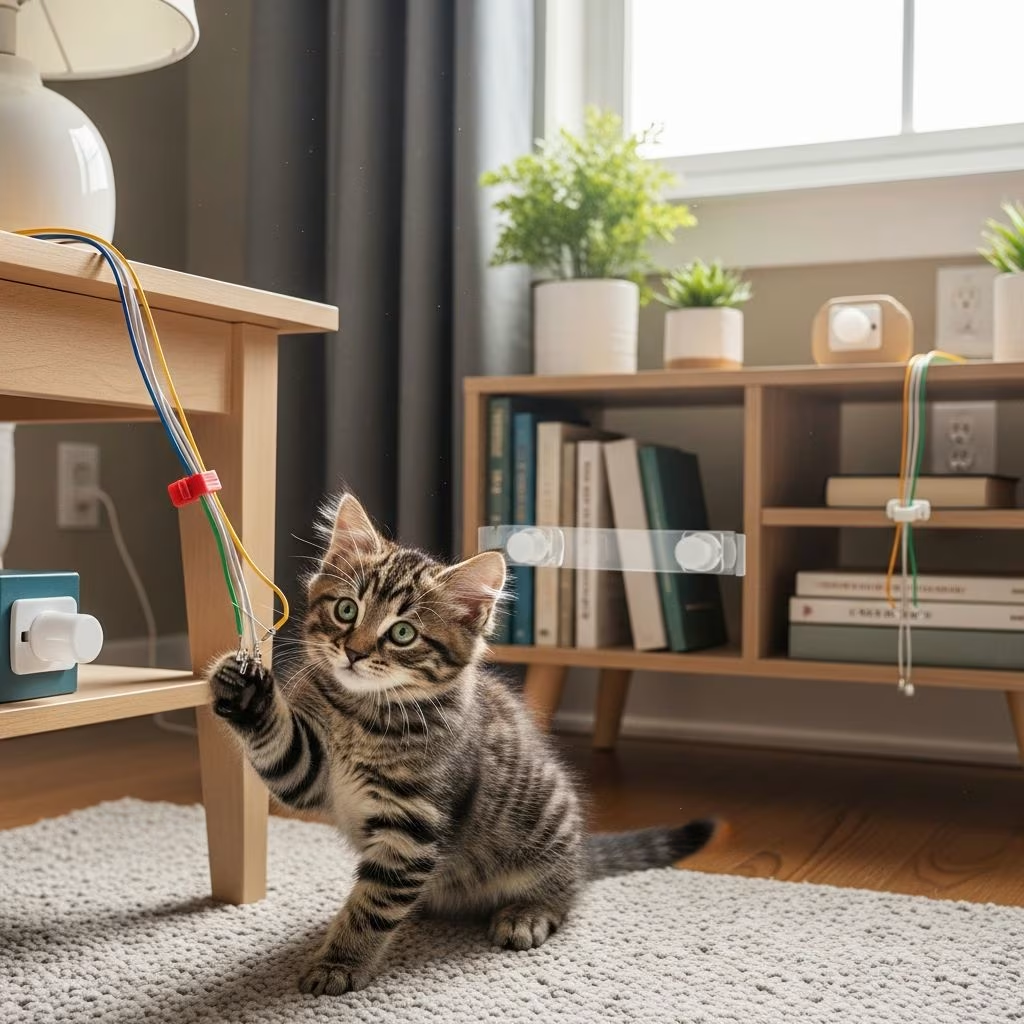
Bringing a kitten into your home brings immense joy, but their boundless curiosity can lead to unexpected dangers. Kittens explore with paws, mouths, and leaps, turning ordinary objects into hazards. Proactive measures transform your space into a safe haven, preventing injuries and promoting healthy development.
Understanding Kitten Curiosity and Risks
Kittens mimic human toddlers in exploration style, investigating everything within reach. This behavior stems from instinctual play and learning, but household items pose threats like choking, poisoning, or falls. Statistics from veterinary sources highlight that most kitten emergencies involve ingestions or entrapments, underscoring the need for thorough preparation.
Start by surveying your home from a kitten’s low-level perspective. Crawl along floors to spot temptations: dangling strings, unsecured cabinets, or toxic plants. This mindset reveals hidden perils, allowing targeted fixes before your kitten arrives.
Essential Room-by-Room Safety Checklist
Divide your home into zones for systematic protection. Each area requires specific adaptations to match kitten behaviors.
Kitchen Safeguards
The kitchen brims with temptations and toxins. Stoves, ovens, and appliances heat up quickly, risking burns. Always check inside refrigerators, dishwashers, and ovens before closing doors—kittens seek warm, dark spots.
- Install childproof locks on lower cabinets storing cleaners, oils, and sharp utensils.
- Use lidded trash bins to block access to bones, strings, or spoiled food that cause blockages.
- Secure chairs away from counters to prevent jumping to hazardous surfaces.
Opt for pet-safe countertop materials and avoid leaving food unattended, as it encourages counter-surfing.
Bathroom Precautions
Bathrooms harbor drowning risks and chemicals. Toilets act like irresistible bowls; kittens can slip in and drown if lids stay open.
- Keep lids down and add locks for reinforcement.
- Store shampoos, lotions, and medications in locked cabinets—many contain harmful ingredients like xylitol.
- Hide floss, Q-tips, and cotton balls, as ingestion leads to intestinal issues.
Install non-slip mats around tubs and sinks to prevent slips on wet floors.
Living Room and Bedroom Defenses
These relaxation zones hide strangulation and fall risks. Dangling cords from blinds or electronics invite chewing, potentially causing shocks or blockages.
| Hazard | Solution | Product Example |
|---|---|---|
| Blind/curtain cords | Tie up or use cordless options | Cord wraps, wind-up devices |
| Electrical wires | Encapsulate in tubing | Pet-proof cord covers |
| Fragile decor | Relocate to high shelves | Wall anchors for shelves |
Remove or secure floor-length drapes, as climbing leads to falls. Block access under beds or furniture where kittens hide toys or get stuck.
Entryways, Stairs, and Outdoor Access
Prevent escapes by securing screens on windows and doors—kittens push them out while bird-watching. Use gates for staircases until coordination improves.
- Seal gaps under doors and in floorboards.
- Install balcony netting for high-rises.
- Keep garage and shed doors closed to avoid entrapment.
Combating Common Toxic Threats
Many everyday items poison curious kittens. Lilies, certain plants, and human foods like chocolate or onions top danger lists.
- Relocate houseplants to hanging baskets or discard toxic varieties.
- Lock antifreeze, pesticides, and rodenticides in garages.
- Avoid six-pack rings; snip them before disposal to prevent choking.
Provide safe alternatives like cat grass for nibbling instincts.
Appliance and Furniture Security Measures
Warm appliances lure sleepy kittens. Develop habits: close washer/dryer doors immediately after use and check before starting.
- Use fireguards for fireplaces; extinguish candles promptly.
- Anchors secure heavy furniture against toppling during climbs.
- Covered waste bins prevent rummaging in paper or plastics.
For multi-pet homes, supervise interactions and provide separate spaces.
Tools and Products for Effective Proofing
Invest in reliable gear for lasting safety.
| Category | Recommended Items | Benefits |
|---|---|---|
| Cabinet Locks | Childproof latches | Blocks access to dangers |
| Cord Protection | Tubing, clips | Prevents chewing/shocks |
| Gates/Barriers | Baby gates, netting | Controls movement |
| Trash Solutions | Locking lids | Stops scavenging |
These items, available at pet stores, mimic child-safety products for dual use.
Daily Habits for Ongoing Safety
Proofing evolves with your kitten. Daily routines reinforce protection: double-check closed spaces, tidy cords, and monitor play.
- Rotate toys to maintain interest away from hazards.
- Train ‘leave it’ commands for risky items.
- Schedule vet check-ups for early issue detection.
As kittens grow, reassess: remove gates once agility improves.
Frequently Asked Questions
How long should I kitten-proof my home?
Until around 6 months, when curiosity wanes and coordination strengthens, though habits persist lifelong.
Are baby products safe for kittens?
Yes, child gates, locks, and cord wraps work effectively for both.
What if my kitten chews cords despite protection?
Offer bitter sprays and chew toys; consult vets for persistent issues.
Can I let my kitten on balconies?
Only with sturdy netting; unsupervised access risks falls.
How do I handle plants if I can’t remove them?
Choose non-toxic options like spider plants and place out of reach.
Long-Term Benefits of a Safe Environment
A secured home reduces vet visits, lowers stress, and fosters bonding. Kittens in safe spaces develop confidence, leading to well-adjusted adults. Regular audits ensure adaptations match growth stages.
Empower your kitten’s adventures with these strategies. A little preparation yields years of companionship without mishaps.
References
- Kitten-Proofing Your Home — Blue Buffalo. 2023. https://www.bluebuffalo.com/articles/cat/kitten-proof-home/
- Cat Safety Tips: How to Cat Proof Your Home — ARM & HAMMER. 2024. https://www.armandhammer.com/en/articles/how-to-cat-kitten-proof-your-house
- How to kitten proof your home – our top tips — CATSAN. 2023. https://www.catsan.co.uk/cat-litter-tips-and-advice/how-to-kitten-proof-your-home-our-top-tips
- 15 Kitten-Proofing To-Do’s Before Bringing a Kitten Home — PetMD. 2024-01-15. https://www.petmd.com/cat/emergency/dangerous-household-items-kittens
- A Complete Guide For House Cat-proofing — Mr. Handyman. 2024. https://www.mrhandyman.com/blog/how-to-cat-proof-your-house/



