

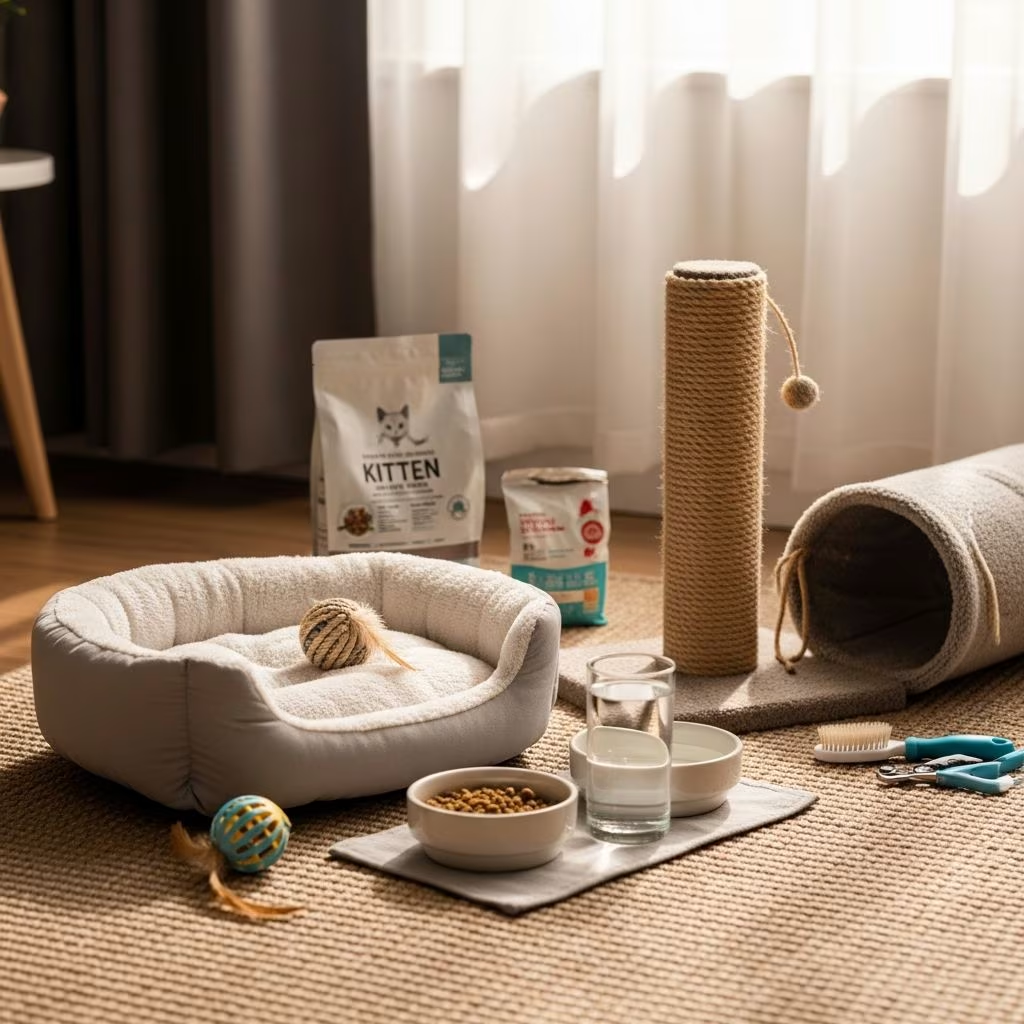
Bringing a new kitten into your home is one of the most rewarding experiences a pet owner can have. However, the excitement of adding a feline companion to your family should be tempered with careful planning and preparation. A well-prepared household sets the foundation for your kitten’s healthy development, prevents behavioral issues, and helps your new pet adjust smoothly to their new environment. This comprehensive guide walks you through every aspect of preparing for your kitten’s arrival, ensuring you have everything needed for a successful transition.
Understanding the Right Age to Bring Home Your Kitten
The timing of when you bring your kitten home matters significantly for their developmental needs and your ability to care for them properly. Most kittens are ready to leave their mother and siblings between 8 to 12 weeks of age, though some experts suggest 12 weeks as the ideal threshold. At this stage, kittens have received initial vaccinations from their mother through nursing and have developed enough independence to adapt to a new household. Younger kittens may still require bottle feeding and more intensive care, while older kittens typically transition more easily to solid food and established routines. Understanding your kitten’s age helps you prepare appropriate feeding schedules, training approaches, and veterinary care plans tailored to their developmental stage.
Critical Supplies and Equipment for Your New Kitten
Before your kitten arrives, gathering the right supplies prevents last-minute scrambling and ensures your pet has everything needed for comfort and wellbeing. These foundational items create a safe, enriching environment that supports your kitten’s physical and psychological needs.
Litter Management Essentials
One of the most important investments is a quality litter box system. Plan for one litter box per kitten, plus an additional box to ensure your pet always has access to a clean facility. The litter box should be appropriately sized—large enough for your kitten to move around comfortably but not so large that they feel exposed or unsafe. Position the litter box in a quiet, accessible location away from feeding and sleeping areas, as cats naturally prefer to eliminate away from where they eat and rest. Stock high-quality cat litter designed for kittens, as some formulations are gentler on their developing systems. Include enzymatic cleaners specifically designed for pet accidents, as regular household cleaners may not eliminate the scent markers that encourage repeat accidents in the same spots.
Comfortable Resting and Hiding Spaces
Kittens need secure places where they can rest, feel safe, and retreat when overwhelmed. Provide comfortable bedding in quiet areas of your home, such as cat beds, blankets, or enclosed spaces like cardboard boxes or cat caves. Kittens often experience anxiety during transitions, so familiar items from their previous home—such as blankets or toys that smell like their mother and littermates—significantly reduce stress and help with adjustment. Create multiple resting stations throughout your home so your kitten can access safe spaces from different areas.
Scratching and Climbing Structures
Scratching posts and climbing towers serve dual purposes: they provide essential physical and mental stimulation while protecting your furniture from damage. Invest in sturdy scratching posts made from materials like sisal rope or cardboard, as well as multi-level cat trees that allow your kitten to climb, observe their environment, and stretch their muscles. Different kittens have preferences for scratching surfaces and angles, so offering varied options increases the likelihood your kitten will use them rather than targeting your upholstery. Position these structures in visible areas of your home where your kitten spends time, making them attractive alternatives to furniture.
Play and Enrichment Items
Mental stimulation and physical activity are crucial for healthy kitten development. Stock a variety of toys that appeal to different play styles: feather wands and string toys for interactive play, small balls for batting and chasing, crinkle toys for tactile feedback, and puzzle toys that dispense treats and encourage problem-solving. Rotate toys regularly to maintain novelty and prevent boredom. Interactive play sessions not only burn off your kitten’s boundless energy but also strengthen your bond and teach appropriate hunting behaviors, preventing destructive play directed at your hands or furniture.
Feeding and Hydration Equipment
Prepare separate food and water bowls made from ceramic, stainless steel, or glass rather than plastic, which can harbor bacteria and may cause allergic reactions in some cats. Provide a water fountain, as many kittens prefer running water and drink more when it’s continuously circulating, supporting healthy kidney function. Select bowls appropriately sized for a kitten and keep them in a designated feeding area separate from the litter box.
Veterinary Care and Health Planning
Establishing a relationship with a veterinarian before or immediately after your kitten arrives is one of the most important steps in responsible pet ownership. A comprehensive veterinary care plan addresses your kitten’s immediate health needs and sets the foundation for lifelong wellness.
The First Veterinary Examination
Schedule a veterinary appointment within the first week of bringing your kitten home. During this initial visit, the veterinarian performs a thorough physical examination to check for congenital issues such as heart murmurs, hernias, or cleft palate. The vet screens for parasitic infections including fleas and intestinal parasites that can affect both your kitten and household members. Blood tests detect viral infections such as feline leukemia and feline immunodeficiency virus, which inform decisions about your kitten’s interaction with other cats in your home. The veterinarian also establishes your kitten’s baseline health status and discusses any breed-specific health concerns relevant to your particular cat.
Vaccination Schedule and Parasite Prevention
Your veterinarian will recommend a vaccination schedule appropriate for your kitten’s age. Most kittens receive an initial round of vaccines followed by boosters spaced several weeks apart. Core vaccines typically protect against panleukopenia (feline distemper), feline viral rhinotracheitis, and calicivirus. Your veterinarian may recommend additional vaccines based on your lifestyle, geographic location, and indoor versus outdoor status. Parasite prevention is equally important—your vet recommends appropriate flea, tick, and heartworm prevention products once your kitten reaches the recommended age. These medications are available in multiple formulations including topical treatments, oral medications, and collars, allowing you to choose the option that works best for your situation.
Dental Health Establishment
Begin addressing dental health early in your kitten’s life by regularly examining their teeth and gums. Brushing your kitten’s teeth several times weekly, ideally daily, prevents plaque and tartar buildup that can lead to serious dental disease. Start with short, positive sessions using cat-specific toothpaste to help your kitten become accustomed to the process. Your veterinarian can demonstrate proper brushing technique and recommend dental products formulated for kittens.
Nutrition and Feeding Guidelines
Proper nutrition during your kitten’s first year directly impacts their growth, development, immune function, and long-term health. Understanding feeding requirements helps you provide optimal nutrition during this critical period.
Selecting Appropriate Kitten Food
Choose a high-quality kitten formula specifically formulated for young cats, as their nutritional requirements differ significantly from adult cats. Kitten food contains higher levels of protein, calories, and specific nutrients like taurine that support growth, muscle development, and healthy vision. If your kitten was eating a particular brand at their previous home, continue that food initially—sudden dietary changes can cause digestive upset. If you need to transition to a different food, make the change gradually over 7-10 days, mixing increasing amounts of new food with decreasing amounts of the familiar food.
Feeding Frequency and Portion Control
Young kittens require multiple meals throughout the day to support their rapid growth and high energy expenditure. Kittens aged 5-11 weeks typically need three to four meals daily, while kittens 12 weeks and older can transition to three meals daily before eventually settling into two daily meals as they mature. Your veterinarian provides specific portion recommendations based on your kitten’s weight, age, and the caloric density of your chosen food. Avoid overfeeding, as obesity in kittens can lead to health problems later in life.
Water and Hydration
Ensure constant access to fresh, clean water. Many kittens naturally prefer running water, so a cat water fountain encourages adequate hydration. Proper hydration supports kidney and urinary tract health, which is particularly important for male cats prone to urinary issues.
Home Safety and Environmental Preparation
Kittens are naturally curious and energetic, often getting into dangerous situations through exploration. Thorough home preparation prevents injuries and keeps your kitten safe during their vulnerable first months.
Hazard Identification and Removal
Conduct a comprehensive safety assessment of your home. Remove or secure plastic bags and foam items that pose choking or digestive hazards. Close trash cans and toilet seats to prevent accidental drowning or ingestion of harmful materials. Secure electrical cords to prevent chewing injuries. Remove or safely elevate all indoor plants within your kitten’s reach, as many common houseplants are toxic to cats. Create barriers to prevent access to small spaces where your kitten could become stuck or injured.
Temperature and Climate Control
Maintain a comfortable temperature range between 70-75°F, as kittens regulate their body temperature less efficiently than adult cats and struggle in cold environments. Provide warm, draft-free resting areas away from direct air conditioning vents. If caring for an orphaned newborn kitten without a mother, use heating pads on low settings or heating disks placed in comfortable nesting areas, but always provide cool zones where the kitten can move if they become too warm.
Safe Room Setup
Consider confining your kitten to a single room initially, equipped with all necessary supplies including litter box, food and water, toys, and comfortable bedding. This approach prevents overwhelming your kitten with too many environmental choices while they adjust and makes monitoring their behavior easier during the critical litter training period. Gradually expand access to other areas of your home as your kitten becomes comfortable and reliably uses the litter box.
Training and Behavioral Foundation
Establishing good behaviors during your kitten’s first weeks and months prevents problem behaviors and creates a harmonious household throughout your cat’s life.
Litter Box Training
Most kittens instinctively use litter boxes, but consistent guidance reinforces this behavior. Place your kitten in the litter box after meals, naps, and playtime when they’re most likely to need to eliminate. If you observe crouching or sniffing behaviors indicating imminent elimination, gently place your kitten in the litter box. Scoop the litter box daily and change the litter twice monthly to maintain cleanliness. When accidents occur—and they will—clean thoroughly with enzymatic cleaner to remove scent markers and avoid repeat accidents in the same spot. Never punish accidents; instead, reward successful litter box use with treats and praise to positively reinforce the desired behavior.
Socialization and Handling
Expose your kitten to various people, environments, and experiences during their first few weeks and months. Properly socialized kittens develop into confident, well-adjusted adult cats. Handle your kitten gently and frequently, gradually introducing them to grooming, nail trimming, carrier placement, and veterinary handling. Allow your kitten to meet other healthy, fully vaccinated cats and dogs under supervised conditions. Provide positive experiences with children, different sounds, and various household situations.
Play and Energy Management
Engage in interactive play sessions multiple times daily to provide mental stimulation and physical exercise. Use toys on strings, feather wands, and other interactive toys that mimic prey movements and engage your kitten’s natural hunting instincts. Redirect inappropriate play behaviors—such as biting hands or pouncing on ankles—toward toys instead. This teaches your kitten that such behaviors are appropriate with toys but not with people, preventing painful scratches and bites as they grow.
Grooming and Personal Care
Establishing grooming routines early in your kitten’s life prevents matting, reduces shedding, and creates positive associations with handling that extend to veterinary visits and medical care.
Brushing and Combing
Begin grooming sessions with short, positive interactions using appropriate brushes or combs for your kitten’s coat type. Always brush in the natural direction of hair growth first, then against it to gently remove dead hair and prevent mat formation. Pay special attention to areas behind the ears and the neck, which are prone to matting. End grooming sessions on a positive note, never forcing unwilling participation.
Nail Care
Start handling your kitten’s paws regularly and introduce nail trimming in short sessions. Use cat-specific nail clippers and trim only the clear portion of the nail, avoiding the pink quick where blood vessels are located. Your veterinarian or a professional groomer can demonstrate proper technique.
Ear and Eye Care
Gently examine your kitten’s ears and eyes regularly. Clean ears as needed with soft, damp cloths, but never insert anything into the ear canal. Monitor for discharge, odor, or excessive wax buildup, which may indicate infection requiring veterinary attention.
Creating a Welcoming Environment
The transition to a new home is stressful for kittens. Creating a calm, welcoming environment accelerates adjustment and reduces anxiety-related behavioral problems.
Provide familiar scents from your kitten’s previous home, such as blankets or toys smelling like their mother and littermates. Maintain a consistent routine for feeding, play, and sleep, as predictability reduces anxiety. Establish clear household rules and boundaries, consistently enforcing them while rewarding good behavior. Spend quality time with your kitten daily, allowing them to initiate interaction when comfortable while respecting their need for rest.
References
- Kitten Care 101: Vet Approved Guide for the First Year — MedVet. Accessed February 2026. https://www.medvet.com/kitten-care-101-vet-approved-guide/
- How To Care For Your Kitten — RSPCA. Accessed February 2026. https://www.rspca.org.uk/adviceandwelfare/pets/cats/kittens/kittencare
- A Complete Guide To Kitten Care — Ankeny Veterinary Clinic. 2022. https://www.ccvhankeny.com/site/blog/2022/05/30/guide-to-kitten-care
- New Kitten Checklist — American Animal Hospital Association (AAHA). Accessed February 2026. https://www.aaha.org/resources/new-kitten-checklist/
- How to Take Care of a Kitten: The Complete Guide — Shatto Veterinary Clinic. 2022. https://www.shattovet.com/site/blog/2022/02/15/how-to-take-care-of-a-kitten
- Kitten Care Guide — Royal Canin. Accessed February 2026. https://my.royalcanin.com/UserFiles/Digital%20Assets/Start-of-Life/SOL%2023/SOL%20-%20Kitten%20Care%20Guide.pdf



