

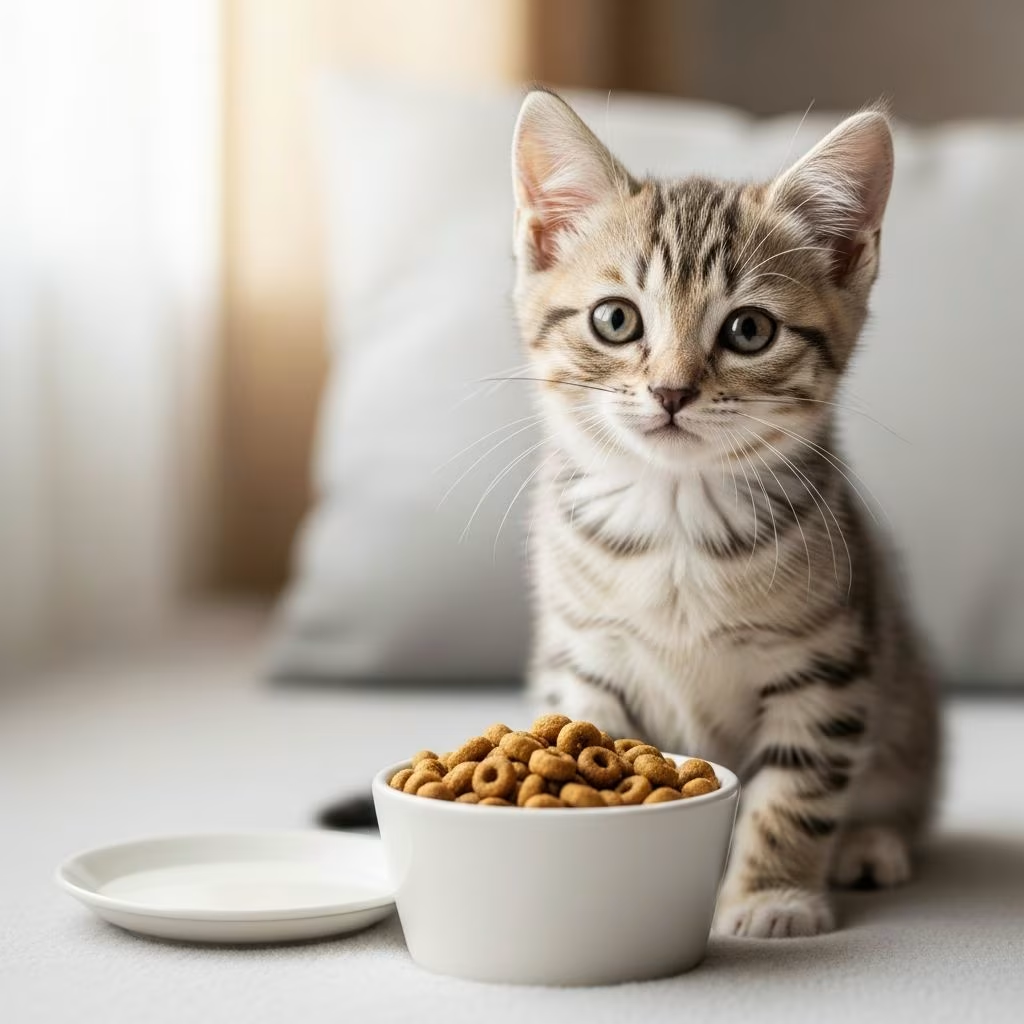
Bringing a new kitten into your home is an exciting milestone that comes with important responsibilities, particularly regarding nutrition. Proper feeding during your kitten’s first year sets the foundation for lifelong health, growth, and development. Unlike adult cats, growing kittens have dramatically different nutritional requirements, demanding more calories, protein, and essential nutrients to support rapid physical development and high energy levels. Understanding the proper feeding approach at each developmental stage ensures your kitten receives optimal nutrition while developing healthy eating habits that can last a lifetime.
Understanding Your Kitten’s Early Nutritional Needs
Kittens experience extraordinary growth during their first twelve months, with their bodies transforming from tiny, vulnerable newborns to nearly full-sized young cats. Growing kittens require approximately three times more calories and nutrients per pound of body weight compared to adult cats. Their digestive systems are still developing, their metabolic rates are significantly elevated, and their small stomachs cannot contain adequate food quantities if fed only once or twice daily. This physiological reality necessitates multiple daily meals throughout the first year.
The nutritional profile of kitten food differs substantially from adult formulations. Kitten-specific formulas contain higher levels of protein, taurine (an amino acid essential for heart and eye health), and other micronutrients specifically balanced for growing bodies. Feeding your kitten a complete and balanced kitten formula until at least one year of age is essential for proper development. This targeted nutrition supports bone formation, muscle development, organ function, and immune system maturation.
The Transition from Mother’s Milk to Solid Food
A kitten’s nutritional journey begins with mother’s milk, which provides all necessary nutrients during the earliest weeks of life. Mother cats typically nurse their kittens from birth until approximately 4 to 6 weeks of age, when the natural weaning process begins. During this period, the mother cat instinctively starts reducing nursing frequency, encouraging kittens to explore alternative food sources.
The weaning process represents a critical developmental milestone. Rather than an abrupt transition, weaning should occur gradually over several weeks, allowing the kitten’s digestive system to adapt to new foods. Between 4 and 8 weeks of age, kittens transition from pure milk nutrition to a combination of formula and solid food, eventually reaching complete dietary independence. The mother cat plays an instructional role during this period, demonstrating eating behaviors and encouraging her kittens to try new foods.
Creating a Gruel Mixture for Transitioning Kittens
Around 4 weeks of age, begin introducing gruel—a mixture of wet kitten food and formula—to bridge the gap between nursing and solid food consumption. This mixture provides familiar milk-based nutrition while introducing kittens to texture and taste variations. Prepare gruel by combining wet kitten food with kitten formula in appropriate proportions. For a small batch serving one kitten, mix half a can of wet kitten food with one-quarter can of formula. For larger litters, whisk together 8 cans of wet kitten food with 4 cans of fresh, warm formula.
Present this gruel mixture in shallow dishes alongside dry kibble and fresh water. Kittens benefit from slightly lumpy gruel consistency during this stage, allowing them to practice chewing while transitioning to more textured foods. Over the next two weeks, gradually increase the proportion of solid food while decreasing the formula component in the mixture. This slow adjustment prevents digestive upset and allows the kitten’s developing digestive system time to adapt.
Age-Based Feeding Schedules and Portion Guidelines
Proper feeding frequency and portion sizes are critical for supporting kitten development. Different age ranges require different feeding schedules that align with their developing digestive capacities and nutritional needs.
Weeks 1-3: Bottle-Feeding Requirements
Kittens one week old or younger require bottle-feeding with kitten formula every 2-3 hours (approximately 8-12 times daily), receiving 3-4 cc per feeding. Two-week-old kittens can extend feeding intervals to every 3 hours (8 feedings daily) with increased portions of 5-6 cc per feeding. These frequent feedings are necessary because newborn kittens have minimal stomach capacity and cannot survive extended periods without nutrition.
Weeks 4-8: Introduction to Solid Foods
At 4 weeks of age, kittens begin the weaning process while continuing bottle-feeding. During this transition phase, offer gruel in a dish, dry kitten kibble in a separate dish, and fresh water continuously available. Continue providing formula via bottle 3 times daily (giving 13-17 cc every 8 hours) while encouraging gruel consumption from dishes and utensils. This dual-feeding approach maintains necessary nutrition while introducing solid food concepts.
Between 5-6 weeks, introduce kitten kibble (rather than baby cat kibble) and mix it with wet food. These transition weeks require gradually decreasing previous foods while increasing new ones over a 7-day period to prevent digestive upset. By 7-8 weeks of age, kittens should eat primarily dry kibble while consuming occasional wet food portions. Most kittens are fully weaned and eating solid food independently by 8-10 weeks of age.
Two Months to Six Months: Establishing Regular Feeding Patterns
Once kittens reach 8-12 weeks of age, transition to a mixed diet of wet and dry kitten food. At this developmental stage, kittens require 3-4 meals daily to meet caloric demands. A sample daily feeding schedule might include:
- Morning meal: One-third to one-half of a 5-oz can of wet cat food plus one-quarter to one-third cup of dry kitten food
- Midday meal: One-quarter to one-third cup of dry kitten food with fresh water available
- Afternoon meal: One-quarter to one-third cup of dry kitten food, potentially in a puzzle toy for enrichment
- Evening meal: One-third to one-half can of wet cat food plus one-quarter to one-third cup of dry kitten food
Three to four meals daily is recommended during your kitten’s first six to nine months. Young cats require more food because they’re highly active and develop rapidly. Between 3-5 months of age, kittens typically weigh 3 pounds and require approximately 200 calories daily across three meals. By 4 months, weight increases to 4.5 pounds with caloric needs around 300 calories daily.
Six Months Onward: Transitioning to Twice-Daily Feeding
As kittens approach 6 months of age, their growth rate begins to slow modestly, and feeding frequency can be reduced. By 6-11 months of age, transition from three meals daily to two meals daily. At 6 months, a kitten typically weighs 6.5 pounds and requires approximately 400 calories daily. This two-meal schedule continues through month 11, when a 10-pound kitten requires roughly 540 calories distributed across two feedings.
Selecting the Right Food for Your Growing Kitten
Choosing appropriate kitten food profoundly impacts your pet’s health trajectory. Quality nutrition during this critical developmental period supports immune function, bone strength, cognitive development, and behavioral health.
Wet Food Versus Dry Food Considerations
Both wet and dry kitten foods offer distinct advantages. Wet food provides superior hydration, essential for kittens transitioning from milk-based nutrition and for cats with naturally low thirst drives. The varied textures and flavors available in wet formulations help prevent picky eating habits and ease transitions from mother’s milk to solid food. Choosing wet kitten food over dry kitten food can help ensure your kitten receives necessary nutrients and hydration for optimal health.
Dry food offers convenience, promotes dental health through mechanical cleaning action, and provides concentrated nutrition. A combination approach—offering both wet and dry kitten food—leverages the benefits of each format. This mixed-feeding strategy exposes your kitten to different textures and flavors while accommodating individual preferences that develop during this formative period.
Establishing Healthy Food Preferences Early
Kittens are “imprint eaters,” meaning their early food experiences significantly shape long-term eating habits and preferences. Early exposure to diverse flavors and textures during the first year helps prevent selective eating behaviors and dietary inflexibility in adulthood. Offering a varied diet with different kitten food brands, proteins, and textures encourages acceptance of multiple food options throughout life.
However, introduce protein rotations slowly, allowing your kitten’s digestive system adequate time to adjust to new formulations. Rapid dietary changes can trigger digestive upset, vomiting, or diarrhea. When transitioning between foods or brands, gradually incorporate increasing proportions of the new food while decreasing the old over 7-10 days.
Essential Nutritional Components
Quality kitten food should contain adequate protein for muscle development, taurine for cardiac and ocular health, and balanced minerals for bone formation. Omega-3 and omega-6 fatty acids support brain development and coat health. The food label should clearly indicate it meets AAFCO (Association of American Feed Control Officials) standards for complete and balanced kitten nutrition. Always consult your veterinarian regarding the best diet for your specific kitten based on individual health needs and preferences.
Creating an Optimal Feeding Environment
Beyond selecting appropriate food, the feeding environment influences your kitten’s eating behaviors and overall well-being. Establish consistent feeding locations, use appropriate dish sizes, and maintain cleanliness standards.
Provide shallow bowls or plates that allow easy access without forcing your kitten’s whiskers against dish edges. Cats possess sensitive whiskers used for spatial awareness, and pressure against them during eating causes discomfort. Place food and water bowls in quiet, low-traffic areas away from litter boxes and primary activity zones. Refresh water bowls with fresh water throughout the day, as kittens require adequate hydration for healthy development.
If feeding multiple kittens, observe for food-possessive behaviors. Separate aggressive eaters using additional feeding stations to ensure all kittens receive adequate nutrition without stress or competition-related eating disorders developing.
Monitoring Growth and Adjusting Portions
Track your kitten’s weight gain and overall condition throughout the first year. Healthy kittens should display steady weight gain without excessive fat accumulation. You should be able to feel ribs gently with light hand pressure without seeing them prominently. If your kitten appears overweight, reduce portion sizes slightly. If your kitten seems constantly hungry or fails to gain appropriate weight, consult your veterinarian for dietary adjustments or health screening.
Transitioning to Adult Cat Food
After your kitten’s first birthday, growth significantly slows, and nutritional requirements shift. Adult maintenance formulas contain fewer calories and different nutrient ratios than kitten-specific foods. However, timing the transition varies by individual kitten, particularly in larger breeds that mature more slowly. Consult your veterinarian regarding the appropriate time to transition your specific kitten to adult food, as some large-breed kittens benefit from extended kitten nutrition beyond 12 months.
Common Feeding Mistakes to Avoid
Understanding potential pitfalls helps ensure optimal kitten nutrition. Avoid free-feeding unlimited food, which can lead to overeating and obesity-related health issues. Don’t abruptly switch foods without gradual transitional mixing, as this causes digestive upset. Never feed adult cat food to young kittens, as it lacks nutrients necessary for proper growth. Avoid table scraps, certain human foods toxic to cats (chocolate, onions, grapes), and non-nutritious treat-based diets that displace essential nutrition.
Don’t skip veterinary wellness exams during the first year. Your veterinarian monitors growth, developmental milestones, and nutritional status, providing personalized guidance based on your kitten’s individual needs and health trajectory.
Vaccination and Feeding Coordination
Vaccinations typically begin at 8 weeks of age, coinciding with complete weaning and transition to solid food. Kittens may experience mild appetite changes immediately following vaccinations. Maintain regular feeding schedules and monitor food consumption, offering smaller portions if necessary. Most kittens resume normal eating within hours of vaccination. Contact your veterinarian if appetite suppression extends beyond 24 hours post-vaccination.
Frequently Asked Questions About Kitten Feeding
How do I know if my kitten is eating enough?
Healthy, adequately-fed kittens display steady weight gain, active play behavior, consistent energy levels, and normal litter box habits. Monitor your kitten’s ribs—you should feel them easily with gentle palpation without seeing prominence. If you have concerns about food consumption, consult your veterinarian for body condition scoring and dietary adjustment recommendations.
Can I feed my kitten human food?
While some human foods are safe for kittens in very small quantities, complete and balanced commercial kitten food provides superior nutrition. Most human foods lack appropriate nutrient ratios for feline development and may introduce unnecessary calories, sodium, or harmful ingredients. Consult your veterinarian before offering any human foods to your kitten.
How much water should my kitten drink?
Kittens require adequate hydration, particularly during weaning and transition to dry food. Provide fresh water continuously throughout the day. Most kittens self-regulate water consumption based on individual needs and diet composition. Wet food increases moisture intake; kittens consuming primarily dry food may require additional water availability.
What feeding supplies do I need?
Provide shallow ceramic, stainless steel, or glass food and water bowls. Avoid plastic bowls, which may harbor bacteria and cause chin acne in some cats. Include feeding utensils for preparing gruel, a can opener, and food storage containers for opened canned food. Consider enrichment feeders or puzzle toys that stimulate natural hunting behaviors while slowing eating pace.
References
- Kitten Feeding Schedule: From Newborn to 1 Year — Kowaliga Veterinary Clinic. Accessed 2026. https://www.kowaligavet.com/paw-print/kitten-feeding-schedule-from-newborn-to-1-year
- Set up a Healthy Feeding Schedule for Your Kitten — Blue Buffalo. Accessed 2026. https://www.bluebuffalo.com/articles/cat/set-up-a-healthy-feeding-schedule-for-your-kitten/
- Your Kitten’s First Year: Essential Care and Tips — Weruva. Accessed 2026. https://www.weruva.com/blogs/happy-healthy-hub/your-kittens-first-year-essential-care-and-tips
- How to Care for Orphaned Kittens: Feeding and Weaning — Best Friends Animal Society. Accessed 2026. https://bestfriends.org/pet-care-resources/how-care-orphaned-kittens-feeding-and-weaning
- Feeding Kittens 101: How Much To Feed Kittens, and More — PetMD. Accessed 2026. https://www.petmd.com/cat/nutrition/feeding-kittens-101-what-feed-how-much-and-how-often
- Caring for Kittens from Birth to Eight Weeks — University of Wisconsin School of Veterinary Medicine Shelter Medicine Program. Accessed 2026. https://sheltermedicine.wisc.edu/library/guidebooks/guide-to-raising-unweaned-underage-kittens/caring-for-kittens-from-birth-to-eight-weeks



