

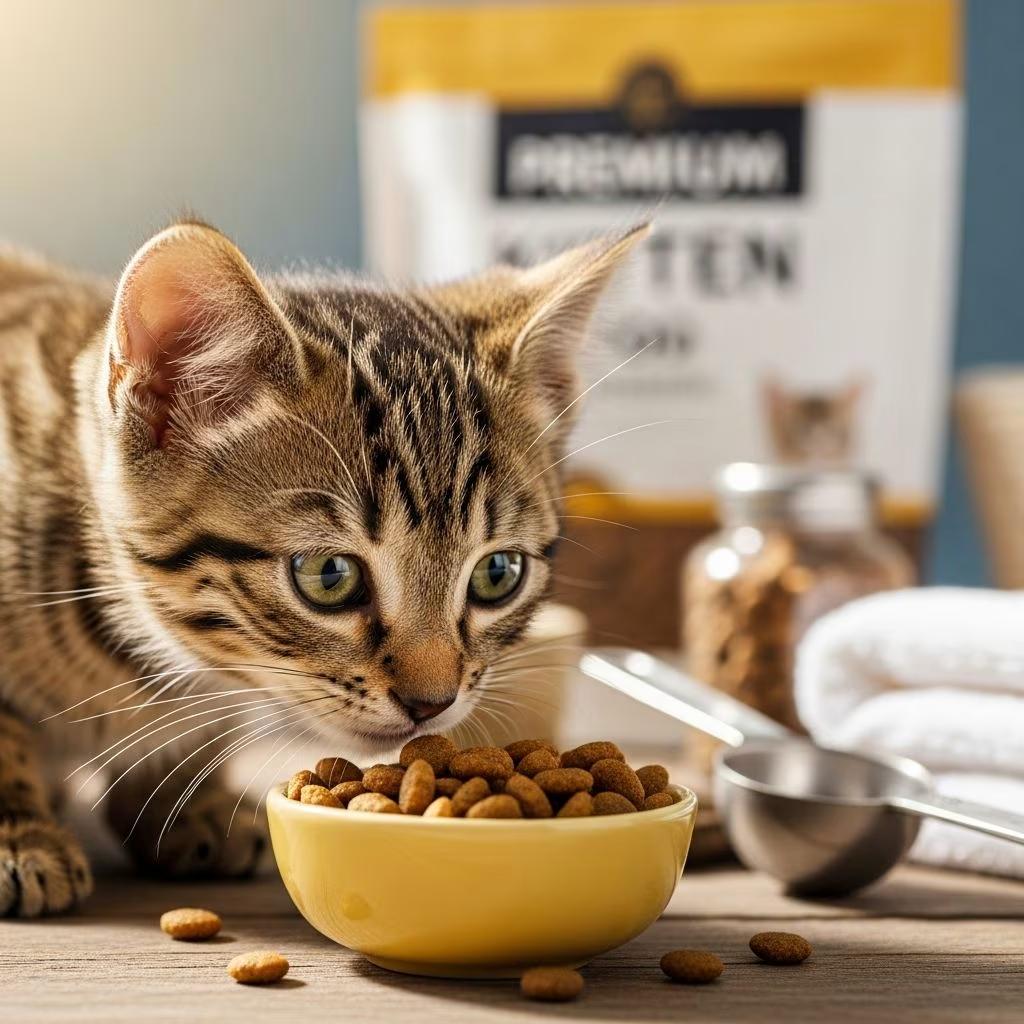
Bringing a new kitten home is an exciting adventure, but ensuring proper nutrition is key to their vibrant health and development. Kittens experience explosive growth in their first year, demanding diets rich in specific nutrients to build strong bones, sharp senses, and robust immunity. This guide draws from veterinary insights to help you navigate feeding choices, portion sizes, and schedules for optimal kitten wellness.
Core Nutrients Driving Kitten Development
Kittens, as obligate carnivores, thrive on animal-derived proteins and fats far more than plant-based alternatives. Their tiny bodies burn energy rapidly during play and organ formation, necessitating diets with elevated levels of key building blocks.
- Proteins: Aim for 35-50% protein on a dry matter basis to support muscle, tissue repair, and immune function. Kittens require even higher amounts than adults due to constant growth demands.
- Fats: High-fat content provides dense energy; omega-3s like DHA and EPA are crucial for brain, vision, and coat health.
- Taurine: This amino acid, absent in plant sources, safeguards heart function, eyesight, and digestion—cats can’t produce it naturally.
- Minerals: Balanced calcium and phosphorus ratios promote sturdy bones and teeth during peak skeletal development.
- Vitamins: Antioxidants like E and C bolster immunity, while A and D aid overall metabolism.
Selecting foods meeting these profiles—often labeled for growth stages—prevents deficiencies that could stunt progress or cause long-term issues.
From Weaning to Independence: Age-Specific Feeding Strategies
Kitten needs evolve swiftly; what suits a 4-week-old won’t suffice at 12 weeks. Transition gradually to avoid digestive upset, starting with softened solids mixed into milk replacers.
Birth to 4 Weeks: Maternal Milk Dominance
Newborns rely on mother’s milk for colostrum, which delivers antibodies. If orphaned, use kitten-specific formula—not cow’s milk, which causes diarrhea. Bottle-feed every 2-3 hours, mimicking nursing.
4-8 Weeks: Introducing Solids
Around weaning, offer gruel: wet food blended with warm water or formula into a porridge-like consistency. Textures like mousse or pate ease chewing for emerging teeth. Provide small, frequent meals to match small stomachs, supplementing if weight gain lags.
8 Weeks to 6 Months: Growth Acceleration
Fully weaned kittens handle whole wet foods or kibble toppers. High-calorie options combat underweight risks. Divide daily intake into 3-4 meals to sustain energy without overeating.
6-12 Months: Approaching Adulthood
Reduce to 2 meals daily as metabolism stabilizes. Monitor for breed-specific needs, like larger portions for Maine Coons. Transition to adult food around 10-12 months, or later for giants.
Decoding Food Types: Wet, Dry, or Combo?
No single format rules; variety enhances benefits. Compare options in this table for clarity:
| Food Type | Pros | Cons | Best For |
|---|---|---|---|
| Wet Food | High moisture (hydration boost), palatable aroma, easy to mix supplements, soft texture | Shorter shelf life post-opening, higher cost per calorie | Fussy eaters, urinary health, weaning |
| Dry Food (Kibble) | Convenient, dental scraping, free-feeding potential | Lower moisture (dehydration risk), harder to digest young | Budget, portion control with toppers |
| Mixed | Balances hydration, crunch, and nutrition | Requires monitoring totals | Most kittens for optimal wellness |
Examples: Dry like Hill’s Science Diet Kitten (prebiotics for digestion) or wet like Royal Canin Thin Slices (prebiotics, easy texture). Always check labels for AAFCO growth standards.
Precision Feeding: Amounts, Frequency, and Charts
Overfeeding leads to obesity; underfeeding to frailty. Base portions on calories, not volume—kibble density varies (e.g., 568 kcal/cup vs. 409 kcal/cup). Kittens need 2-3x adult calories per pound initially.
Meal Frequency: 4-6 meals under 3 months; 3 meals to 6 months; 2 thereafter. Meal feeding trumps free-feeding to prevent gorging and ensure hydration.
Use this age-weight-calorie guide (approximate; adjust per vet/package):
| Age | Weight (lbs) | Daily Calories | Meals/Day |
|---|---|---|---|
| 2 months | 2 | 150-200 | 3-4 |
| 4 months | 4.5 | 300 | 3 |
| 6 months | 6.5 | 400 | 2-3 |
| 9 months | 8 | 460 | 2 |
| 12 months | 9-10 | 500+ | 2 |
Weigh food daily; consult vets for individuals, especially active or sterilized kittens.
Common Hurdles and Pro Tips
Underweight Kittens: Add calorie-dense toppers; rule out parasites.
Pickiness: Warm wet food, vary proteins gradually.
Hydration: Prioritize wet or moistened dry; fresh water always.
Transitions: Mix new food over 7-10 days: 25% new day 1-2, up to 100%. Avoid grains if possible; seek <10% carbs, prioritizing meat.
Frequently Asked Questions (FAQs)
What if my kitten refuses food?
Check for illness; tempt with warmed wet food or vet-approved stimulants. Persistent issues warrant a check-up.
Can I free-feed dry kibble?
Possible but risky for weight gain/dehydration; prefer scheduled wet/mix meals.
When to switch to adult food?
10-12 months for most; 15+ for large breeds. Gradual shift prevents upset.
Is grain-free best?
Not necessarily—many substitute peas/potatoes, no cat benefit. Focus on protein/fat quality.
How much water do kittens need?
Indirectly via wet food; aim 3-4 oz/lb body weight daily total fluid.
Sustaining Lifelong Health Through Smart Start
Investing in precise nutrition now pays dividends in vitality. Pair diet with play, vaccines, and spay/neuter per vet timelines. Track weight monthly; anomalies signal tweaks. Your kitten’s first year shapes their future—nourish wisely for a purring companion for life.
References
- Nurturing your New Kitten: A Guide to Kitten Nutrition — Tiki Pets. 2023. https://tikipets.com/nurturing-your-new-kitten-a-guide-to-kitten-nutrition/
- Feeding Kittens 101: What To Feed, How Much, and How Often — PetMD (Veterinary Partner). 2024-02-15. https://www.petmd.com/cat/nutrition/feeding-kittens-101-what-feed-how-much-and-how-often
- Kitten Nutrition: How Much To Feed Your Kitten & More — Nulo Pet Food. 2023. https://nulo.com/blogs/tips/kitten-nutrition-how-much-to-feed-your-kitten-more
- Kitten Nutrition — UK Pet Food (Industry Association). 2024. https://www.ukpetfood.org/pet-care-advice/cat-health-nutrition-advice/feeding-guides-for-cats-kittens/kitten-nutrition-created-as-a-page.html
- Kitten Care 101: Vet Approved Guide — MedVet (Veterinary Centers). 2025-01-10. https://www.medvet.com/kitten-care-101-vet-approved-guide/



