

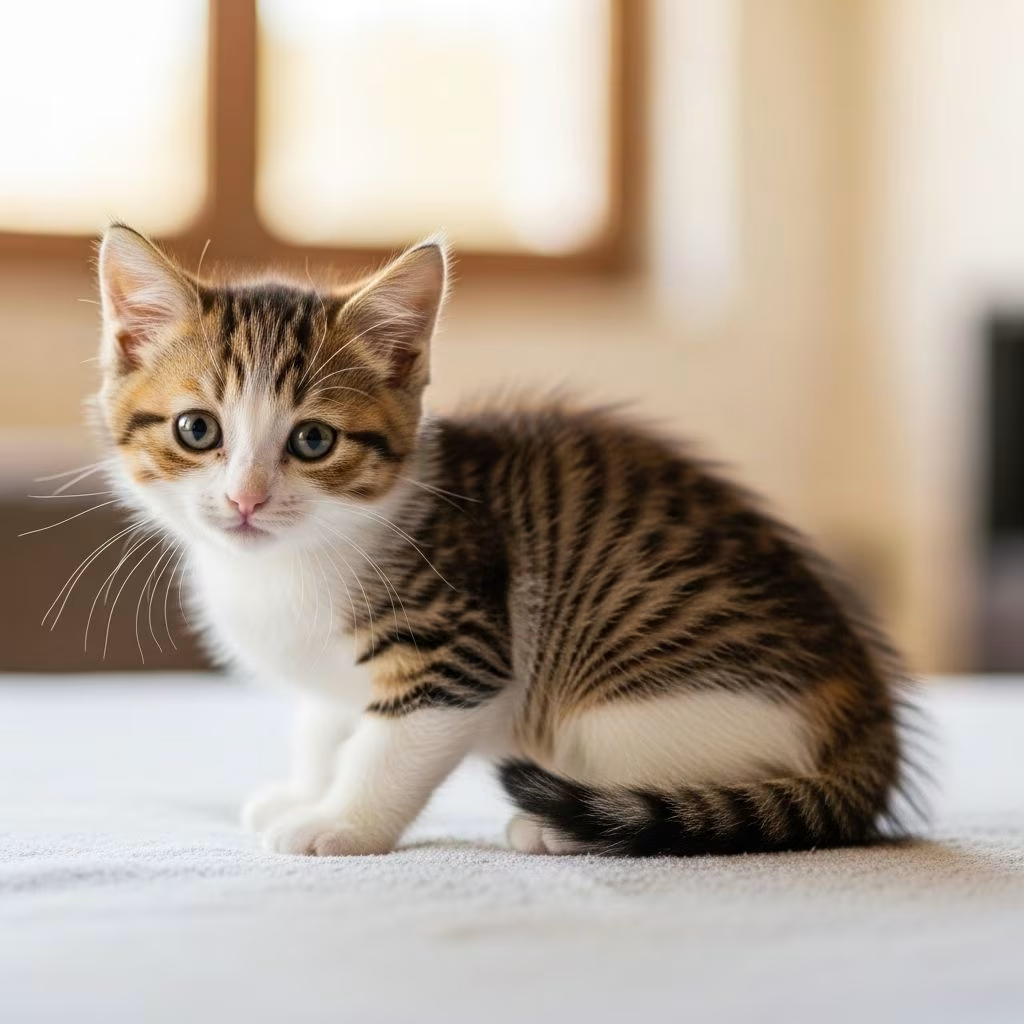
Constipation in kittens is a frequent concern for new cat owners, often stemming from diet changes, dehydration, or lack of stimulation, but it can signal serious issues if untreated. Understanding the causes, symptoms, and remedies helps ensure your kitten’s digestive health and comfort.
What Does It Mean If Your Kitten Isn’t Pooping?
Kittens typically defecate 2-4 times daily, depending on age and diet. If your kitten goes more than 24-48 hours without pooping, it may indicate constipation, where stool becomes hard and difficult to pass. This differs from normal firmness in young kittens transitioning from milk. Chronic cases can lead to obstipation (severe constipation) or megacolon, a condition dilating the colon and impairing function. Early intervention prevents discomfort and complications like blockages.
Common Causes of Constipation in Kittens
Several factors contribute to kittens not pooping. Identifying the root cause guides effective treatment.
- Dehydration: Insufficient water intake hardens stool, especially in kittens on dry food. Fresh water and wet food are essential for hydration.
- Dietary Issues: Transitioning from mother’s milk to solid food lacks fiber, causing irregularity. Dry-only diets exacerbate this.
- Parasites: Common in kittens, worms or protozoa disrupt GI function, leading to constipation. Treatable with deworming.
- Lack of Maternal Stimulation: Newborns under 3 weeks need mother’s licking to defecate. Orphaned kittens require manual stimulation.
- Inactivity: Sedentary kittens experience slowed digestion. Play promotes gut motility.
- Litter Box Problems: Dirty boxes, poor location, or disliked litter cause avoidance and retention.
- Medical Conditions: Blockages from ingested objects, megacolon, strictures, or pelvic injuries obstruct passage.
Signs Your Kitten Is Constipated
Monitor for these symptoms to catch issues early:
- Straining in the litter box without results
- Hard, dry stools or small pellets
- Decreased appetite or refusal to eat
- Lethargy or reduced activity
- Vomiting or bloating
- Crying or discomfort during attempts to poop
- Loss of weight or a hard abdomen
If symptoms persist beyond 48 hours or include vomiting/lethargy, seek vet care immediately.
Home Remedies for Kitten Constipation
Try these vet-approved steps for mild cases, but consult a professional first, especially for kittens under 8 weeks.
- Increase Hydration: Offer multiple water bowls, fountains, or wet food to soften stool.
- Diet Adjustment: Switch to high-fiber wet kitten food. Add 1/4 tsp plain canned pumpkin (not pie filling) daily.
- Belly Massage: Gently rub the abdomen clockwise with a warm damp cloth for 5-10 minutes post-meal.
- Warm Bath: A short soak relaxes muscles; dry thoroughly afterward.
- Exercise: Engage in play with toys to stimulate movement.
- Probiotics/Fiber Supplements: Kitten-safe options support gut health; vet approval required.
| Remedy | How to Use | Precautions |
|---|---|---|
| Pumpkin Puree | 1/4-1/2 tsp mixed in food daily | Plain, unsweetened; start small to avoid diarrhea |
| Belly Massage | Clockwise circles, 5 mins | Gentle; stop if painful |
| Wet Food | Replace dry gradually | High-quality kitten formula |
Results expected in 24-48 hours; no improvement means vet visit.
When to See a Vet for Kitten Constipation
Immediate care needed if home remedies fail, or with severe signs like vomiting, no eating, blood in stool, or distress. Vets diagnose via exam, X-rays, or fecal tests. Treatments include:
- Laxatives like lactulose or mineral oil
- Enemas or manual removal under sedation
- Fluid therapy for dehydration
- Deworming or addressing blockages
- Surgery for megacolon or strictures
Preventing Constipation in Kittens
Proactive habits keep digestion regular:
- Consistent access to fresh water and wet food
- High-fiber kitten diet; avoid dry-only
- Clean, accessible litter boxes with preferred litter
- Daily play for exercise
- Routine deworming and vet checkups
- Monitor diet transitions closely
FAQs
How long can a kitten go without pooping?
Up to 24-48 hours is common, but beyond that requires action. Newborns need daily stimulation.
Is canned pumpkin safe for constipated kittens?
Yes, plain puree (1/4 tsp) adds fiber safely; consult vet for dosage.
Can stress cause kitten constipation?
Yes, anxiety leads to retention; minimize changes and provide security.
What if my kitten cries when trying to poop?
Indicates pain from hard stool or blockage; vet evaluation urgent.
Is dry food bad for kitten digestion?
It can contribute if not balanced with water/wet food; prefer moisture-rich diets.
References
- Why Is My Kitten Not Pooping? — Lemonade. 2023. https://www.lemonade.com/pet/explained/why-is-my-kitten-not-pooping/
- Have a Constipated Kitten? How to Help Them Poop — Chewy. 2023. https://www.chewy.com/education/cat/health-and-wellness/remedies-for-kitten-constipation
- Constipation in Cats: Causes, Symptoms & Treatment — AnimERge. 2021-01-15. https://www.animergevets.com/site/blog/2021/01/15/constipation-dogs-causes-symptoms-treatment
- Constipation in Cats: Symptoms, Causes & Treatment — New Hope Animal Hospital. 2024-07-15. https://www.newhopeanimalhospital.com/site/blog/2024/07/15/constipation-cats
- Constipation in Cats: Causes, Symptoms & Treatment — Cinder Rock Vet Clinic. 2024-08-31. https://www.cinderrockvetclinic.com/site/blog/2024/08/31/constipation-dogs-causes-symptoms-treatment
- Kitten Constipation — PetMD. 2023. https://www.petmd.com/cat/conditions/digestive/kitten-constipation
- Constipation in Cats — VCA Animal Hospitals. 2023. https://vcahospitals.com/know-your-pet/constipation-in-cats



