

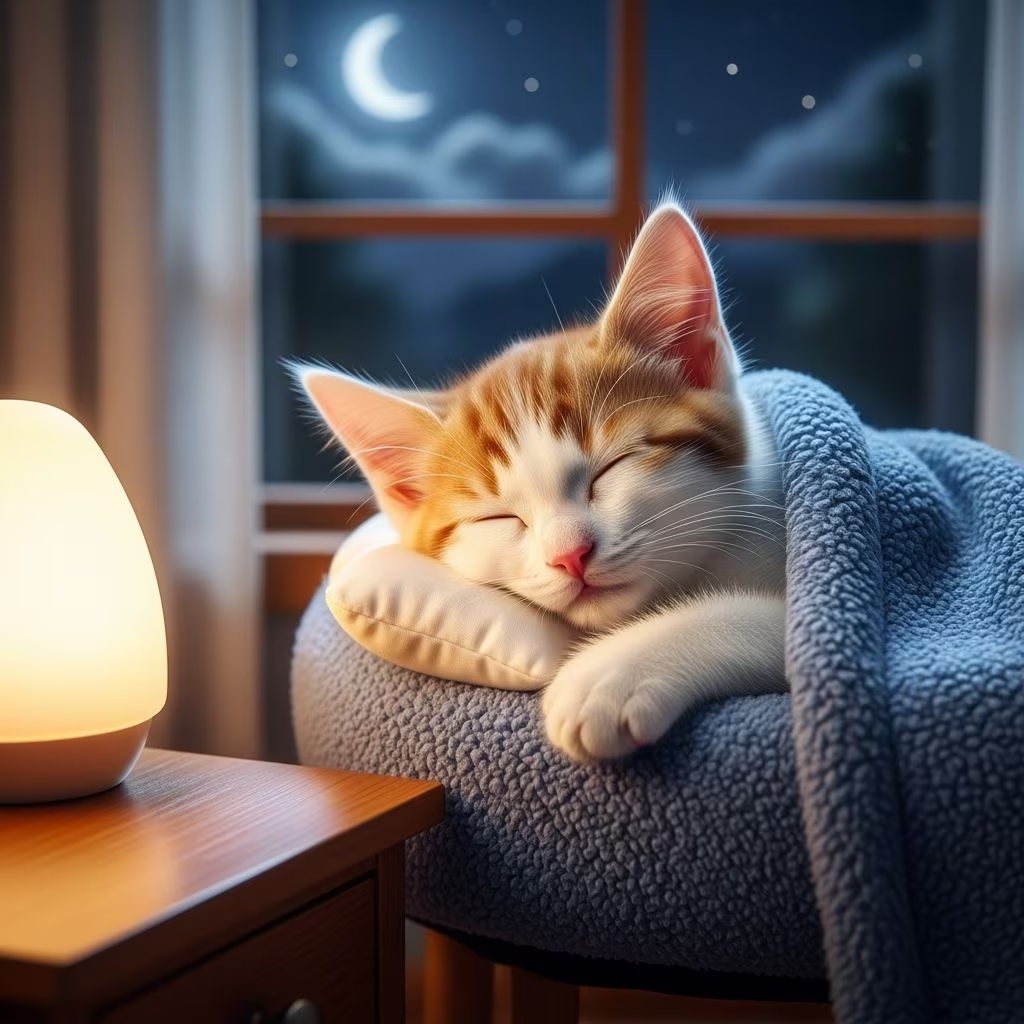
Bringing a new kitten home brings joy, but their nocturnal antics can disrupt your rest. Kittens naturally follow a crepuscular rhythm, active at dawn and dusk, yet with consistent training, you can align their sleep with yours for harmonious household living.
Grasping Kitten Sleep Patterns
Young kittens sleep 18-20 hours daily in short bursts, fueling rapid growth. As they mature past three months, energy surges demand structured activity to channel into daytime play, promoting longer nighttime rest. Disruptions arise from unmet needs like hunger, boredom, or insecurity, especially for new arrivals missing littermates.
Building a Daytime Activity Foundation
Daytime engagement prevents all-day napping that fuels night wakefulness. Schedule multiple play sessions mimicking hunting to exhaust them naturally.
- Early morning: 15-minute chase with wand toys.
- Midday: Puzzle feeders for mental stimulation.
- Late afternoon: Fetch or laser pursuits.
Avoid evening overstimulation; wind down post-dinner. Interactive toys like teasers build bonds while tiring muscles.
Optimizing Feeding for Sleepy Evenings
Mealtime influences drowsiness. Kittens require frequent, protein-rich meals; adjust for nighttime calm.
| Age | Daily Meals | Nighttime Strategy |
|---|---|---|
| Under 8 weeks | 4-6 small meals | Small wet food portion 30 min before bed |
| 2-6 months | 3-4 meals | Protein-heavy dinner; limit carbs |
| Over 6 months | 2-3 meals | Early dinner, no late snacks |
Wet food digests slowly, sustaining energy without spikes, unlike carb-laden dry kibble. Consult vets for portion guidelines to avoid overfeeding.
Designing the Perfect Sleep Sanctuary
A dedicated, secure space signals bedtime. Kittens seek warmth, elevation, and enclosure mimicking maternal safety.
- Location: Quiet room away from drafts, near litter, water, food.
- Bedding: High-sided cave beds or elevated perches with soft blankets.
- Essentials: Scratching post, toys for midnight stretches.
For first nights, a laundry or crate setup confines safely. Avoid your bed initially to prevent dependency and health risks like zoonotic transmission.
Incorporating Comfort and Familiarity
Familiar scents ease transitions. Place a blanket from the breeder or shelter, or your worn clothing, in their bed for olfactory reassurance.
Warmth aids relaxation: Use a covered hot water bottle (lukewarm, monitored) or heated pads on low. Dim nightlights help initial adjustment, though felines navigate darkness adeptly.
Evening Wind-Down Rituals
Consistent routines cue sleep. Post-dinner play (20-30 minutes) followed by grooming mimics post-hunt behaviors.
- Gentle brushing to distribute oils and soothe.
- Quiet feeding in bed area.
- Soft vocal reassurance without picking up.
- Dim lights, no screens.
Ignore cries initially; responding reinforces. Patience yields results in days.
Addressing Common Nighttime Disruptions
Crying stems from loneliness or needs. Systematic checks rule out issues before comforting passively.
- Hunger: Verify dinner sufficiency.
- Litter: Clean access nightly.
- Boredom: Leave quiet toys.
- Health: Persistent issues warrant vet visit.
For extreme cases, vet-approved herbal calmers (chamomile-based) may help, post-consultation.
Age-Specific Sleep Strategies
Tailor approaches by development stage for optimal success.
| Stage | Sleep Needs | Key Tactics |
|---|---|---|
| Newborn (0-4 weeks) | 22+ hours | Frequent warmth, minimal disturbance |
| Weaning (4-12 weeks) | 18-20 hours | Familiar scents, contained space |
| Juvenile (3-6 months) | 16-18 hours | Intense play, routine enforcement |
| Adolescent (6+ months) | 14-16 hours | Independent bed, dawn redirection |
As kittens age, enforce boundaries gradually.
Long-Term Sleep Habit Reinforcement
Consistency over weeks solidifies patterns. Track progress: Note wake times, adjust play accordingly. Integrate into family schedule for sustained calm nights.
Benefits extend beyond rest: Better growth, reduced stress, stronger bonds. Patient owners report kittens syncing within 1-2 weeks.
Frequently Asked Questions
Should kittens sleep in my bedroom?
Initially yes, for security, in their own bed nearby. Transition to separate room after a week.
What if my kitten cries all night?
Ensure basics met, then ignore briefly. Comfort verbally without removal. Improves rapidly.
Is wet food better for sleep?
Yes, slower digestion promotes drowsiness over dry food’s energy bursts.
How much play is enough?
30-60 minutes daily, split sessions, tiring without overexertion.
When to see a vet?
If sleep issues persist beyond two weeks or accompany lethargy, appetite loss.
Advanced Tips for Stubborn Cases
For persistent night owls, dawn redirection works: Quietly feed/play at first meow, then retire, gradually delaying response. White noise machines mask household sounds.
Multi-cat homes: Separate feeding/play to avoid stimulation chains. Spaying/neutering post-maturity aids calmer nights.
References
- How To Help Your Kitten Sleep Through the Night — Sheba UK. Accessed 2026. https://www.uk.sheba.com/blog/health/how-to-help-your-kitten-sleep-better
- How to Get a Kitten to Sleep Through the Night — Purina. Accessed 2026. https://www.purina.com/articles/cat/kitten/getting-a-kitten/kittens-first-night
- How To Get A Kitten To Sleep On Their First Night — Petbarn. Accessed 2026. https://www.petbarn.com.au/petspot/cat/behaviour-and-training-cat/how-to-settle-your-kitten-for-sleep/
- Cat keeping you awake? How to manage night activity — Animal Humane Society. Accessed 2026. https://www.animalhumanesociety.org/resource/cat-keeping-you-awake-how-manage-night-activity



