

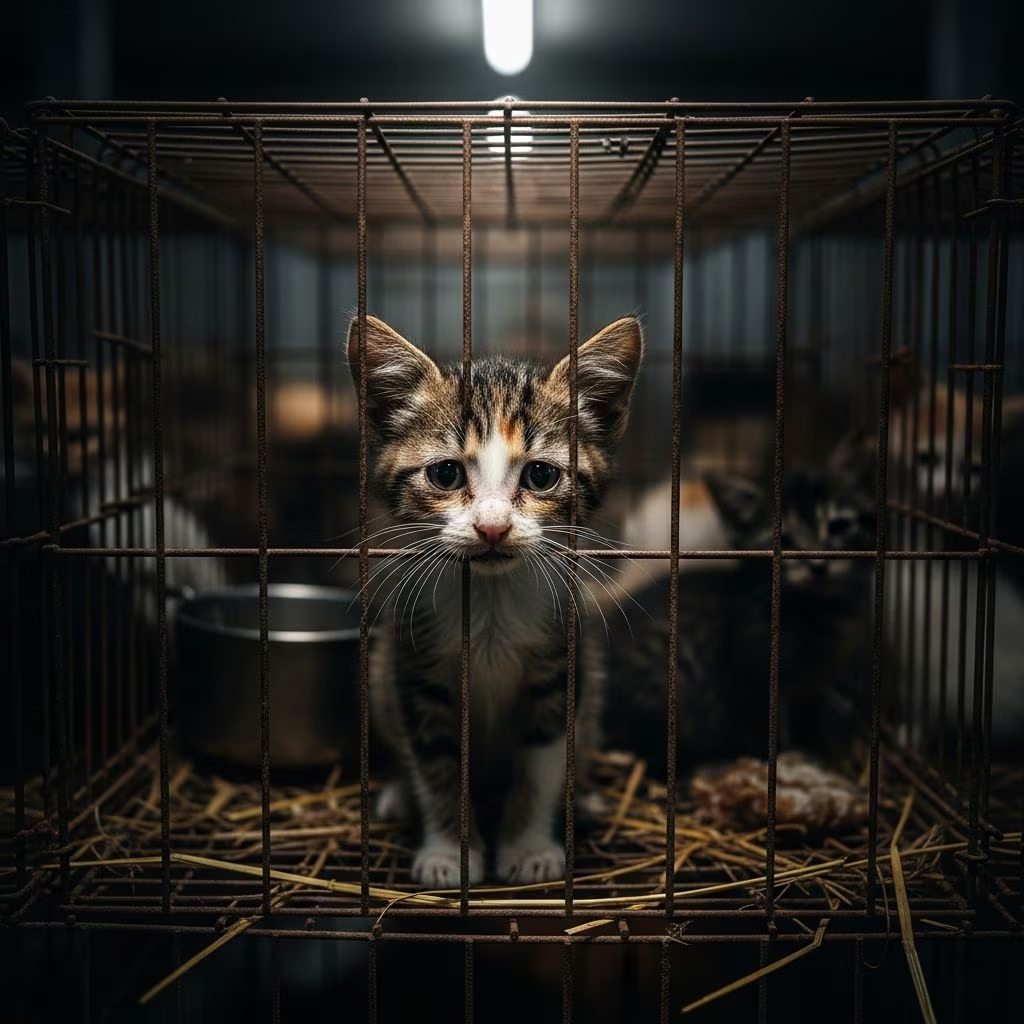
High-volume breeding facilities known as kitten mills operate like factories, prioritizing profit over the well-being of cats and kittens. These operations confine animals in cramped, unsanitary conditions, leading to widespread suffering and health issues.
Understanding the Operations of Kitten Mills
Kitten mills function solely to produce litters rapidly for sale, often supplying pet stores or online markets. Female cats, or queens, are repeatedly bred until physically exhausted, housed in wire cages stacked high, where waste from upper levels drips down. Veterinary care is minimal or absent, allowing diseases to spread unchecked among the confined animals.
Breeding pairs receive no genetic screening, resulting in inbred kittens prone to congenital defects. Kittens are separated from mothers too early, denied socialization, and shipped out before illnesses become apparent, ensuring quick turnover. This model mirrors puppy mills but targets the growing demand for purebred and designer cats.
Daily Horrors Faced by Cats in Mills
Cats in these facilities endure constant deprivation. Cages barely larger than their bodies prevent natural behaviors like stretching or grooming, causing muscle atrophy and foot injuries from wire floors. Filthy environments foster parasites, respiratory infections, and gastrointestinal worms, with many kittens dying before reaching buyers.
- Physical Toll: Malnourishment leads to weakened immune systems; untreated wounds fester into abscesses.
- Mental Strain: Isolation breeds fear and aggression, turning playful kittens into skittish adults.
- Reproductive Abuse: Queens produce litters back-to-back, risking uterine prolapse and early death.
Investigations reveal hordes of cats living amid feces and ammonia fumes, with no access to sunlight or fresh air. Mothers never experience freedom, discarded once infertile.
Health Crises Emerging from Kitten Mills
Kittens from mills arrive in homes riddled with problems. Common ailments include upper respiratory infections, feline leukemia, and FIV due to poor hygiene and overcrowding. Inbreeding causes deformities like malformed limbs or heart defects, surfacing post-purchase.
| Common Health Issue | Symptoms | Long-Term Impact |
|---|---|---|
| Parasitic Infections | Diarrhea, weight loss, anemia | Organ damage, stunted growth |
| Respiratory Diseases | Coughing, sneezing, discharge | Chronic illness, euthanasia risk |
| Behavioral Disorders | Fear biting, litter avoidance | Shelter surrender, rehoming failure |
| Genetic Defects | Limb deformities, organ failure | High vet bills, shortened lifespan |
Buyers face unexpected costs, from emergency treatments to behavioral therapy, often leading to relinquishment and shelter overcrowding.
Behavioral Consequences for Mill Survivors
Lack of human interaction warps personalities. Kittens grow into adults who cower, hiss, or lash out, mistaking touch for threat. Without litter training or play exposure, they struggle in domestic settings, increasing abandonment rates.
Rescue groups note these cats require months of patient rehabilitation, involving pheromone diffusers, clicker training, and slow introductions. Success stories exist, but many mills contribute to the euthanasia pipeline in overburdened shelters.
Geographic Spread and Hidden Locations
Kitten mills thrive nationwide, from rural Midwest farms to suburban garages, evading detection. States like Nebraska and Missouri host notorious operations, but urban raids in Australia exposed similar horrors. Loose regulations allow licensed facilities to skirt standards under the outdated Animal Welfare Act.
Pet stores source anonymously, masking origins. Online platforms exacerbate this, with sellers using stock photos to conceal mill stock.
Legal Landscape and Gaps in Protection
The federal Animal Welfare Act sets bare-minimum cage sizes but ignores behavioral needs or breeding limits, unchanged since the 1960s. State laws vary: San Francisco bans retail sales of mill-sourced cats. New York pushes bills like A.4283 to redirect pet stores toward shelter adoptions.
Stronger measures include mandatory inspections, sales bans, and “pet lemon laws” for refunds on sick animals. Advocacy groups like Best Friends Animal Society champion these reforms, noting regulated mills become unprofitable when forced to invest in humane care.
Spotting and Avoiding Kitten Mill Products
Consumers must scrutinize sources. Red flags include:
- Multiple young litters available year-round.
- No parental viewing or health records.
- Prices too low for claimed pedigrees.
- Sellers evading facility visits.
- Pets in parking lots or pop-up venues.
Responsible breeders limit litters, provide contracts, and prioritize health testing. Pet stores claiming “in-house” breeding often broker mill kittens.
Ethical Alternatives: Adoption and Responsible Sourcing
Adopt from shelters or rescues—mill survivors and purebreds await there. Platforms like Petfinder match needs ethically. For breeders, seek Cat Fanciers’ Association members with transparent practices.
Spay/neuter prevents backyard breeding, curbing supply. Volunteer with rescues to witness mill impacts firsthand, fueling informed advocacy.
Individual and Collective Action Steps
Combat mills by:
- Choosing adoption over purchase.
- Reporting suspected mills to USDA or local humane societies.
- Supporting bans via petitions and votes.
- Educating networks on red flags.
- Donating to anti-mill campaigns.
Legislation shifts pet stores to adoption hubs, saving lives. Every bypassed impulse buy denies mills revenue.
Frequently Asked Questions (FAQs)
What defines a kitten mill?
A profit-driven facility breeding cats en masse in substandard conditions, neglecting health and welfare.
Are kitten mills legal?
Many operate under lax USDA licenses; some states impose stricter rules or bans.
How do kitten mills fuel shelter crises?
Sick, behaviorally challenged pets get surrendered, overwhelming facilities amid overpopulation.
Can mill cats recover?
Yes, with dedicated care, though some face lifelong challenges from trauma and genetics.
What should I ask breeders?
Request vet records, parent health tests, socialization proof, and on-site visits.
Conclusion: Toward a Mill-Free Future
Eradicating kitten mills demands vigilance, policy change, and cultural shifts to adoption. Informed choices save countless cats from factory fates.
References
- The Tragedy of Puppy, Kitten, and Rabbit Mills — New York State Humane Society. 2023. https://www.nyshumane.org/article-the-tragedy-of-puppy-kitten-and-rabbit-mills/
- On Puppy Mill Awareness Day (and Everyday), Remember to Adopt, Not Shop — Utah Humane Society. 2024. https://www.utahhumane.org/blog/on-puppy-mill-awareness-day-and-everyday-remember-to-adopt-not-shop
- Yes, Kitten Mills Exist — And Here’s How We Can Help Stop Them — Petful. 2023. https://www.petful.com/animal-welfare/kitten-mills/
- Puppy/Kitten Mills — Animal Folks MN. 2022. https://www.animalfolksmn.org/issue-puppy-kitten-mills.html
- You’ve Heard About Puppy Mills… But What About Kitten Factories? — Animals Australia. 2024. https://animalsaustralia.org/our-work/companion-animals/kitten-factories/
- What Is a Kitten Mill? How They Work, Where They Exist & FAQ — Catster. 2025. https://www.catster.com/lifestyle/what-is-a-kitten-mill/
- SEC. 1C.2. SALE OF DOMESTIC DOGS AND CATS — San Francisco Health Code. 2023. https://codelibrary.amlegal.com/codes/san_francisco/latest/sf_health/0-0-0-59274



