

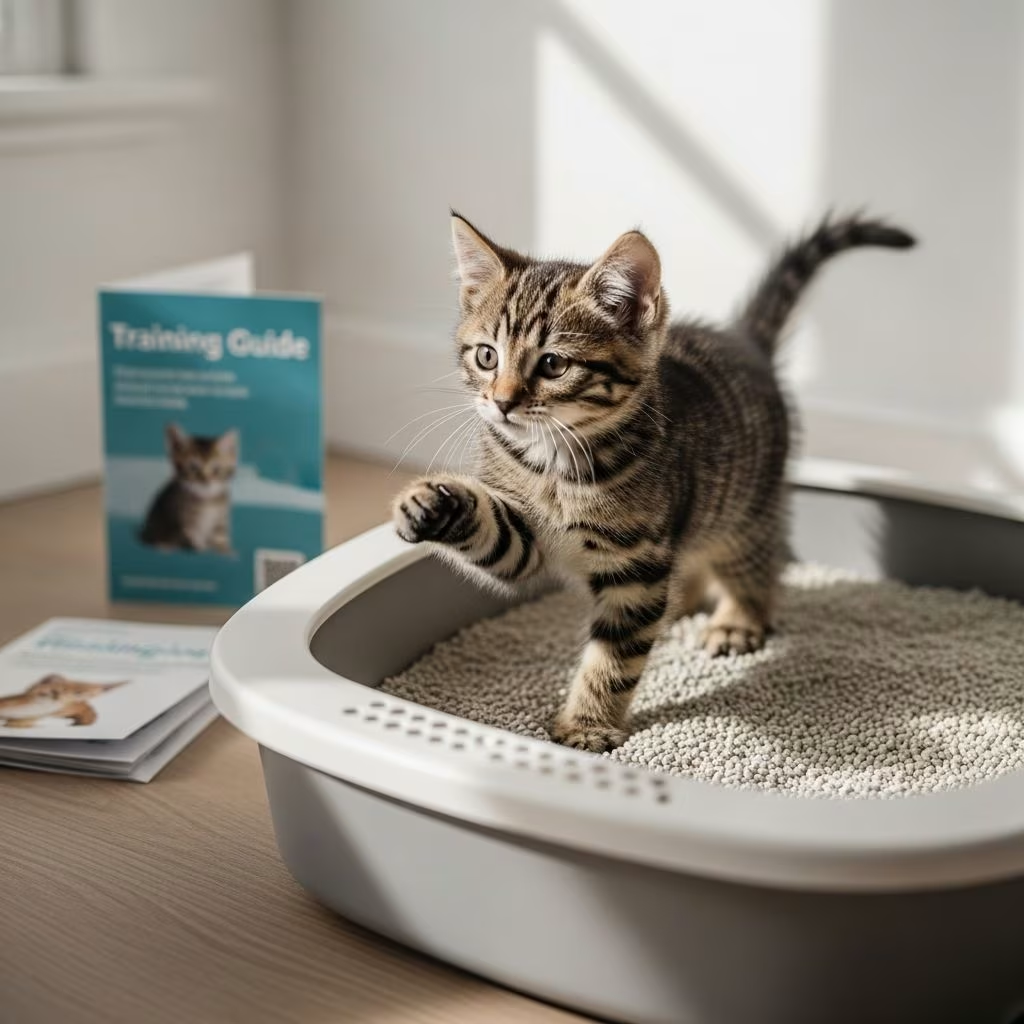
Kitten Litter Box Training: A Comprehensive Guide
Litter box training is one of the most important aspects of kitten care, and fortunately, it’s a skill that young cats learn remarkably quickly when given the right environment and guidance. Most kittens naturally have an instinct to use a designated area for their bathroom needs, making the training process relatively straightforward for pet owners who understand the fundamentals. This comprehensive guide covers everything you need to know about successfully litter training your kitten, from initial setup through ongoing maintenance and troubleshooting common challenges.
Understanding When to Start Litter Training
Knowing the right time to begin litter training is crucial for success. Very young kittens, particularly those under three weeks of age, are not developmentally ready to use a litter box. During this early stage, mother cats naturally stimulate their kittens to eliminate and clean up afterward, so artificial litter boxes are unnecessary.
You can typically begin litter training kittens around four weeks of age, which conveniently coincides with the weaning process. At this age, kittens start becoming more independent and are developmentally ready to learn bathroom habits. If you’re adopting an older kitten or adult cat, you can start the litter training process immediately upon bringing them home, regardless of their age.
Essential Supplies for Litter Box Training
Proper preparation with the right supplies significantly increases the likelihood of successful litter training. Here’s what you’ll need:
- Kitten-friendly litter (non-clumping varieties for kittens younger than 8–10 weeks)
- Low-sided litter boxes designed specifically for kittens
- Litter scoop for daily maintenance
- Litter Genie or similar disposal system
- Litter mat to contain tracking and protect floors
- Enzymatic cleaner for accident cleanup
Selecting appropriate litter is particularly important for young kittens. Non-clumping litter is recommended for kittens under 8–10 weeks old because clumping litter can be ingested during grooming and potentially cause digestive issues. As your kitten matures, you can transition to clumping litter if desired.
Choosing and Positioning Litter Boxes
The placement and number of litter boxes you provide plays a critical role in training success. Kittens need boxes that are easily accessible and appropriately sized for their small bodies.
Litter Box Quantity and The Rule of Paw
The general guideline for litter box quantity is to have one box for every cat in your household, plus one additional box. For kittens, this recommendation is even more important since they often get so busy playing that they delay using the bathroom until the last minute. Having multiple conveniently located boxes ensures your kitten can quickly reach one when needed, reducing accidents significantly.
Strategic Box Placement
Where you place litter boxes is just as important as how many you have. Consider these placement strategies:
- Space boxes throughout your home: If all litter boxes are clustered in one area, they function as a single unit rather than multiple options. This is particularly problematic in multi-cat households where cats may not want to share facilities.
- One box per floor: In multi-story homes, place at least one litter box on each level. This prevents your kitten from having to navigate stairs and multiple rooms just to reach a bathroom.
- Minimize distractions: Set up boxes in quiet areas with minimal activity and noise. This helps your kitten focus on the task at hand without being startled or distracted.
- Avoid difficult access routes: Don’t require your kitten to navigate through playrooms, pet doors, or utility closets to reach the box. Remember that cats have the same bathroom urgency as humans and prefer convenient access.
- Corner placement: Kittens naturally gravitate toward corners for elimination, so starting with boxes positioned in one or two room corners can facilitate learning.
Setting Up an Optimal Training Environment
Young kittens learn good litter habits quickly when initially confined to a dedicated training space. This containment strategy prevents accidents throughout your home and keeps your kitten near the litter box when they’re most likely to need it.
Creating a Cozy Training Room
Set up a comfortable room that includes:
- One or more litter boxes
- Food and water bowls
- Age-appropriate toys for enrichment
- Multiple resting and sleeping spots
- Perches or cat furniture for climbing
Spend quality time in this room with your kitten, playing and bonding. This interaction time serves multiple purposes: it strengthens your relationship, provides enrichment, and increases the likelihood you’ll be present when your kitten needs to eliminate.
Recognizing Elimination Opportunities
Understanding when kittens are most likely to need the bathroom helps you guide them to the box proactively. Key times to place your kitten in the litter box include:
- Immediately after eating or drinking
- Upon waking from naps
- Before bedtime
- After playtime or activity
Watch for behavioral cues that indicate your kitten needs to eliminate, such as sniffing the floor, circling, scratching or pawing at the ground, or assuming a crouching position.
Introducing Your Kitten to the Litter Box
Once your supplies are ready and the environment is prepared, you can begin the actual training process. Most kittens have a natural instinct to use a litter box, making formal training relatively simple.
Initial Introduction
Start by showing your kitten the location of each litter box. Allow them to explore freely and sniff the boxes to become familiar with them. Gently place your kitten inside each box so they understand what it is and where it’s located.
Demonstrating Proper Behavior
If your kitten doesn’t instinctively use the box during initial introduction, you can help trigger their natural instincts by:
- Digging in the litter with your hand or a litter spoon to create an inviting appearance
- Gently placing your kitten in the box and observing their response
- Using your finger to gently stimulate the kitten’s perianal area if they’re under four weeks old and still require assistance
- Allowing them to watch other kittens or cats successfully using the box, as kittens learn through imitation
Be careful not to frighten your kitten during these demonstrations. If they’re very social, they may become curious about your hand movements in the litter and investigate by hopping into the box on their own.
Consistent Placement Strategy
Continue placing your kitten in the litter box at strategic times—after meals, after waking up, and when you observe elimination cues—until they begin using it independently. Most kittens will catch on quickly and start using the box without prompting.
Reinforcing Positive Litter Box Habits
Positive reinforcement is one of the most effective training methods for kittens. When your kitten successfully uses the litter box, immediately reward them with their favorite treat or enthusiastic praise.
Timing is critical: The treat must be given immediately after your kitten leaves the box so they associate the bathroom activity with the reward. Delayed rewards will not create the desired connection in your kitten’s mind.
Positive reinforcement creates a powerful association between using the litter box and receiving something pleasant, encouraging your kitten to repeat the behavior consistently.
Managing Accidents During Training
Accidents are a normal part of the litter training process and should be handled calmly and strategically rather than punitively.
What NOT to Do
Never punish your kitten for accidents by yelling, hitting, or rubbing their nose in the mess. Such reactions create fear and anxiety around both elimination and interaction with you, potentially making training more difficult. Punishment-based approaches are counterproductive and harm your relationship with your kitten.
Proper Accident Response
When accidents occur, respond with these steps:
- Calmly clean up the mess thoroughly using an enzymatic cleaner that breaks down urine and fecal matter
- Avoid showing frustration or emotion during cleanup
- Consider what factors might have contributed to the accident and adjust accordingly
- Determine if your kitten has a substrate preference and fill the litter box with similar material if needed
- Place a litter box near the accident location if mistakes occur repeatedly in one spot
- Consult your veterinarian if accidents continue despite proper training efforts
Monitoring Kitten Progress and Freedom
Your kitten shouldn’t have unsupervised access to your entire home until they consistently and reliably use the litter box. Gradual freedom allows them to learn without the stress of too many options.
Once your kitten has successfully used the litter box in their training room, you may allow supervised exploration of other home areas. When you’re unable to supervise—such as when you’re busy, sleeping, or away from home—return your kitten to their well-stocked room. This prevents accidents and reinforces the connection between confinement and litter box use during the learning phase.
When you’re confident your kitten consistently uses the litter box from all areas of your home, gradually expand their unsupervised freedom room by room.
Litter Box Maintenance Schedule
Regular cleaning is essential for maintaining your kitten’s litter box habits and preventing aversion to the box.
| Frequency | Task |
|---|---|
| Daily | Scoop out all clumps and solid waste. Some cats prefer more frequent scooping. |
| After each use (initially) | During early training, scoop immediately after each elimination to keep the box pristine. |
| After scooping (daily) | Add clean litter to maintain a depth of 2–3 inches, providing adequate space for digging. |
| Weekly | Empty all litter and residue from the box, then refill with completely fresh litter. |
| Monthly | Empty all litter and thoroughly scrub the box with hot water and mild soap before refilling. Some cats prefer this weekly. |
| Yearly | Completely replace the litter box to ensure hygiene and eliminate any odors that have accumulated. |
During the initial training phase, scooping after every elimination prevents your kitten from developing an aversion to a dirty box. Once your kitten is older and uses the litter box consistently, you can transition to daily scooping.
Advanced Training Strategies
The Litter Box Cafeteria Approach
For kittens with substrate or box preferences, try setting up a “litter box cafeteria” by arranging several boxes side by side with variations such as:
- Different types of litter in each box
- Varying litter depths
- Different box sizes or styles
- Open versus covered boxes
Observing which box your kitten consistently chooses reveals their preferences, allowing you to fill all boxes with their preferred substrate and style.
Multi-Cat Households
In homes with multiple kittens or cats, ensure there are enough litter stations so cats don’t feel they need to compete for bathroom access. Follow the “one per cat plus one” rule strictly, and keep boxes in different locations rather than clustering them together.
Outdoor Access Considerations
Newly adopted adult cats may require a confinement period for litter box conditioning, similar to young kittens. Confirm that your new cat has a strong preference for eliminating in boxes and knows how to navigate to the box from various areas of your home before granting full house freedom.
Frequently Asked Questions About Kitten Litter Training
Q: At what age can kittens start using a litter box?
A: Kittens can begin litter training around four weeks of age, which coincides with weaning. Very young kittens under three weeks still need maternal stimulation for elimination.
Q: How many litter boxes do I need for one kitten?
A: The general rule is one box per cat plus one extra. For training purposes, having multiple boxes in different locations throughout your home increases success rates.
Q: What type of litter is best for young kittens?
A: Non-clumping litter is recommended for kittens younger than 8–10 weeks to prevent digestive issues if ingested during grooming. You can transition to clumping varieties as they mature.
Q: How often should I clean the litter box during training?
A: During the training phase, scoop after every elimination to keep the box clean and prevent aversion. Once training is complete, daily scooping is usually sufficient, with weekly deep cleaning.
Q: What should I do if my kitten keeps having accidents outside the box?
A: Determine your kitten’s substrate preference, place boxes near accident locations, increase the number of boxes, and consult your veterinarian to rule out medical issues.
Q: How long does litter training typically take?
A: Most kittens learn to use the litter box by 8–12 weeks of age when given appropriate guidance and a suitable environment. Some kittens catch on in just a few days.
Q: Should I use covered litter boxes for kittens?
A: Open boxes are generally preferable for training because they’re easier for kittens to access and give them a better view of their surroundings, which many kittens prefer.
References
- How To Litter Train a Kitten — PetMD. 2024. https://www.petmd.com/cat/general-health/how-to-litter-train-kitten
- House Training for Kittens and Cats — VCA Animal Hospitals. 2024. https://vcahospitals.com/know-your-pet/kitten-behavior-and-training—litter-box-training
- How to Litter Train a Kitten: Quick and Easy Guide — Catsan Pet Care. 2024. https://www.catsan.co.uk/cat-litter-tips-and-advice/how-to-litter-train-a-kitten-our-quick-and-easy-guide
- How to Litter Train a Kitten — Zoetis Petcare. 2024. https://www.zoetispetcare.com/blog/article/how-litter-train-kitten



