

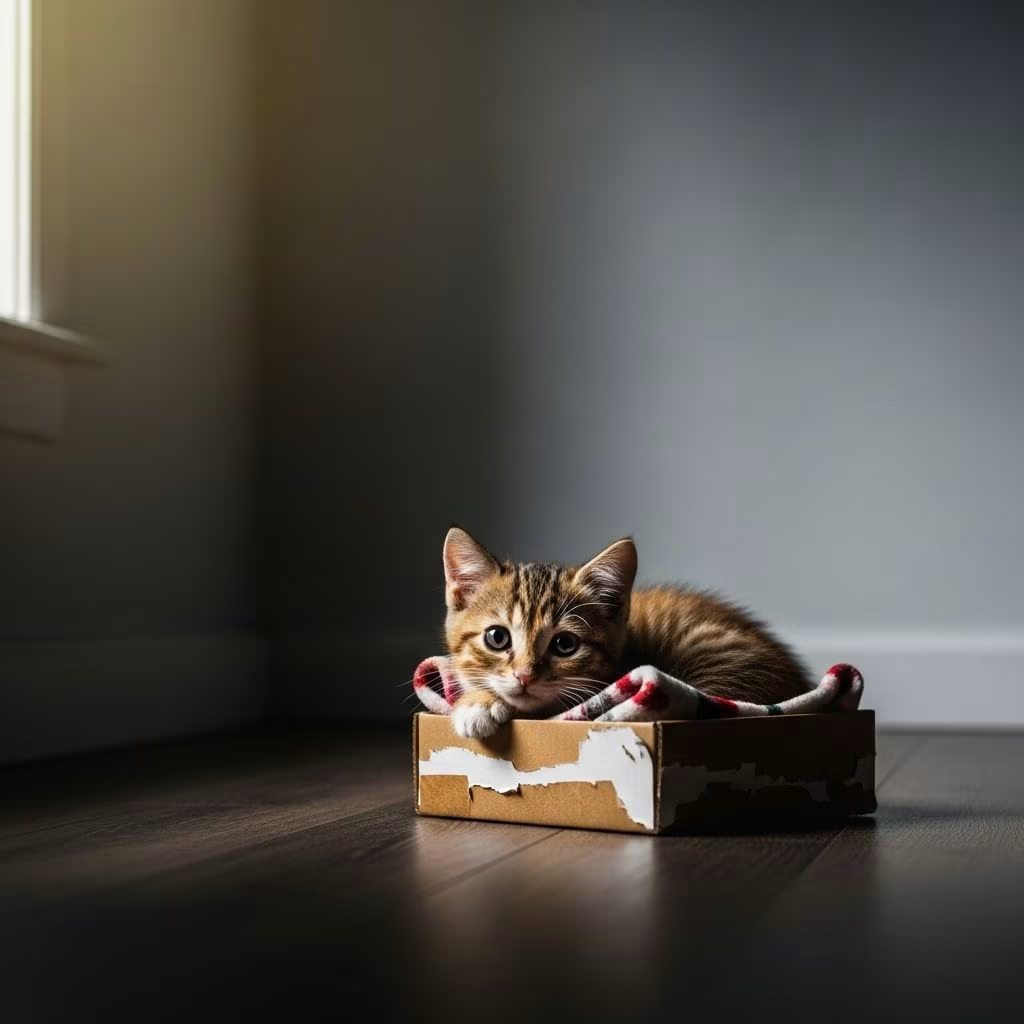
When a young kitten joins a household as the only feline member, it embarks on a developmental journey quite different from one shared with littermates. While many single kittens grow into well-adjusted adult cats, the absence of feline companionship during critical growth periods can create lasting behavioral patterns that challenge both the kitten and its human family. Understanding these potential outcomes and learning preventive measures can significantly improve the long-term wellbeing of your isolated kitten.
The Reality of Feline Development Without Littermates
Kittens experience a crucial window of social and behavioral development between four and twelve weeks of age. During this period, littermates engage in constant interaction through play, exploration, and physical contact. This ongoing engagement serves purposes far beyond simple entertainment—it represents an educational process where kittens learn fundamental lessons about social boundaries, physical control, and appropriate feline communication.
When a kitten lacks siblings or other young feline companions, this irreplaceable learning environment disappears. Research from behavioral specialists indicates that kittens raised in isolation typically develop more slowly in acquiring social skills compared to their littermate-raised counterparts. The impact extends beyond mere skill delays; it fundamentally shapes how these cats will interact with humans and other animals throughout their lives.
How Solitary Kittens Learn Differently
One of the most significant differences between littermate-raised and solo kittens involves a concept called bite inhibition. During rough-and-tumble play sessions, littermates continuously provide feedback to each other through vocalizations and behavioral responses. When one kitten bites too hard, its playmate yelps, stops playing, or retaliates—creating a clear cause-and-effect relationship that teaches appropriate force levels.
Humans, by contrast, lack fluency in feline communication signals and cannot effectively replicate this feedback mechanism. When a solo kitten pounces on your hand or bites during play, you cannot communicate boundaries with the same precision that another kitten could. This fundamental limitation means that solitary kittens often fail to develop proper inhibitory control over their physical interactions.
Beyond bite inhibition, littermates teach each other crucial lessons about predatory behavior, hunting techniques, and coordinated movement. Kittens observe their mother and siblings catching prey, developing eye-paw coordination and the precise timing necessary for successful hunting. Solo kittens miss these observational learning opportunities entirely.
Behavioral Challenges in Single Kitten Households
Aggressive Play and Inappropriate Biting
Many people find it charming when a tiny kitten pounces on their feet or gently nips their fingers during play sessions. This cuteness factor disappears rapidly as the kitten matures. Without proper bite inhibition training from littermates, single kittens often develop into adult cats that play far too roughly. Their attacks become painful rather than playful, and what seemed endearing at eight weeks becomes genuinely problematic at eight months.
Rescue organizations have documented cases where kittens adopted as singletons were returned to shelters specifically because of aggressive play behavior that developed as they reached physical maturity. These cats had not learned to moderate their strength or read human discomfort signals effectively.
Litter Box Difficulties
Proper litter box habits develop through observation and social learning during early kitten development. Littermates watch each other use the litter box and learn through both imitation and example. Solo kittens lack these behavioral models and may struggle to develop consistent litter box habits. Some develop inappropriate elimination behaviors, including spraying or elimination outside the litter box.
These litter box issues often don’t manifest until the kitten reaches adolescence or young adulthood, leading to situations where adoptive families feel blindsided by unexpected behavioral problems.
Stress, Anxiety, and Destructive Behavior
Kittens are naturally social creatures, and prolonged isolation can generate significant stress and anxiety. Without feline companionship, solitary kittens may develop destructive behaviors as they search for stimulation and ways to cope with boredom. Furniture scratching, curtain climbing, and destructive play can intensify when a kitten lacks appropriate outlets for its energy and social needs.
Some single kittens develop excessive attachment to their human caregivers, constantly demanding attention and becoming distressed when their owners leave the house. This dependence-driven behavior pattern reflects the kitten’s unmet social needs rather than mere preference for human company.
Excessive Vocalization and Other Signs of Distress
Lonely kittens may become unusually vocal, using increased meowing and other vocalizations to communicate their discomfort. Some develop overgrooming behaviors, pulling out fur or engaging in repetitive grooming that borders on obsessive-compulsive. These behavioral indicators suggest that the kitten is experiencing genuine emotional distress related to social isolation.
Which Kittens Face Greater Risk
Not all individual kittens respond identically to single-cat environments. Certain breeds and personality types appear more vulnerable to the challenges of isolation:
- Highly affectionate breeds such as Siamese, Burmese, and Ragdoll cats demonstrate stronger social bonding needs and may suffer more profoundly from lack of feline companionship.
- Naturally active and playful kittens require substantial outlets for their energy. Without littermates or other cats to engage with, they become frustrated and bored more quickly.
- Formerly stray or feral kittens that have experienced life among cat colonies may have developed strong social bonding patterns essential to their wellbeing. Isolation from other cats can feel particularly devastating to these individuals.
Practical Strategies for Supporting Solo Kittens
Introducing a Feline Companion
The most effective solution for addressing isolation-related behavioral challenges remains adding a second cat to the household. Animal rescue organizations have begun implementing policies requiring that kittens under six months of age be adopted in pairs or into homes with existing young cats. This approach recognizes the genuine developmental needs of young felines.
If your household already contains a single kitten, introducing an age-appropriate companion can still provide substantial benefits. The ideal age for introducing a second kitten is before your current kitten reaches six months, as older kittens may struggle more with the adjustment.
Creating Environmental Enrichment
While not a complete substitute for feline companionship, environmental enrichment can meaningfully reduce the behavioral challenges associated with isolation. Provide:
- Multiple vertical spaces for climbing and perching
- Interactive toys that encourage hunting and pouncing behaviors
- Puzzle feeders that require problem-solving and physical engagement
- Window perches for observing outdoor activity
- Rotating toy selection to maintain novelty and interest
Positive Handling and Socialization
Since humans cannot replicate littermate feedback, focus on building positive associations with human handling. Encourage your kitten to approach you voluntarily for interaction rather than forcing physical contact. When your kitten shows tension or reluctance, employ gentle desensitization techniques that help the kitten learn that human contact produces positive outcomes.
Establishing Clear Boundaries
Recognize that your solo kitten cannot learn bite inhibition from you in the way littermates would teach each other. Instead, consistently redirect inappropriate play toward toys rather than your hands or feet. When your kitten bites or claws too hard, calmly end the interaction rather than continuing to engage. This teaches the kitten that overly aggressive play results in the termination of fun.
Maintaining Consistent Litter Box Practices
Since solo kittens lack peer models for litter box behavior, establish and maintain strict consistency. Ensure your kitten has access to appropriately sized, clean litter boxes at all times. Place boxes in quiet, accessible locations away from food and water bowls. Provide multiple boxes distributed throughout your home, following the guideline of one box per cat plus one additional box.
Understanding Limitations of the “Single Kitten Syndrome” Concept
It’s important to note that while rescue organizations and feline behaviorists widely discuss single kitten syndrome, formal scientific research has not yet definitively established this as a distinct diagnostic condition. One recent study found no consistent links between aggression and early social exposure or singleton status, suggesting that individual personality traits, home environment quality, and owner training methods play equally significant roles in behavioral outcomes.
This means that while isolation-related behavioral challenges are real and documented through practical experience, individual outcomes vary considerably. Some solo kittens develop few behavioral problems, while others struggle significantly. Genetics, personality, and environmental factors all contribute to how each kitten develops.
The Long-Term Trajectory of Single Kittens
It’s worth noting that behavioral patterns established during the critical socialization period tend to persist into adulthood. A kitten that develops aggressive play behaviors or litter box issues during its first six months often carries these patterns forward, though they may become more pronounced or manageable depending on how the owner responds.
Additionally, sibling bonds between littermates do not necessarily last throughout a cat’s life. Once cats reach social maturity between two and four years of age, they frequently grow apart even when raised together. Introducing an adult companion to your previously solo cat differs significantly from introducing another kitten during the critical socialization window.
Making the Right Decision for Your Household
If you are considering adopting a kitten, understanding these developmental realities should inform your decision. Adopting two kittens instead of one requires minimal additional resource investment compared to the behavioral challenges often associated with single-kitten adoption. Many households find that two kittens provide companionship for each other, reducing destructive behavior and creating a more balanced, harmonious environment.
If you already have a solo kitten, the option to introduce a companion remains available, though the optimal window is during the first six months. Even introducing a young cat later can provide substantial benefits to your kitten’s behavioral development and emotional wellbeing.
Understanding your kitten’s developmental needs and acting proactively represents one of the most impactful ways to support long-term behavioral health and ensure that your feline companion develops into a well-adjusted adult cat.
Frequently Asked Questions
Can a single kitten develop into a healthy, well-behaved adult cat?
Yes, many solo kittens do develop into healthy, well-behaved cats. Individual personality, environmental enrichment, and owner education significantly influence outcomes. However, the risk of behavioral challenges increases compared to kitten pairs.
At what age do behavioral problems from isolation typically appear?
Behavioral issues often emerge when the kitten reaches adolescence or young adulthood, typically between four and twelve months of age, as the kitten’s physical strength increases and its behavioral patterns become more entrenched.
Is it ever too late to introduce a second cat to a solo kitten?
While the critical socialization window closes around twelve weeks, introducing a companion kitten before six months remains highly beneficial. Introductions after six months are possible but often require more careful management.
Will environmental enrichment alone prevent behavioral problems in solo kittens?
Environmental enrichment significantly helps reduce behavioral challenges but cannot fully replicate the benefits of feline companionship. A combination of enrichment, positive handling, and, ideally, introducing a feline companion produces the best outcomes.
Do all cat breeds struggle equally with isolation?
Highly social and affectionate breeds such as Siamese and Burmese cats appear more vulnerable to isolation-related behavioral challenges than more independent breeds. However, individual personality varies significantly within breeds.
References
- Single Kitten Syndrome — Seattle Area Feline Rescue. Accessed January 2026. https://seattleareafelinerescue.org/single-kitten-syndrome/
- The Single Kitten Syndrome Explained — Cats.com. Accessed January 2026. https://cats.com/single-kitten-syndrome
- Single-Kitten Syndrome — MEOW Cat Rescue. Accessed January 2026. https://meowcatrescue.org/resources/adoption-considerations/single-kitten-syndrome/
- Is My Cat Lonely? 5 Signs Of Single Cat Syndrome — Whisker. Accessed January 2026. https://www.whisker.com/blog/5-signs-your-single-cat-is-lonely
- What is Single Kitten Syndrome and how to prevent it? — Catit. Accessed January 2026. https://www.catit.com/spotlight/what-is-single-kitten-syndrome-and-how-to-prevent-it/
- One Is the Loneliest Number: Single Kitten “Syndrome” Behaviors — Kitten Coalition. Accessed January 2026. https://kittencoalition.org/one-is-the-loneliest-number-single-kitten-syndrome-behaviors/



