

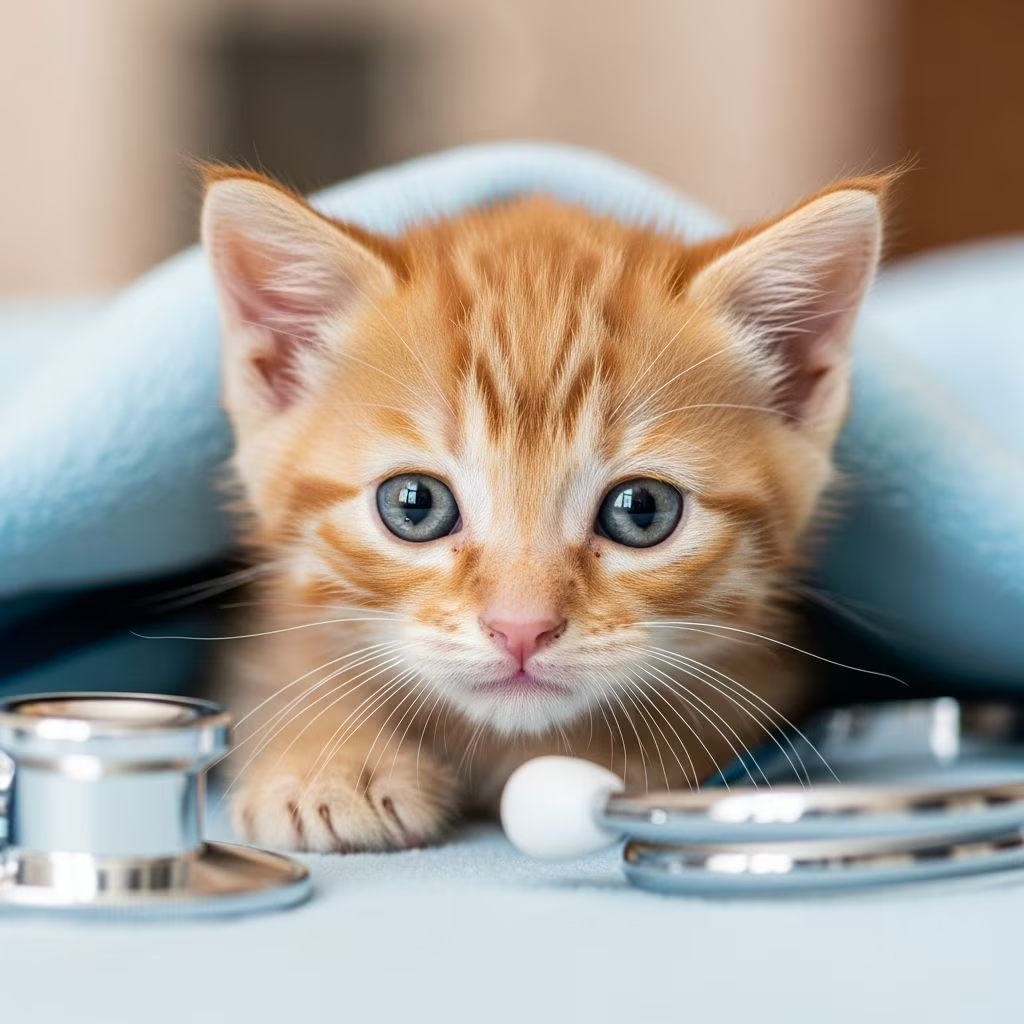
Young kittens are particularly vulnerable to various health challenges as their immune systems continue to develop. Unlike adult cats, kittens lack the fully formed defenses necessary to combat infections and parasites effectively. Understanding the signs of illness in kittens is crucial for any kitten owner, as early detection and intervention can make the difference between a minor health issue and a serious condition. This comprehensive guide explores the most common illnesses affecting kittens, their symptoms, and what you should do when you suspect your kitten is unwell.
Understanding Kitten Vulnerability to Illness
Kittens exist in a unique developmental stage where they face heightened susceptibility to disease. Their immune systems are not yet fully mature, meaning they cannot fight off infections as effectively as adult cats. This developmental vulnerability is compounded by the stress of separation from their mother, transitions to new homes, and exposure to unfamiliar environments. Additionally, kittens from shelters, rescue situations, or those born to unvaccinated mothers face even greater risks of developing serious respiratory and gastrointestinal conditions.
The transition period from maternal care to independence is particularly challenging. During this time, kittens lose the protective antibodies provided through their mother’s milk, creating a window of vulnerability before their own immune systems fully activate. Vaccination schedules are therefore critical during this developmental window, protecting kittens from potentially life-threatening diseases.
Recognizing the General Signs of Illness
Before diving into specific diseases, it’s essential to understand the general warning signs that indicate your kitten may be unwell. These broad indicators often appear regardless of the underlying cause and should prompt immediate veterinary evaluation.
Behavioral and Physical Indicators
Changes in your kitten’s normal behavior often represent the earliest warning sign of illness. Lethargy or unusual tiredness, particularly in kittens that are normally active and playful, suggests something may be wrong. A sick kitten may hide more than usual, show disinterest in play, or spend excessive time sleeping.
Appetite changes are another critical indicator. Loss of appetite or reluctance to eat can signal various conditions, from simple stress-related issues to serious infections. You may also notice changes in your kitten’s grooming habits—excessive grooming in one area, neglecting grooming altogether, or the appearance of a dull, unkempt coat all warrant attention.
- Decreased interest in food or complete loss of appetite
- Excessive lethargy or sleeping beyond normal kitten rest periods
- Changes in grooming behavior or coat appearance
- Unusual postures or difficulty moving comfortably
- Withdrawal from normal activities and social interaction
- Unusual vocalization or changes in how your kitten communicates
Physical Discharge and Respiratory Signs
Discharge from the eyes, nose, or mouth indicates potential infection or illness. Any visible discharge warrants veterinary evaluation, as it may suggest upper respiratory infection, conjunctivitis, or other serious conditions. Similarly, sneezing and coughing are common respiratory symptoms that should not be ignored, especially if persistent or accompanied by other signs.
Breathing difficulties represent a serious emergency. If your kitten struggles to breathe even while at rest, makes abnormal breathing noises, or displays rapid or shallow breathing, immediate veterinary care is necessary. Heavy breathing, wheezing, or gagging also suggest respiratory distress requiring urgent attention.
Common Respiratory Conditions in Kittens
Respiratory illnesses rank among the most frequently diagnosed health issues in young kittens. These conditions range from mild viral infections to potentially serious pneumonia, and understanding each helps you recognize when professional care is needed.
Upper Respiratory Infections
Upper respiratory infections represent one of the most prevalent illnesses veterinarians encounter in young kittens. These infections result from various viral and bacterial organisms, including feline herpesvirus, calicivirus, and bacteria such as Bordetella and Chlamydia. These infections spread extremely easily between kittens, especially in environments where multiple animals live in close proximity.
The symptoms of upper respiratory infection include sneezing, nasal congestion, runny nose, eye discharge, and pink eye (conjunctivitis). Affected kittens typically experience reduced appetite and appear lethargic due to discomfort and difficulty breathing through congested nasal passages. The inability to smell food properly can further contribute to appetite loss, as smell plays a crucial role in feline appetite stimulation.
Many kittens recover naturally within one to two weeks with proper supportive care, including rest and encouragement to eat and drink. However, bacterial infections may require antibiotics, and severe cases causing dehydration might necessitate IV fluid support. Your veterinarian may recommend blood work to rule out more serious underlying conditions like feline leukemia virus (FeLV) or feline immunodeficiency virus (FIV).
Feline Viral Rhinotracheitis
Feline viral rhinotracheitis (FVR), caused by feline herpesvirus 1, represents one of the most common respiratory diseases in cats and kittens. A significant aspect of this virus is that once infected, a kitten becomes a lifelong carrier and may experience recurrent illness during times of stress or secondary illness.
Beyond the typical respiratory symptoms of sneezing and congestion, FVR can cause tiredness, poor appetite, and various eye issues. Severe cases may present additional complications requiring more aggressive treatment approaches and supportive care measures.
Feline Calicivirus and Related Conditions
Calicivirus presents with a broader range of symptoms depending on the particular strain involved. Manifestations may include sneezing, congestion, eye drainage, fever, tongue ulcers, lethargy, appetite loss, liver damage, crusting sores, and occasionally mild lameness. Treatment typically involves antibiotics for secondary bacterial infections and supportive care such as IV fluids as needed.
Pneumonia in Kittens
Feline pneumonia can develop from multiple causes including viral infections, bacterial infections, fungal infections, aspiration through a weak esophagus, or inhalation of foreign objects. Symptoms include fatigue, poor appetite, coughing, shortness of breath, congested breathing, and gagging. Since these symptoms overlap with other conditions, your veterinarian will typically perform chest X-rays to confirm pneumonia diagnosis.
Treatment depends on the underlying cause but generally includes antibiotics and supportive care. Severe cases may require hospitalization with IV fluid administration and oxygen therapy to support the kitten’s breathing and recovery.
Gastrointestinal Disorders and Digestive Issues
Digestive system problems represent another major category of kitten illness. These conditions can range from stress-related temporary issues to serious infectious diseases requiring intensive treatment.
Diarrhea and Vomiting
Vomiting and diarrhea are extremely common in young kittens for multiple reasons. Stress associated with major life transitions—separation from mother and littermates, moving to a new home, and meeting new people—frequently triggers gastrointestinal upset. Dietary changes also commonly cause temporary digestive disturbances.
When caused by stress or diet, these issues typically resolve quickly with symptomatic treatment, including returning to a previous diet and providing stress relief. However, when vomiting or diarrhea persists beyond a day or two or appears severe, veterinary evaluation becomes essential, as these symptoms can indicate serious underlying conditions.
Potential serious causes of vomiting and diarrhea include:
- Bacterial, viral, or parasitic infections
- Intestinal parasites including worms, giardia, and coccidia
- Food intolerance or allergic reactions
- Ingestion of foreign objects causing obstruction
- Immune disorders or congenital problems
- Exposure to toxins
- Vitamin deficiencies
Feline Panleukopenia
Feline panleukopenia (FPV), commonly known as distemper, represents a serious viral disease that was once frequently diagnosed in kittens. Modern vaccination has significantly reduced its incidence, though it still affects unvaccinated kittens. This life-threatening virus causes severe vomiting, diarrhea, dehydration, and sepsis while simultaneously attacking the bone marrow, further compromising immune function.
Symptoms include diarrhea, vomiting, appetite loss, lethargy, and severe dehydration. The disease is often fatal despite treatment, making prevention through vaccination critically important. Kittens diagnosed with panleukopenia frequently require hospitalization for survival and recovery. Because of the disease’s severity and contagiousness, FPV vaccination is recommended as a core vaccine for all kittens.
Intestinal Parasites
Kittens acquire worm infections in multiple ways, including through their mother’s womb and via nursing from infected mothers. Because their immune systems are underdeveloped, kittens require more frequent deworming than adult cats. While some parasites pose minimal risk, others can cause serious disease.
Roundworms and hookworms present particular concern, potentially causing severe gastrointestinal disease, nutrient malabsorption, blood loss, severe anemia, and respiratory problems. Symptoms of parasitic infection include stomach upset, reduced ability to absorb nutrients, weight loss, and visible worms in feces.
Your veterinarian will recommend appropriate deworming treatments tailored to your kitten’s age and specific parasite risks. Additionally, keeping your kitten indoors significantly reduces exposure to parasites. After infection treatment, thorough home disinfection is crucial, including washing bedding and linens in hot water with bleach and steam cleaning carpets and upholstery.
Giardia and Coccidia
These single-celled parasites are commonly acquired from contaminated soil, feces, food, or water. Both organisms reduce your kitten’s ability to absorb nutrients from food, leading to malnutrition despite adequate feeding. Symptoms include diarrhea, appetite loss, weakness, and dehydration. Kittens are particularly susceptible because they often lack immunity to these parasites. Routine fecal testing can identify these infections, and your veterinarian will prescribe appropriate medications for treatment.
Parasitic and Skin Conditions
Beyond internal parasites, external parasites and skin conditions represent another significant health concern for young kittens.
Flea Infestations
Fleas are among the most common external parasites affecting kittens. Beyond the discomfort of itching, fleas can transmit serious diseases and cause anemia through blood loss. Treatment involves oral medications to kill adult fleas rapidly, combined with environmental treatment of the home and yard using pet-safe products. Thorough vacuuming helps eliminate flea eggs and larvae from your living space.
Tick-Borne Illnesses
Ticks pose serious health risks beyond the discomfort of infestation. These parasites transmit Lyme disease and other tick-borne illnesses that can cause stiff joints, fever, appetite loss, lethargy, and anemia. Regular brushing allows you to monitor your kitten for tick attachment and remove parasites promptly before disease transmission occurs.
Feline Scabies and Mange
Mites cause a skin disease in kittens known as feline scabies, which occurs more commonly in outdoor kittens or those living in warm, urban regions. The primary symptom is excessive itching, particularly around the head, neck, ears, tail, and hocks. You may also notice crusting, scabs, or bald patches resulting from intense scratching.
Your veterinarian diagnoses scabies through painless skin scraping and recommends prescription medications for treatment. Additional antibiotics may be necessary if the scratching causes secondary infections, and corticosteroids may help reduce inflammation associated with the condition.
When to Seek Veterinary Care
Understanding when professional veterinary intervention is necessary can be lifesaving. While some kitten health issues resolve with home care, others require immediate professional evaluation.
Emergency Situations Requiring Immediate Care
Seek emergency veterinary care immediately if your kitten experiences:
- Difficulty breathing or inability to breathe normally, even at rest
- Loss of consciousness or unresponsiveness
- Severe trauma or suspected injury
- Uncontrollable vomiting or diarrhea with signs of severe dehydration
- Unable or unwilling to urinate or defecate
- Severe abdominal pain or distension
- Eye trauma or sudden blindness
- Inability to stand or complete paralysis
- Seizures or convulsions
Non-Emergency but Important Veterinary Visits
Schedule a veterinary appointment (not necessarily an emergency visit) when you observe:
- Persistent symptoms lasting more than 24-48 hours
- Mild to moderate respiratory symptoms with discharge
- Any parasitic symptoms including excessive scratching or visible parasites
- Changes in behavior or appetite lasting more than one day
- Mild to moderate gastrointestinal upset
- Any discharge from eyes, nose, or mouth
- Lumps, bumps, or skin changes requiring evaluation
Supporting Your Sick Kitten at Home
While professional veterinary care is essential for diagnosis and treatment, supportive care you provide at home significantly impacts recovery. Ensure your kitten has access to fresh water and food, though don’t force eating. A warm, quiet, comfortable space away from household stressors promotes healing. Handle your kitten gently and allow extra rest time.
Monitor your kitten closely for changes in symptoms and follow all veterinary treatment recommendations precisely, including completing full courses of antibiotics even if symptoms improve. Never administer over-the-counter medications or topical treatments not specifically approved for kittens, as many products are unsafe for young animals.
Prevention Through Vaccination and Care
The most effective approach to kitten health involves prevention rather than treatment. Vaccination protects against serious infectious diseases, while parasite prevention medications protect against fleas, ticks, and internal parasites. Discuss an appropriate vaccination and prevention schedule with your veterinarian based on your kitten’s age, lifestyle, and risk factors.
Regular veterinary wellness visits allow early detection of developing health issues, proper monitoring of growth and development, and adjustments to preventive care as your kitten matures. Maintaining a healthy diet appropriate for kittens supports immune system development and overall health.
References
- 22 Common Kitten Diseases and Illnesses — Pets Best Insurance. Accessed February 17, 2026. https://www.petsbest.com/blog/5-common-puppy-and-kitten-health-conditions
- The 5 Most Common Kitten Illnesses — PetMD. Accessed February 17, 2026. https://www.petmd.com/cat/general-health/5-most-common-kitten-illnesses
- How to Care for a Sick Kitten — Hill’s Pet. Accessed February 17, 2026. https://www.hillspet.co.id/cat-care/healthcare/how-to-care-for-a-sick-kitten
- 8 Common Kitten Emergencies: Trauma, Respiratory & Vomiting — Vets Now. January 2017. https://www.vets-now.com/2017/01/nine-common-emergencies-kittens/
- Causes of Vomiting and Diarrhea in Cats — Harlinger Veterinary Clinic. Accessed February 17, 2026. https://harlingenveterinaryclinic.com/blog/cat-is-sick/



