Supporting Your Kitten Through Illness: A Complete Home Care Manual
Essential strategies for nursing a sick kitten back to health with confidence
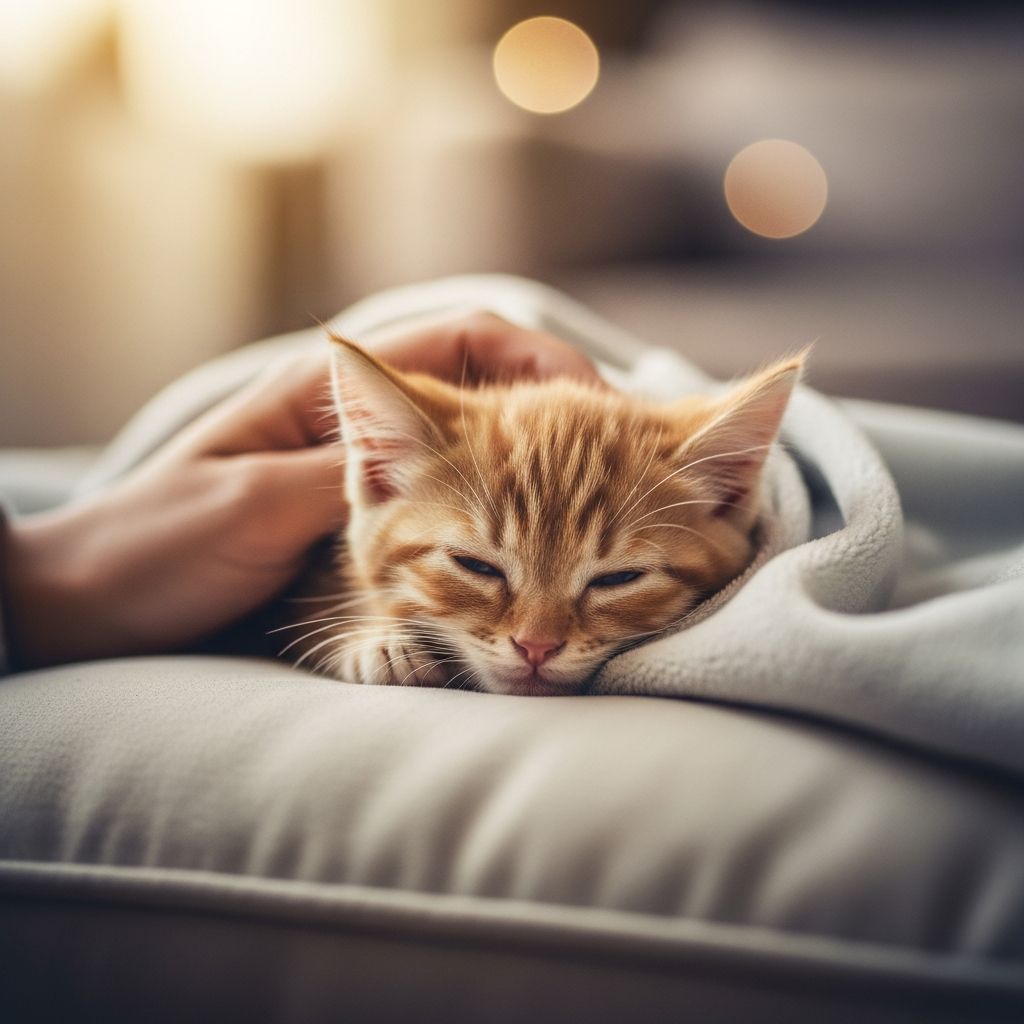
Discovering that your kitten is unwell can trigger anxiety and uncertainty about what steps to take next. While veterinary care remains essential, understanding how to provide supportive care at home plays a crucial role in your kitten’s recovery process. This comprehensive guide walks you through the fundamentals of recognizing illness, nourishing your sick kitten appropriately, and creating an environment that promotes healing.
Recognizing the Early Warning Signs of Illness in Kittens
Identifying illness in kittens requires vigilance, as these young animals often mask their symptoms until conditions become more serious. One of the earliest and most reliable indicators of feline illness is a sudden loss of appetite or a marked decrease in eating behavior. This change can be subtle, particularly in multi-cat households where individual consumption patterns are difficult to monitor.
To detect eating changes more effectively, many veterinary professionals recommend periodically offering canned food, which kittens typically find highly palatable. If your kitten refuses this preferred food option, this serves as a strong signal that medical attention may be needed. Beyond appetite changes, observe your kitten for behavioral alterations such as increased lethargy, reduced playfulness, excessive vocalization, or changes in litter box habits.
Physical symptoms warrant immediate attention as well. These may include vomiting, diarrhea, discharge from eyes or nose, coughing, difficulty breathing, or an unusual posture. Temperature abnormalities also indicate potential health issues. Understanding these warning signs enables you to seek veterinary care promptly, improving your kitten’s chances for a full recovery.
Nutritional Support During Recovery
Nutrition forms a cornerstone of home-based kitten care during illness. What and how you feed your sick kitten depends significantly on their age, the nature of their illness, and your veterinarian’s specific recommendations. Maintaining hydration takes equal importance to caloric intake, as dehydration can complicate recovery and create additional health challenges.
Feeding Very Young Kittens (Birth to Six Weeks)
Neonatal kittens require milk replacement formulas designed specifically for their nutritional needs. When bottle-feeding, ensure the formula is warmed to approximately body temperature before offering it to your kitten. The nipple opening should allow milk to drip slowly without requiring vigorous sucking. If the opening is too small, carefully enlarge it using a sterile needle.
Present the bottle gently every two to four hours, with younger kittens requiring more frequent feedings. Never squeeze formula into the kitten’s mouth, as this can force milk into the lungs, potentially causing aspiration pneumonia. Instead, allow the kitten to nurse naturally at their own pace. Consistency and patience are essential, as bottle-feeding requires dedication and proper technique.
Feeding Older Kittens (Six Weeks and Beyond)
Kittens beyond six weeks of age can transition to commercial kitten foods, though the specific product should align with your veterinarian’s recommendations for your kitten’s condition. High-quality canned kitten food often proves more appealing to sick kittens than dry kibble, and the moisture content supports hydration goals.
If your kitten shows appetite resistance, bland dietary options can stimulate eating. Skinless boiled chicken, specialized prescription diets formulated for digestive sensitivity, or small amounts of canned tuna packed in natural juices may encourage consumption. Some kittens respond well to having their food warmed slightly, which enhances palatability and aroma.
The Gradual Return to Normal Feeding
Once your kitten begins eating consistently, a methodical transition back to regular food prevents digestive upset. This process should span one to two days and follows a specific progression. Begin by mixing a small portion of regular kitten food into the bland diet for one meal. For the next meal, offer a fifty-fifty blend of regular and bland food. The subsequent feeding should consist of three-quarters regular food and one-quarter bland food. Finally, transition fully to regular kitten food over the following week.
If your kitten stops eating at any point during this transition, pause the process and consult your veterinarian, as this may indicate a complication or that more time is needed before dietary advancement.
Hydration and Water Access
Adequate water intake prevents serious complications like kidney dysfunction and supports overall recovery. Sick kittens may have reduced thirst drive, making intentional hydration support necessary. Rather than relying on a single water bowl, place multiple bowls throughout your kitten’s recovery space. This approach reduces the distance your sick kitten must travel to access water and increases the likelihood of adequate consumption.
Ensure all water bowls contain fresh, clean water that is changed regularly throughout the day. Some kittens prefer running water, so a cat water fountain may encourage drinking. If your kitten shows signs of severe dehydration, your veterinarian may recommend subcutaneous fluid administration, which provides hydration more effectively than oral intake alone.
Environmental Conditions for Optimal Recovery
Temperature Management and Heat Support
Young kittens cannot regulate their body temperature effectively, making environmental temperature control critical for recovery. Newborn and very young kittens require ambient temperatures between 85-95 degrees Fahrenheit, depending on their specific age. This warm environment prevents hypothermia, which can severely compromise a sick kitten’s ability to fight infection and recover.
Supplemental heat sources such as heating pads, warm water bottles, or heating discs can maintain appropriate temperatures. If using heating pads, place multiple fabric layers between the pad and your kitten to prevent burns, or choose low settings designed for pet safety. Monitor heat sources frequently to ensure they don’t overheat. Incubators designed for animal care offer professional-grade temperature control but may not be practical for home settings.
Allow your kitten to move toward or away from heat sources naturally, as they instinctively seek appropriate warmth levels. Gradual warming over one to four hours is preferable to rapid heating, which can cause excessive fluid loss and worsen the kitten’s condition.
Bedding and Comfort Considerations
Provide soft, clean bedding in a confined space that your kitten can access easily. Medium-sized cardboard boxes lined with towels work well for newborn and very young kittens, offering a secure, manageable environment. Change bedding frequently to maintain cleanliness and prevent the spread of bacteria or parasites.
Wash and replace bedding regularly, especially when dealing with vomiting, diarrhea, or excessive urination. Damp or soiled bedding increases infection risk and causes discomfort. Multiple clean towels should be kept readily available for quick changes throughout the day and night.
Creating a Stress-Reducing Environment
Illness and stress compound each other negatively in kittens, so minimizing environmental stressors supports recovery. Designate a quiet space away from household noise, other pets, and high-traffic areas. Loud sounds, active play, and social disruption can impede healing and increase anxiety.
Maintain a calm demeanor when interacting with your sick kitten, as animals sense and respond to human stress. Gentle handling and minimal necessary contact allow your kitten to conserve energy for recovery. When your kitten shows interest in companionship, brief quiet time together provides emotional support without overwhelming them. Conversely, respect their need for uninterrupted rest when they withdraw or show signs of fatigue.
Daily Care and Hygiene Protocols
Litter Box Management
Position a readily accessible litter box near your kitten’s resting area to minimize the distance they must travel to eliminate waste. Scoop the litter box multiple times daily to maintain cleanliness and allow you to monitor elimination patterns and output consistency. Changes in urination or defecation frequency or appearance often indicate evolving health status.
Young kittens, particularly those unable to move independently, may require manual stimulation of bowel movements. Gently stroke the genital area with a warm, damp cloth after feeding to encourage elimination, mimicking the behavior of a mother cat.
Cleaning and Disinfection
Maintain rigorous cleanliness standards throughout your kitten’s recovery to prevent secondary infections. Wipe down all surfaces your kitten contacts using pet-safe disinfectants, including feeding areas, litter boxes, and bedding zones. Remove soiled bedding promptly and replace with fresh, clean materials.
Wash your hands thoroughly before and after handling your sick kitten to prevent cross-contamination. If caring for multiple kittens, maintain separate supplies and care items for each animal to limit disease transmission.
Special Considerations for Newborn and Very Young Kittens
Caring for neonatal kittens presents unique challenges requiring specialized knowledge and commitment. These extremely young animals depend entirely on caretakers for survival, requiring frequent feedings every two to four hours, temperature regulation, and stimulation of elimination. If you lack experience with bottle-feeding or neonatal care, seek guidance from experienced foster networks or veterinary professionals.
Be prepared with essential supplies including kitten milk replacer, feeding bottles with appropriate nipples, cotton balls for stimulation, multiple towels, and reliable heat sources. Establish a consistent schedule and maintain meticulous records of feeding times, amounts consumed, elimination patterns, and any observed changes in behavior or appearance.
When to Consult Your Veterinarian
Home care complements but never replaces professional veterinary treatment. Seek immediate veterinary attention if your kitten shows signs of severe illness such as extreme lethargy, inability to eat or drink, respiratory difficulty, seizures, or loss of consciousness. Additionally, if your kitten’s condition fails to improve within 24-48 hours of home care initiation, or if symptoms worsen, veterinary evaluation becomes necessary.
Always follow your veterinarian’s specific instructions regarding medication administration, dietary restrictions, activity limitations, and follow-up appointments. Professional guidance tailored to your kitten’s individual diagnosis provides the best foundation for recovery.
Frequently Asked Questions
How can I tell if my kitten’s temperature is normal?
Normal kitten body temperature ranges from 99-102.5 degrees Fahrenheit. Using a digital rectal thermometer provides accurate readings. Contact your veterinarian if temperature falls below 99 or exceeds 103 degrees Fahrenheit.
Should I keep my sick kitten indoors?
Yes, sick kittens should remain indoors during illness and recovery. Outdoor exposure risks complications, increases stress, and may result in the kitten becoming lost or unable to return home due to weakness or disorientation.
How often should I check on my sick kitten?
Check on your kitten frequently, at minimum every few hours. Neonatal and very young kittens require checks every 1-2 hours to monitor feeding times, elimination, temperature, and overall status. More frequent observations may be necessary depending on your kitten’s condition severity.
What should I do if my kitten refuses food?
Contact your veterinarian, as prolonged anorexia can indicate serious complications. In the interim, try different food types, temperatures, and presentations. Ensure fresh water access and monitor for other symptoms of declining health.
Can I give my kitten medication at home?
Yes, if prescribed by your veterinarian. Follow all dosing instructions precisely, complete the full course even if your kitten improves, and report any adverse reactions to your veterinarian immediately.
Creating a Recovery Timeline
Recovery duration varies depending on your kitten’s illness, age, and treatment response. Most kittens with supportive home care show improvement within several days, though some conditions require weeks for complete resolution. Maintain a recovery journal documenting feeding amounts, elimination patterns, energy levels, and any medication administered. This record provides your veterinarian with valuable information for assessing progress and adjusting treatment as needed.
As your kitten improves, gradually introduce normal activities while monitoring closely for setbacks. Resume regular kitten food only after confirming several days of stable eating and normal elimination. Reintroduce playtime and social interaction progressively, allowing your kitten to build strength without exhaustion.
Conclusion: Supporting Your Kitten’s Return to Health
Caring for a sick kitten at home demands commitment, patience, and attention to detail, but your efforts significantly impact recovery outcomes. By recognizing early illness signs, providing appropriate nutrition, maintaining optimal environmental conditions, and following veterinary guidance, you create the foundation for successful healing. Remember that professional veterinary care remains essential, and home care serves as a vital complement to medical treatment. With proper support, most sick kittens overcome illness and develop into healthy, thriving cats.
References
- How to Care for a Sick Kitten at Home — PetPlace.com. Accessed January 2026. https://www.petplace.com/article/cats/pet-care/how-to-care-for-a-sick-kitten-at-home
- Caring For Your Sick Cat — Blue Cross. Accessed January 2026. https://www.bluecross.org.uk/advice/cat/caring-for-your-sick-cat
- Caring for Sick Kittens and Cats: A Beginner’s Guide — Snip & Tip Inc. Accessed January 2026. https://www.snipandtip.org/post/caring-for-sick-kittens-and-cats-a-beginner-s-guide
- Sickness in Kittens: Common Kitten Illnesses — Purina US. Accessed January 2026. https://www.purina.com/articles/cat/kitten/health/sick-kitten
- Fading Kitten Syndrome: Signs and When to Get Help — PetMD. Accessed January 2026. https://www.petmd.com/cat/conditions/fading-kitten-syndrome
- Medical Care for Kittens Playbook — Best Friends Animal Society. Accessed January 2026. https://bestfriends.org/network/resources-tools/medical-care-kittens-playbook
Similar Articles







Read full bio of Sneha Tete