

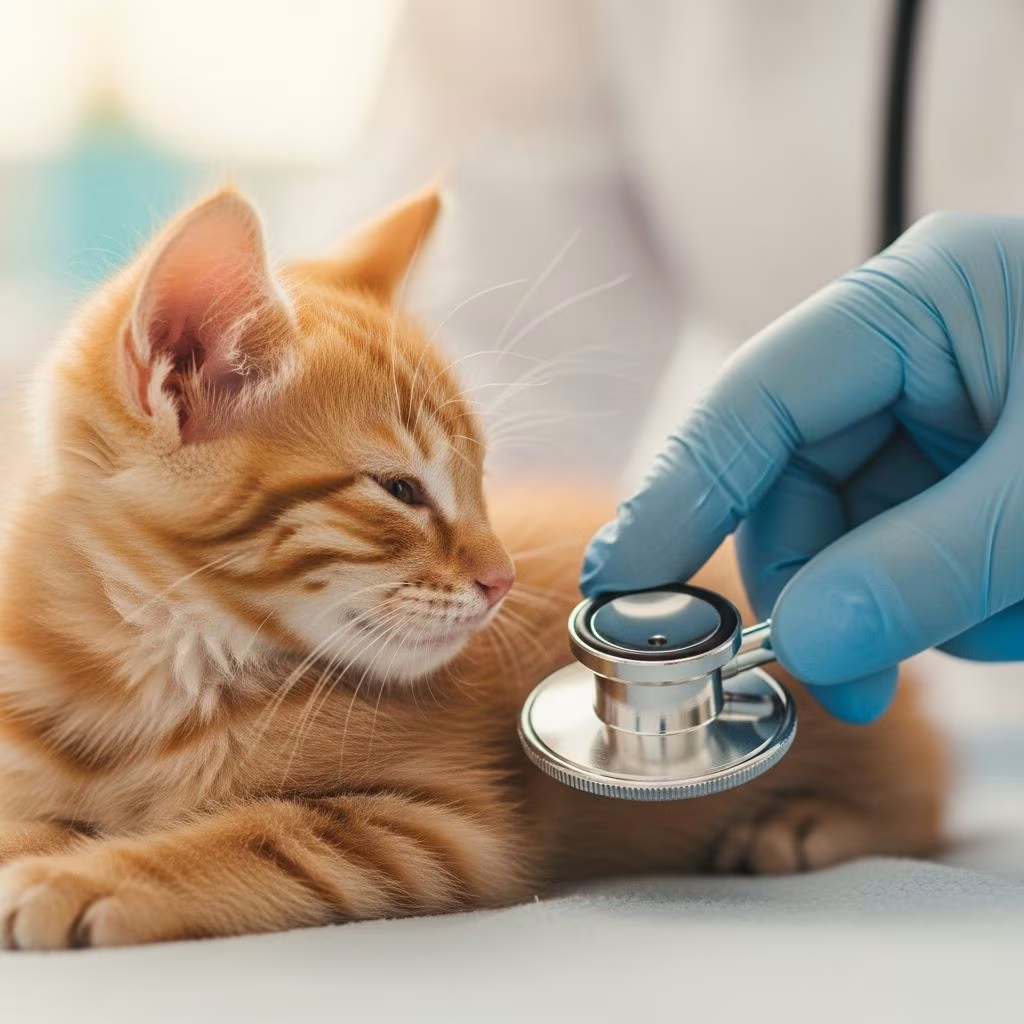
Understanding a kitten’s heart rate is crucial for early detection of health issues in these delicate young pets. Newborn kittens typically exhibit heart rates around 200-300 beats per minute, which gradually decrease as they mature into adults with rates of 140-220 beats per minute at rest.
Why Heart Rate Matters in Kittens
The heart rate, or pulse, serves as a key indicator of a kitten’s cardiovascular health and overall well-being. In young felines, rapid heartbeats support their high metabolic demands for growth and play. Deviations from normal ranges can signal stress, dehydration, infection, or congenital defects. Regular monitoring empowers owners to spot anomalies early, potentially saving lives.
Kittens’ hearts beat faster than adults due to smaller body size and higher energy needs. As they develop, this rate stabilizes, reflecting improved efficiency in oxygen delivery and nutrient distribution throughout the body.
Normal Heart Rate Ranges by Age
Heart rates vary significantly across kitten development stages. Here’s a breakdown:
- Newborns (0-2 weeks): 200-300 bpm, essential for thermoregulation and rapid growth.
- Young kittens (2-8 weeks): 220-260 bpm, accommodating increased activity and weaning.
- Juvenile (2-6 months): 180-240 bpm, transitioning toward adult norms.
- Adults (over 6 months): 140-220 bpm at rest, with resting averages of 160-200 bpm.
| Age Group | Normal Range (bpm) | Notes |
|---|---|---|
| Newborn | 200-300 | High due to metabolic demands |
| 2-8 weeks | 220-260 | Supports play and growth |
| 2-6 months | 180-240 | Stabilizing phase |
| Adult rest | 140-220 | Lower when calm |
These ranges are guidelines; individual kittens may vary slightly based on breed and health.
Step-by-Step Guide to Checking Your Kitten’s Heart Rate
Monitoring is straightforward and non-invasive when done gently. Follow these steps for accuracy:
- Prepare the environment: Choose a quiet, familiar space where your kitten feels secure to minimize stress-induced elevations.
- Position comfortably: Lay the kitten on its right side on a soft surface, supporting the head and body to avoid anxiety.
- Locate the pulse: Place two fingers (index and middle) on the chest behind the left front leg, over the heart area (fifth rib). Alternatively, feel the femoral artery on the inner thigh near the hind leg junction.
- Count beats: Time 15 seconds using a stopwatch and multiply by 4 for bpm. For precision with calm kittens, count a full minute.
- Observe rhythm: Note if beats are regular without skips or irregularities, which could indicate arrhythmias.
Practice during routine cuddles to habituate your kitten. Avoid forceful handling to prevent artificial increases.
Factors Influencing Kitten Heart Rates
Several variables can temporarily alter a kitten’s pulse, helping owners contextualize readings:
- Activity and excitement: Play or zoomies can push rates above 220 bpm, returning to baseline within minutes post-rest.
- Stress or anxiety: Vet visits, new environments, or handling by strangers elevate rates temporarily.
- Age and size: Younger, smaller kittens naturally have faster hearts; breeds like Abyssinians may run higher.
- Temperature and environment: Heat or cold stress increases demand on the heart.
- Nutrition and hydration: Dehydration or low blood sugar from missed meals accelerates beats.
Track patterns over multiple checks rather than single outliers for reliable insights.
Recognizing Abnormal Heart Rates in Kittens
Persistent deviations warrant professional evaluation. Categorize as follows:
| Category | Range (bpm at rest) | Possible Causes |
|---|---|---|
| Dangerously Low | <100 | Shock, heart block, severe illness, or impending collapse |
| Low | 100-140 | Bradyarrhythmia, medication effects, hypothermia |
| High | >220 | Fever, pain, anemia, hyperthyroidism, infection |
| Irregular | Varies | Arrhythmias, electrolyte imbalance, congenital defects |
Accompanying symptoms like lethargy, labored breathing, pale gums, or collapse demand immediate vet care. Low rates in weak kittens may precede death.
Common Health Conditions Affecting Kitten Heart Rates
Certain disorders disproportionately impact young felines:
- Congenital heart defects: Holes in heart walls or valve issues cause persistent tachycardia or murmurs.
- Infections (e.g., Fading Kitten Syndrome): Bacterial or viral agents lead to rapid, weak pulses amid failure to thrive.
- Anemia: Low red blood cells force compensatory speeding of the heart.
- Parasites: Worms or fleas cause dehydration and elevated rates.
- Respiratory issues: Upper airway obstructions increase heart workload.
Veterinary diagnostics like echocardiography or bloodwork pinpoint causes.
Home Monitoring Tips for Optimal Kitten Health
Incorporate heart checks into daily routines:
- Establish a baseline during sleep or post-feeding calm periods.
- Use apps or timers for consistent 15-second counts.
- Log readings with notes on activity, diet, and behavior in a journal or app.
- Combine with other vitals: respiration (20-30 breaths/min), temperature (99.5-102.5°F).
- Train family members for collective tracking.
Weekly checks suffice for healthy kittens; daily for those with histories of illness.
When to Contact a Veterinarian
Seek prompt care if:
- Resting rate consistently outside age-appropriate norms.
- Sudden changes without obvious triggers like play.
- Irregular rhythm, weak pulses, or murmurs (whooshing sounds).
- Paired with symptoms: vomiting, diarrhea, coughing, or appetite loss.
Emergency signs include rates below 100 bpm with collapse or above 300 bpm unrelieved by rest.
Frequently Asked Questions (FAQs)
What is a dangerous heart rate for a kitten?
Below 100 bpm at rest signals severe distress; above 300 bpm persistently indicates emergency.
Can stress affect my kitten’s heart rate reading?
Yes, anxiety can elevate it temporarily; recheck in a calm state.
How often should I check my kitten’s pulse?
Weekly for wellness; more frequently if monitoring illness or post-surgery.
Is a kitten’s heart rate the same as pulse rate?
Nearly identical in healthy cats, though pulse reflects peripheral flow.
What if I can’t feel my kitten’s heartbeat?
Ensure gentle pressure; if absent, seek vet immediately for potential crisis.
Preventive Care to Maintain Healthy Heart Rates
Support cardiovascular wellness through:
- Balanced kitten diet rich in taurine for heart muscle function.
- Regular deworming and flea prevention to avoid parasitic burdens.
- Vaccinations against infections impacting the heart.
- Controlled play to build stamina without overexertion.
- Annual vet exams with vital sign baselines.
Early spaying/neutering may influence long-term heart health positively.
References
- Normal Cat Heart Rate: What Should It Be? — Petcube. 2023. https://petcube.com/blog/heart-rate-for-cats/
- What Is a Normal Heart Rate for Cats? — K&H Pet Products. 2023. https://khpet.com/blogs/cats/what-is-a-normal-heart-rate-for-cats
- Cat health checklist: What is your cat’s normal? — Vetster. 2024. https://vetster.com/en/wellness/cat-health-checklist-what-is-your-cat-s-normal
- Understanding the Vital Signs of Cats: A Comprehensive Guide — TICA. 2023. https://tica.org/blogs/understanding-the-vital-signs-of-cats-a-comprehensive-guide/
- What’s a Normal Cat Temperature, Heart and Breathing Rate? — American Red Cross. 2024. https://www.redcross.org/take-a-class/resources/learn-pet-first-aid/cat/normal-temperature-heart-breathing-rate
- What Is a Normal Cat Heart Rate? — Apex Vets. 2023. https://apex.vet/blog/cat-heart-rate/



