

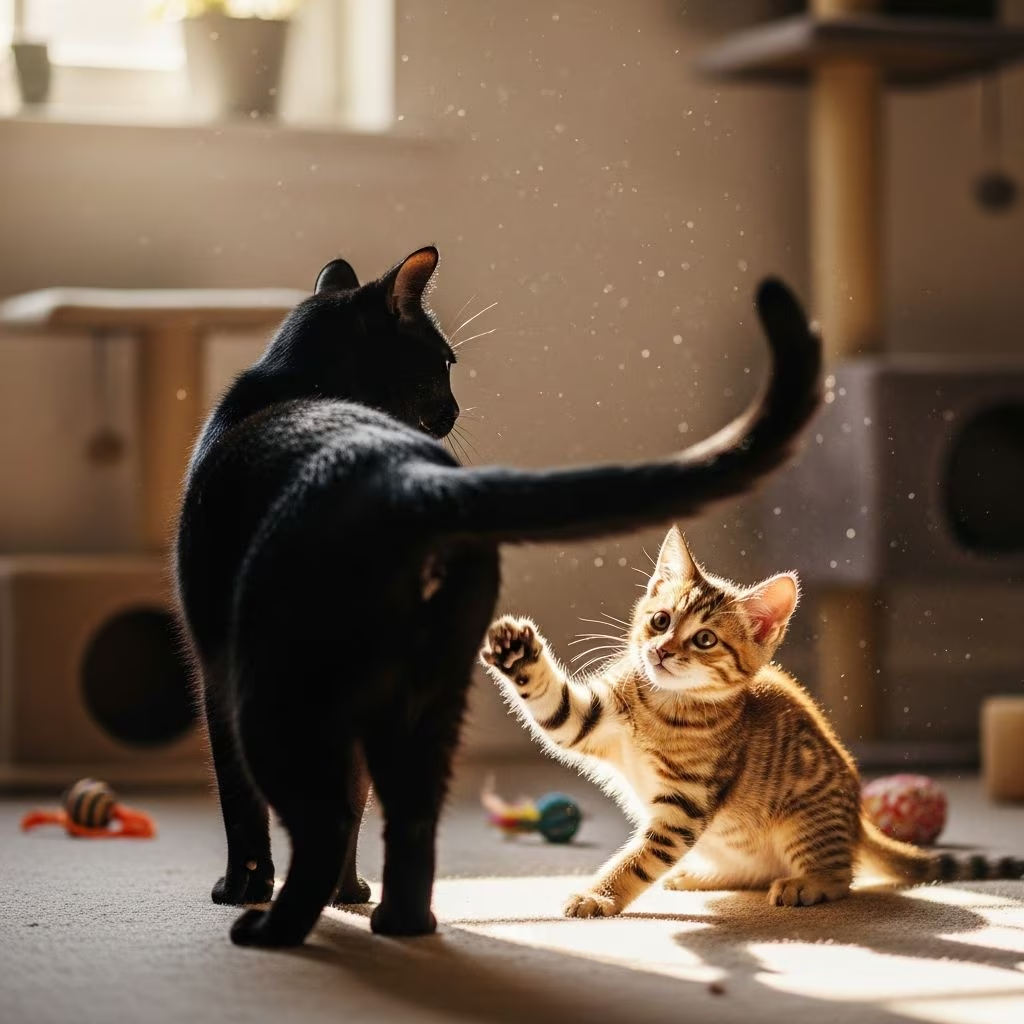
Why Your Kitten Harasses Your Older Cat
Bringing a new kitten into a home with an established, older cat can seem like a recipe for companionship and entertainment. However, many pet owners quickly discover that their energetic kitten is relentlessly chasing, pouncing, and harassing their senior feline companion. This common household conflict occurs because of fundamental differences in energy levels, play styles, and social needs between young kittens and mature cats. Understanding the root cause of this behavior is the first step toward creating a more harmonious multi-cat household.
Understanding the Energy Difference
The primary reason kittens harass older cats stems from the dramatic difference in their developmental stages and energy requirements. A 7-week-old kitten is in the peak of its playful phase, brimming with boundless energy and a natural instinct to explore, pounce, and engage in interactive play. This is entirely normal kitten behavior—they are wired to burn energy through play and social interaction.
An 11-year-old cat, by contrast, has entered the senior phase of life where comfort, rest, and observation from a safe distance are priorities. Older cats prefer to spend their days napping in sunny spots, watching the world from windowsills, and engaging in low-key activities. They lack the biological drive to engage in high-intensity play and may find the constant stimulation from a kitten exhausting and stressful rather than enjoyable.
This fundamental mismatch in temperament and activity levels is not a behavioral problem that requires correction—it is a natural incompatibility that responsible pet owners must manage and accommodate.
Common Signs of Kitten Harassment
Recognizing the specific behaviors that constitute kitten harassment helps pet owners distinguish between normal play and problematic interactions. Typical signs include:
- Constant chasing throughout the house
- Pouncing on the older cat’s tail, legs, neck, and other body parts
- Initiating play when the older cat is resting or sleeping
- Blocking pathways to prevent the older cat from accessing food, water, or litter box
- Excessive stalking and ambushing behavior
- Persistent biting and scratching during interactions
The resident cat typically responds with defensive behaviors such as hissing, howling, running away, and attempting to escape the kitten’s constant attention. While the older cat may show curiosity about the kitten’s activities when given space, the relentless harassment creates stress and reduces quality of life.
Why Kittens Display This Behavior
Kittens harass older cats for several interconnected biological and social reasons. First, young kittens require social interaction and play to develop proper motor skills, learn bite inhibition, and burn energy. In a litter environment, kittens learn appropriate play intensity through feedback from siblings who yelp, walk away, or retaliate when play becomes too rough. When a kitten lacks littermates, an older cat becomes the only available playmate, even if that cat is unwilling and unsuitable as a play partner.
Second, kittens at 7 weeks old are beginning their critical socialization period and are naturally curious about other animals in their environment. The older cat represents a living, moving object of fascination. Third, kittens possess predatory instincts that are heightened during this developmental phase. The movement and reaction of an older cat—especially running away—triggers the kitten’s chase and pounce drives.
Finally, kittens lack the social maturity and experience to read and respect the older cat’s body language signals that communicate discomfort and a desire to be left alone. The older cat’s hisses and warnings are misinterpreted as continued invitation to play rather than clear signs to cease interaction.
The Older Cat’s Perspective
From the senior cat’s viewpoint, the arrival of a kitten can feel like an invasion of personal space and territory. An 11-year-old cat has established routines, preferred resting spots, and expectations about how their household operates. The sudden appearance of an energetic kitten disrupts this established order and prevents the older cat from enjoying the peace and predictability they have come to appreciate with age.
The older cat’s negative emotional response—hissing, howling, and excessive running—indicates genuine stress and frustration rather than playful reciprocation. While the older cat may display curiosity about the kitten when interactions are not occurring, this does not translate to willingness to engage in active play. Many senior cats are simply trying to manage an overwhelming and unwanted presence in their carefully controlled environment.
Managing Multi-Cat Households: Practical Solutions
Successfully managing a household with both a kitten and an older cat requires deliberate environmental modifications and behavioral management strategies.
Separate Living Spaces
Establish separate areas of the home where each cat can retreat without encountering the other. The older cat should have a quiet, low-traffic zone with easy access to food, water, and a litter box away from the kitten’s activity. This dedicated space allows the senior cat to rest undisturbed and maintain control over their environment. Install baby gates or use closed doors to create physical barriers that allow the cats to smell and hear each other without direct contact.
Supervised Interactions
Initially, all interactions between the kitten and older cat should occur under close supervision. Watch for signs of stress in the older cat and intervene before the situation escalates into intense chasing or conflict. Use positive reinforcement to reward calm, gentle behavior from the kitten when near the older cat. If the kitten becomes too rough or persistent, calmly redirect the kitten to a toy or separate space.
Enrichment and Energy Outlets
Provide extensive enrichment and play opportunities specifically designed for the kitten’s age and energy level. Interactive toys, climbing structures, feather wands, laser pointers, and puzzle feeders allow the kitten to engage in hunting and play behaviors without bothering the older cat. Dedicate regular play sessions with the kitten to help burn excess energy and provide appropriate outlets for predatory instincts.
Scent Swapping
Use scent-based techniques to help the cats become accustomed to each other’s presence. Rub a soft cloth on one cat and place it near the other cat’s resting area. This gradual scent familiarization can reduce territorial stress and create positive associations.
Environmental Modifications
Ensure the older cat has elevated resting spots where the kitten cannot easily reach them. Cat trees, shelves, and window perches provide escape routes and safe zones. Place litter boxes, food, and water bowls in locations that the older cat can access comfortably without encountering the kitten.
When to Seek Veterinary Guidance
Before assuming the harassment is purely behavioral, consult with a veterinarian to rule out underlying medical conditions. Certain diseases such as hyperthyroidism, osteoarthritis, dental disease, and central nervous system problems can cause or contribute to aggressive behavior in cats. A complete veterinary exam ensures that the older cat’s negative reactions are not prompted by pain or illness that requires treatment.
If the older cat’s stress levels remain elevated despite environmental modifications, a veterinary behaviorist can provide personalized guidance and may recommend temporary use of calming supplements or medications to reduce anxiety during the adjustment period.
Building Long-Term Coexistence
While it is unlikely that an 11-year-old cat and a 7-week-old kitten will become close playmates, they can learn to coexist peacefully with patience and management. Over time, the kitten will mature and develop less intense play drives. The older cat may gradually become more tolerant of the kitten’s presence if interactions remain controlled and non-threatening. Some cats eventually develop a relationship characterized by mutual respect and occasional positive interaction, while others maintain parallel coexistence where they share space but engage independently.
The goal should not be forced friendship but rather a household where both cats feel safe, respected, and able to pursue their natural behaviors without undue stress or conflict.
Prevention for Future Multi-Cat Introductions
For households considering adding a kitten to an existing older cat, several preventive measures can ease the transition. When possible, adopt a kitten closer in age to the resident cat or consider adopting a slightly older kitten with a calmer temperament. Introduce the new cat gradually using a dedicated room or space before allowing full house access. Allow the cats to adjust to each other’s presence through scent and sound before face-to-face interactions.
Ensure that each cat has dedicated resources including food bowls, water dishes, and litter boxes placed in separate locations to minimize competition and territorial conflict.
Frequently Asked Questions
Q: Will my older cat ever enjoy playing with the kitten?
A: While it is possible that tolerance will increase over time, an 11-year-old cat is unlikely to match a kitten’s play intensity. Focus on helping them coexist peacefully rather than expecting them to become playmates.
Q: How long does it typically take for cats to adjust to living together?
A: The adjustment period varies but can take several weeks to several months. Patience and consistent management during this time are essential for success.
Q: Should I punish the kitten for harassing the older cat?
A: Punishment is not effective and can increase stress for both cats. Instead, calmly redirect the kitten’s behavior toward appropriate outlets and provide positive reinforcement for calm interactions.
Q: Is it normal for the older cat to hiss and growl at the kitten?
A: Yes, hissing and growling are normal defensive responses that allow the older cat to communicate discomfort. These vocalizations are attempts to establish boundaries and should be respected rather than discouraged.
Q: What if the harassment continues despite my efforts?
A: If the situation does not improve, consult with a veterinary behaviorist or feline behavior specialist. They can assess the specific dynamics and recommend tailored interventions.
Q: Can I use calming products to help manage the conflict?
A: Yes, pheromone diffusers, supplements, and in some cases medications can help reduce stress and anxiety. Discuss options with your veterinarian before implementing these products.
References
- Our Kitten Harasses Our Cat — Chewy Editors. https://www.chewy.com/education/cat/new-cat/our-kitten-harasses-our-cat
- Aggression in Cats — ASPCA. https://www.aspca.org/pet-care/cat-care/common-cat-behavior-issues/aggression-cats
- Feline Behavior Problems: Aggression — Cornell University College of Veterinary Medicine. https://www.vet.cornell.edu/departments-centers-and-institutes/cornell-feline-health-center/health-information/feline-health-topics/feline-behavior-problems-aggression
- Aggression Between Family Cats and Feline Social Behavior — PAWS. https://www.paws.org/resources/aggression/



