

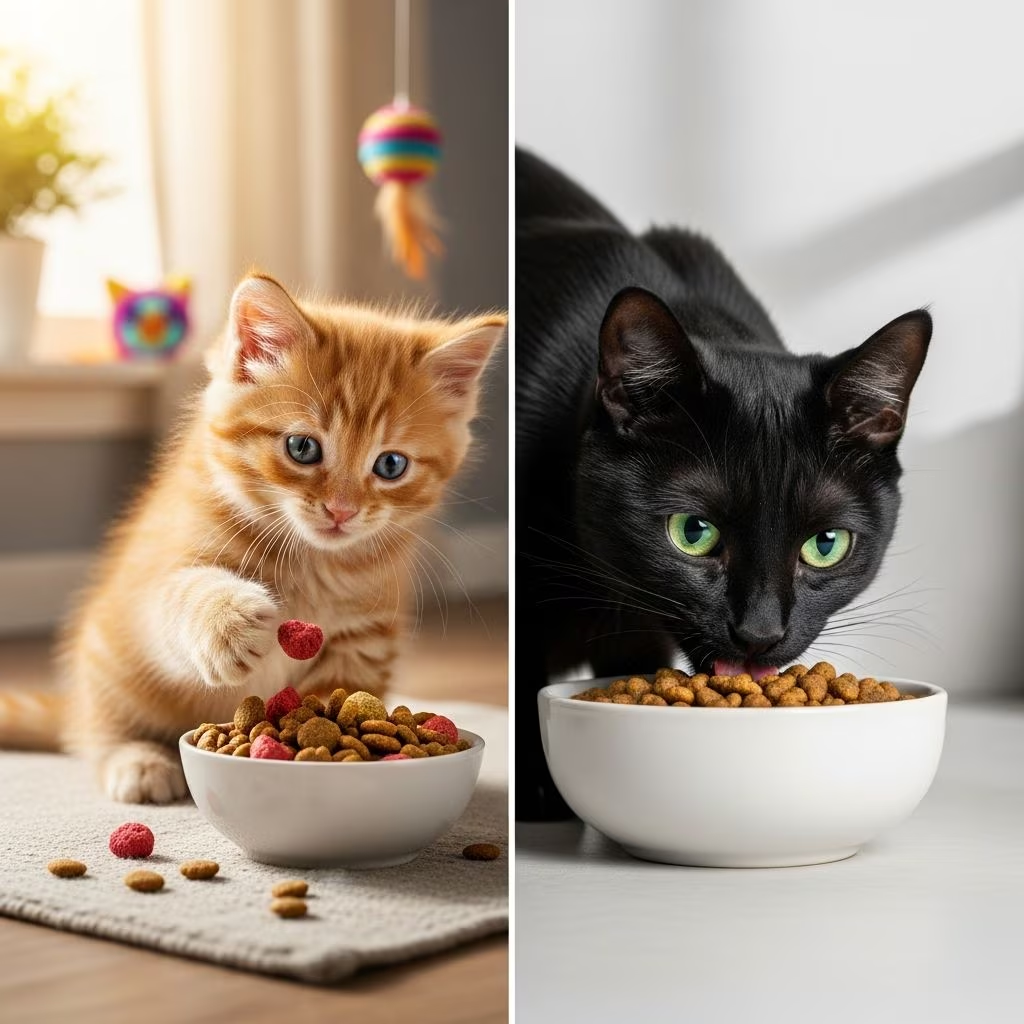
When you bring a young kitten into your home, one of the most important decisions you’ll make involves their nutrition. Many new pet owners wonder if they can simply feed their kitten the same food they give their adult cats, but the reality is far more nuanced. Kittens have fundamentally different nutritional requirements than mature felines, and understanding these differences is crucial for supporting proper development and long-term health.
The distinction between kitten and adult cat nutrition isn’t merely a marketing distinction created by pet food manufacturers. Rather, it’s grounded in the biological reality that young cats undergo rapid physical development that demands specific nutrient profiles and caloric intake levels. Failing to meet these specialized needs during the critical early months can have lasting consequences for your kitten’s skeletal system, immune function, and overall vitality.
The Metabolic Engine: Energy Requirements in Growing Kittens
One of the most striking differences between kittens and adult cats is their metabolic rate. Growing kittens at approximately 10 weeks of age require roughly 200 calories per kilogram of body weight per day, which represents a dramatically higher caloric demand compared to 10-month-old kittens that need approximately 80 calories per kilogram of body weight per day. This exponential difference reflects the intense biological demands of growth.
During the first six months of life, kittens can double or even triple their body size, necessitating energy levels that may be two to three times greater than that of a fully grown cat. This accelerated energy requirement means that feeding adult cat food—which is formulated with lower caloric density—may leave your growing kitten perpetually underfed and unable to meet developmental milestones.
The caloric needs of kittens shift dramatically throughout their first year. A two-month-old kitten weighing approximately two pounds requires around 150 calories daily across three meals, while a six-month-old kitten weighing 6.5 pounds needs approximately 400 calories distributed across two meals. Understanding these progression patterns helps ensure your kitten receives appropriate nourishment at each developmental stage.
Protein: The Building Blocks of Development
As obligate carnivores, cats naturally require more dietary protein than many other domesticated animals. However, kittens elevate this requirement even further. While adult cats maintain health with adequate protein intake, kittens need substantially higher levels of protein to support the construction of new tissues, development of lean muscle mass, and synthesis of essential enzymes and antibodies.
Kitten food formulations typically contain at least 30 percent protein by weight, with some veterinary nutritionists recommending even higher levels of 45 percent protein for optimal development. Beyond the sheer quantity of protein, the specific amino acid profile becomes critically important. Kittens require elevated levels of essential amino acids including arginine, lysine, and methionine—compounds their growing bodies cannot synthesize independently.
Adult cat foods, by contrast, are formulated to meet the maintenance protein needs of cats that have completed their growth phase. These formulations typically contain lower protein percentages than kitten-specific recipes, reflecting the reduced tissue-building demands of mature felines. Feeding adult food to a developing kitten means providing insufficient amino acid substrates for optimal muscular and neurological development.
Essential Micronutrients for Skeletal and Neurological Development
Beyond macronutrient considerations, kittens require specific micronutrient profiles that differ substantially from adult requirements. The most notable distinction involves calcium and phosphorus—two minerals that work synergistically to support bone and tooth development. Kittens require significantly higher levels of both minerals relative to their body weight compared to adult cats, and crucially, these minerals must be present in the correct ratio to prevent growth abnormalities.
Adult cat foods formulate calcium and phosphorus according to the maintenance needs of mature felines, not the aggressive bone growth occurring in kittens. Providing inadequate calcium and phosphorus during the critical window of skeletal development can result in compromised bone density and structural issues that may persist throughout the cat’s lifetime.
Another vital micronutrient distinction involves DHA (docosahexaenoic acid), an omega-3 fatty acid essential for brain and vision development. Kittens require elevated DHA intake to support the rapid neurological maturation occurring during their first months of life. Additionally, kittens need higher levels of certain vitamins and minerals including magnesium, copper, iodine, and vitamin A compared to adult cats.
Taurine and choline represent another critical consideration. While adult cats require adequate daily intake of these compounds, they’re particularly vital during the kitten developmental phase. Taurine specifically plays irreplaceable roles in vision, heart function, and immune response—all areas experiencing rapid development in young kittens.
Fat and Fatty Acids: Energy and Coat Health
Beyond serving as a concentrated energy source, dietary fats provide essential fatty acids that kittens cannot synthesize independently. These fatty acids support skin barrier integrity, promote coat quality, and facilitate the absorption of fat-soluble vitamins crucial for development. Kitten formulations typically contain higher fat levels than adult cat foods, reflecting their elevated energy requirements and the developmental importance of these compounds.
The specific composition of fatty acids matters significantly. Kittens benefit particularly from omega-3 fatty acids including DHA and EPA, which support brain development and vision acuity. While adult cats also require these fatty acids for maintenance of neurological and visual function, the developmental urgency during kittenhood makes their presence in kitten food particularly important.
Digestibility and Nutrient Absorption
Kittens’ digestive systems, while rapidly maturing, remain more sensitive than those of adult cats. Their capacity to absorb and utilize nutrients from food influences how effectively they extract essential compounds. Kitten foods are formulated with highly digestible ingredients and often include prebiotic fibers that support healthy digestive bacterial colonies. These features promote optimal nutrient absorption during the critical growth phase.
Adult cat foods, formulated for mature digestive systems, may not provide the same level of digestibility optimization. Additionally, the broader nutrient profile of adult foods—designed for maintenance rather than growth—means that even if a kitten could digest and absorb nutrients from adult food, the nutrient composition wouldn’t address their developmental requirements.
The Timeline of Kitten Development and Nutritional Transitions
Understanding kitten development stages helps clarify why age-appropriate nutrition matters. From birth until approximately three to four weeks of age, kittens depend entirely on their mother’s milk, which provides complete and balanced nutrition during this critical early period. Once weaning begins around three to five weeks, kittens can gradually transition onto commercially prepared kitten food while continuing to nurse if still with their mother.
By six to eight weeks of age, kittens typically complete weaning and should receive all nutrition from kitten food rather than relying on supplemental dairy products. During this transition period, feeding frequency should be frequent—typically three meals daily for very young kittens. By six months of age, most kittens can transition to two meals daily, though some owners choose to continue more frequent feeding patterns that align with cats’ natural inclination toward small, frequent meals.
Most cats reach adulthood around 12 months of age, though larger breeds like Maine Coons may require extended nutrition as they develop until approximately 24 months. During this extended growth period, maintaining kitten-formulated nutrition ensures continued support for development until skeletal growth plates close and the cat reaches full size.
Practical Feeding Guidelines and Portion Control
The transition from kitten to adult food should be gradual rather than abrupt. Most veterinarians recommend beginning with approximately 25 percent of the new adult food mixed with 75 percent of the previous kitten formula, then gradually increasing the proportion of new food over several weeks. This approach allows digestive systems to adjust while minimizing gastrointestinal upset.
When selecting kitten food products, examine the nutrition label carefully. Quality kitten formulations should clearly specify protein content (ideally at least 30 percent), include identifiable meat as primary ingredients, and provide the complete spectrum of vitamins and minerals previously discussed. The caloric density of kitten foods varies between products—some containing 568 calories per cup while others provide 409 calories per cup—requiring adjustment of portion sizes to meet your individual kitten’s daily caloric needs.
Avoid the temptation to feed treats excessively during kittenhood. Nutritionists recommend that treats and complementary foods constitute no more than 10 percent of total daily caloric intake, leaving 90 percent from complete and balanced kitten food. This principle ensures your kitten receives the specialized nutrition formulated into their primary food source.
Special Considerations for Homemade and Raw Diets
While commercial kitten foods are formulated to meet established nutritional standards, some owners consider home-cooked or raw diets for their young cats. These approaches require extraordinary care and ideally should be planned in collaboration with veterinary nutritionists. Homemade kitten diets must account for the specific calcium-phosphorus ratios, amino acid profiles, vitamin levels, and micronutrient balances required during development.
The complexity of meeting kitten nutritional requirements through homemade diets cannot be overstated. Without precise formulation according to scientific nutritional standards, homemade options risk creating significant nutritional imbalances that could compromise development. Most veterinarians recommend consulting with board-certified veterinary nutritionists before implementing any non-commercial diet for kittens.
Transitioning to Adult Nutrition: Timing and Method
The transition from kitten to adult food should align with your cat reaching full growth rather than arbitrary age milestones. For most domestic cats, this occurs around 12 months, but larger breeds may require extended kitten nutrition until 18-24 months. Your veterinarian can assess your individual cat’s skeletal development and recommend appropriate transition timing.
Once the transition begins, implement it gradually over several weeks rather than making an abrupt switch. The gradual incorporation of adult food allows your cat’s digestive enzymes to adjust and minimizes gastrointestinal upset. Additionally, monitor your cat’s weight, energy levels, and coat condition during the transition, as these indicators help confirm that the new food supports their health appropriately.
Common Misconceptions About Kitten and Adult Cat Nutrition
A widespread misconception suggests that feeding adult cat food to kittens represents merely a cost-saving measure without nutritional consequences. In reality, feeding inadequate nutrition during the critical growth phase can result in long-term skeletal problems, compromised immune function, and suboptimal neurological development. The cost savings from cheaper adult food pale against potential veterinary expenses addressing developmental issues.
Another misconception involves “grain-free” marketing claims. Many owners assume grain-free kitten foods automatically provide superior nutrition, when in fact many grain-free options simply replace traditional grains with peas, potatoes, and sweet potatoes—ingredients offering no proven health benefits for felines. Focus on meat-based proteins and nutritional completeness rather than grain-free status when evaluating kitten foods.
Working With Veterinarians on Nutritional Planning
Your veterinarian represents your most valuable resource for developing appropriate nutritional plans for your kitten. During wellness visits, discuss feeding frequency, portion sizes appropriate for your kitten’s current weight, and the optimal timing for transitioning to adult food. Veterinarians can assess your individual kitten’s growth trajectory and recommend adjustments based on their unique development pattern.
If your kitten has special health considerations, digestive sensitivities, or genetic predispositions to specific conditions, your veterinarian can recommend prescription or specialized kitten foods formulated to address these concerns while maintaining appropriate developmental nutrition. Some kittens thrive on particular brands or formulations, and your veterinarian can help identify optimal options through observation and feedback.
The Investment in Proper Kitten Nutrition
Providing species-appropriate, age-appropriate nutrition during kittenhood represents one of the highest-return investments you can make in your cat’s health. Proper nutrition during development supports skeletal strength, immune competence, neurological development, and overall vitality that extends throughout the cat’s lifetime. While the cost differential between kitten and adult food may seem significant, the long-term health benefits of proper development far exceed the modest premium charged for kitten-formulated nutrition.
References
- Do Kittens Need Special Food? Kitten Nutrition Requirements — Purina. https://www.purina.com/articles/cat/kitten/health/kitten-nutrition
- How To Meet Your Cat And Kittens Nutritional Needs — Nutrena Feeds. https://nutrenaworld.com/blog/dogs-cats/how-to-meet-your-cat-and-kittens-nutritional-needs/
- Feeding Kittens 101: How Much To Feed Kittens, and More — PetMD. https://www.petmd.com/cat/nutrition/feeding-kittens-101-what-feed-how-much-and-how-often
- Feeding Growing Kittens — VCA Animal Hospitals. https://vcahospitals.com/know-your-pet/feeding-growing-kittens
- A to Z of Pet Food: Kitten Nutrition — Pet Food Institute. https://www.petfoodinstitute.org/a-to-z-of-pet-food-kitten-nutrition/
- Nutrition and Weight: Kittens — American Animal Hospital Association (AAHA). https://www.aaha.org/resources/2021-aaha-aafp-feline-life-stage-guidelines/nutrition-and-weight-kittens/
- Feeding Your Cat — Cornell University College of Veterinary Medicine. https://www.vet.cornell.edu/departments-centers-and-institutes/cornell-feline-health-center/health-information/feline-health-topics/feeding-your-cat



