

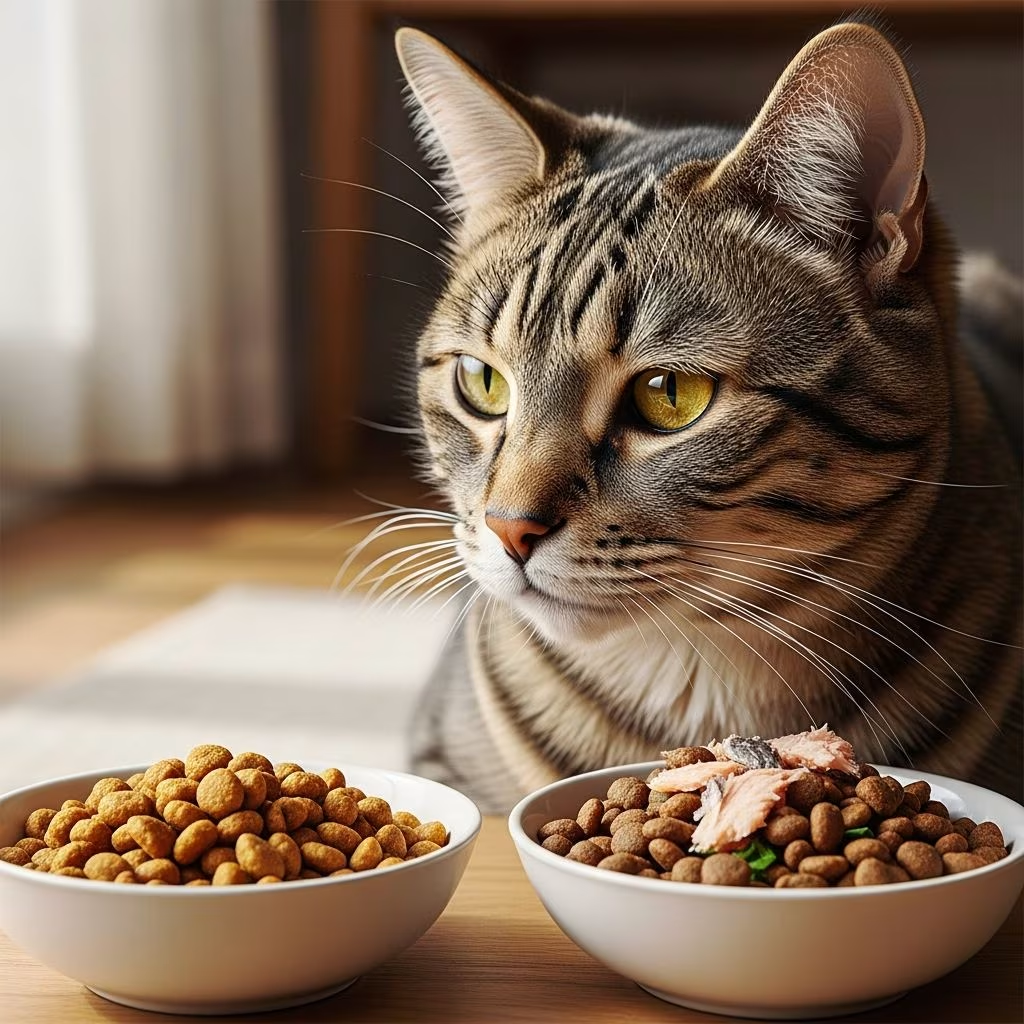
Senior cats require specialized nutrition to address age-related changes like reduced metabolism, kidney function decline, and muscle loss, making high-calorie kitten food potentially harmful despite its appeal for picky eaters.
Understanding Age-Related Nutritional Shifts in Cats
As cats enter their senior years—typically from age 7 onward—their bodies undergo significant changes. Metabolism slows, leading to easier weight gain between ages 7 and 11, while geriatric cats over 11 often experience muscle wasting and reduced appetite. These shifts demand diets focused on digestibility, controlled calories, and targeted nutrients rather than the growth-oriented formulas in kitten food.
Senior cats face declining organ efficiency, including kidneys prone to chronic disease, joints affected by arthritis, and immune systems needing antioxidant support. Unlike kittens, which prioritize rapid growth through high protein and fat, older cats benefit from lean proteins, moderate fats, and added fiber for digestion.
Nutritional Breakdown: Kitten Food vs. Senior Formulas
Kitten foods are engineered for explosive growth, boasting elevated calories, proteins, and fats to fuel development. This can overload senior systems, promoting obesity or straining kidneys with excess phosphorus. Senior diets, conversely, emphasize balanced profiles: high-quality, digestible proteins (30-45% dry matter minimum), omega-3s for joints, and controlled minerals.
| Nutrient | Kitten Food Typical | Senior Food Typical | Benefit for Seniors |
|---|---|---|---|
| Protein | High (40-50%+) | Moderate-High Digestible (30-45%) | Maintains muscle without excess waste |
| Fat/Calories | High Energy | Controlled | Prevents obesity, supports weight |
| Phosphorus | Higher | Lower (≤1.6g/1000kcal ideal) | Kidney protection |
| Fiber/Antioxidants | Low | Enhanced | Digestion, immunity |
This comparison highlights why kitten food mismatches senior needs; its growth focus ignores age-specific vulnerabilities.
Potential Health Risks of Kitten Food for Seniors
Feeding kitten chow long-term to older cats risks obesity from surplus calories, especially as activity drops. Excess protein, while not always harmful, can burden kidneys if not highly digestible, accelerating chronic kidney disease common in seniors. High phosphorus levels in many kitten formulas exacerbate this, unlike senior foods with moderated amounts.
- Weight Gain: Kittens burn calories fast; seniors store them, raising diabetes and arthritis risks.
- Kidney Strain: Elevated minerals overload filtering organs.
- Digestion Issues: Lacking fiber, it worsens constipation.
- Nutrient Imbalance: Misses antioxidants, omega-3s for brain, heart, joints.
Short-term use might tempt underweight geriatrics, but vet monitoring is essential; most sources advise against it as standard.
Core Nutrients Every Senior Cat Diet Must Include
Prioritize these for optimal health:
- High-Quality Protein: Chicken, turkey, fish—aim for 5-6g/kg body weight to preserve muscle.
- Healthy Fats: Omega-3/6 from fish oil for inflammation reduction, skin/coat shine.
- Fiber: Promotes gut motility, weight control; sources like pumpkin aid regularity.
- Antioxidants: Vitamins E/C, selenium combat free radicals, bolstering immunity.
- Controlled Phosphorus/Sodium: Shields kidneys, heart.
- Carnitine & Prebiotics: Muscle/heart support, gut bacteria balance.
Wet foods boost hydration, crucial as thirst response dulls.
Choosing the Right Commercial Cat Food for Aging Felines
Opt for AAFCO-approved senior formulas meeting adult maintenance with senior tweaks: higher digestibility, joint/kidney support. Brands vary, but check labels for protein quality, low phosphorus, added taurine. Transition gradually over 7-10 days to avoid tummy upset.
For specific conditions:
- Obese: Low-calorie, high-fiber.
- Underweight Geriatric: Slightly higher calorie/protein, like select kitten blends under vet guidance.
- Kidney Issues: Prescription renal diets with restricted protein/phosphorus.
Feeding Strategies to Maximize Senior Cat Wellness
Beyond food choice, technique matters:
- Small, Frequent Meals: 4-6 daily combats reduced appetite.
- Weight Monitoring: Monthly checks; adjust portions.
- Hydration Hacks: Multiple water stations, wet food fountains.
- Palatability Boost: Warm food, yeast extracts for taste.
- Treats Wisely: Low-cal veggies (green beans, carrots) or senior-specific under 4kcal each.
Annual vet checkups tailor plans to bloodwork, activity.
When Might Kitten Food Be Considered for Seniors?
Rarely ideal, but for cachectic geriatrics losing muscle mass, kitten food’s high digestibility and calories can help regain weight if senior options fail. Always vet-approved, short-term, with phosphorus monitoring. Most healthy seniors thrive on age-appropriate kibble/wet blends.
Common Myths About Senior Cat Feeding Debunked
- Myth: All Seniors Need Low-Protein: No—healthy ones require ample to fight sarcopenia; restrict only for CKD.
- Myth: Kitten Food Boosts Energy: Temporary, but risks outweigh.
- Myth: Dry Food Alone Suffices: Hydration vital; mix wet/dry.
FAQs
What age is a senior cat?
Generally 7-11 years (mature senior); 11+ geriatric.
Can senior cats have kitten food occasionally?
Possible for weight gain under vet supervision, but not routine.
Is wet food better for older cats?
Yes, enhances hydration for kidney health.
How much should I feed my senior cat?
Vet-calculated based on weight/activity; monitor closely.
What if my senior refuses senior food?
Try warming, toppers, or gradual mixing; consult vet.
Supporting your senior cat’s diet fosters longer, healthier life—prioritize quality over convenience.
References
- Senior Cat Nutrition: A Nutritional Guide for Aging Cats — PetMD. 2023. https://www.petmd.com/cat/nutrition/senior-cat-nutrition
- The Ultimate Guide to Senior Cat Nutrition: Foods to Feed and Avoid — Haw Creek Animal Hospital. 2023. https://www.hawcreekanimalhospital.com/senior-cat-nutrition-101/
- Senior Cat Nutritional Requirements — Purina US. 2023. https://www.purina.com/articles/cat/senior-cat/health/senior-cat-nutritional-requirements
- Feeding Mature, Senior, and Geriatric Cats — VCA Animal Hospitals. 2023. https://vcahospitals.com/know-your-pet/feeding-mature-senior-and-geriatric-cats
- Nutritional Needs Food for Senior & Aging Cats — Hill’s Pet. 2023. https://www.hillspet.com/cat-care/nutrition-feeding/senior-cat-nutritional-needs
- Meeting the Nutritional Needs of Senior Cats — Canadian Veterinary Medical Association. 2023-03. https://www.canadianveterinarians.net/media/towjnjzy/meeting-the-nutritional-needs-of-senior-cats-march-2023.pdf
- Nutrition and Weight: Mature Adult and Senior Cats — AAHA. 2021. https://www.aaha.org/resources/2021-aaha-aafp-feline-life-stage-guidelines/nutrition-and-weight-mature-adult-and-senior-cats/



