

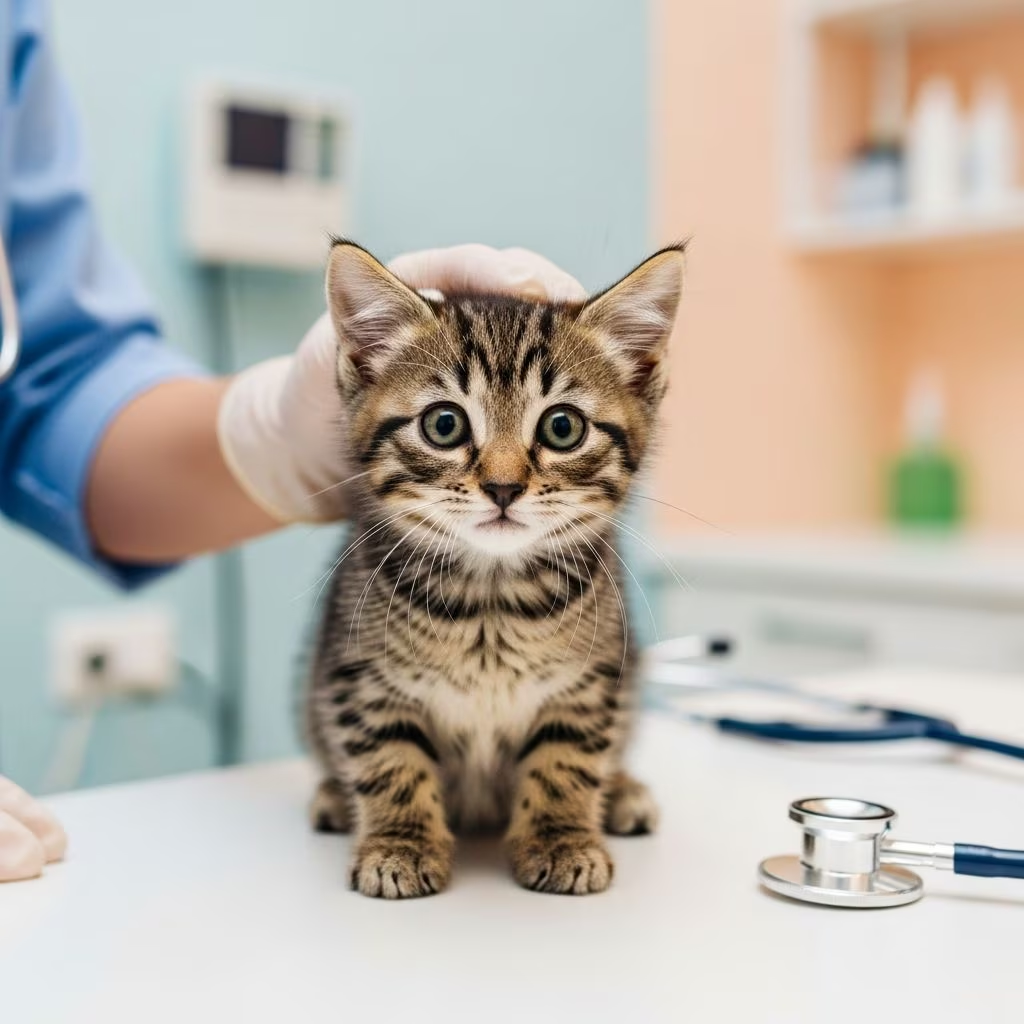
What to Expect During Your Kitten’s First Vet Visit
Bringing home a new kitten is an exciting milestone, but ensuring their health and well-being from day one is essential. One of the most important steps in kitten care is scheduling their first veterinary visit. This comprehensive guide will help you understand what to expect, how to prepare, and why this initial appointment is crucial for your kitten’s long-term health and development.
When Should You Schedule Your Kitten’s First Vet Visit?
The ideal timing for your kitten’s first veterinary appointment is around 8 weeks of age. At this age, kittens are typically weaned from their mother and ready to begin their vaccination series. However, the recommended timeframe is quite flexible—you should schedule an appointment within the first week of bringing your kitten home, or within the first week if your kitten is already around 6 to 8 weeks old.
If your kitten shows any signs of illness regardless of age, such as lethargy, diarrhea, poor appetite, watery eyes, sneezing, difficulty breathing, or inability to eat, it’s important to schedule a visit right away. Early detection of health issues can prevent minor concerns from becoming serious problems.
After the initial visit, kittens should have follow-up appointments every 3 to 4 weeks until they reach approximately 16 weeks of age. This schedule ensures that your kitten completes their full vaccination series and allows your veterinarian to monitor their growth and development closely.
What to Bring to Your Kitten’s Vet Appointment
Coming prepared to your first veterinary visit helps your veterinary team provide the most accurate and thorough examination. Here are the essentials you should bring:
– Health or vaccine records from the shelter or breeder to give your vet a complete picture of your kitten’s medical history- Any paperwork or documentation provided by the shelter or breeder- A stool sample to screen for intestinal parasites- A secure carrier with a blanket to keep your kitten safe and comfortable during transport- Any medications or supplements your kitten is currently taking for your vet to review- A list of any specific health concerns or behavioral questions you want to discuss
Having these items ready will help streamline your appointment and ensure your veterinarian has all the information needed to provide the best care for your new companion.
Comprehensive Physical Examination
During your kitten’s first wellness exam, your veterinarian will conduct a thorough head-to-tail physical examination. This comprehensive assessment is designed to identify any potential health issues early and establish a baseline for your kitten’s long-term medical record.
What the Vet Will Examine
Your veterinarian will perform a detailed inspection of your kitten’s entire body, including:
– Eyes, ears, lips, and mouth for signs of infection or abnormalities- Skin and coat condition to assess overall health and check for parasites- Heart and lungs using a stethoscope to listen for any irregularities- Abdomen by gently palpating to feel the organs and check for any abnormalities- Joints and limbs to ensure proper development- Body weight and temperature readings as baseline measurements
Your vet will also look for congenital issues such as heart murmurs, hernias, or cleft palate that may require monitoring or treatment. A stool sample may be collected to check for intestinal parasites or other underlying health problems.
Vaccinations and Parasite Prevention
One of the primary purposes of your kitten’s first vet visit is to begin their vaccination protocol. Vaccinations protect your kitten from serious, potentially life-threatening diseases.
Core Vaccinations
Your veterinarian will recommend core vaccinations tailored to your kitten’s specific needs and risk factors. Core vaccines typically include protection against feline panleukopenia (distemper) and feline viral respiratory disease. Your vet will discuss the recommended vaccination schedule and explain which vaccines your kitten needs based on their lifestyle and environment.
Parasite Screening and Prevention
Your veterinarian will screen your kitten for internal parasites like intestinal worms and external parasites such as fleas, ticks, and ear mites. This is particularly important because parasites can be transmitted to other pets in your home or even to people. Your vet will recommend appropriate parasite prevention options tailored to your kitten’s age and health status.
Important Topics to Discuss
Your first appointment is the perfect opportunity to ask questions and gather information about caring for your growing kitten. Consider discussing the following topics with your veterinarian:
Nutrition and Feeding
Ask your veterinarian which diet is best for your kitten’s growth and development. Kittens have different nutritional requirements than adult cats, and choosing the right food is essential for proper growth. Your vet can recommend quality kitten food options and discuss feeding schedules.
Vaccination Schedule
Understand the complete vaccination schedule your kitten will need and when each appointment should be scheduled. Your veterinarian can provide you with a timeline for booster shots and explain why each vaccine is important.
Spay or Neuter Surgery
Ask about the recommended age for spaying or neutering your kitten. Your vet can explain the benefits of these procedures, the optimal timing, and what to expect during recovery.
Behavior and Litter Training
Discuss any behavioral concerns or questions about litter training with your veterinarian. They can provide guidance on appropriate kitten behavior and training techniques.
Signs of Illness to Watch For
Ask your veterinarian about early signs of common illnesses so you know when to seek care. Understanding what’s normal versus what requires medical attention will help you be a more attentive pet parent.
Grooming Recommendations
Inquire about grooming needs specific to your kitten’s breed and coat type. Your vet can recommend grooming tools and techniques to keep your kitten healthy and comfortable.
Understanding Health Records and Documentation
During your first visit, your veterinarian will begin building a comprehensive health record for your kitten. This record will follow your kitten throughout their life and is essential for:
– Tracking vaccination history and booster schedules- Recording weight and development milestones- Documenting any health issues or treatments- Providing information for future veterinary care- Emergency situations where medical history is crucial
Make sure to ask for copies of all records and keep them in a safe place for future reference.
After Your Kitten’s First Vet Visit
Your kitten’s first appointment is just the beginning of a lifelong relationship with veterinary care. After your visit, you can expect:
Follow-Up Appointments
Your veterinarian will schedule follow-up vaccine appointments to complete your kitten’s vaccination series. These appointments are typically scheduled 3 to 4 weeks apart until your kitten reaches 16 weeks of age. Be sure to keep these appointments as they are crucial for your kitten’s immune system development.
Monitoring for Vaccine Side Effects
Your vet will provide guidance on monitoring for mild vaccine side effects, which might include slight lethargy or loss of appetite for a day or two. Most side effects are minor and resolve quickly, but your vet will explain what to watch for and when to call if you have concerns.
Ongoing Health Record
Your kitten’s health record will continue to grow with each visit. This comprehensive documentation becomes invaluable as your cat ages and helps any veterinarian quickly understand your pet’s medical history.
Continued Wellness Support
Beyond vaccinations, your veterinary team will provide ongoing support in areas such as nutrition optimization, dental care, parasite control, and behavioral guidance. Regular wellness visits help catch potential health issues early and keep your kitten thriving.
Building a Strong Relationship with Your Veterinarian
Your first visit is an opportunity to build trust and establish a strong working relationship with your veterinary team. Don’t hesitate to ask questions, express concerns, or discuss your kitten’s specific needs. A good veterinarian will take time to explain procedures, answer questions thoroughly, and work with you as a partner in your kitten’s care.
Regular communication and follow-through on veterinary recommendations will set your kitten up for a lifetime of good health. By being an engaged and informed pet parent, you’re giving your kitten the best possible start in life.
Frequently Asked Questions About Your Kitten’s First Vet Visit
Q: What is the ideal age for my kitten’s first vet visit?
A: The ideal age is around 8 weeks old, or within the first week of bringing your kitten home. At this age, kittens are ready for vaccinations and comprehensive health screenings.
Q: How long does a kitten’s first vet appointment usually take?
A: First appointments typically take 30 minutes to an hour, depending on your veterinary clinic and whether your kitten needs additional procedures or tests.
Q: Will my kitten need bloodwork at the first visit?
A: Routine bloodwork is not always necessary at the first visit for healthy kittens. However, your vet may recommend testing if your kitten shows signs of illness or has an unknown medical history.
Q: Can I give my kitten food before the vet visit?
A: Generally, it’s fine to feed your kitten before a routine wellness visit. However, if your kitten might need bloodwork or anesthesia, ask your vet if fasting is necessary.
Q: How often will my kitten need vet visits after the first appointment?
A: Kittens should have follow-up visits every 3 to 4 weeks until they are about 16 weeks old to complete their vaccination series. After that, annual wellness visits are typically recommended.
Q: What should I do if my kitten gets sick before the first vet appointment?
A: If your kitten shows signs of illness such as lethargy, diarrhea, vomiting, difficulty breathing, or poor appetite, contact your veterinarian immediately and schedule an urgent visit.
Q: What vaccines does my kitten really need?
A: Core vaccines are recommended for all kittens and include protection against feline panleukopenia and feline viral respiratory disease. Your vet may recommend additional vaccines based on your kitten’s lifestyle and risk factors.
Q: When should my kitten be spayed or neutered?
A: Most veterinarians recommend spaying or neutering kittens between 4 to 6 months of age. Your vet can advise on the best timing for your specific kitten.
Q: What if I adopted my kitten from a shelter and don’t know their vaccination history?
A: Many shelters provide vaccination records, but if yours are unavailable, your vet can start fresh with the standard kitten vaccination protocol. It’s generally safe to revaccinate, and this ensures your kitten has full protection.
Q: Should I be worried if my kitten seems scared at the vet?
A: It’s normal for kittens to feel nervous in a new environment. Most veterinary clinics are experienced with anxious kittens and will work gently and patiently to make the experience as stress-free as possible. Early positive vet visits help your kitten feel more comfortable with future appointments.
References
- Kitten’s First Vet Visit: Checklist & What to Expect — Maple Grove Pet Hospital. 2024. https://maplegrovepethospital.com/blog/kitten-first-vet-visit/
- Kitten’s First Vet Visit — Chipman Road Animal Clinic. 2024. https://www.chipmanroadanimalclinic.com/first-kitten-vet-visit
- What to Expect from Your Kitten’s First Vet Visit & What it Will Cost — Pet Doctors of America. 2024-05-15. https://www.petdoctorsofamerica.com/site/blog/2024/05/15/kitten-first-vet-visit
- New Kitten Checklist — American Animal Hospital Association (AAHA). 2024. https://www.aaha.org/resources/new-kitten-checklist/
- Kitten First Vet Visit – What to Expect & What it Will Cost — Madison Park Veterinary Hospital. 2024-03-15. https://www.madisonparkvet.com/site/blog/2024/03/15/kitten-first-vet-visit-cost
- New Kitten First Vet Visit Checklist — Monte Vista Veterinary Hospital. 2023-11-30. https://www.montevistavet.com/site/blog/2023/11/30/kittens-first-vet-visit
- Kitten’s First Vet Visit – Clarksville — Sango Veterinary Hospital. 2024-01-24. https://www.sangoveterinaryhospital.net/site/blog/2024/01/24/kittens-first-vet-visit



