

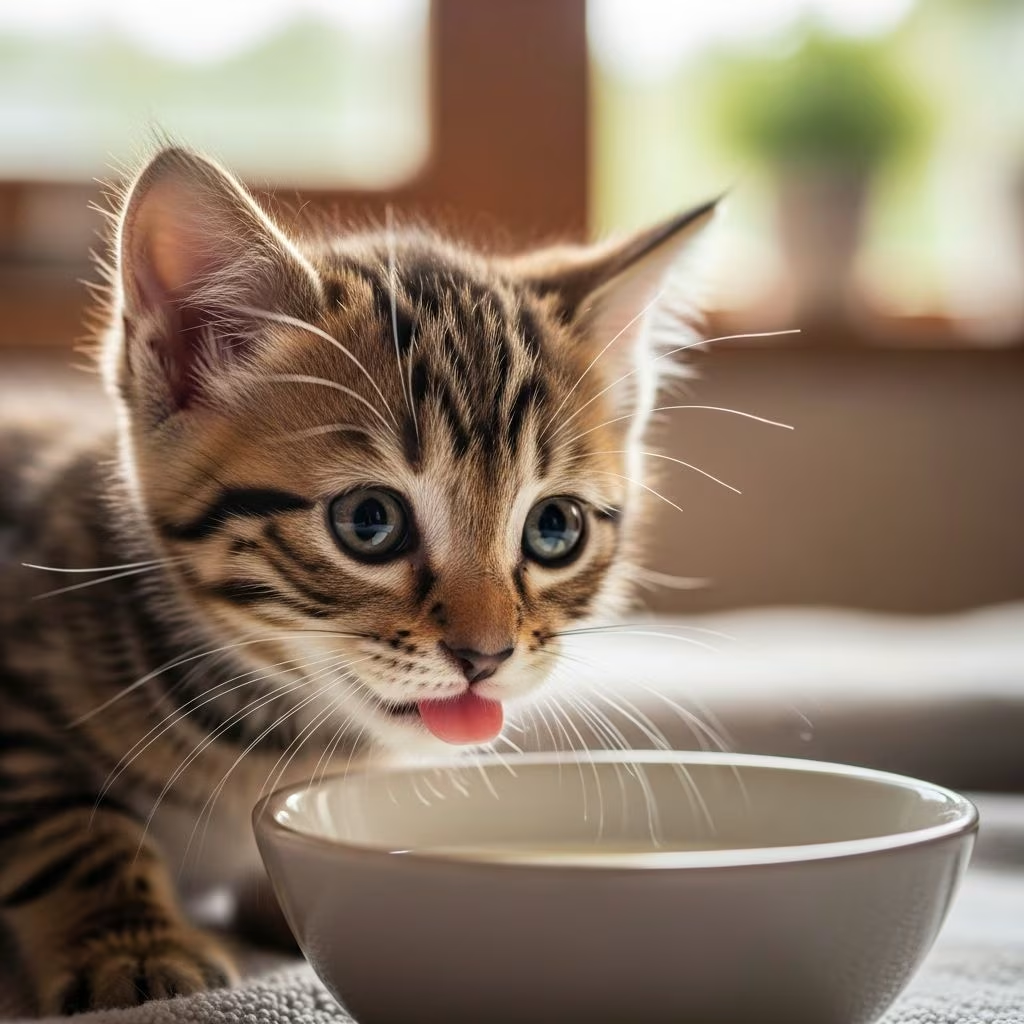
Proper nutrition is crucial for kittens, who experience rapid growth in their first year. This guide provides detailed recommendations on daily calorie needs, meal frequencies, food types, and transition strategies based on age and weight, helping you ensure your kitten thrives without overfeeding or underfeeding.
Understanding Kitten Nutritional Needs by Growth Stage
Kittens have higher energy requirements than adult cats due to their developing bones, muscles, and organs. Protein supports muscle growth, fats provide energy and essential fatty acids for brain development, and carbohydrates offer sustained fuel. A balanced diet typically includes 30-40% protein, 20-30% fats, and 30-40% carbohydrates from quality sources.
From birth to weaning, kittens rely on mother’s milk or formula. By 4-5 weeks, they start solids, transitioning fully by 7-8 weeks. Caloric needs peak around 4-6 months before stabilizing.
Weaning and Early Solid Food Introduction (4-8 Weeks)
During weaning, kittens shift from milk to solids. Offer pate-style wet kitten food as the primary source, softened with kitten milk replacer (not cow’s milk, due to lactose intolerance). Introduce dry kibble soaked in warm water for texture transition.
- Feed 4-6 small meals daily, spaced 3-4 hours apart.
- Portions: 2-3 tablespoons wet food per meal for 5-week-olds.
- Sample schedule: 7am, 11am, 3pm, 7pm, 10pm wet food; mid-morning/afternoon add softened dry.
Monitor for round (not bloated) bellies post-meal. Provide constant fresh water.
Optimal Feeding for 2-6 Month Old Kittens
This phase demands 3-4 meals daily, reducing to 2-3 by 6 months. Adjust based on breed, activity, and size—larger breeds like Maine Coons may need more.
| Age | Avg Weight (lbs) | Daily Calories | Meals/Day |
|---|---|---|---|
| 2 months | 2 | 150 | 3 |
| 3 months | 3 | 200 | 3 |
| 4 months | 4.5 | 300 | 3 |
| 5 months | 5.5 | 340 | 2-3 |
| 6 months | 6.5 | 400 | 2-3 |
Portions: 30-50 grams per meal for commercial food; follow package or vet guidelines for homemade. High-quality kitten formulas with DHA/EPA for eyes/brain and prebiotics for digestion are ideal.
Feeding Older Kittens (6-12 Months)
By 6 months, most kittens manage 2 meals daily, reaching adult patterns by 10-12 months. Continue kitten food until 12 months for breeds like Persians; others may switch earlier.
| Age (Months) | Avg Weight (lbs) | Daily Calories | Meals/Day |
|---|---|---|---|
| 7 | 7 | 420 | 2 |
| 8 | 7.5 | 440 | 2 |
| 9 | 8 | 460 | 2 |
| 10 | 9 | 500 | 2 |
| 11 | 10 | 540 | 2 |
| 12 | 10+ | Adjust to adult | 2 |
Some kittens prefer free-feeding; split calories if they gorge.
Choosing the Right Kitten Food: Wet, Dry, or Homemade?
Wet Food: High moisture (60ml/kg body weight daily need), palatable, ideal for young kittens. Brands like Hill’s Science Diet or Purina Pro Plan offer balanced nutrition.
Dry Food: Introduce post-wet adjustment; nutrient-dense but ensure hydration. Soften initially.
Homemade Options: Use vet-approved recipes with chicken/turkey (protein), brown rice/quinoa (carbs), carrots/sweet potatoes (veggies), salmon (fats), eggs/liver sparingly. Avoid bones/raw fish.
Always select AAFCO-approved kitten foods meeting growth standards.
Creating a Consistent Daily Feeding Routine
Fixed schedules aid digestion and prevent obesity. Example for 3-month-old:
- 7am: Breakfast (1/3 daily calories)
- 1pm: Lunch (1/3)
- 7pm: Dinner (1/3)
Active kittens burn more; weigh weekly and consult vet if under/over ideal weight curve.
Safe Diet Transitions and Common Mistakes to Avoid
Switch foods over 7-10 days: Start 25% new + 75% old, increase gradually to avoid diarrhea. For milk replacer to solids, mix and reduce formula over weeks.
Avoid: Cow’s milk, adult cat food (lower calories/protein), table scraps, overfeeding (leads to obesity).
Signs of Proper Nutrition and When to See a Vet
Healthy signs: Steady weight gain, shiny coat, energy, firm stools, good appetite. Issues like lethargy, diarrhea, or poor growth warrant vet visit.
Special needs: Orphans bottle-feed 8ml formula/oz body weight daily, multiple rounds until satisfied.
Frequently Asked Questions
How many times a day should I feed my kitten?
4-6 times for under 2 months, 3-4 for 2-6 months, 2 thereafter.
Can kittens eat dry food alone?
Not before 8 weeks; introduce softened after wet food mastery, always with water access.
How much wet food for a 5-week-old kitten?
2-3 tablespoons per meal, 4-5 meals daily.
When to switch from kitten to adult food?
12 months typically, or per breed/vet advice.
Is homemade food safe for kittens?
Yes, if balanced per vet recipes; commercial ensures completeness.
This guide empowers you to tailor feeding for your kitten’s unique needs, promoting lifelong health. Always consult your veterinarian for personalized plans.
References
- Feeding Kittens: A Tailored Guide for Kittens Aged 2 to 6 Months — Belleview Animal Clinic. Accessed 2026. https://belleviewanimalclinic.com/feeding-kittens-a-tailored-guide-for-kittens-aged-2-to-6-months/
- Kittens 5 Weeks and Older: A Complete Feeding & Care Guide — Humane Society of Charlotte. Accessed 2026. https://humanesocietyofcharlotte.org/services/community-cats-services/findingkittens/caring-for-kittens-5-weeks-and-older/
- Kitten Feeding Guide: How Much to Feed a Kitten — SHEBA. Accessed 2026. https://www.sheba.com/lifestyle/how-much-to-feed-a-kitten
- Bottle-Feeding Kittens: A Comprehensive Guide — Best Friends Animal Society. Accessed 2026. https://bestfriends.org/pet-care-resources/bottle-feeding-kittens-comprehensive-guide
- Feeding Kittens 101: How Much To Feed Kittens, and More — PetMD. 2023. https://www.petmd.com/cat/nutrition/feeding-kittens-101-what-feed-how-much-and-how-often
- Kitten feeding and nutrition guide — Royal Canin. Accessed 2026. https://www.royalcanin.com/au/cats/kitten/kitten-feeding-and-nutrition



