

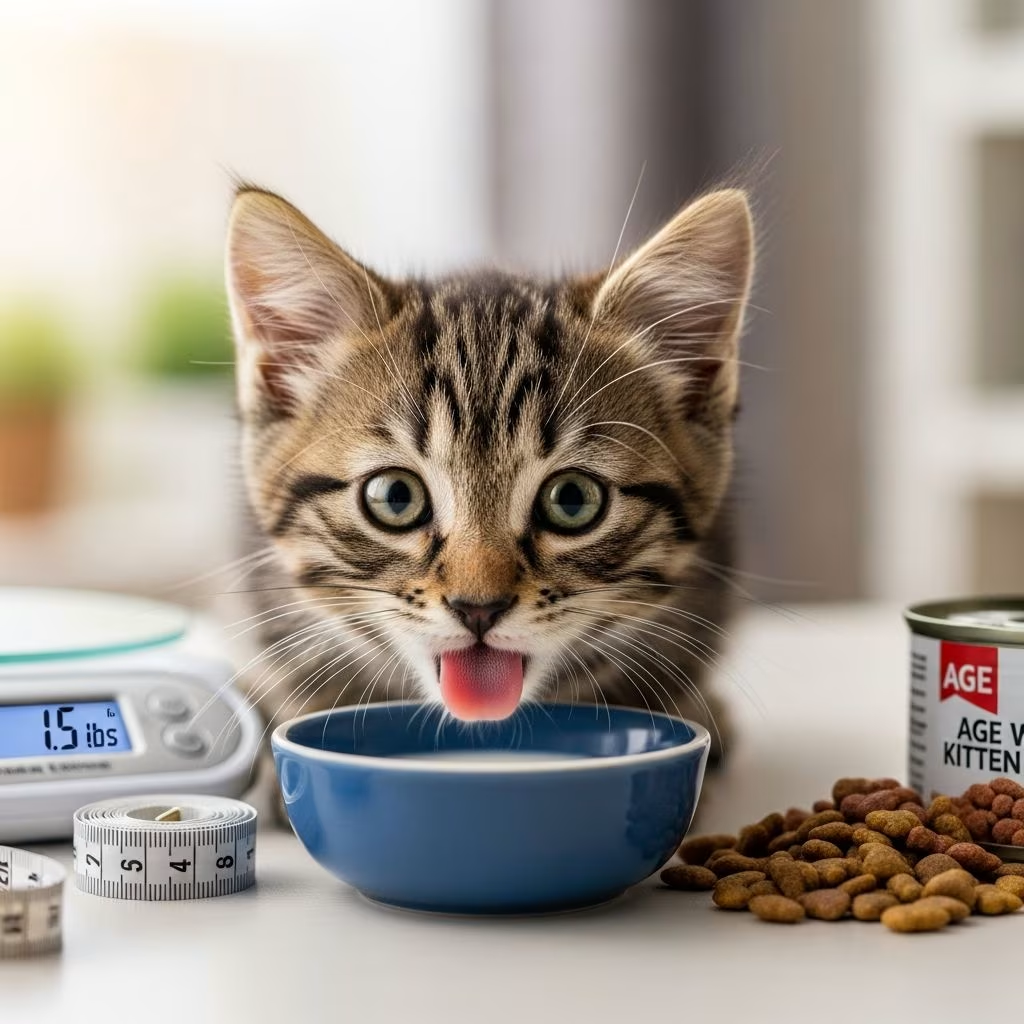
Growing kittens require carefully calibrated nutrition to support their rapid development, from delicate bones to sharp senses. This guide provides detailed recommendations on portions, frequencies, and dietary components tailored to each life stage, ensuring your furry companion thrives without excess or deficiency.
Essential Nutrients for Kitten Growth
Kittens, as obligate carnivores, demand diets rich in animal-derived proteins to fuel muscle building and overall vitality. Optimal growth hinges on specific nutrient profiles: proteins should comprise 35-50% on a dry matter basis, far exceeding adult cat needs due to intense developmental demands. High fat levels supply concentrated energy for play and organ formation, while DHA—an omega-3 fatty acid—bolsters brain and vision maturation.
Taurine, an indispensable amino acid, safeguards heart function, eyesight, and digestion, as cats cannot produce it endogenously. Calcium and phosphorus ratios promote sturdy skeletal structures, with elevated requirements during peak growth phases. Vitamins E and C enhance immune resilience, complementing omega-3s like EPA for cognitive health. These elements must be balanced precisely to prevent deficiencies that could impair lifelong health.
Determining Daily Calorie Requirements
Kitten energy needs scale with age and size, peaking early then tapering. A 2-pound kitten at 2 months requires about 150 calories daily, escalating to 540 calories for a 10-pound 11-month-old. Factors like activity level and metabolism influence totals; active kittens may need 10-20% more. Always consult food packaging for calorie density—e.g., one formula at 568 calories per cup differs vastly from another’s 409, affecting volume fed.
Use body condition scoring: ribs palpable without excess fat, waist visible from above. Adjust intake if your kitten appears underweight (visible ribs, tucked abdomen) or overweight (no waist definition).
Age-Specific Feeding Charts
Track progress with these benchmarks, adapting to your kitten’s actual weight and food type. These generalize from veterinary guidelines; monitor growth weekly.
| Age | Avg. Weight (lbs) | Daily Calories | Meals per Day |
|---|---|---|---|
| 2 months | 2 | 150 | 3-4 |
| 3 months | 3 | 200 | 3 |
| 4 months | 4.5 | 300 | 3 |
| 5 months | 5.5 | 340 | 2-3 |
| 6 months | 6.5 | 400 | 2 |
| 7-8 months | 7-7.5 | 420-440 | 2 |
| 9-10 months | 8-9 | 460-500 | 2 |
| 11+ months | 10+ | 540+ | 2 |
Note: Transition to adult food around 12 months, breed-dependent.
Meal Frequency and Feeding Methods
Young kittens mimic nursing patterns, needing 3-4 small meals daily up to 6 months, then 2 thereafter. Meal feeding—dividing daily allotments—prevents overconsumption, obesity, and dehydration versus free-feeding dry kibble. Space meals 6-8 hours apart initially, fostering routine and portion control.
- Weaning (4-8 weeks): 4-6 meals of formula-mixed wet food.
- 2-6 months: 3-4 meals, emphasizing wet or mixed for hydration.
- 6+ months: 2 meals, introducing variety.
Avoid cow’s milk; opt for kitten milk replacers due to lactose intolerance.
Choosing the Right Kitten Food Types
Select complete, balanced formulas labeled for growth, prioritizing high protein (30-40% calories), moderate fats (20-30%), and low carbs. Dry foods suit convenience with probiotics for digestion, like those with chicken and rice blends. Wet foods provide hydration (70-80% moisture) and palatability, ideal for transitioning weanlings.
Mix formats: top dry with wet for appeal and nutrition. Avoid grain-free unless vet-recommended, as substitutes like peas offer no feline benefits. Homemade diets risk imbalances; meats (chicken, turkey), grains (quinoa), veggies (carrots), and fish require vet oversight, plus taurine (250-500mg/day) and omega-3 supplements (1000-3000mg fish oil).
Transitioning Diets Safely
Abrupt changes cause digestive upset. Over 7-10 days, blend old and new foods: 25% new on day 1, rising gradually. From formula to solids (5-8 weeks), mix kitten wet food incrementally, reducing milk replacer. Post-weaning (8+ weeks), introduce chunkier textures for dental health. By 10-12 months, shift to adult maintenance diets matching lifestyle.
Monitor stool quality, energy, and coat shine as transition indicators. If diarrhea or lethargy persists, revert and consult a vet.
Portion Control and Weight Monitoring
Weigh food precisely using kitchen scales; cups vary by density. Daily totals split evenly prevent begging. Weekly weigh-ins track 0.5-1 lb gains early, slowing later. Adjust for neutering (reduce 20-25% calories post-procedure) or high energy.
- Underweight: Increase by 10%, add play.
- Overweight: Reduce 10%, more wet food.
- Ideal: Hourglass figure, palpable ribs.
Common Feeding Pitfalls to Avoid
Free-feeding risks obesity; human scraps introduce toxins or imbalances. Over-supplementing taurine or omegas without guidance harms. Ignore breed variances—larger breeds like Maine Coons grow to 18 months. Puppies milk or adult cat food lacks growth nutrients.
Special Considerations for Health and Activity
Active kittens burn more; indoor ones less. Post-surgery or illness, vet-prescribe recovery formulas. Pregnant/lactating queens need separate guidance, but orphaned kittens follow bottle-feeding protocols with formula[10]. Annual vet checks refine plans.
Frequently Asked Questions
How much wet food for a 3-month kitten?
Around 200 calories, equating to 1-1.5 cans (3oz each) split into 3 meals, depending on calorie content.
Can kittens eat dry food only?
Possible but suboptimal; combine with wet for hydration and dental benefits.
When to stop kitten food?
Typically 12 months, or 15-18 for large breeds.
Is homemade kitten food safe?
Only with vet-formulated recipes balancing taurine, calcium, etc..
What if my kitten refuses food?
Warm wet food, add toppers; persistent issues warrant vet visit for parasites or illness.
References
- Nurturing your New Kitten: A Guide to Kitten Nutrition — Tiki Pets. 2023. https://tikipets.com/nurturing-your-new-kitten-a-guide-to-kitten-nutrition/
- Feeding Kittens 101: What to Feed, How Much, and How Often — PetMD. 2024. https://www.petmd.com/cat/nutrition/feeding-kittens-101-what-feed-how-much-and-how-often
- A Tailored Guide for Kittens Aged 2 to 6 Months — Belleview Animal Clinic. 2023. https://belleviewanimalclinic.com/feeding-kittens-a-tailored-guide-for-kittens-aged-2-to-6-months/
- Kitten Feeding Guide: How Much to Feed a Kitten — Sheba. 2024. https://www.sheba.com/lifestyle/how-much-to-feed-a-kitten
- Kitten Nutrition — UK Pet Food. 2023. https://www.ukpetfood.org/pet-care-advice/cat-health-nutrition-advice/feeding-guides-for-cats-kittens/kitten-nutrition-created-as-a-page.html
- Cat and Kitten Nutrition 101 — Small Door Veterinary. 2024. https://www.smalldoorvet.com/learning-center/nutrition/cat-kitten-nutrition-101



