

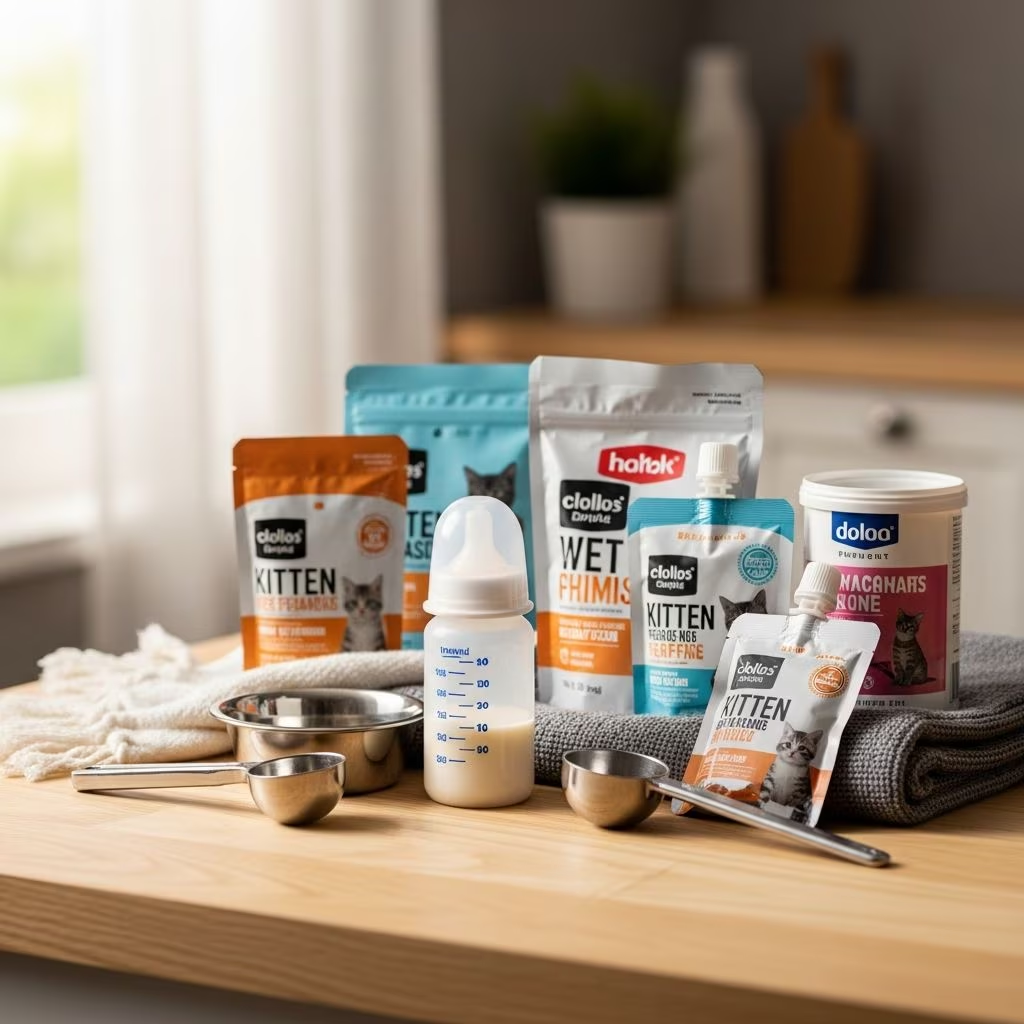
Proper nutrition forms the foundation of a kitten’s healthy development, influencing everything from bone growth to immune function. Young felines have unique dietary requirements that differ significantly from adult cats, demanding higher levels of protein, fats, and specific nutrients like DHA for brain health.
Understanding Kitten Nutritional Needs
Kittens require diets rich in animal-based proteins to support rapid tissue growth and energy demands. High-quality proteins should constitute 30-40% of daily calories, sourced from lean meats such as chicken or turkey. Fats, making up 20-30% of intake, provide concentrated energy and essential omega-3 fatty acids like DHA and EPA, crucial for cognitive and vision development. Carbohydrates from digestible sources like whole grains or vegetables can fill 30-40% but should not dominate, as cats are obligate carnivores.
Key micronutrients include taurine (250-500mg daily) to prevent heart and eye issues, and vitamins E and C for immunity. Prebiotics support gut health, while balanced calcium-phosphorus ratios ensure strong bones. Commercial kitten formulas are engineered to meet these standards, labeled as ‘complete and balanced’ for growth stages.
Weaning: Transitioning from Milk to Solids
Weaning typically begins around 4 weeks, when kittens show interest in solid foods. Start by mixing kitten milk replacer with wet food to create a gruel, gradually reducing liquid over 2-3 weeks until fully on solids by 7-8 weeks. Avoid cow’s milk due to lactose intolerance, which causes digestive upset.
Mother cats naturally encourage weaning by spending less time nursing. Offer small amounts of softened kibble or pate multiple times daily, observing for acceptance. This phase builds eating independence and introduces varied textures.
- Week 4-5: Formula + wet food mash, 4-6 meals/day.
- Week 6-7: Increase solids, reduce formula.
- Week 8+: Full solid diet.
Choosing the Best Kitten Foods
Select AAFCO-approved kitten foods with high meat content and minimal fillers. Wet foods excel in hydration (high moisture prevents urinary issues), palatability, and supplement mixing, while dry kibble supports dental health and convenience.
A combination approach maximizes benefits: wet for moisture and appeal, dry for grazing. Look for inclusions like probiotics for digestion and omega fatty acids for skin/coat.
| Food Type | Pros | Cons | Examples |
|---|---|---|---|
| Wet | High moisture, palatable, easy to supplement | Shorter shelf life, more expensive | Chicken & rice medleys with taurine |
| Dry | Dental benefits, convenient, cost-effective | Lower moisture, potential overeating | Probiotic-enriched chicken formulas |
| Mixed | Balanced hydration & nutrition | Requires monitoring portions | Shredded blend kibble |
Age-Appropriate Feeding Schedules
Frequent, small meals suit kittens’ small stomachs and high metabolisms. Newborns nurse every 2 hours; by 2 months, shift to 3-4 meals daily, reducing to 2-3 by 6 months. Free-feeding works for dry food but measure totals to avoid obesity.
| Age | Avg Weight (lbs) | Daily Calories | Meals/Day |
|---|---|---|---|
| 2 months | 2 | 150 | 3 |
| 4 months | 4.5 | 300 | 3 |
| 6 months | 6.5 | 400 | 2 |
| 10 months | 9 | 500 | 2 |
Adjust based on labels, activity, and body condition—ribs palpable but not visible indicate ideal weight.
Portion Control and Calorie Calculation
Caloric needs peak early: 250-280 kcal/day initially, scaling with growth. Food labels provide guidelines, but calorie density varies (e.g., 409-568 kcal/cup for dry foods). A 10-lb kitten might need 1-1⅓ cups daily depending on formula.
Weigh food portions and monitor weekly gains (4-8 oz/week ideal). Overfeeding risks obesity; underfeeding stunts growth. Consult vets for breed-specific needs or health issues.
Homemade Diets: Pros, Cons, and Recipes
While commercial foods ensure balance, homemade options appeal for freshness. Base on 30-40% protein (chicken/turkey), 20-30% fats (fish oil), with veggies/grains. Supplement taurine (vet-guided) and omegas (1000-3000mg fish oil/day).
Sample Recipe (Daily for 3-month kitten):
- 4oz cooked chicken.
- 1oz steamed sweet potato.
- 1 tsp fish oil.
- 250mg taurine powder.
- Blend, divide into 3 meals.
Vet approval is essential to avoid deficiencies.
Common Feeding Mistakes to Avoid
- Using adult food too soon—lacks growth nutrients.
- Ignoring hydration—prioritize wet or fountains.
- Free-feeding without limits—leads to overweight.
- Skipping transitions—causes GI upset.
- Neglecting dental checks despite kibble.
Special Considerations for Health and Activity
Active or large-breed kittens may need 10-20% more calories. For urinary health, choose moisture-rich diets; allergies warrant hypoallergenic proteins. Spayed/neutered kittens post-6 months transition to adult food gradually to prevent weight gain.
Monitoring Growth and Adjusting Diets
Track weight, coat quality, energy, and stool. Adjust if kitten is lethargic or stool is loose. Annual vet checkups refine diets, especially for indoor vs. outdoor lifestyles.
Frequently Asked Questions
Can kittens eat dry food only?
Yes, but combine with wet for optimal hydration.
How much wet food per day?
Follow labels; typically 1-2 cans (3oz) split into meals for young kittens.
When to switch to adult food?
Around 12 months, or 10 for smaller breeds.
Is grain-free best?
Not necessarily—focus on protein quality over grain absence.
What if my kitten refuses food?
Warm wet food, check for illness, consult vet if persists.
References
- Feeding Kittens 101: What to Feed, How Much, and How Often — PetMD. 2023. https://www.petmd.com/cat/nutrition/feeding-kittens-101-what-feed-how-much-and-how-often
- Feeding Kittens: A Tailored Guide for Kittens Aged 2 to 6 Months — Belleview Animal Clinic. 2024. https://belleviewanimalclinic.com/feeding-kittens-a-tailored-guide-for-kittens-aged-2-to-6-months/
- Kitten Nutrition: How Much To Feed Your Kitten & More — Nulo. 2023. https://nulo.com/blogs/tips/kitten-nutrition-how-much-to-feed-your-kitten-more
- Kitten Feeding Guide: How Much to Feed a Kitten — SHEBA. 2024. https://www.sheba.com/lifestyle/how-much-to-feed-a-kitten
- Kitten Nutrition — UK Pet Food. 2023. https://www.ukpetfood.org/pet-care-advice/cat-health-nutrition-advice/feeding-guides-for-cats-kittens/kitten-nutrition-created-as-a-page.html
- Cat and Kitten Nutrition 101 — Small Door Veterinary. 2024. https://www.smalldoorvet.com/learning-center/nutrition/cat-kitten-nutrition-101



