

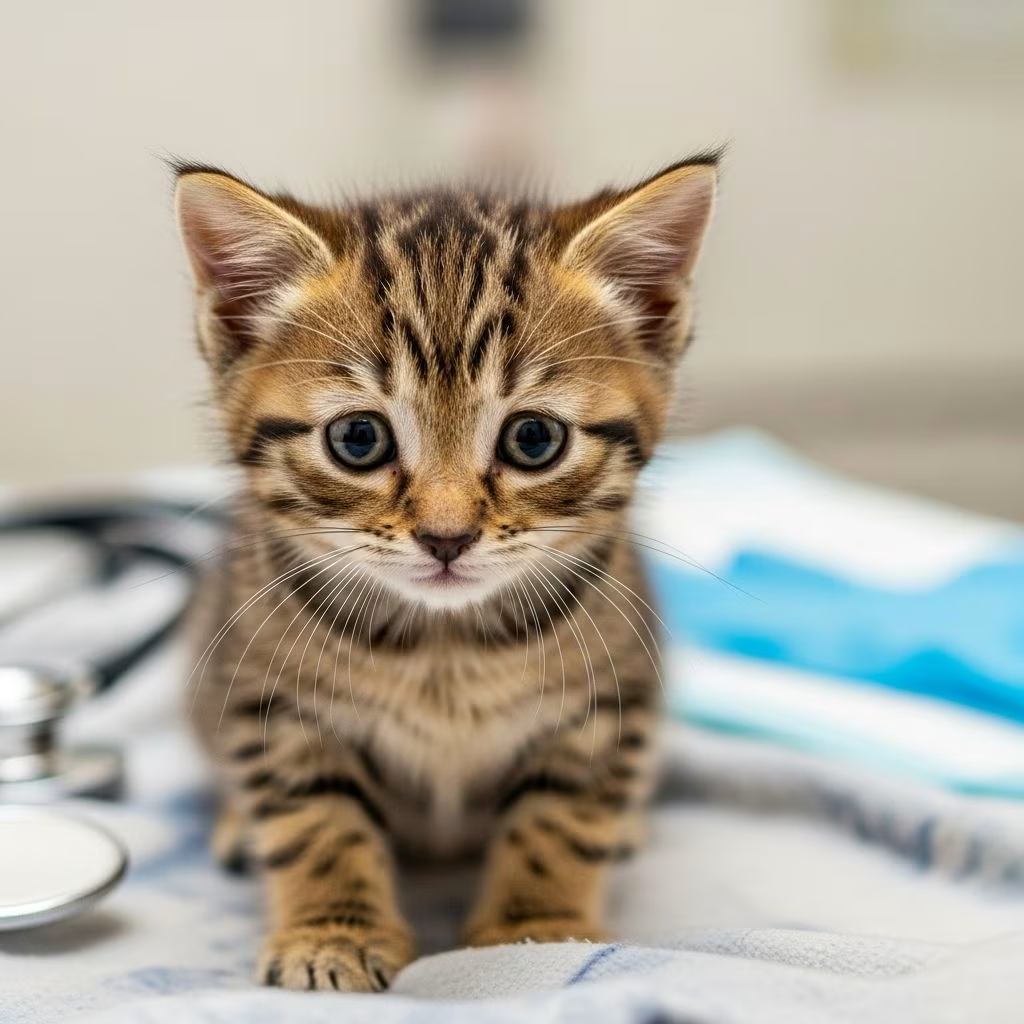
Kittens are undeniably adorable, stealing our hearts with their tiny paws and heart-melting meows. But even these little bundles of cuteness can’t make everything charming—especially when it comes to diarrhea. While diarrhea in kittens is a common concern that many pet owners face, understanding its causes, recognizing the symptoms, and knowing how to respond can help you protect your kitten’s health and comfort.
Kitten diarrhea can be triggered by various factors, but the most common causes include eating or drinking something inappropriate, sudden changes in diet, viral or bacterial infections, and parasites. Recognizing the symptoms of kitten diarrhea and providing timely and appropriate treatment can help alleviate your kitten’s discomfort and safeguard their health and overall wellbeing.
Understanding the Common Causes of Kitten Diarrhea
Knowledge of the most common causes of diarrhea in kittens is essential for formulating appropriate diagnostic and therapeutic plans. Diarrhea in kittens is often associated with stress, dietary intolerance, primary intestinal disease, and infections with enteropathogenic bacteria, viruses, parasites, and protozoa.
Dietary Causes
Drinking Cow’s Milk
Although kittens do have the enzyme needed to digest lactose prior to weaning, cow’s milk is not properly balanced for kittens and can cause tummy issues. Many kittens lack the enzyme required to digest lactose, which can result in diarrhea. If a kitten doesn’t have a mom to nurse from, they should be fed kitten milk replacer rather than cow’s milk.
Abrupt Diet Changes
Introducing a new type of food to your kitten too quickly can lead to an upset stomach and diarrhea. Like human babies, kittens can be sensitive to sudden changes in environment or diet. Always transition your kitten to a new diet gradually over seven to 10 days, mixing the new food with the old food in increasing proportions to help their digestive system adapt.
Food Allergies and Intolerances
Kittens can have food allergies or intolerances, which may cause gastrointestinal issues and bouts of diarrhea. Some kittens may react negatively to specific protein sources or other ingredients in their food, requiring a dietary adjustment or specialized prescription diet.
Infectious Causes
Several bacterial and viral infections can lead to diarrhea in kittens. Understanding these infectious causes is important because they often require specific veterinary treatment.
Viral Infections
Feline panleukopenia, also known as feline distemper and feline parvo, is a highly contagious viral infection that can cause severe diarrhea, vomiting, and dehydration. In kittens, a sudden onset of liquid diarrhea can be a symptom of panleukopenia—a highly contagious, acute virus which is treatable but fatal when left untreated. Feline coronavirus (not the same as COVID-19) is another viral infection that is generally asymptomatic but can cause mild diarrhea. Rotavirus is a viral infection that primarily affects young kittens and can cause diarrhea, vomiting, and dehydration.
Bacterial Infections
Kittens may develop diarrhea due to bacterial imbalances or infections of the gut. Though the presence of Escherichia coli (E. coli) is normal in the gastrointestinal tract of cats, specific types of E. coli can cause diarrhea. Feeding raw meat, for example, could increase risk. Kittens can also get infected living in a crowded, dirty environment. Other bacteria that may cause diarrhea include salmonella and campylobacter.
Parasites and Internal Infections
Parasites such as roundworms and tapeworms are more common in kittens than in adult cats and can upset your kitten’s digestion and stunt their growth. Giardia is another parasitic infection that commonly affects kittens and can cause severe diarrhea. Your kitten should be dewormed at two weeks of age and again at two-week intervals until they reach 12 weeks. After that, kittens should be placed on a monthly anti-parasite product prescribed by your veterinarian.
Other Contributing Factors
Stress can trigger diarrhea in kittens. Kittens who experience significant environmental changes, introduction to new pets or people, or unstable living conditions may develop stress-induced diarrhea. Additionally, curious kittens sometimes ingest toxic substances, foreign objects, or contaminated food, all of which can cause gastrointestinal upset and diarrhea.
Recognizing the Symptoms of Kitten Diarrhea
Identifying the symptoms of kitten diarrhea is crucial for determining when veterinary care is needed. While mild diarrhea may resolve on its own, certain symptoms warrant immediate veterinary attention.
Common Symptoms
Loose or watery stools are the primary indicator of diarrhea, but kittens with diarrhea may also exhibit other signs including appetite changes, behavioral changes, bloated abdomen, changes in coat quality, dry or tacky gums (a sign of dehydration), excessive drinking or thirst, fever, foul-smelling stool, loss of energy, pain, panting, vomiting, and weight loss.
Warning Signs That Require Immediate Veterinary Care
While some cases of kitten diarrhea can be managed at home, certain symptoms indicate the need for professional veterinary evaluation. Seek immediate veterinary attention if:
- Your kitten’s poop is red or black
- Your kitten is straining to poop
- You suspect your kitten may have eaten something toxic or poisonous
- You notice signs of dehydration, such as dry mucous membranes, sunken eyes, and decreased skin elasticity
- Your kitten has ongoing diarrhea and has not received all their vaccinations
- Your kitten has sudden severe diarrhea accompanied by vomiting, blood in the stool, or a high fever
Treatment and Management Strategies
Dietary Management
One of the first steps in treating kitten diarrhea is addressing any dietary issues. If the diarrhea is occurring because food was changed too quickly, gradually transition back to the previous diet or to a new diet over seven to 10 days. Some good dietary options for kittens with diarrhea include:
- Prescription gastrointestinal food for kittens
- Boiled chicken or ground turkey with no oils or seasonings
- Canned pure pumpkin
- Cooked sweet potato with no seasonings
How to Serve Bland Diet Food
Try mixing equal parts cooked turkey (boiled and drained of fat) and pumpkin and giving your kitten smaller portions frequently throughout the day until the diarrhea resolves. If the diarrhea does not resolve in the first two to three days on a bland diet, check back in with your veterinarian. Provide plenty of access to fresh water to prevent dehydration, which is a serious concern with diarrhea.
Parasite Management
If your kitten has been diagnosed with parasites, your veterinarian will recommend appropriate deworming medications. Keep things clean to remove the worm eggs from your home, and ensure your kitten receives the recommended preventative anti-parasite treatments on a regular schedule.
Treating Bacterial Infections
If it’s determined your kitten has a bacterial infection, your veterinarian will prescribe the appropriate antibiotic or antibiotics. These bacterial infections are generally diagnosed by a fecal PCR test, which can identify which bacteria is present. Antibiotics may also be given if the intestine has been damaged.
Managing Viral Infections
Currently, there are no treatments to stop viral infections. Rather, treatment focuses on offering supportive care to help your kitten recover. In this case, your veterinarian may prescribe an anti-diarrheal drug, which will make your kitten’s stools more well-formed and help prevent severe dehydration.
Prevention Strategies for Kitten Diarrhea
Stress Reduction
Minimize stress by providing a comfortable, safe, and stable environment for your kitten. Introduce new experiences, people, and other pets gradually to avoid overwhelming your kitten and causing stress-induced diarrhea.
Proper Nutrition
Avoid giving your kitten cow’s milk, as many kittens lack the enzyme required to digest lactose, which can result in diarrhea. Refrain from feeding your cat or kitten any dairy products or allowing them to eat table scraps. Consider whether any recent dietary changes may be causing indigestion, and if so, return to what you were feeding them before and then gradually introduce new food by mixing it in with the old.
Environmental Management
Keep your kitten indoors. Kittens who spend time outdoors are at an increased risk for internal parasites, contracting viral diseases from other cats, or ingestion of inappropriate food or plants, which could lead to diarrhea. Additionally, ensure your kitten is up-to-date on all vaccinations, as unvaccinated kittens are especially vulnerable to viruses like feline leukemia, panleukopenia, and rotavirus.
Home Care and When to Seek Veterinary Help
In many cases, mild kitten diarrhea can be managed at home with dietary adjustments and close monitoring. However, it’s important to know when professional veterinary care is necessary. If your kitten’s diarrhea persists for more than a few days, is accompanied by vomiting, fever, or lethargy, or if you notice signs of dehydration, contact your veterinarian immediately. Remember that severe or prolonged diarrhea can result in significant dehydration and metabolic disturbances due to fluid loss, and your pet may require hospitalization for supportive care and treatment.
Frequently Asked Questions About Kitten Diarrhea
Q: What is the most common cause of diarrhea in kittens?
A: The most common cause of diarrhea in kittens is dietary issues, including sudden changes in diet, food allergies, or eating something inappropriate. However, parasites and infections are also very common, especially in young kittens.
Q: How long does kitten diarrhea typically last?
A: Mild kitten diarrhea often resolves within a few days with proper dietary management and home care. However, if diarrhea persists for more than two to three days or is severe, veterinary evaluation is recommended.
Q: Can I give my kitten over-the-counter anti-diarrheal medications?
A: You should not give your kitten any medications without first consulting your veterinarian. Certain anti-diarrheal medications can be prescribed by your vet if appropriate for your kitten’s specific condition.
Q: How can I tell if my kitten is dehydrated from diarrhea?
A: Signs of dehydration include dry mucous membranes, sunken eyes, decreased skin elasticity, and reduced urination. If you suspect dehydration, contact your veterinarian immediately.
Q: Is kitten diarrhea contagious to other cats?
A: Some causes of kitten diarrhea, such as viral infections like panleukopenia and bacterial infections, can be contagious to other cats. If your kitten has diarrhea from a potentially contagious cause, keep them separated from other cats and practice good hygiene.
Q: What is the best way to transition my kitten to a new food?
A: Gradually introduce new food over seven to 10 days by mixing increasing amounts of the new food with the old food. This slow transition helps prevent digestive upset and diarrhea.
Q: Should my kitten be vaccinated to prevent diarrhea?
A: Yes, vaccinations are an important part of preventing certain viral infections that can cause diarrhea, such as panleukopenia and rotavirus. Ensure your kitten receives all recommended vaccinations on schedule.
References
- Rational Approach to Diagnosing and Managing Infectious Causes of Diarrhea in Kittens — National Center for Biotechnology Information (NCBI). 2020-04-15. https://pmc.ncbi.nlm.nih.gov/articles/PMC7152495/
- Kitten Diarrhea 101: Causes, Symptoms, and Treatment — Chewy. 2025-01-10. https://www.chewy.com/education/cat/health-and-wellness/dealing-with-kitten-diarrhea
- Kitten Diarrhea: Should You Be Worried? — BluePearl Pet Hospital. 2024-11-15. https://bluepearlvet.com/medical-articles-for-pet-owners/kitten-diarrhea/
- Diarrhea in Kittens — Kitten Lady. 2024-06-20. http://www.kittenlady.org/diarrhea
- 18 Common Causes of Diarrhea in Cats and Kittens — CareCredit. 2024-08-12. https://www.carecredit.com/well-u/pet-care/what-causes-kitten-diarrhea/
- Diarrhea in Cats — VCA Animal Hospitals. 2024-10-01. https://vcahospitals.com/know-your-pet/diarrhea-in-cats



