

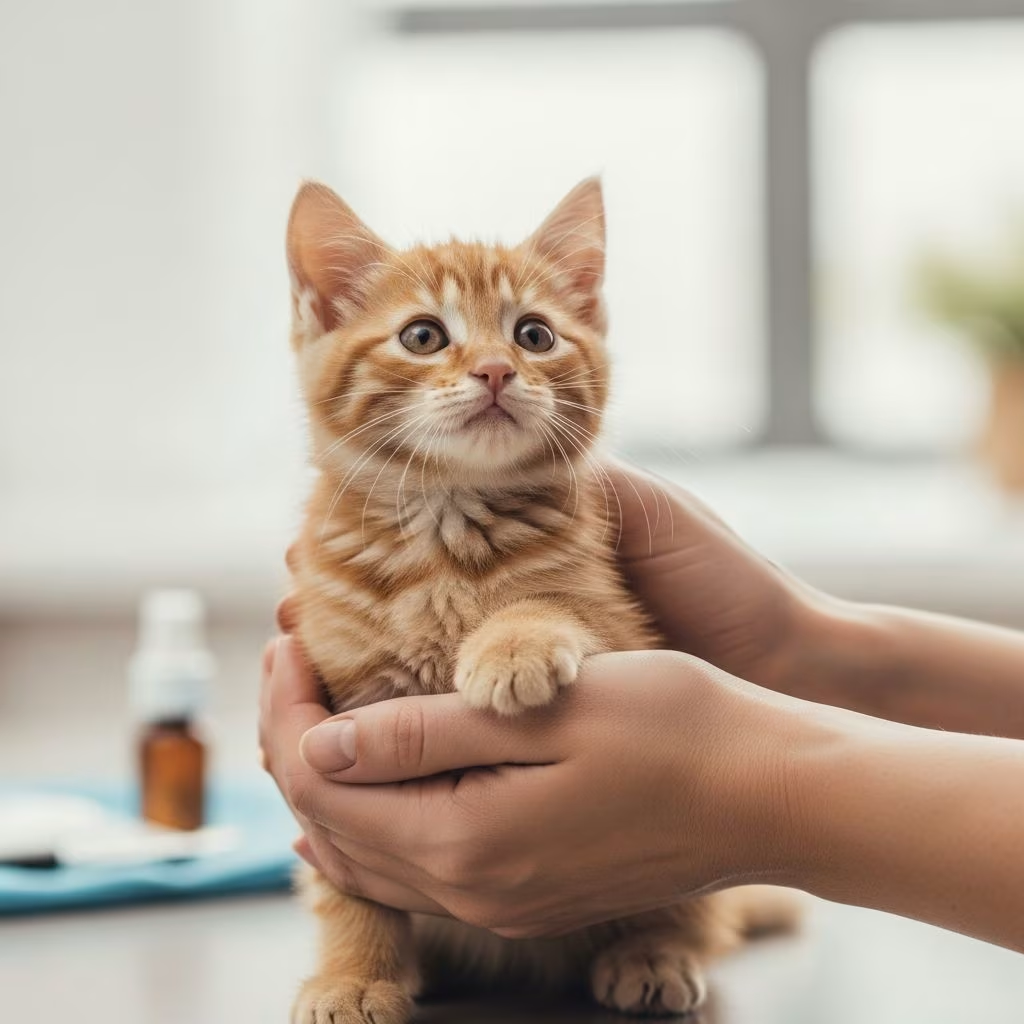
Protecting young kittens from intestinal parasites is crucial for their development and overall well-being. Deworming helps eliminate harmful worms that can stunt growth, cause digestive issues, and even lead to life-threatening conditions. This guide provides a comprehensive overview of when to begin deworming, how to administer treatments, what to watch for, and long-term prevention strategies.
Understanding Parasites in Kittens
Kittens are particularly vulnerable to worms due to their immature immune systems and close contact with mothers or littermates who may carry parasites. Common intestinal worms include roundworms, hookworms, and tapeworms. These parasites can be transmitted through mother’s milk, contaminated environments, fleas, or prey.
Roundworms, for instance, often appear as spaghetti-like strands in stool or vomit, while hookworms latch onto the intestinal wall, feeding on blood and causing anemia. Tapeworms, transmitted via fleas, result in visible rice-like segments around the anus. Early detection and treatment prevent severe complications like malnutrition, bloating, and pot-bellied appearances.
Optimal Age to Start Deworming
Veterinarians recommend initiating deworming as early as 2-3 weeks of age for kittens at high risk, though 4-6 weeks is standard for most. This timing aligns with weaning, when maternal antibodies from milk wane, leaving kittens exposed.
Starting early targets larval stages passed from the queen during nursing. Delaying can allow parasites to multiply rapidly, exacerbating health risks. Always consult a vet to tailor the start based on the kitten’s health, weight, and exposure history.
Recommended Deworming Schedules
A structured deworming protocol follows the parasite life cycle, typically 4-6 weeks, ensuring all stages—eggs, larvae, and adults—are addressed. Here’s a general timeline:
- 2-3 weeks: Initial dose for rescues or high-risk kittens.
- 4-6 weeks: First standard treatment.
- 8 weeks: Second dose.
- 10-12 weeks: Follow-up treatments.
- Every 4 weeks until 6 months: Intensive phase.
- After 6 months: Every 1-3 months, transitioning to monthly preventives.
Adjust for lifestyle: Outdoor or hunting kittens need more frequent dosing. Nursing mothers should be treated concurrently to break transmission cycles.
| Age Range | Treatment Frequency | Notes |
|---|---|---|
| 2-6 weeks | Every 2 weeks | High-risk or shelter kittens |
| 6-12 weeks | Every 2-4 weeks | Standard protocol |
| 3-6 months | Monthly | Build immunity |
| 6+ months | 1-3 months | Include flea/heartworm preventives |
Signs Your Kitten Needs Deworming
Monitor for these indicators of infestation:
- Diarrhea or bloody stools
- Vomiting with worm segments
- Weight loss despite good appetite
- Lethargy or poor coat condition
- Visible worms in feces, vomit, or around anus
- Swollen abdomen (potbelly)
- Anemia signs like pale gums
Fecal tests confirm presence, especially for tapeworms. Routine vet checks include these exams.
Safe Administration Methods
Veterinary guidance is essential for selecting broad-spectrum dewormers like pyrantel pamoate, fenbendazole (Panacur), or ponazuril, dosed by weight. Options include oral liquids, pastes, tablets, or injections.
Steps for home administration:
- Weigh the kitten accurately.
- Follow vet-prescribed dosage—never OTC without advice.
- Mix liquid with food or use a syringe for direct oral delivery.
- Administer post-meal to reduce stomach upset.
Avoid over-the-counter products due to narrow-spectrum limitations and overdose risks. Prescription options cover multiple parasites effectively.
What Happens After Treatment
Dewormers typically act within 24-48 hours, killing adults, but full clearance takes 2-3 weeks as larvae mature. Expect:
- Dead worms in stool (normal, up to 1-2 weeks).
- Mild side effects: drooling, vomiting, or diarrhea (rare).
- No improvement? Seek vet for follow-up dose.
Multiple rounds target reinfection from environment. Re-test feces 2-4 weeks post-treatment.
Costs and Accessibility
Vet visits for deworming range $20-50 per dose, plus fecal tests ($20-40). Monthly preventives like heartworm meds often bundle deworming for $10-20/month. Early intervention saves on complications.
Prevention Strategies for Long-Term Health
Beyond schedules, integrate these habits:
- Daily litter box cleaning and garden checks.
- Year-round flea control—fleas vector tapeworms.
- Prevent hunting/prey consumption.
- Indoor living or supervised outings.
- Annual fecal exams and vaccinations.
Broad-spectrum monthlies post-6 months protect against fleas, worms, and heartworms.
Special Considerations for Rescues and Shelters
Shelter kittens often start at 2 weeks with protocols like 3-day fenbendazole courses repeated biweekly until 16 weeks, plus ponazuril for protozoa like Giardia. Weight-based dosing is critical for tiny patients.
FAQ
Can indoor kittens skip deworming?
No—even indoors, parasites transmit via fleas, rodents, or owners’ shoes. Monthly preventives are advised.
Is deworming safe for pregnant cats?
Yes, certain dewormers like pyrantel are safe; consult vet.
How do I know if deworming worked?
No worms in stool/vomit after 2-3 weeks, plus fecal test. Symptoms resolve quickly.
What if my kitten vomits the dewormer?
Redose half after 30 minutes if most retained; full if expelled. Vet advice key.
Do all kittens need deworming if asymptomatic?
Yes—preventive protocols recommended regardless.
Consulting Your Veterinarian
Individualize plans based on breed, health, and locale. Regular check-ups ensure compliance and adjust for emerging threats like drug-resistant worms.
References
- Kitten Deworming Schedule: When, Why & How To — Pawlicy Advisor. 2023. https://www.pawlicy.com/blog/kitten-deworming-schedule/
- When and how to deworm your kitten? — Royal Canin. 2024. https://www.royalcanin.com/ie/cats/kitten/deworming-kittens
- Effective Cat Deworming Protocols — Baxter Veterinary Clinic. 2023. https://www.baxtervet.ca/pet-care/cat-services/deworming
- Deworming Kittens: Why It’s Important and When To Start — PetMD. 2024. https://www.petmd.com/cat/general-health/deworming-kittens
- Deworming My Foster Kittens! (Video Transcript) — YouTube (Foster Care Channel). 2023. https://www.youtube.com/watch?v=l4RvmrjiDKU
- Cat Deworming Protocols — Dartmouth Veterinary Hospital. 2024. https://www.dartmouthvet.ca/pet-care/cat-services/deworming



