
Your Kitten: What to Expect at 13-16 Weeks
Complete guide to understanding your kitten's physical, behavioral, and developmental changes during weeks 13-16 of life.
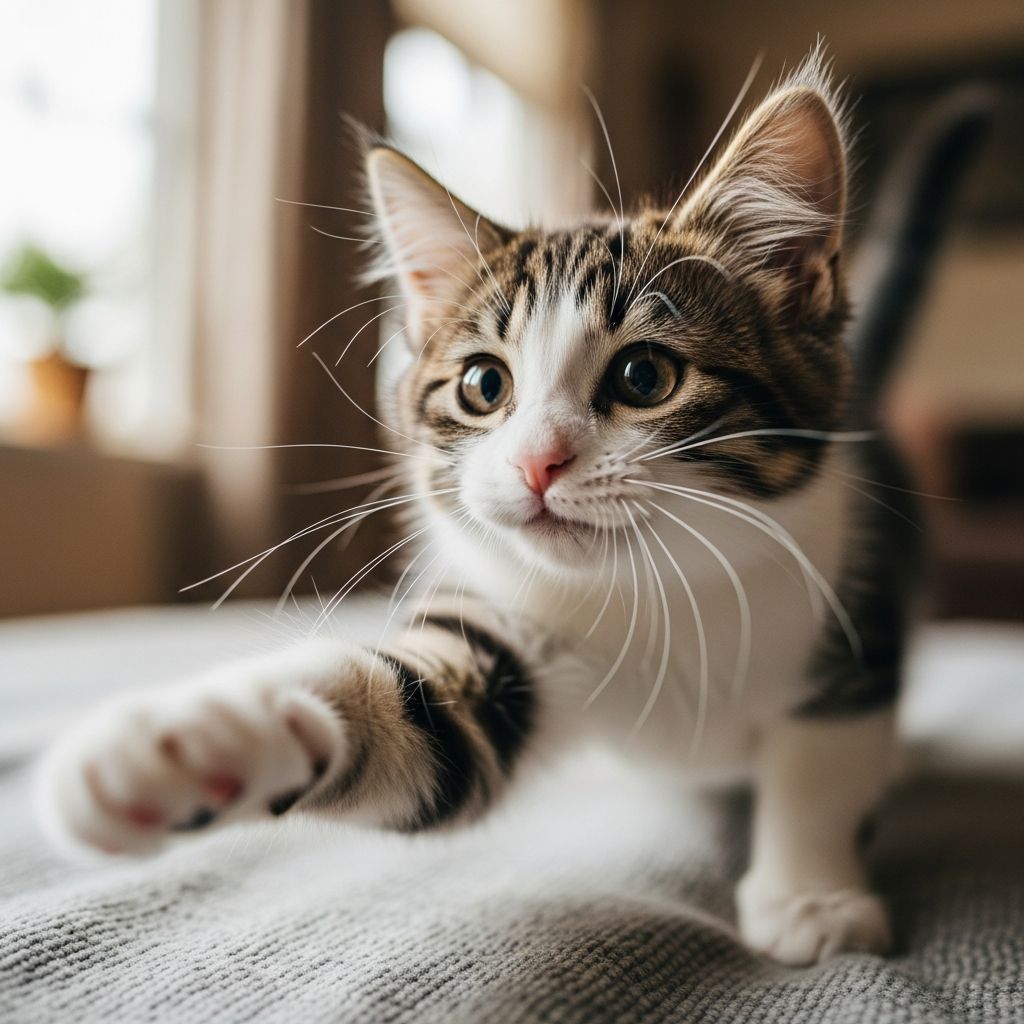
The period between 13 and 16 weeks marks an exciting transition in your kitten’s life as she enters the adolescence stage of development. During this phase, your kitten transforms from a dependent newborn into an increasingly independent and confident young cat. Understanding what to expect during these crucial weeks will help you provide the best care and create a safe, enriching environment for your growing feline companion. This stage is characterized by significant physical development, behavioral changes, and increased independence, making it an ideal time to establish important routines and training habits.
Physical and Mental Development
At 13 to 16 weeks of age, your kitten’s physical appearance undergoes remarkable changes. During this time, you will notice your little one investigating her new home with newfound confidence and coordination. She is curious by nature, exploring every corner and crevice of her environment. Kittens at this age now look like small adult cats, with well-developed motor skills that make them strong and energetic. Their movements are no longer clumsy or wobbly; instead, they display impressive agility and coordination that allows them to navigate complex environments with ease.
The mental development during this stage is equally significant. Your kitten’s brain is rapidly developing, and she is absorbing information about her environment at an astonishing rate. Early handling and socialization during these weeks are critical; kittens who are handled 15 to 40 minutes daily during their first seven weeks develop larger brains and demonstrate increased exploratory behavior and playfulness. Even though your kitten is now past seven weeks, continued mental stimulation through play, exploration, and interaction remains essential for optimal cognitive development.
It is a good idea to practice pet proofing before she comes home or if she is already in your care, to ensure her safety as she explores. For example, you will want to get in the habit of keeping windows and doors closed to prevent escapes. Hide or remove power cords that your curious kitty may mistake for chew toys. And properly store common toxins, including antifreeze, insecticides, household cleaners, prescription drugs, fertilizer, and rat poison. Creating a safe environment allows your kitten to explore freely without encountering dangerous hazards.
Behavioral Changes and Activity Levels
Your frisky friend has more energy than ever during the 13-16 week period. At this stage, kittens are exhibiting all of the behaviors of adult cats, using their body language to communicate with their caregivers. The prime directives of an adolescent kitten are to eat, play, sleep, eliminate, and start all over again. So, offer her appropriate places to carry out her cat behavior, including a litter box, a scratching post, her own food and water bowls, and a place to nap.
During this developmental stage, kittens are starting to differentiate from their mother and littermates, with play becoming increasingly sophisticated. They engage in stalking, hiding, pouncing, and digging—instinctual behaviors ingrained in all cats. These behaviors are essential for developing hunting skills and establishing social hierarchies. Play-fighting with siblings or toys helps kittens learn bite inhibition and social boundaries, skills that will carry into adulthood.
Your kitten may display increased independence and confidence, venturing further away from familiar areas and testing boundaries. She may also show increased interest in exploring vertical spaces, climbing furniture, and investigating new areas of the home. This is perfectly normal behavior for an adolescent kitten and should be encouraged in appropriate ways through the provision of cat trees, climbing structures, and interactive toys.
Nutritional Needs and Feeding
At 13-16 weeks of age, your kitten’s nutritional requirements are specific to support her rapid growth and high energy levels. Kittens at this age are typically eating mostly solid food and have transitioned away from their mother’s milk entirely. By this stage, kittens are generally on a more regular schedule, sleeping and eating at regular intervals. It is essential to provide high-quality kitten food that contains appropriate levels of protein, fat, and essential nutrients to support her development.
You should offer your kitten multiple small meals throughout the day rather than one large meal. Typically, kittens at this age benefit from three to four meals per day. Ensure fresh, clean water is always available. Consult with your veterinarian to determine the appropriate amount and type of food for your specific kitten, as dietary needs can vary based on breed size and individual growth patterns.
Litter Box Training and Elimination
By 13-16 weeks, your kitten should be well-established with litter box training. Most kittens begin to eliminate waste on their own by around 20 days old without the help of mom or a caregiver, and by this age, litter box habits should be firmly in place. However, accidents may still occur, especially during times of stress or environmental changes. Ensure you have an appropriately sized litter box filled with litter that your kitten prefers. The general rule is to have one litter box per kitten plus one extra, placed in easily accessible locations away from food and water bowls.
Maintaining a clean litter box is crucial during this developmental stage, as kittens are more likely to have accidents or seek alternative elimination sites if the litter box is dirty or inaccessible. Regular cleaning and litter replacement will help ensure your kitten continues to use her designated elimination area consistently.
Vaccinations and Health Milestones
Health care during the 13-16 week period is crucial for your kitten’s long-term wellbeing. The booster vaccination against feline distemper and flu is usually given when the kitten is about 12 weeks old. By 14 weeks old, kittens still have much to learn and grow, but most are ready for adoption. The kitten development culminates at 16 weeks old, by which time the kittens are usually independent and physically developed. Importantly, the new kitten owner should remember that kittens aged around 16-20 weeks can be vaccinated against rabies.
During this period, your veterinarian should evaluate your kitten’s overall health, growth, and development. This is an excellent time to discuss any behavioral concerns, nutritional questions, or developmental issues. Your vet may also recommend or administer additional vaccinations based on your kitten’s lifestyle and local disease prevalence.
Socialization and Environmental Adaptation
The 13-16 week period is an important time for continued socialization with both humans and other animals. At this age, the sensitive period for socialization has ended for kittens, but they remain receptive to new experiences. Introduce your kitten to various people, sounds, textures, and environments to help her develop into a confident, well-adjusted adult cat. Gentle handling and positive interactions during this period will help establish trust and strengthen your bond.
If you plan to have other pets in your household, this is an ideal time to facilitate controlled introductions. Your adolescent kitten may play-fight with other kittens or young animals, which is normal behavior for establishing social hierarchies and learning appropriate interaction styles. Always supervise these interactions to ensure they remain playful and do not escalate into aggressive behavior.
Play and Environmental Enrichment
Providing appropriate enrichment is essential during this high-energy stage of development. Your kitten requires multiple interactive toys, climbing structures, scratching posts, and opportunities for both solo and interactive play. Toys that mimic prey—such as feather wands, laser pointers, and small balls—help satisfy hunting instincts and provide valuable physical exercise.
Rotating toys regularly maintains your kitten’s interest and prevents boredom. Puzzle feeders and treat-dispensing toys provide mental stimulation while encouraging natural foraging behaviors. Window perches allow your kitten to observe outdoor activity, providing visual enrichment and entertainment. Providing varied textures and surfaces for climbing and scratching helps satisfy these natural instincts while protecting your furniture.
Grooming and Coat Care
By 13-16 weeks, your kitten should be actively grooming herself and developing good grooming habits. Many kittens begin self-grooming earlier, though their mother still participates in grooming during earlier weeks. Establishing a grooming routine at this age helps your kitten become accustomed to brushing and handling, which will make grooming easier throughout her life.
Regular brushing removes loose fur, prevents matting, and helps reduce hairballs. For longhaired breeds, daily brushing is recommended, while shorthaired breeds benefit from brushing several times per week. This also provides an excellent opportunity to check your kitten’s skin for any abnormalities and strengthen your bond through gentle handling.
Training and Behavior Management
At 13-16 weeks, your kitten is capable of learning important rules and boundaries. Skills not acquired during the first eight weeks may be lost forever, making this a critical period for establishing expectations. Now is the time to establish rules about what behaviors are acceptable and what are not. Redirect inappropriate behaviors toward appropriate outlets, such as scratching posts instead of furniture.
Use positive reinforcement to reward desired behaviors with treats, praise, and play. Avoid punishment-based training methods, which can damage your bond and create fear-based associations. Consistency is key; all family members should enforce the same rules and expectations to avoid confusing your kitten.
Sleep and Rest Requirements
Despite their high energy levels, adolescent kittens still require substantial sleep to support their rapid growth and development. Kittens at this age spend a significant portion of their day sleeping, though this decreases as they grow. Provide comfortable resting areas where your kitten can sleep undisturbed. A cozy bed or blanket in a quiet location allows your kitten to recharge between play sessions.
Establishing a consistent sleep schedule helps regulate your kitten’s energy levels and can reduce nighttime activity. Most adolescent kittens naturally establish their own rhythm, sleeping more heavily at certain times and being more active at others. Work with your kitten’s natural patterns rather than against them.
Preparing for Adulthood
The 13-16 week period represents a transition phase toward independence and adult behavior. Most kittens are ready for adoption by 14 weeks old, and full independence is typically achieved by 16 weeks. Kittens become fully grown at about 12 months of age, though for some large cat breeds, reaching full maturity can take up to 15 months.
Use this time to establish routines and expectations that will serve your relationship well into adulthood. The habits and bonds you create during these critical weeks will influence your kitten’s behavior and personality for years to come. Continue to provide love, appropriate challenges, and consistent guidance as your kitten grows.
Frequently Asked Questions
Q: Is my 13-16 week old kitten ready to be spayed or neutered?
A: Most veterinarians recommend spaying or neutering kittens at around 4-6 months of age. Consult with your veterinarian to determine the ideal timing for your individual kitten, as some recommend early spaying/neutering as early as 8-12 weeks.
Q: How much exercise does my kitten need at this age?
A: Adolescent kittens have abundant energy and benefit from multiple play sessions throughout the day. Aim for at least 30 minutes to an hour of interactive play spread across several sessions to match their natural activity patterns and prevent destructive behavior.
Q: Can I introduce my kitten to the outdoors at 13-16 weeks?
A: Most veterinarians recommend waiting until your kitten has completed her vaccination series and is fully independent. If you plan to allow outdoor access, ensure your kitten is microchipped and consider a secure outdoor enclosure or harness training to minimize escape risks.
Q: What should I do if my kitten is biting or scratching too hard during play?
A: Redirect biting and scratching to appropriate toys and scratching posts. Stop play if your kitten becomes too rough, and resume only when she has calmed down. This teaches bite inhibition and appropriate play boundaries.
Q: How do I know if my kitten is healthy at this age?
A: Regular veterinary check-ups are essential. Your kitten should have a good appetite, clear eyes and ears, healthy-looking skin and coat, appropriate energy levels, and consistent litter box habits. Contact your veterinarian if you notice any changes in behavior, appetite, or elimination patterns.
References
- Kitten Development by Week — PrimaCat. 2025. https://www.primacat.com/en/cat-facts/cats-behaviour-and-training/kitten-development-week
- How Old Is That Kitten? Kitten Progression: At-a-Glance — Alley Cat Allies. 2025. https://www.alleycat.org/resources/kitten-progression/
- Your Kitten: What to Expect at 13-16 Weeks — Vetstreet. 2025. https://www.vetstreet.com/cats/your-kitten-what-to-expect-at-13-16-weeks
- Developmental Stages of Kitten Behavior — PAWS (Progressive Animal Welfare Society). 2025. https://www.paws.org/resources/developmental-stages-of-kitten-behavior/
- All About Kittens: Kitten Growth Stages & Milestones! — YouTube. 2025. https://www.youtube.com/watch?v=aEY_csYMglg
Similar Articles








Read full bio of medha deb




