

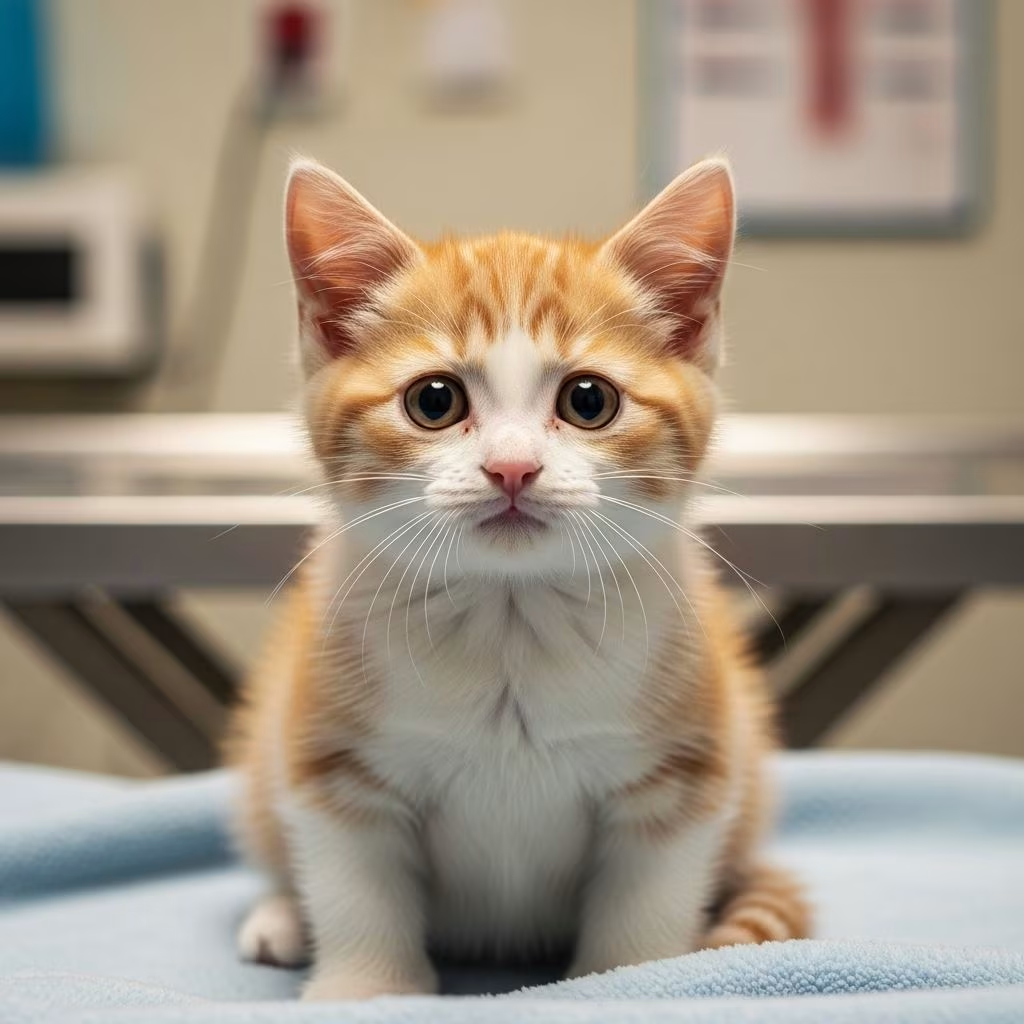
Kitten constipation is a common issue that can cause discomfort and health risks if untreated. Recognizing symptoms early and applying appropriate remedies can help your kitten return to normal bowel movements quickly.
What Is Kitten Constipation?
Constipation in kittens occurs when they struggle to pass hard, dry stools or produce no feces for 24-48 hours. Unlike diarrhea, it involves infrequent, difficult defecation often accompanied by straining. Kittens under 6 months are particularly vulnerable due to their developing digestive systems and curious nature.
This condition differs from obstipation, a severe form where the kitten cannot defecate at all, potentially leading to a medical emergency. Prompt intervention prevents complications like megacolon, a chronic dilation of the colon.
Symptoms of Constipation in Kittens
Watch for these key signs that your kitten may be constipated:
- No feces in the litter box for 24-48 hours
- Straining (tenesmus) in the litter box with little or no stool produced
- Hard, dry, small fecal balls or pebble-like stools
- Blood, mucus, or liquid feces around hard stool (not true diarrhea)
- Crying, vocalizing, or showing discomfort during attempts to defecate
- Loss of appetite or refusal to eat
- Distended, bloated abdomen
- Vomiting, lethargy, or weakness
- Restlessness or excessive grooming
These symptoms can escalate quickly in young kittens, leading to dehydration or toxicity from backed-up waste. If your kitten strains without producing stool for over 48 hours or shows signs of pain, seek veterinary care immediately.
Causes of Kitten Constipation
Several factors contribute to constipation in kittens. Understanding the root cause guides effective treatment.
Dehydration
The most common cause, especially during weaning from mother’s milk to solid food. Dry kibble diets exacerbate this by providing less moisture, resulting in hard stools. Kittens nursing exclusively rarely face this, but transitions increase risk.
Dietary Issues
Inadequate fiber slows intestinal motility. Low-quality foods or sudden diet changes without proper balancing lead to poor stool consistency. Not enough wet food or water intake compounds the problem.
Parasites and Infections
Roundworms and other intestinal parasites irritate the gut, causing blockages or inflammation that hinder defecation. Fecal exams are essential for diagnosis.
Foreign Body Ingestion
Kittens chew on strings, toys, ribbons, feathers, or litter, leading to obstructions. Hairballs from grooming also contribute. Monitor playtime closely.
Medical Conditions
Megacolon weakens colon muscles, causing chronic impaction. Congenital defects like atresia ani (no anal opening), kidney disease, hypercalcemia, or neurological issues impair motility. Older causes like arthritis or IBD are less common in kittens but possible.
Other Factors
Stress, pain from anal sacs, or lack of exercise reduce gut movement. Over-grooming ingests excess hair.
How Long Can a Kitten Go Without Pooping?
Healthy kittens typically defecate 1-6 times daily, depending on age and diet. Newborns poop after each feeding with maternal stimulation. Weaned kittens should go every 1-2 days. Beyond 48 hours signals constipation—contact a vet by 72 hours to avoid obstipation. Frequent small, hard stools indicate chronic issues needing dietary tweaks.
Diagnosis of Kitten Constipation
Vets diagnose via physical exam, palpating the abdomen for hard feces, and history review. Diagnostics include:
- Fecal analysis for parasites
- X-rays or ultrasound for blockages/megacolon
- Bloodwork for dehydration, kidney function, or hypercalcemia
- Rectal exam under sedation if needed
Early diagnosis rules out life-threatening obstructions.
Treatment for Constipated Kittens
Treatment varies by severity. Never use human laxatives without vet approval—risk of aspiration or toxicity exists.
Home Remedies (Mild Cases)
- Hydration: Offer wet food, electrolyte solutions, or add water to meals. Subcutaneous fluids may be vet-administered.
- Fiber Supplements: Canned pumpkin (1/4-1 tsp daily), psyllium husks, or wheat bran mixed into food draws water into stools.
- Massage and Stimulation: Gently bicycle legs, rub belly clockwise, or stimulate anus with warm wet cloth (for young kittens).
- Warm Bath: Submerge rear in warm water while massaging to relax muscles.
- Exercise: Play to promote motility.
- Probiotics: Support gut flora.
Veterinary Treatments
For moderate-severe cases:
- Laxatives: Lactulose (stool softener) or mineral oil mixtures (vet-administered only).
- Enemas/Suppositories: Clinic-administered to avoid injury.
- Manual Removal: Sedation for rectal disimpaction.
- Deworming: If parasites present.
- Surgery: For obstructions or megacolon.
| Severity | Treatment | When to Use |
|---|---|---|
| Mild | Pumpkin, hydration, massage | First 24-48 hrs, no distress |
| Moderate | Lactulose, enemas | Straining >48 hrs, vet visit |
| Severe | Sedation, surgery | Obstruction, vomiting, lethargy |
Prevention of Kitten Constipation
Proactive steps maintain regularity:
- High-moisture diet: 70%+ wet food, kitten fountains.
- AAFCO-approved kitten food with fiber.
- Daily play/exercise.
- Regular deworming/fecal checks.
- Supervise to prevent ingestion of hazards.
- Stress reduction via routine.
Monitor litter habits weekly.
When to See a Vet for Kitten Constipation
Seek immediate care if:
- No poop >48 hours
- Blood/mucus in stool
- Vomiting, bloating, or collapse
- Lethargy or appetite loss
- Repeated episodes
Early vet visits prevent megacolon.
Frequently Asked Questions (FAQs)
Can I give my kitten olive oil or Vaseline for constipation?
Avoid olive oil/Vaseline orally—risk of aspiration pneumonia. Use vet-approved options like pumpkin or lactulose.
How much pumpkin for a constipated kitten?
Start with 1/4 tsp per meal for kittens under 4 lbs; consult vet for dosing.
Is kitten constipation an emergency?
Yes if >48 hours, with pain/vomiting—can lead to rupture or toxicity.
Why is my kitten straining but no poop?
Likely dehydration, obstruction, or megacolon—vet evaluation needed.
How to help a kitten poop at home?
Hydrate, add fiber, massage belly/legs, warm bath.
References
- Have a Constipated Kitten? How to Help Them Poop — Chewy. 2023. https://www.chewy.com/education/cat/health-and-wellness/remedies-for-kitten-constipation
- Constipation — Kitten Lady. 2023. http://www.kittenlady.org/constipation
- Constipation in Cats: Causes, Symptoms & Treatment — TK Veterinary. 2022-01-30. https://www.tkves.com/site/blog/2022/01/30/constipation-cats-causes-symptoms-treatment
- Feline Constipation: Causes, Symptoms, and Solutions — Vale Veterinary Group. 2023. https://valeveterinarygroup.co.uk/feline-constipation-causes-symptoms-and-solutions/
- Kitten Constipation — PetMD. 2023. https://www.petmd.com/cat/conditions/digestive/kitten-constipation
- Cat Constipation: Causes, Symptoms & Treatment — VEG ER for Pets. 2023. https://www.veg.com/post/6-ways-to-help-your-constipated-cat
- Constipation, Obstipation, and Megacolon in Small Animals — Merck Veterinary Manual. 2023. https://www.merckvetmanual.com/digestive-system/diseases-of-the-large-intestine-in-small-animals/constipation-obstipation-and-megacolon-in-small-animals



