

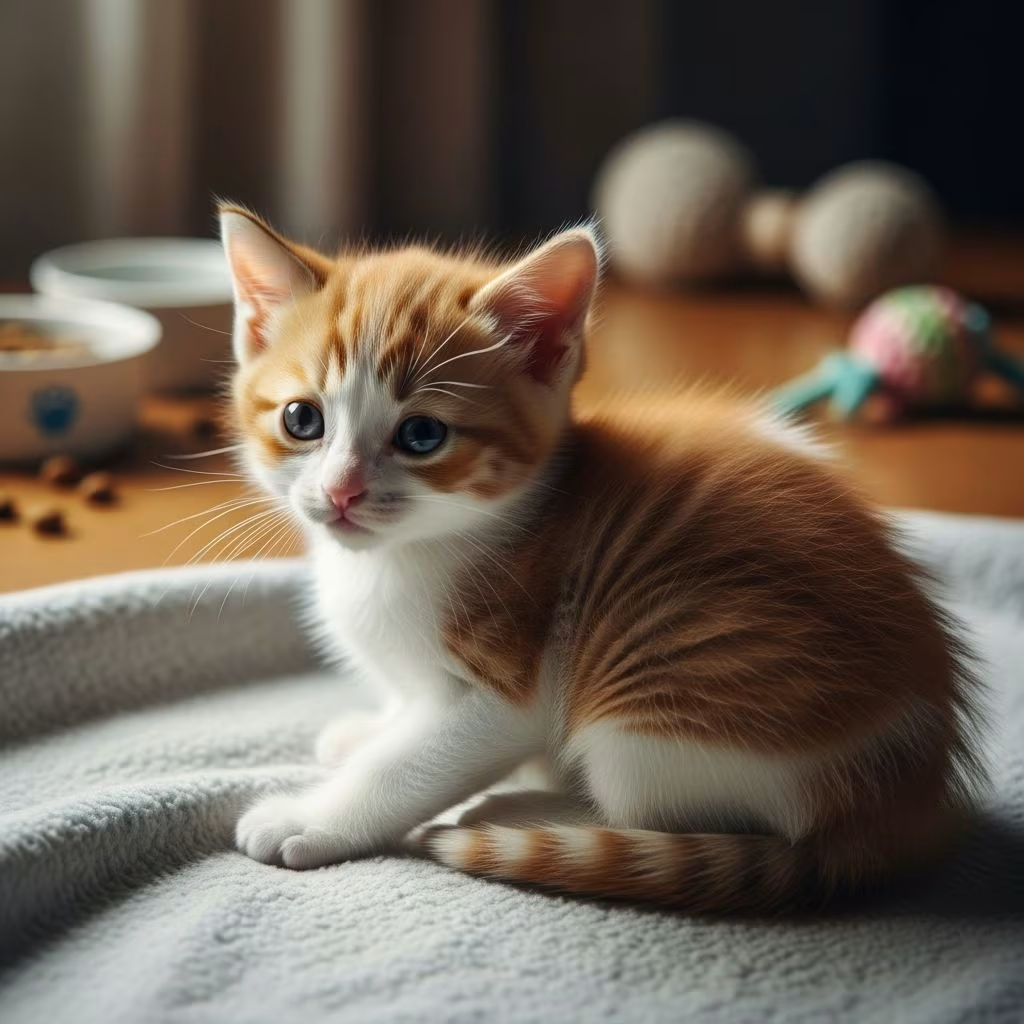
Constipation in kittens happens when they struggle to pass stool or produce none for over 24-48 hours, often leading to discomfort and potential health risks if ignored. Young cats, especially during weaning, face this due to developing digestive systems vulnerable to diet shifts and dehydration. Early detection allows for simple fixes, but persistent cases demand veterinary attention to rule out blockages or chronic issues.
Understanding Normal Digestion in Kittens
Kittens typically defecate every 24-36 hours, with stool soft yet formed from mother’s milk or quality formula. As they transition to solid food around 4-6 weeks, bowel habits stabilize, but disruptions like low moisture intake harden feces, slowing transit through the intestines. Monitoring litter box output provides clues to digestive health; deviations signal potential trouble.
Key Indicators Your Kitten Can’t Poop Properly
Watch for these common signs that build gradually or appear suddenly, prompting action within hours for young kittens:
- No stool in the litter box for 24-48 hours, even with straining efforts.
- Hard, pebble-like droppings that indicate moisture loss in the colon.
- Crying, vocalizing, or hunching during litter box visits without results.
- Bloated or distended belly, tender to gentle touch.
- Appetite drop, refusal to eat, or vomiting from backed-up waste.
- Lethargy, weakness, restlessness, or hiding behaviors.
- Mucus, blood streaks, or liquid leakage around dry stool pellets.
These symptoms overlap with dehydration or pain, making vet exams crucial for accurate diagnosis. Kittens under 8 weeks showing any combination need urgent care, as their small size amplifies risks.
Primary Dietary Factors Behind Constipation
Diet profoundly influences kitten stool consistency; imbalances during weaning amplify problems.
| Cause | Explanation | Impact on Digestion |
|---|---|---|
| Low Fiber Intake | Weaning kittens on fiber-poor foods lack bulk to push waste through. | Slows motility, hardens stool. |
| Dehydration from Dry Food | Exclusive kibble diets reduce water absorption, drying intestines. | Produces pebble-like feces hard to expel. |
| Sudden Food Changes | Abrupt switches from milk to solids overwhelm gut bacteria. | Leads to irregular, infrequent movements. |
Incorporate wet food or water-soaked kibble to boost hydration and ease passage, mimicking natural moisture levels.
Physical Obstructions and Swallowed Hazards
Kittens’ curiosity drives them to ingest strings, ribbons, toys, feathers, or hairballs, creating blockages that halt defecation entirely—a condition called obstipation. These foreign bodies lodge in the stomach or intestines, causing pain and toxin buildup. Symptoms escalate quickly to vomiting and abdominal swelling. Never induce vomiting at home; imaging via X-rays confirms obstructions requiring surgical removal in severe cases.
Medical Conditions Disrupting Bowel Function
Beyond diet, underlying health issues contribute:
- Parasites: Roundworms irritate intestines, altering motility and stool production.
- Neurological Impairments: Rare spinal or nerve damage prevents proper pushing, common in congenital defects like atresia ani.
- Megacolon: Dilated colon loses muscle tone, trapping stool chronically.
- Systemic Diseases: Kidney problems, hypercalcemia, or hyperthyroidism slow gut contractions indirectly.
These demand bloodwork, ultrasounds, or fecal exams for diagnosis, as early intervention prevents colon damage.
Environmental and Behavioral Influences
Stress from new homes, litter box aversion, or pain (e.g., arthritis precursors) reduces box usage, worsening retention. Dirty litter, inaccessible boxes, or painful defecation cycles perpetuate issues. Observe patterns: multiple unproductive visits signal distress.
Safe At-Home Strategies to Relieve Mild Cases
For kittens over 4 weeks with no severe symptoms, try these vetted approaches while monitoring closely:
- Hydration Boost: Mix warm water into food or offer low-sodium chicken broth; aim for 70% wet diet.
- Fiber Addition: Pure canned pumpkin (1-2 tsp daily) adds bulk without laxative excess.
- Gentle Massage: Circle abdomen clockwise post-meals to stimulate peristalsis.
- Litter Switch:
Use softer, unscented litter to encourage use without pain.
Track stool within 24 hours; no improvement means vet visit. Avoid over-the-counter human laxatives or enemas—they risk perforation in tiny colons.
When to Rush to the Veterinarian
Seek immediate care if:
- Kitten under 8 weeks hasn’t pooped in 24 hours.
- Bloated belly, repeated vomiting, or bloody stool appears.
- Lethargy or appetite loss persists beyond 12 hours.
- Straining yields only liquid or drops of blood.
Vets may administer fluids, enemas, or laxatives like lactulose safely, plus diagnostics for root causes.
Long-Term Prevention for Optimal Gut Health
Proactive habits keep digestion smooth:
- Feed AAFCO-approved kitten formulas with balanced fiber (2-4%).
- Ensure constant fresh water; fountains encourage drinking.
- Minimize hazards: secure strings, supervise play.
- Regular deworming and fecal checks at checkups.
- Maintain clean, multiple litter boxes (1 per cat +1).
Annual wellness exams catch predispositions early, supporting lifelong regularity.
Common Myths About Kitten Constipation Debunked
- Myth: Milk Fixes It. Dairy worsens diarrhea in lactose-intolerant kittens.
- Myth: Wait It Out. Delays risk megacolon or rupture.
- Myth: All Hard Stool Is Normal. Indicates chronic issues needing diet tweaks.
Frequently Asked Questions (FAQs)
How long can a kitten go without pooping?
Healthy kittens poop daily; beyond 24-48 hours warrants concern, especially neonates.
Can dry food alone cause this?
Yes, low moisture hardens stool; mix with wet for balance.
Is pumpkin safe for kittens?
Plain canned variety aids mildly; limit to 1 tsp/meal, consult vet first.
What if my kitten leaks liquid stool?
Often overflow around blockage—emergency vet needed.
How to stimulate newborn kittens?
Mother licks; orphans need warm cloth post-feeding until 3-4 weeks.
References
- Kitten Constipation – PetMD — PetMD. 2023. https://www.petmd.com/cat/conditions/digestive/kitten-constipation
- Constipation in Cats: Causes, Symptoms & Treatment — Cinder Rock Vet Clinic. 2024-08-31. https://www.cinderrockvetclinic.com/site/blog/2024/08/31/constipation-dogs-causes-symptoms-treatment
- Have a Constipated Kitten? How to Help Them Poop — Chewy. 2023. https://www.chewy.com/education/cat/health-and-wellness/remedies-for-kitten-constipation
- Constipation — Kitten Lady. 2023. http://www.kittenlady.org/constipation
- Kitten Constipation: What to Do When Your Kitten Can’t Poop — Kinship. 2023. https://www.kinship.com/cat-health/kitten-constipation



