

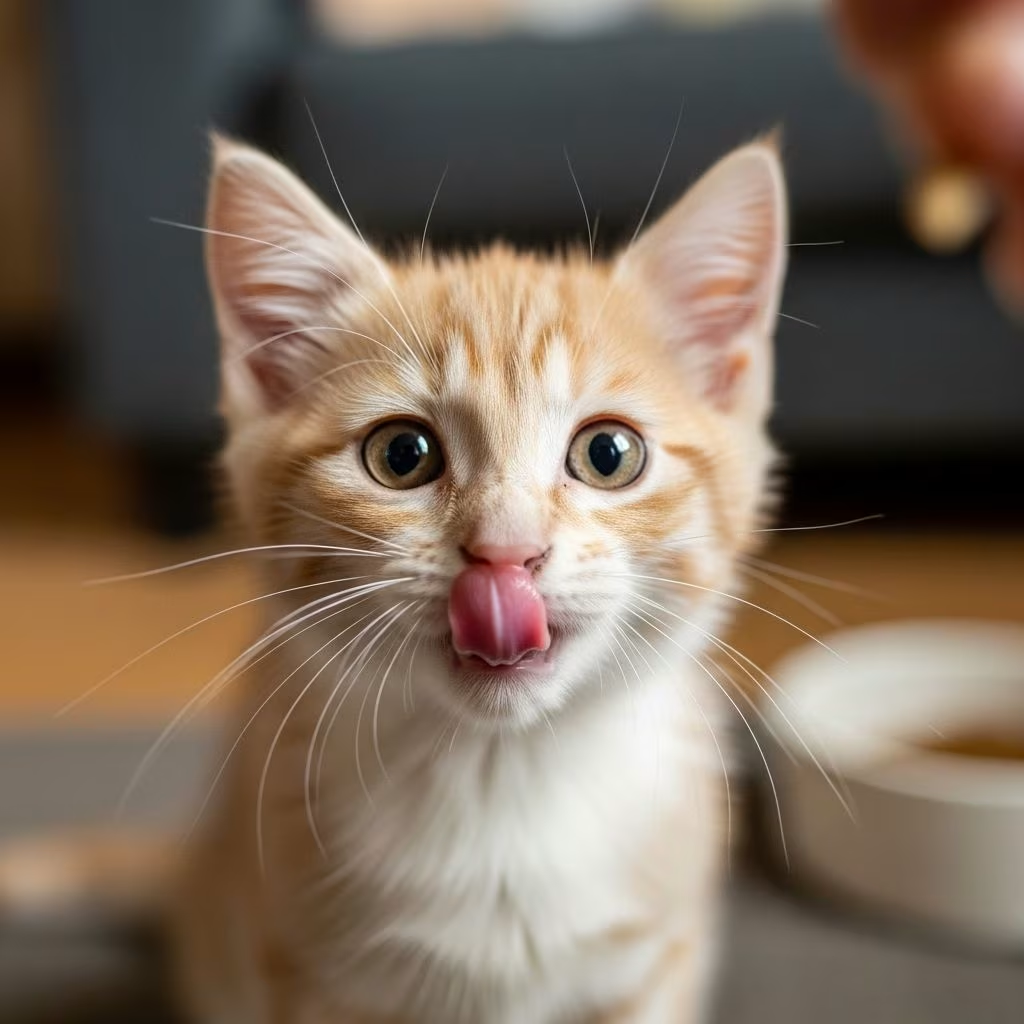
Observing a kitten that appears perpetually famished can concern any pet owner. This behavior often stems from natural developmental stages or underlying health factors. Understanding the root causes enables better management of your kitten’s diet and care routine.
Normal Developmental Hunger in Kittens
Kittens experience rapid physical changes during their first year, demanding substantial energy intake. Their small stomachs require frequent meals to sustain growth. Typically, kittens under six months need feeding three to four times daily, transitioning to twice-daily as they mature.
- High metabolism: Young kittens burn calories quickly to support bone, muscle, and organ development.
- Growth spurts: Periods of accelerated development increase caloric demands temporarily.
- Activity levels: Playful exploration and learning expend significant energy.
To meet these needs, select kitten-specific formulas rich in proteins and fats. These provide the essential amino acids like taurine vital for vision and heart health.
Dietary Shortcomings Leading to Persistent Appetite
Inadequate nutrition often tricks a kitten’s body into signaling hunger despite full meals. Low-quality foods lacking balanced macronutrients fail to satisfy, prompting constant begging.
| Issue | Signs | Solution |
|---|---|---|
| Low protein content | Lethargy, poor coat | Switch to AAFCO-approved kitten food |
| Insufficient calories | Weight stagnation | Increase portion sizes per age/weight |
| Imbalanced fats | Dry skin, hunger pangs | Choose foods with omega-3/6 balance |
Consult feeding guidelines on packaging, adjusting for your kitten’s weight and activity. High-quality commercial diets formulated for growth phases prevent deficiencies that mimic hunger.
Parasitic Infections and Nutrient Theft
Intestinal parasites represent a frequent culprit in kittens’ exaggerated hunger. Worms such as roundworms or tapeworms reside in the gut, consuming nutrients meant for the host. This leads to malnourishment despite increased eating.
- Visible symptoms: Pot-bellied appearance, diarrhea, visible worms in stool.
- Risk factors: Outdoor access, raw meat consumption, flea exposure (tapeworm vector).
- Prevention: Monthly dewormers starting at two weeks old, per veterinary schedules.
A fecal exam confirms infestation. Treatment involves broad-spectrum dewormers, repeated after two weeks to target new hatches. Regular prophylaxis maintains parasite-free status.
Metabolic Disorders Mimicking Insatiable Hunger
Though rarer in kittens than adults, early-onset metabolic issues can drive excessive appetite. Diabetes mellitus disrupts glucose utilization, causing cells to starve despite ample food intake. Hyperthyroidism, uncommon in young cats, accelerates metabolism excessively.
Monitor for accompanying signs:
- Diabetes: Increased thirst/urination, unexplained weight loss.
- Hyperthyroidism: Restlessness, vomiting, rapid heartbeat.
Blood tests diagnose these conditions. Management includes insulin therapy for diabetes and anti-thyroid drugs if applicable. Early detection improves prognosis significantly.
Environmental and Behavioral Triggers
Beyond physiology, external factors amplify perceived hunger. Boredom prompts food-seeking as entertainment, especially in single-cat homes lacking stimulation. Stress from changes like new pets or moves alters eating patterns.
- Enrich environment: Puzzle feeders, interactive toys, vertical spaces.
- Establish routine: Consistent mealtimes reinforce natural hunger cycles.
- Portion control: Measured meals prevent overeating habits.
Transition to adult food around one year curbs juvenile overeating tendencies, reducing obesity risk.
Digestive Challenges and Absorption Problems
Conditions impairing nutrient uptake, like exocrine pancreatic insufficiency (EPI) or inflammatory bowel disease (IBD), leave kittens undernourished. EPI reduces digestive enzymes, resulting in bulky, greasy stools and weight loss despite voracious eating.
IBD causes gut inflammation, hindering absorption. Diagnosis requires imaging, biopsies, or trials of hydrolyzed diets. Treatment combines enzyme supplements, anti-inflammatories, and novel protein foods.
Medication Side Effects and Other Influences
Certain treatments, including steroids or anti-seizure drugs, boost appetite as a side effect. Pregnancy in young females or lactation demands extra calories. Genetic predispositions toward food motivation may also play a role, necessitating vigilant weight monitoring.
Implementing a Balanced Feeding Plan
Address hunger holistically:
- Assess current diet against kitten nutritional standards.
- Schedule vet visit for baseline health check, including fecal and bloodwork.
- Incorporate wet food for hydration and satiety.
- Track weight weekly; aim for steady gain without excess.
Aim for 200-250 kcal daily for an average 4-month-old, split into meals. Free-feeding suits dry kibble but risks overconsumption.
When to Seek Veterinary Intervention
Persistent hunger warrants professional evaluation if paired with weight loss, vomiting, lethargy, or polydipsia. Routine checkups catch issues early, preventing complications like hepatic lipidosis from sudden fasting.
Frequently Asked Questions (FAQs)
Is it normal for my 3-month-old kitten to beg for food constantly?
Yes, frequent small meals support their high energy needs. Offer measured portions every 4-6 hours.
What if my kitten is hungry but losing weight?
This signals potential parasites or metabolic disease; schedule a vet exam promptly.
Can switching to adult food too early cause hunger?
Absolutely—kitten formulas have higher calories and proteins for growth. Wait until 12 months.
How do I know if boredom is the issue?
Increase playtime; if begging decreases, environmental enrichment was key.
Are treats contributing to endless hunger?
Limit to 10% of daily calories to avoid nutritional imbalance.
References
- Why is my cat always hungry? — PDSA. 2023. https://www.pdsa.org.uk/pet-help-and-advice/pet-health-hub/symptoms/why-is-my-cat-always-hungry
- 10 Reasons Why Your Cat is Always Hungry — Vetic. 2024. https://vetic.in/blog/diet-and-nutrition/10-reasons-your-cat-is-always-hungry/
- Why Is My Cat Always Hungry? — Shallowford Animal Hospital. 2023. https://shallowfordvet.com/cat-always-hungry/
- Why Is Your Cat Always Hungry? Common Reasons — Kinship. 2024. https://www.kinship.com/cat-nutrition/why-is-cat-always-hungry
- Why Is My Cat Always Hungry? Am I feeding enough? — Sheba UK. 2023. https://www.uk.sheba.com/blog/feeding/cat-always-hungry
- Your Cat is Always Hungry: What Should You Do? — Hill’s Pet. 2024. https://www.hillspet.com/cat-care/nutrition-feeding/why-is-my-cat-always-hungry
- Why Is My Cat Always Hungry? Causes of a Hungry Cat — PetMD. 2024. https://www.petmd.com/cat/symptoms/causes-of-hungry-cat



