

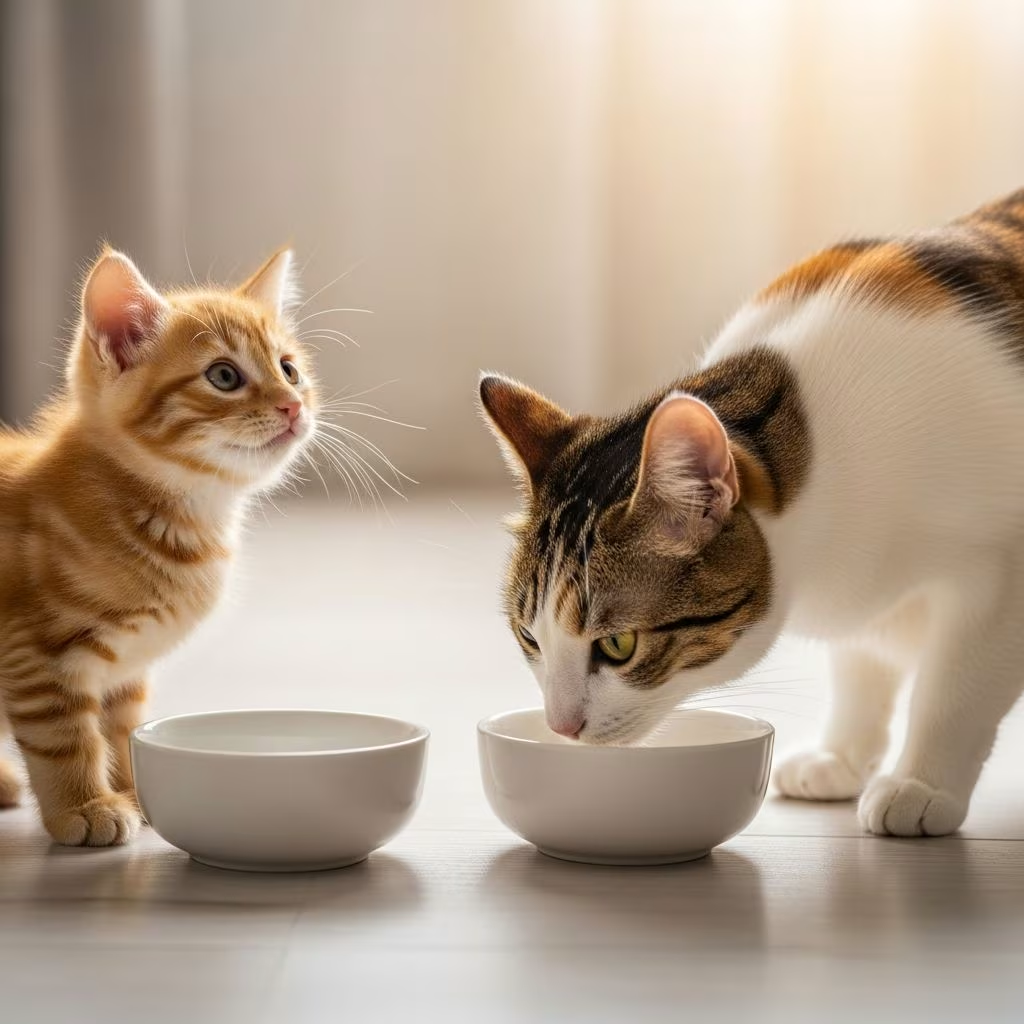
Proper nutrition forms the foundation of health for kittens and cats throughout their lives. Kittens require significantly more energy and specific nutrients than adults to fuel rapid growth, while adult cats need balanced diets to maintain vitality. This guide draws on expert veterinary insights to help you choose the right foods, establish feeding routines, and ensure your feline companions thrive.
Understanding the Unique Nutritional Demands of Kittens
Kittens experience explosive growth phases, demanding diets rich in calories, proteins, and fats. Unlike adult cats, they need about two to three times more energy per unit of body weight to support development. Their food must supply at least 30% of energy from protein, with optimal ranges reaching 35-50% on a dry matter basis for peak growth.
Key nutrients include high-quality animal-based proteins, essential for obligate carnivores that cannot synthesize certain amino acids like taurine. Taurine supports heart function, vision, and reproduction, and must come from meat sources. Fats provide concentrated energy and aid absorption of fat-soluble vitamins, while DHA—an omega-3 fatty acid—boosts brain and eye development. Calcium and phosphorus ratios are critical for strong bones, with kittens needing elevated levels compared to adults.
Why Kitten-Specific Formulas Matter
Commercial kitten foods are formulated to meet these heightened needs, often exceeding adult profiles in protein, fat, and calorie density. The Association of American Feed Control Officials (AAFCO) mandates higher nutrient levels in kitten recipes, including over 30 essential components like fatty acids, vitamins, and minerals. Feeding adult food to kittens risks deficiencies that could stunt growth or cause skeletal issues from excess calcium imbalances.
Weaning: Transitioning from Milk to Solids
Weaning typically begins around 4 weeks, when kittens shift from mother’s milk to solid foods. Start with a gruel made by mixing kitten kibble or canned food with kitten milk replacer to ease digestion. Gradually reduce the liquid over 1-2 weeks: by 5-6 weeks, use lightly moistened food; by 8-10 weeks, offer dry kibble with constant access to fresh water.
- Week 4-5: High liquid gruel for soft texture.
- Week 6: Minimal moisture, introduce small dry portions.
- Week 8+: Fully transitioned to unmoistened kitten food.
By 10 weeks, 80-90% of intake should be solid kitten formula. Clean water bowls daily to prevent bacterial growth, as kittens’ low thirst drive means they rely heavily on food moisture.
Choosing the Best Food Types for Your Feline
Cats are obligate carnivores, thriving on meat-centric diets low in carbohydrates (ideally under 10%). Prioritize formulas with protein exceeding fat content—at least 45% protein—and animal-derived taurine. Avoid vegan or high-carb options, as they fail to deliver essential nutrients like taurine.
| Food Type | Pros | Cons | Best For |
|---|---|---|---|
| Dry Kibble | Dental cleaning effect; convenient for free-feeding; long shelf life. | Lower moisture; risk of overeating/dehydration. | Grazing kittens/adults; hybrid schedules. |
| Wet/Canned | High hydration (73%+ water); palatable; calorie control via volume. | Spoils quickly; higher cost. | Hydration boost; picky eaters; weight management. |
| Hybrid (Dry + Wet) | Balances hydration, teeth health, and grazing; measured intake. | Requires scheduling. | Most kittens; prevents obesity. |
Grain-free labels don’t guarantee low carbs—many substitute peas or potatoes, offering no feline benefits. Hybrid feeding shines: offer measured dry kibble for grazing and wet meals for hydration, reducing obesity risks while mimicking natural eating (up to 16 small meals daily).
Optimal Feeding Schedules by Life Stage
Kittens’ high metabolism (200 kcal/kg at 10 weeks vs. 80 kcal/kg at 10 months) necessitates frequent meals. Free-feeding dry food suits early stages but risks overeating; meal-feeding wet or mixed portions ensures balance.
- 4-6 weeks: 4-6 meals/day of gruel.
- 6-12 weeks: Every 6-8 hours; transition to 3-4 meals.
- 3-6 months: 3 meals/day.
- 6+ months: 2 meals/day (morning/evening).
For adults, fractioned or combination methods prevent weight gain. Extreme weather increases energy needs, so monitor intake. Always measure portions and consult vets for breed-specific or health-adjusted plans.
Transitioning to Adult Cat Nutrition
Switch to adult food around 12 months, when growth slows. Adult diets lower calories and proteins but maintain taurine, meat bases, and balanced minerals. Gradual transitions over 7-10 days mix old and new foods to avoid digestive upset.
Maintain hydration focus—cats’ low thirst drive heightens urinary risks. Wet food provides most water needs; supplement dry with fountains. Hybrid schedules persist: dry for dental health, wet for moisture and satiety.
Hydration, Treats, and Special Considerations
Water is non-negotiable. Place multiple clean bowls daily; flavored or moving water encourages intake. Treats should not exceed 10% of calories to avoid nutrient dilution.
Hot/cold weather spikes energy demands—adjust portions accordingly. For seniors or health issues, vet-guided diets address arthritis, renal function, or obesity with tailored proteins and phosphates.
Common Feeding Mistakes to Avoid
- Using cow’s milk post-weaning: Causes diarrhea due to lactose intolerance.
- Free-feeding wet food: Leads to spoilage and insects.
- Human foods: Toxic items like onions, chocolate harm felines.
- Ignoring labels: Ensure AAFCO kitten/adult statements.
FAQs
Can kittens eat adult cat food?
No, it lacks sufficient calories, protein, and DHA for growth.
How much should a kitten eat daily?
Follow package guidelines based on weight/age; typically 200+ kcal/kg initially.
Is wet food better than dry for cats?
Hybrid is ideal for hydration and health balance.
When to switch from kitten to adult food?
Around 12 months, gradually over 7-10 days.
Do cats need grain-free diets?
No proven benefit; focus on low-carb, high-protein meat bases.
References
- Cat Nutrition Tips — ASPCA. 2023. https://www.aspca.org/pet-care/cat-care/cat-nutrition-tips
- Nurturing your New Kitten: A Guide to Kitten Nutrition — Tiki Pets. 2024. https://tikipets.com/nurturing-your-new-kitten-a-guide-to-kitten-nutrition/
- The Can’t-Miss Guide to Optimal Kitten Nutrition — Countryside Veterinary Clinic. 2023. https://www.countrysideveterinaryclinic.org/services/cats/blog/cant-miss-guide-optimal-kitten-nutrition
- Kitten feeding and nutrition — Royal Canin. 2024. https://www.royalcanin.com/mt/cats/kitten/kitten-feeding-and-nutrition
- Cat and Kitten Nutrition 101 — Small Door Veterinary. 2023. https://www.smalldoorvet.com/learning-center/nutrition/cat-kitten-nutrition-101
- Feeding Growing Kittens — VCA Animal Hospitals. 2024. https://vcahospitals.com/know-your-pet/feeding-growing-kittens
- A to Z of Pet Food: Kitten Nutrition — Pet Food Institute. 2023. https://www.petfoodinstitute.org/a-to-z-of-pet-food-kitten-nutrition/



